





 Portuguese
  English
  Spanish
  5 min of reading
  0 comments


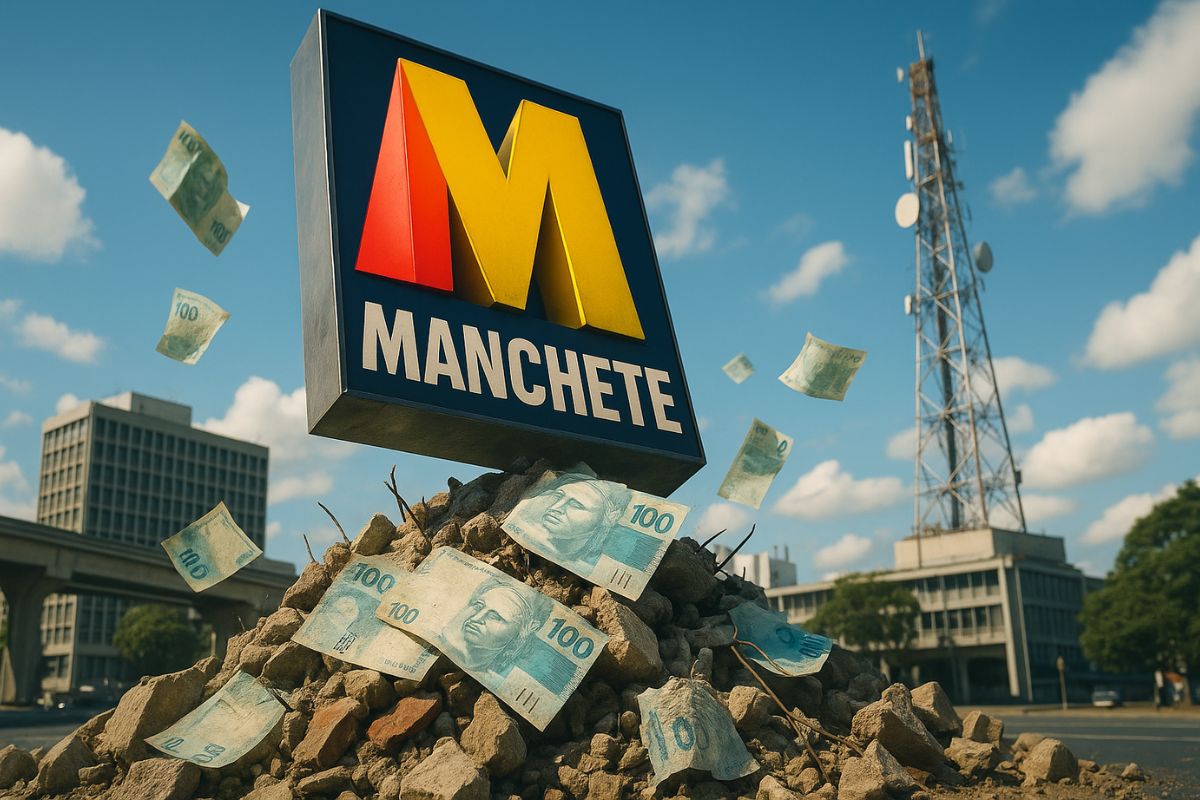
Rede Manchete Invested Millions, Raised the Technical Standard of Brazilian TV and, Years Later, Succumbed to Debts and Backstage Collapses.
The Rede Manchete marked a generation with robust journalism, cinematographic soap operas, and a children’s programming that became a phenomenon. Born to compete in technical standards and ambition with the audience leader, the network invested heavily in equipment, studios, and qualified personnel and, for a time, managed to change the level of open television in the country.
According to Disruptive Knowledge, at its peak, Rede Manchete seemed unstoppable: cutting-edge studio constructions, carnival broadcasts that became references, and hits like Pantanal made the network aim for the top. But the bill didn’t add up. Rising debts, commercial management failures, and macroeconomic instability eroded the project. In 1999, after a series of failed rescue attempts, the station went off the air and gave way to RedeTV!.
An Ambitious Project from the Start
Rede Manchete was born from the entrepreneurial drive of Adolfo Block, a communications mogul who decided to enter TV after winning, in 1981, the bid for licenses resulting from the end of Tupi.
-
For years, no one could cross a neighborhood in Tokyo because of the tracks, but an impressive solution changed mobility and completely transformed the local routine.

-
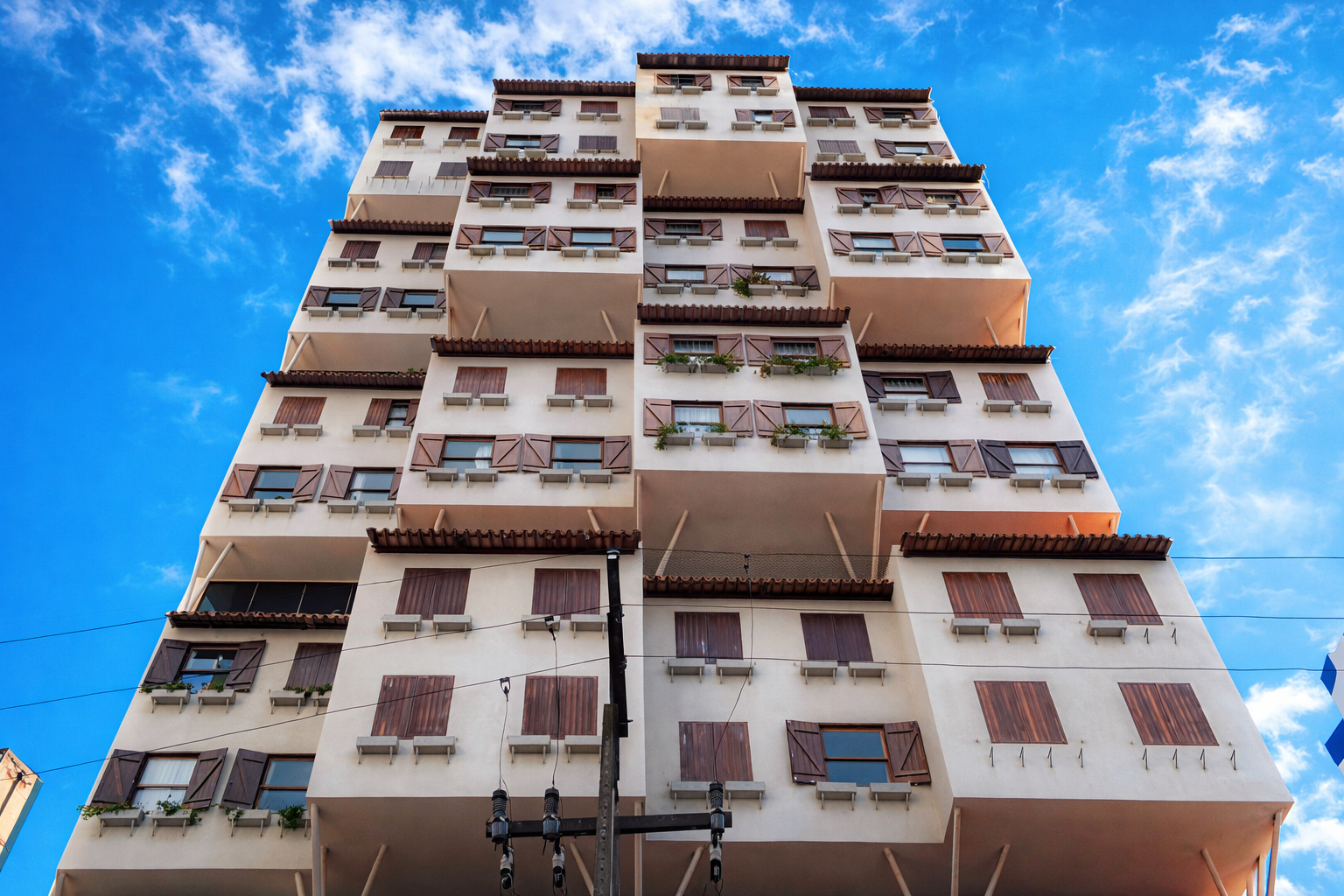
With 15 floors, an unusual building in Curitiba uses concrete, pilasters, and exposed roofs to create the effect of stacked houses.
-
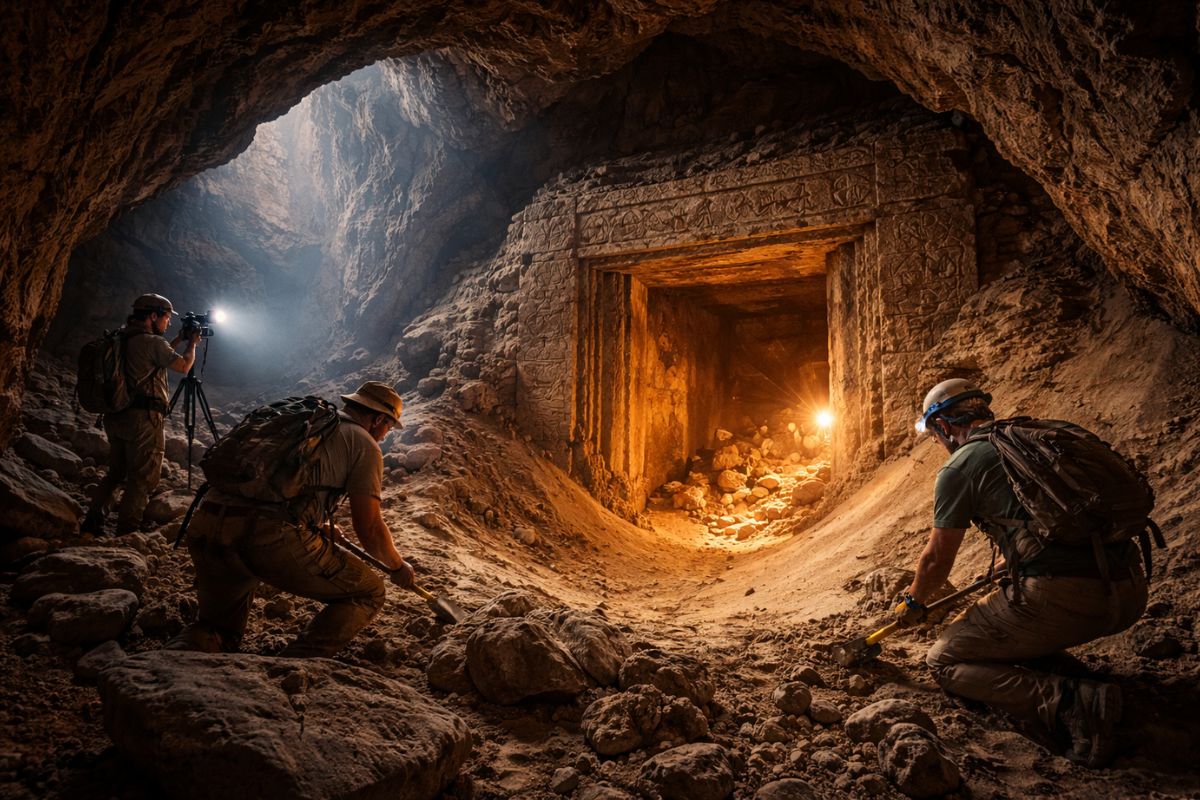
Archaeologists opened a secret chamber that had been sealed by sand for 40,000 years inside a cave in Gibraltar and found what may be the last place where Neanderthals lived before disappearing from Europe forever.
-
The water that may have gone to the Moon with NASA during the Apollo 11 mission and been consumed by the astronauts springs in a Brazilian city at an altitude of 945 meters, famous for its thermal springs, above-average quality of life, and a natural radioactivity so unusual that it attracted Marie Curie.


The strategy was clear: launch a network with superior technical standards, capable of rivaling the country’s largest broadcaster.
To achieve this, Block invested about US$ 50 million in building a state-of-the-art infrastructure, with equipment imported from the United States and Japan.
The investment included a modern studio complex costing about US$ 20 million aimed at facilities and technical training and more powerful antennas that extended the reach with quality.
To gain production independence, the network built the Polo de Cinevídeo, a film set with an additional investment of US$ 15 million.
The result was a broadcaster operating with stereo sound and high-definition images for the time, a qualitative leap that became a trademark.
Strong Journalism, Innovation in Format, and Distinct Identity
Its debut in 1983 brought a robust Jornal da Manchete, anchored by in-depth reports and investigative segments.
Programs like Câmera Manchete and Documento Especial consolidated editorial credibility, while Conexão Internacional broadened horizons with interviews and global topics.
The network differentiated itself by treating information with bold visual language and time for investigation.
In entertainment, Rede Manchete mixed sophistication and popularity. Clube da Criança, initially with Xuxa, became a showcase for children’s programming that would dominate mornings and afternoons in the following years.
The futuristic idents, carnival broadcasts, and music video curation (even before MTV arrived) composed an audiovisual identity that the public remembers to this day.
It was TV with an aesthetic signature and cultural ambition.
Soap Operas That Challenged Standards and the Budget
In drama, the broadcaster entered the game with visually stunning soap operas. Dona Beija drew attention for its sets and production, but the bill was high.
Still, the network doubled down and, in 1990, launched Pantanal, filmed in natural locations and conceived as a super-production.
Each episode cost far above the market average, and the total budget was estimated at US$ 7 million, a bold move that yielded ratings peaks of 40 points on Ibope and about US$ 120 million in advertising.
The success, however, was not repeated with the same strength in Amazônia, which had high costs and returns below expectations.
Still, Rede Manchete’s showcase revealed and showcased talents that later migrated to other networks.
In the early 1990s, plots like Ana Raio e Zé Trovão maintained prestige, but without reproducing the Pantanal effect and the imbalance between cost and revenue began to weigh heavily.
The Math That Didn’t Add Up: Debts, Advertising, and Frustrated Partnerships
Ambition came with a price. By 1986, Rede Manchete was already dealing with US$ 23 million in debt and losses close to US$ 80 million.
Hyperinflation eroded margins, advertisers hesitated, and the network sold advertising below the value that audience success would allow.
It was an expensive TV to make and a cheap one to sell — a combination that drained financial breath.
Attempts to shore up finances ensued. Negotiations with Televisa stumbled on legal restrictions. In 1993, an agreement with Grupo IBF envisioned US$ 25 million in investment and the assumption of US$ 110 million in debts; it did not materialize as promised.
To sustain operations, Adolfo Block sold personal assets and injected about US$ 100 million from his own pocket. Even so, the machinery did not return to cruising speed.
Terminal Crisis: Strikes, Cuts, and the Sale
The death of the founder in 1995 was the symbolic blow. Without leadership that reconciled vision and execution, the network sank into liabilities: around US$ 100 million in debt with just one major public bank, delayed salaries, suppliers in the queue, and labor lawsuits on the rise.
In 1996, the network drastically reduced its own production, resorted to reruns and imports, and lost names from its cast and journalism.
The breaking point came in 1998, when debts exceeded US$ 400 million. There were strikes, layoff of about 600 employees, and even technical interruptions due to lack of payment.
In 1999, an attempt to lease to TeleTV sank amid legal questioning and was revoked by the courts.
With no alternative, the family decided to sell: in November 1999, the assets and the concession passed to RedeTV! for about US$ 60 million.
Some of the labor liabilities were assumed by the new group, but legal disputes stretched on for years.
Legacy of Shine and Warning


The Rede Manchete left an undeniable legacy: raising the technical standard, authorial journalism, iconic soap operas, and a children’s programming that shaped habits.
At the same time, its history exposes the cost of ambition without financial backing, the fragility of a market concentrated in advertising, and the difficulty of sustaining super-productions in an adverse macroeconomic environment.
The case is, therefore, a study in balancing creativity and management. Artistic shine without financial discipline cannot survive; discipline without boldness does not create cultural milestones.
Manchete tried to be both and paid dearly when the balance tipped toward disorder.
The Rede Manchete was a unique experience in open TV that electrified audiences and challenged structures and collapsed when the backstage could not sustain the stage. Do you agree that the fall was inevitable, or do you believe that a different management could have saved the network? Which program, soap opera, or cartoon from Manchete marked you? Tell us in the comments: what decisions should have been made and when? We want to hear from those who lived through this era closely.







-

Uma pessoa reagiu a isso.