





 Portuguese
  English
  Spanish
  3 min of reading
  3 comments


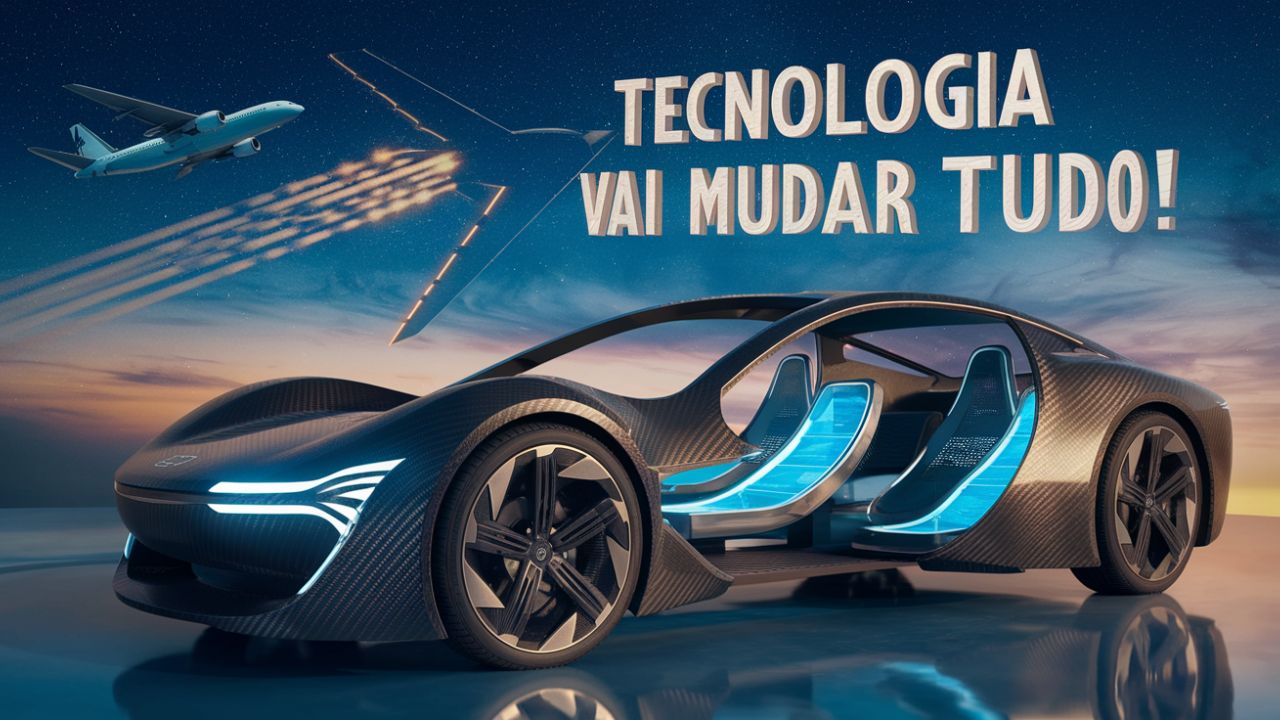


Scientists Created a Massless Structural Battery 10 Times More Efficient Than Previous Ones, Capable of Reducing the Weight of Cars, Planes, and Even Satellites, While Storing Energy in a Revolutionary Way.
A world where your home, car, or even an airplane not only functions but is the battery that provides energy. Sounds like science fiction, right? Well, scientists have taken a significant step in that direction by developing a massless structural battery that is 10 times more efficient than previous models.
What Are Structural Batteries?
Structural batteries are true two-in-one devices: in addition to storing energy, they function as an integral part of a structure. Think of them as weight support that also keeps devices powered. Instead of carrying the extra weight of conventional batteries, you embed its functionality directly into the object’s structure.
This concept has the potential to completely change how we design vehicles, homes, and even electronic devices. The idea is to utilize space intelligently, reducing weight and increasing efficiency.
-
The United States has a serious problem with its F-35s: China is already producing fighters at a pace that exceeds American capacity and could manufacture up to 300 aircraft per year before the end of the decade, shifting the global military balance.

-
Remains with battle wounds of over 100 soldiers from the Roman Empire are found beneath a football field in Vienna, leaving everyone surprised.

-
Elon Musk notes Brazil and lowers the price of his internet, Starlink, promising to connect all corners of the country with affordable plans, 10,000 satellites, and 1 million active users in the national territory!

-
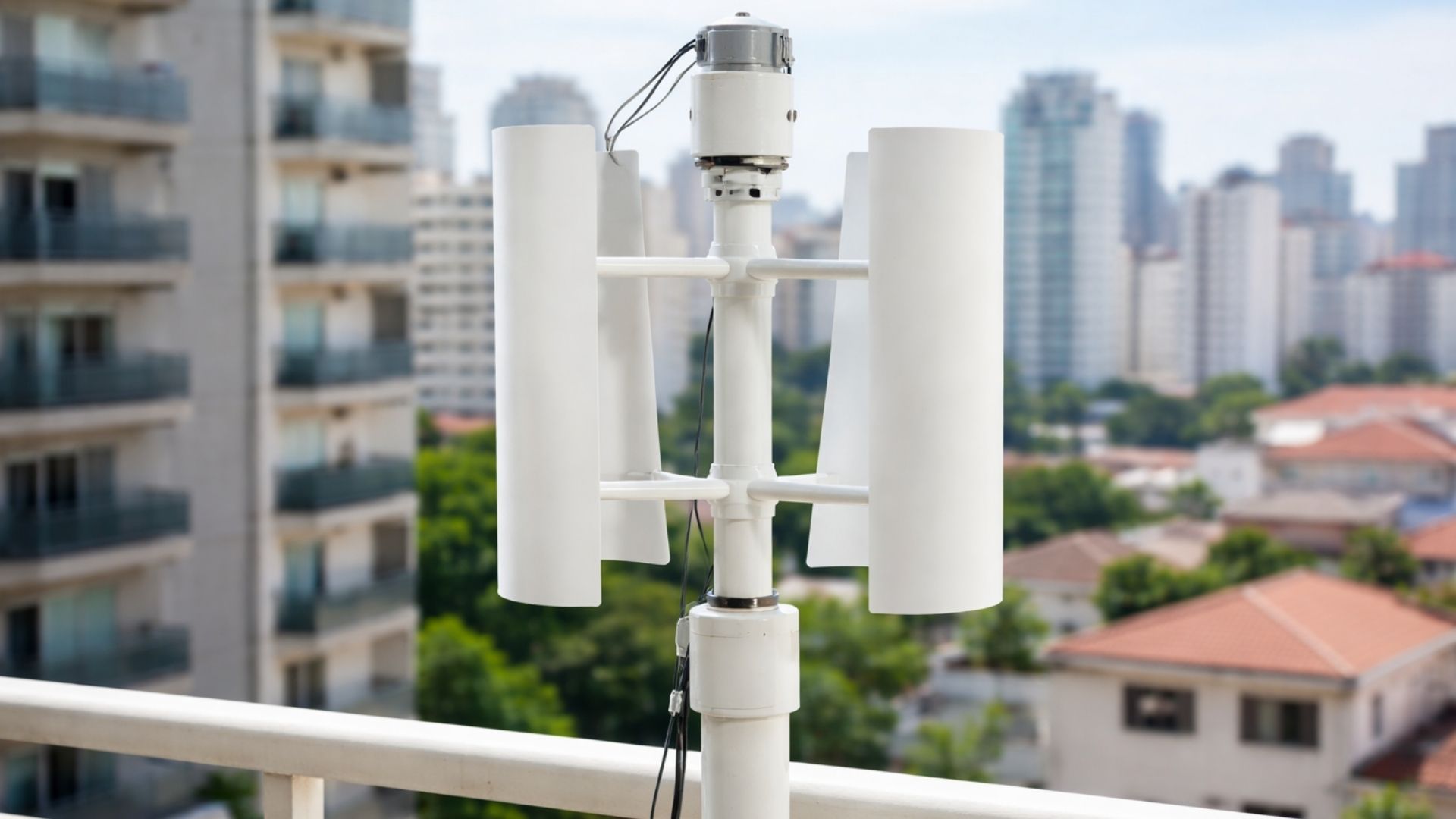
Man creates an infinite source of FREE electricity at home with a PVC wind turbine using a repurposed motor.

How Do Massless Structural Batteries Work?

The recent innovation comes from Chalmers University of Technology and KTH Royal Institute of Technology in Sweden. Scientists created these batteries with a simple yet revolutionary design:
- A positive and negative electrode are separated by a “buffer” glass fabric.
- A special polymer electrolyte is used to conduct energy.
- The material is cured in an oven, forming a flat and sturdy structure.
The result is a multifunctional battery that supports weight, conducts energy, and withstands mechanical stresses. With an energy density of 24 Wh/kg and a stiffness of 25 GPa, it is already competitive with traditional building materials.
Advantages of Structural Batteries for Electric Cars
Electric cars are perhaps the biggest beneficiaries of this technology. Today, vehicles need to be designed to carry heavy batteries that do not contribute to the car’s structure. With structural batteries, this changes completely.
In addition to reducing the total weight of the vehicle, these batteries lower energy consumption, increasing efficiency and range. This means that less energy will be needed to operate, and the car’s design can be much lighter and more aerodynamic.
Impacts in Other Industries: Planes, Bicycles, and Satellites
But it doesn’t stop there. Structural batteries promise to revolutionize other industries:
Electric planes: Currently, the weight of batteries is a significant obstacle. With this innovation, electric planes become more viable, allowing for lighter and more efficient designs.
Electric bicycles: Imagine a bicycle where the frame itself is the battery. Less weight, more style, and greater efficiency.
Satellites: In space, every gram counts. Incorporating batteries into the structure of satellites can reduce costs and improve performance.
These batteries can also be combined with solar panels, storing energy directly in the structure of the equipment for later use.
Their Role in Energy Storage
Scientists are already working on improvements to increase energy density and stiffness of the batteries. The goal is to reach 75 Wh/kg and 75 GPa stiffness, using materials like carbon fiber to make the design even lighter and more efficient.
In the future, applications may go beyond imagination. From laptops to buildings, the technology could redefine how we store and use energy. Will we one day see fully electric cars and planes that are their own power sources?
The massless structural battery is more than an innovation — it is a milestone that could change the course of technology and sustainability. With the promise to reduce weight, save energy, and revolutionize design, these batteries show that the future is closer than we think. The question remains: what more can we build when energy and structure become one?






no futuro próximo as baterias vai embutido em quase tudo vai desde tv a navio de grandes poste ser tornado independente nas maior parte útil dos equipamentos.
Fica a pergunta:
E quando for necessário substituir a bateria que atingiu o número de recargas? Isto já foi pensado, né?
Grande dificuldade, visto que a bateria é integrada à estrutura do carro. Ainda assim, já existem veículos utilizando:
1. BMW i3 (usou bateria estrutural, mas não mais produzida).
2. Tesla Model S (utiliza bateria integrada à estrutura).
3. Volkswagen ID.4 (emprega bateria estrutural).
4. Audi e-tron (bateria integrada à estrutura).
Fontes:
1. Automotive News
2. Green Car Reports
3. Car and Driver