





 Portuguese
  English
  Spanish
  3 min of reading
  0 comments


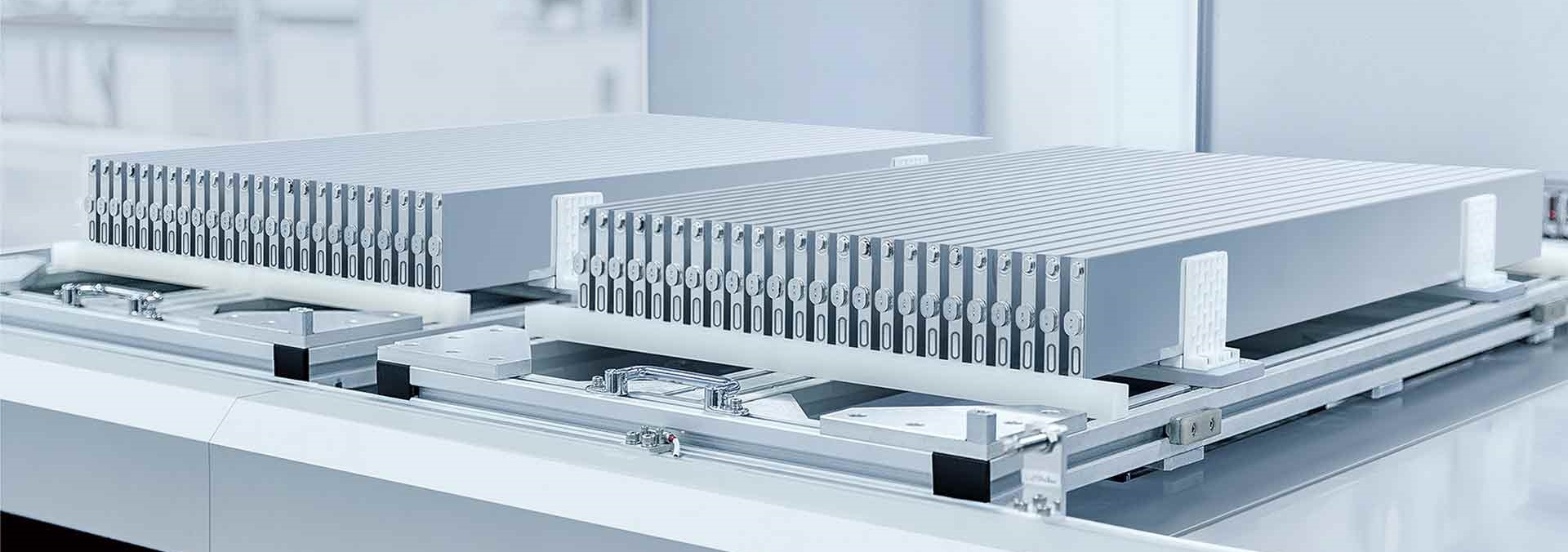
The Blade Battery, developed by BYD, is a lithium iron phosphate (LFP) battery that highlights safety, durability, and thermal stability.
In a truck run-over test with a 46-ton vehicle, it did not catch fire or explode, demonstrating its robustness. Used in various BYD electric vehicles, it offers durability, efficiency, and a lower environmental impact. Its blade shape allows direct integration into the chassis, optimizing space and performance. The Blade Battery is an increasingly popular solution in electric mobility.
Safety Tests Applied to the Blade Battery
The battery underwent tests such as piercing with metal objects, crushing by heavy vehicles, and intense heating.
Even after these procedures, it maintained thermal and structural stability, with no occurrence of ignition or explosion.
-
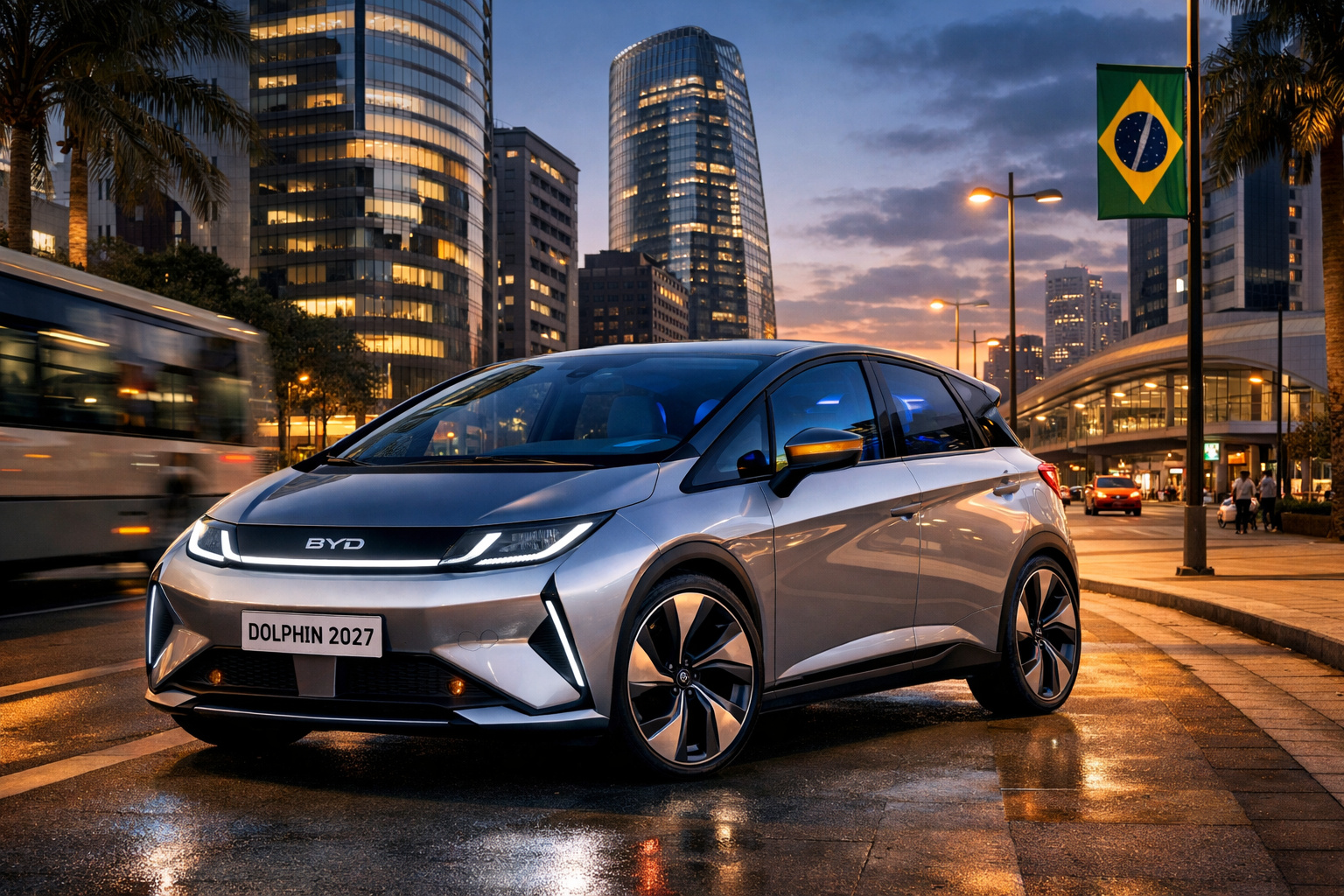
BYD Dolphin 2027 gains more power, increases in size, changes interior, and abandons controversial feature to face new competition in Brazil.
-
The German economist Wolf-Peter Schill has no doubts: “Electric cars are already far superior to cars with internal combustion engines.”

-
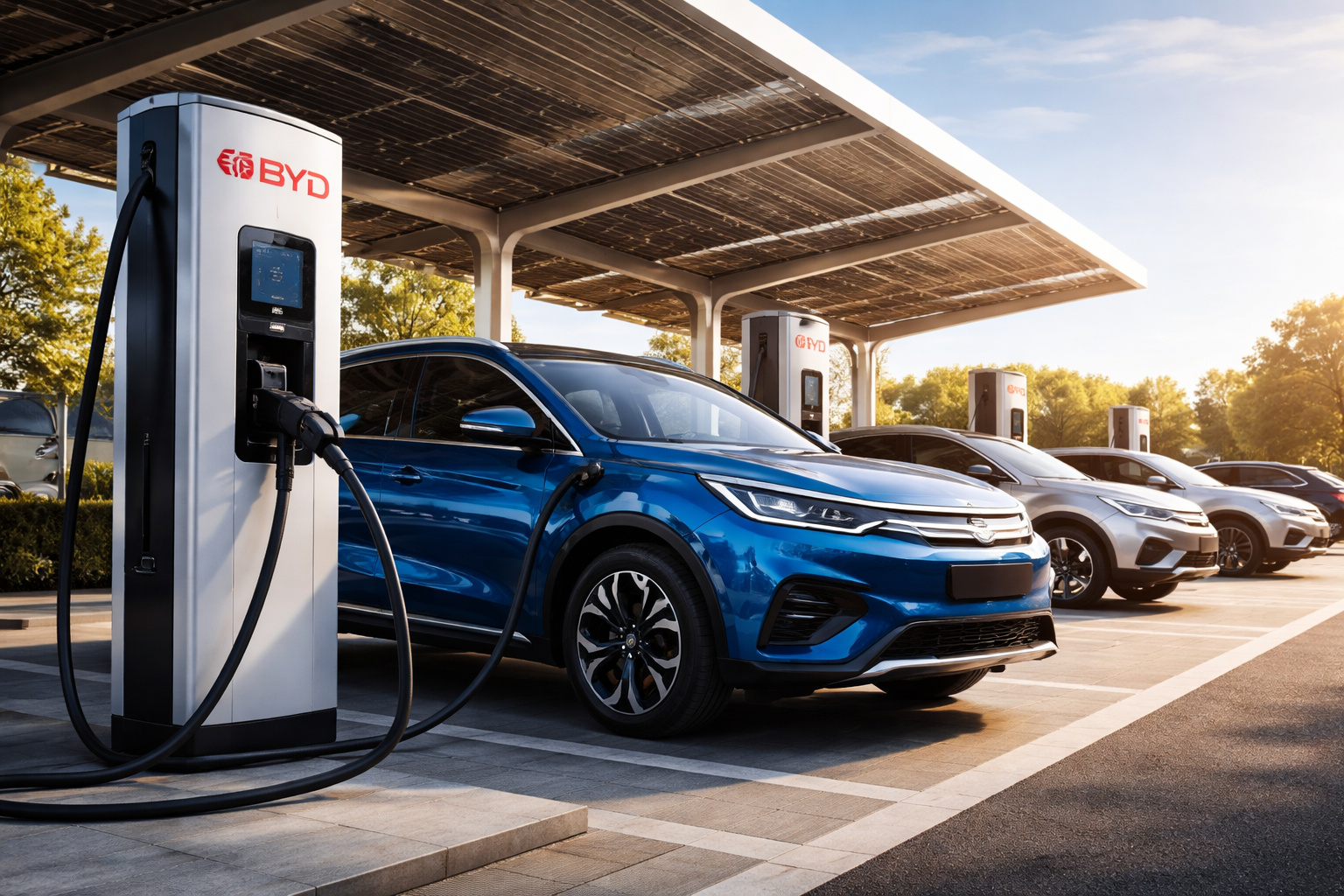
Largest public charging network in Brazil: BYD reaches 125 fast chargers and accelerates national expansion of electric mobility.
-
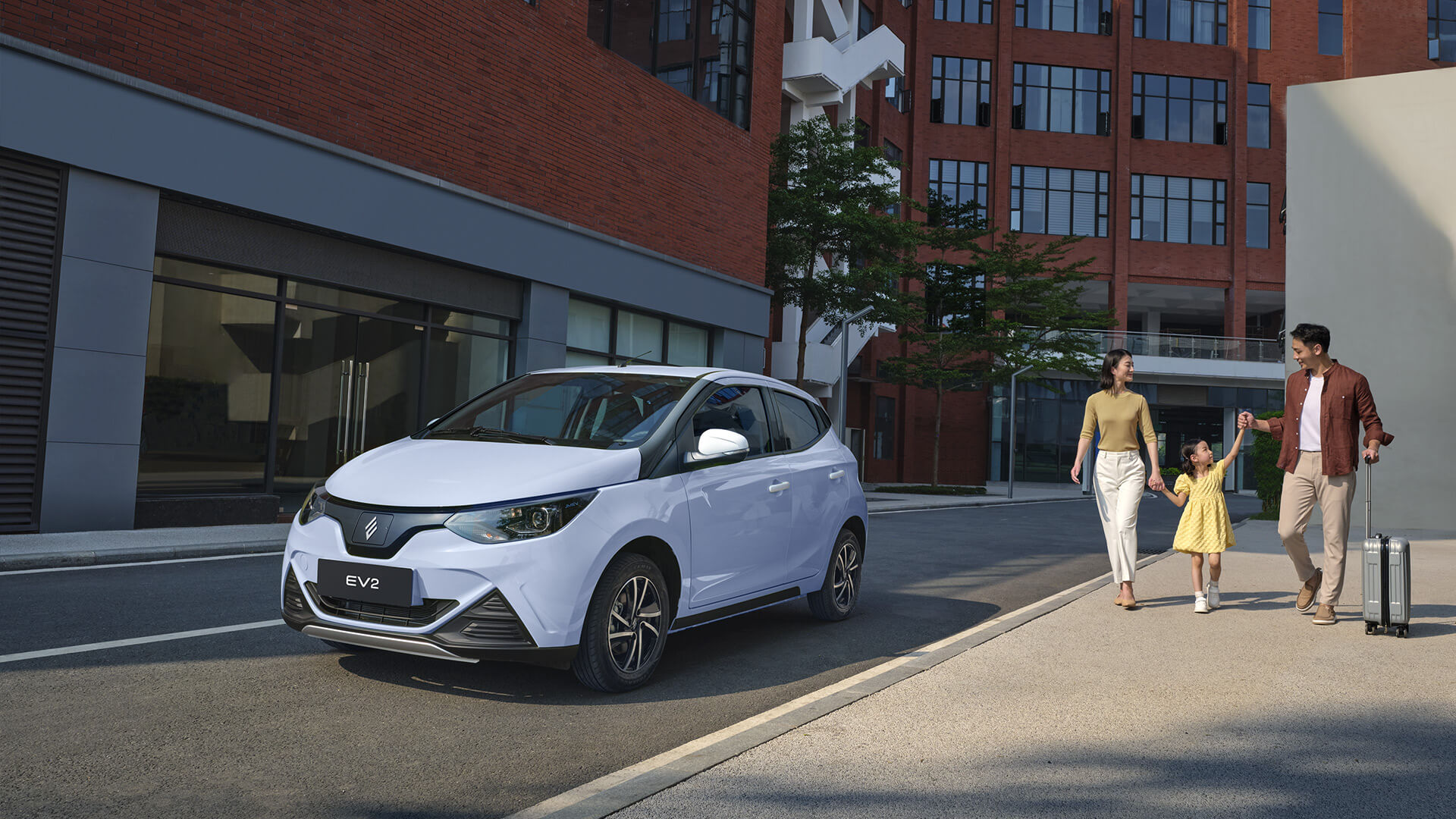
Goodbye expensive popular car: electric vehicle for less than R$ 70,000 starts being sold in Brazil with a range of 200 km and targets those looking to escape gasoline.

The tests were conducted to simulate real accident situations, assessing the battery’s resistance in urban and highway use.
The physical limits of the materials and the response of the structure under controlled stress conditions were observed.
Applications in BYD Vehicles
The Blade Battery is integrated into models such as the BYD Dolphin and the BYD Seal, used in different countries.
These vehicles are equipped with electric traction systems that operate with this type of battery as the primary power source.
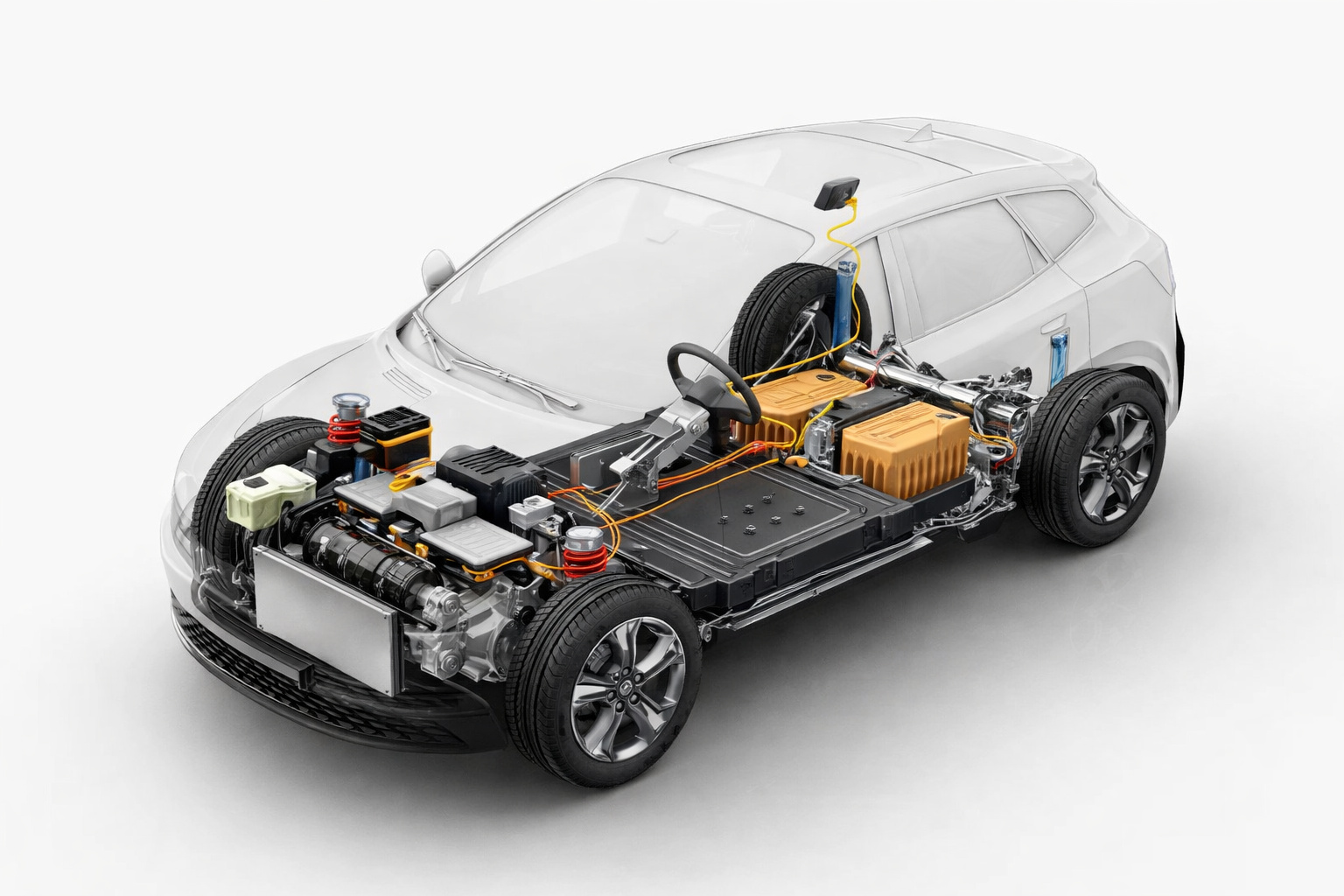
The installation follows the vehicle’s structural design, with direct integration into the chassis, favoring weight distribution.
Automakers use the Blade Battery in various segments, including compact cars and sedans.
The compatibility with modern electric platforms allows its application in different automotive projects.
Chemical Composition Based on Lithium Iron Phosphate
The battery uses cells based on Lithium Iron Phosphate (LFP), a formula that does not require metals such as cobalt or nickel.
This composition offers greater thermal stability and a lower risk of dangerous chemical reactions under high temperatures.
The use of LFP also reduces volatility in case of punctures or internal short circuits. The absence of scarce metals contributes to a production process with less dependency on critical supply chains.
The choice of this chemical compound has been adopted by various manufacturers in similar projects.

Physical Structure and Blade Design
The design of the Blade Battery is characterized by thin, elongated cells, resembling a blade.
This configuration allows for horizontal installation on the vehicle floor, contributing to space utilization.
The architecture facilitates serial assembly, increasing energy density per occupied volume.
The shape also favors natural cooling, without the need for additional complex systems.
The cell structure is coated with materials resistant to impact and heat propagation.
Lifespan and Charging Performance
The Blade Battery supports multiple charge and discharge cycles while maintaining stable performance over time.
Studies indicate that its capacity remains efficient even after prolonged use, within defined parameters.
The management system monitors voltage and temperature during recharges, optimizing cell preservation.
The battery’s durability varies according to usage profile, ambient temperature, and charging frequency.
Production and Sustainability of the Blade Battery
The production of the Blade Battery does not depend on metals such as cobalt, nickel, or manganese, reducing environmental impact. This contributes to a more stable production chain with a lower environmental cost in the raw material extraction process.
The use of LFP facilitates the recycling and disposal of the battery at the end of its useful life. The production follows environmental standards and responsibility guidelines applied in the electric mobility sector. Companies utilizing this model aim to meet the demand for solutions with a lower ecological impact.








Seja o primeiro a reagir!