





 Português
  Inglês
  Espanhol
 2 min de leitura
  0 comentários



Biodiesel in the Amazon: Brazil Biofuels and the Future of Thermoelectric Plants Under Debate
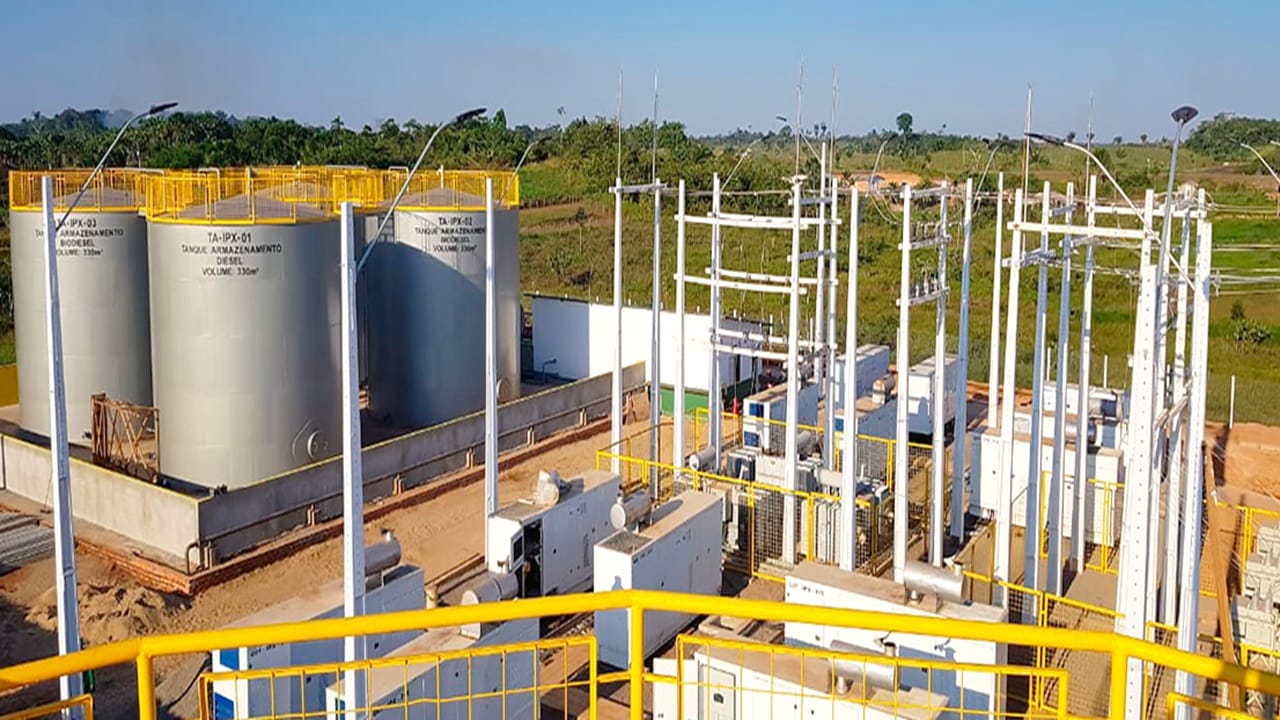
According to the Reset website, Brazil Biofuels (BBF), a giant in biodiesel, faces a monumental challenge in the Amazon: adapting six thermoelectric plants to operate with biodiesel, a renewable fuel. This initiative, initially applauded as a symbol of energy transition, is now at the center of a controversy involving contract breaches, exchanges of accusations, and a potential significant financial setback.
In a project to provide electricity in remote areas of Pará, BBF secured concessions to operate the plants, aiming to replace diesel oil with biodiesel, a cleaner and more sustainable alternative. However, what was witnessed was a series of delays and technical problems, leading the National Electric Energy Agency (Aneel) to recommend the revocation of the concessions.
Challenges and Impasses in Biodiesel Implementation
Initially, the idea seemed promising: adapting existing plants to use biodiesel, in partnership with Energy Assets. However, a series of obstacles arose, from land tenure issues to difficulties in environmental licensing. Questions arose not only from Aneel but also from competitors and other companies in the electric sector, raising doubts about BBF’s actual capacity to fulfill the contracts.
-
Historic bankruptcy of Centauro shocks the market, and the century-old company puts more than 500,000 products, machines, and complete infrastructure up for online auction.

-
Renewable energy advances over protected areas in Brazil, and a survey by the Energy Transition Observatory reveals silent impacts that challenge environmental conservation and pressure sensitive traditional territories.

-
The Economist states that Brazil has a “secret weapon” against expensive oil and highlights how the country can reduce economic impacts even in international scenarios of high volatility.
-
Rio Grande do Sul accelerates energy transition: State invests in renewable technologies and consolidates decarbonization strategies and pathways to attract billions in new industrial investments.


Financial and Environmental Impacts of the Crisis
The delay in the transition to biodiesel not only harms the company’s image but also has significant financial impacts, with additional costs for energy consumers, especially through the continued burning of diesel oil. Furthermore, there are environmental concerns, as the failure to adopt biodiesel contributes to pollution and the depletion of non-renewable resources. Despite the challenges faced, Brazil Biofuels remains steadfast in its purpose of promoting renewable energy in the Amazon.
Future Challenges and Perspectives of Brazil Biofuels
The saga of Brazil Biofuels in the Amazon illustrates the challenges and complexities of transitioning to a cleaner and more sustainable energy matrix. As the company struggles to meet its commitments and overcome obstacles, the future of thermoelectric plants and the environmental impact of the crisis remain under debate. Brazil Biofuels faces a crucial crossroads, where the decisions made will have repercussions not only for the company, but also for the environment and society as a whole.









Seja o primeiro a reagir!