





 Portuguese
  English
  Spanish
  4 min of reading
  0 comments


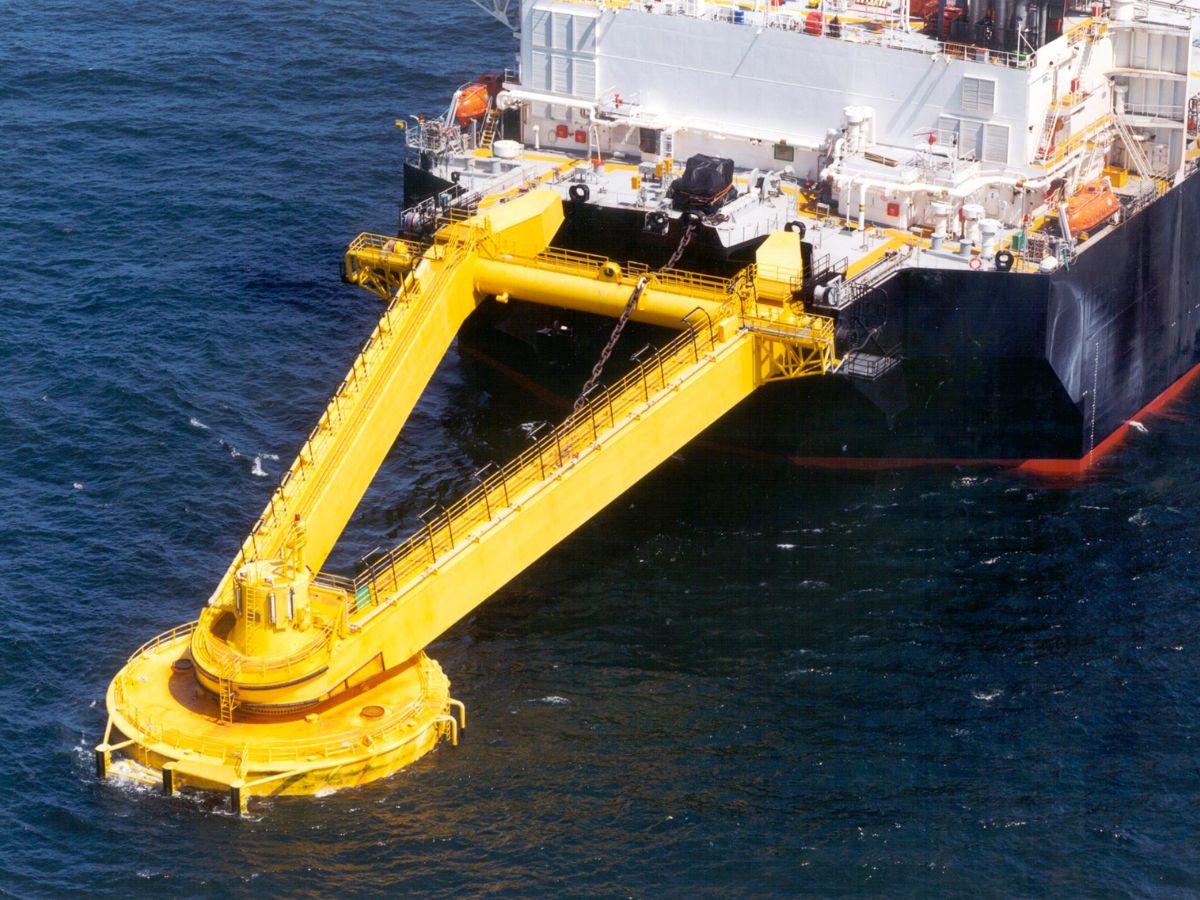
The Called Anchor Tower Is One of the Most Impressive Engineering Pieces in the Offshore Industry, a Gigantic Structure That Functions as a Fixed Point for Floating Production Storage and Offloading Units to Freely Rotate in the Sea
Amidst the furious waves and winds of the open sea, gigantic floating production storage and offloading units, known as FPSOs, need to remain stable to safely produce oil and gas. The technology that allows this feat is a tower anchoring system, a kind of colossal anchoring buoy that connects the ship to the seabed. It is this structure that allows the vessel to rotate 360 degrees to always align with the forces of nature, an essential principle for survival in extreme environments.
This tower is much more than a fixation point. It is an engineering colossus, weighing over 5,000 tons, that houses dozens of pipes inside it. Within it lies a technological heart — the swivel stack — that allows the continuous flow of oil, gas, and energy while the ship rotates, making oil exploration possible in the planet’s most hostile frontiers.
What Is an FPSO and Why Does It Need to Rotate? The Principle of “Weathervaning”
An FPSO is a Floating Production, Storage, and Offloading Unit. Basically, it is a tanker transformed into a floating refinery. It receives oil and gas from wells on the seabed, processes them on board, stores the oil in its tanks, and then transfers it to other vessels that will take it to the shore.
-
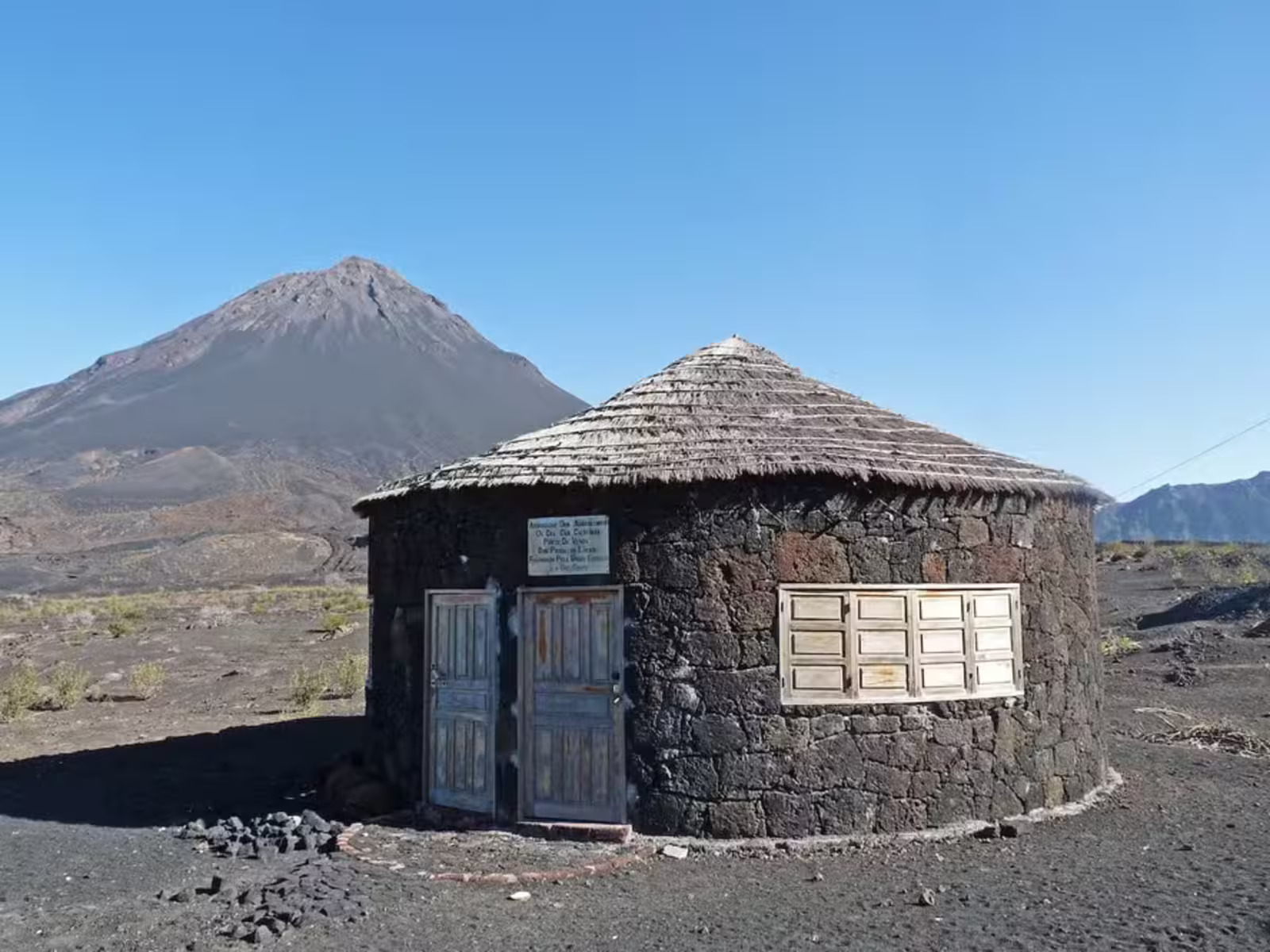
Inside an active volcano in Africa, residents use volcanic rocks to build houses in an impressive setting.
-
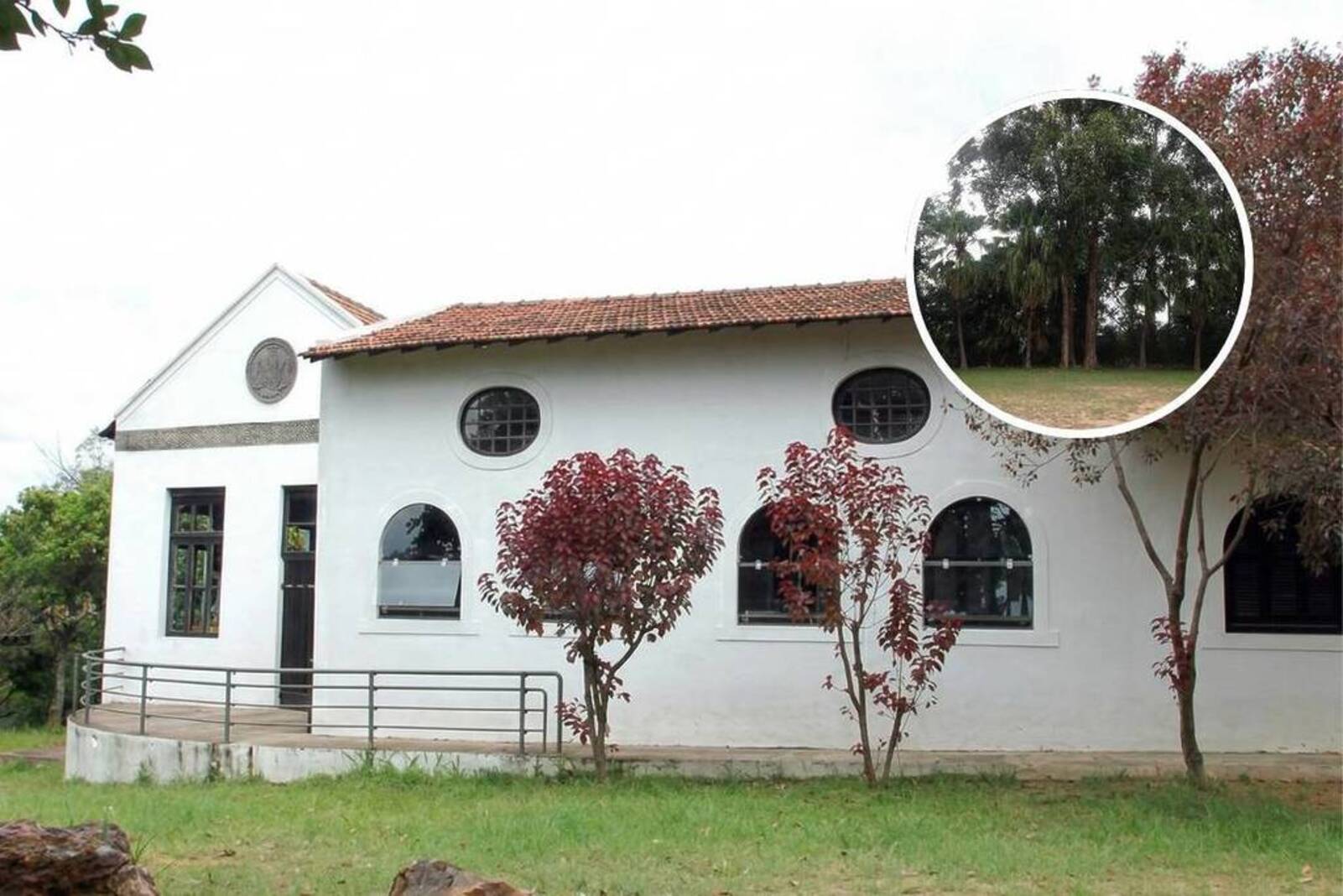
After 14 years of waiting, a rammed earth mansion built in 1702 in the North Zone of São Paulo will become a park with leisure facilities and green areas, with a million-dollar investment.
-
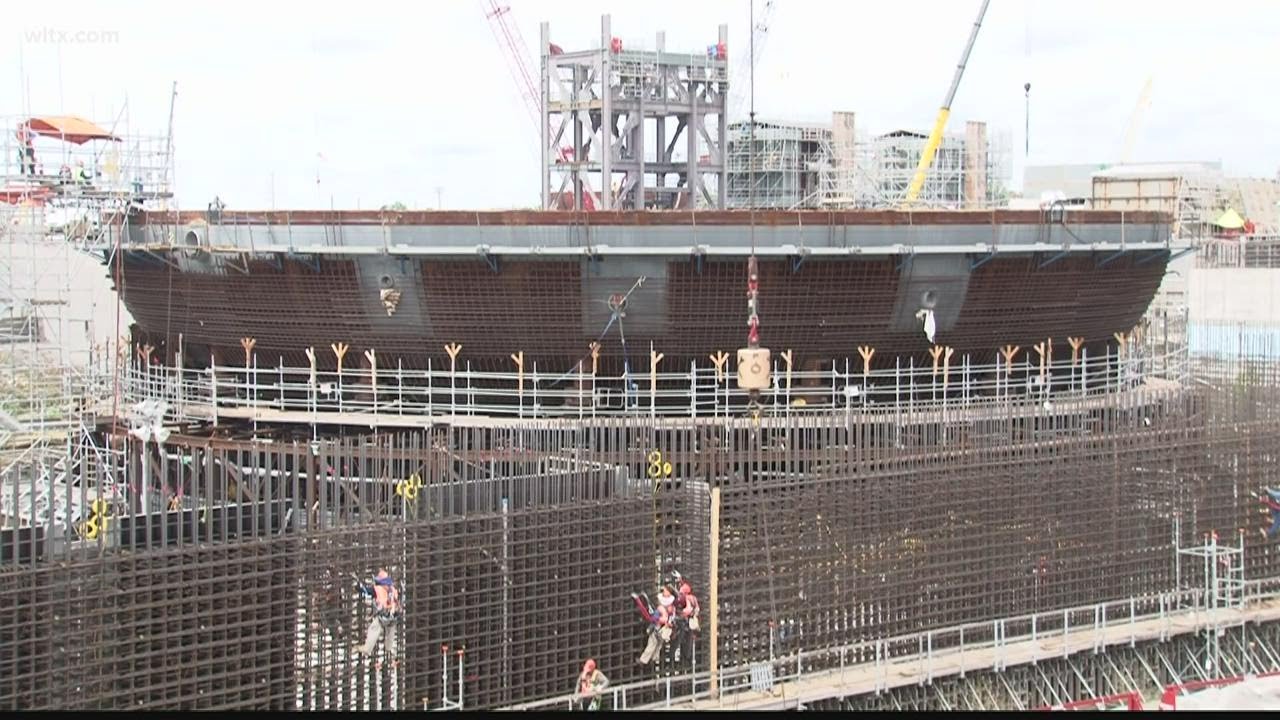
With 2 unfinished nuclear reactors, up to 25 billion in costs, and proven fraud, the Nukegate case has left 800,000 consumers still paying today for energy that will never be produced.
-
The household appliance that consumes the most energy in Brazilian homes is not the air conditioner; it is located in the smallest room of the house, is used daily, and can account for up to 25% of the electricity bill, while an alternative in the same outlet can reduce this cost by up to 75%.

To operate safely in a hostile environment, the FPSO uses the principle of “weathervaning”. Just like a weather vane aligns with the wind, the ship, anchored by a single point, rotates freely to point its bow (front) in the direction from which the waves and currents come. By doing this, it presents its smallest surface area to the forces of nature, drastically minimizing the impact and loads on the structure. This simple passive orientation is what allows a billion-dollar operation to continue functioning instead of being ripped from its place by the fury of the ocean.
The Anatomy of the Tower, the Pivot That Connects the Ship to the Seabed
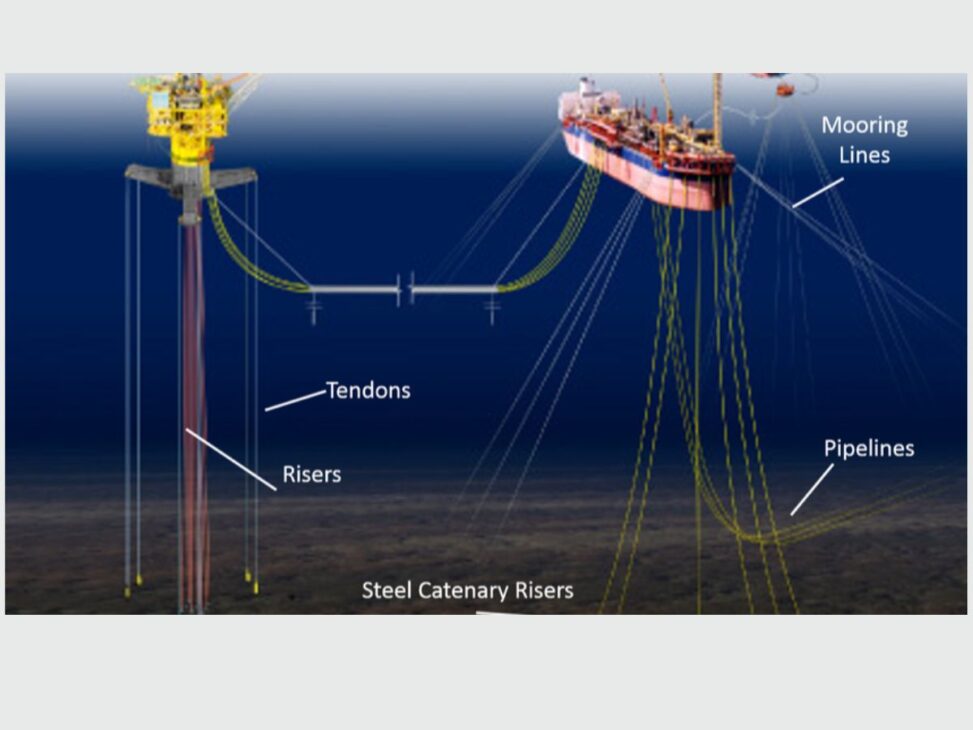
The tower anchoring system, or the anchoring buoy, is what makes “weathervaning” possible. It is formed by four main parts:
The Tower Structure: an immense steel construction that remains fixed regarding the seabed. It passes through the ship’s hull and serves as a connection point for the anchors and pipes.
The Bearing System: high-precision components that allow the ship, with its thousands of tons, to smoothly rotate around the fixed tower.
The Mooring Lines: a series of chains and steel or polyester cables that connect the base of the tower to special anchors embedded in the seabed.
The Swivel Stack: this is where the true ‘magic’ of engineering happens. Imagine trying to unload a tanker while it spins in circles nonstop. The swivel stack is the solution to this problem: a tower of high-precision rotating rings that allows oil, gas, energy, and data to pass from the fixed pipes to the moving ship without anything getting tangled or broken.
Internal, External, or Disconnectable, the Three Types of Anchoring Buoys
There is no single model of anchor tower. The design is adapted for the conditions of each oil field. There are three main types:
Internal Tower: integrated within the ship’s hull, it is the most robust solution and the preferred choice for the most severe environments in the world, such as the North Sea. It can withstand extreme loads and a large number of pipes.
External Tower: mounted at the bow of the ship, like an arm projecting outward. It is a cheaper and faster solution to install, ideal for converting existing tankers and for operating in more moderate sea conditions, such as off the coast of Africa.
Disconnectable Tower: this is the ‘James Bond’ version of the technology, designed for regions at risk of hurricanes or icebergs. In an emergency scenario, the ship executes an extraordinary maneuver: it disconnects from the tower, which sinks to a safe depth, and navigates away from danger. Once the storm has passed, it returns and reconnects, like a spacecraft docking at a station.
The Case of the FPSO Skarv, the Tower Designed for a 100-Year Storm
The FPSO Skarv, operating in the Sea of Norway, is an example of engineering pushed to the limit. Its tower anchoring system was designed to withstand loads exceeding 5,000 tons. The reason for this colossal capacity was a strict safety requirement: the ship needed to survive a 100-year storm even in “dead ship condition”, meaning a total loss of power on board. This safety philosophy led to a tower design of unprecedented scale and robustness.
Tower or Spread Anchors? The Choice That Defines Project Safety
The alternative to a tower anchoring buoy is the spread anchoring system, where the ship is secured by multiple anchors at various points, maintaining a fixed orientation. Although it is a viable solution for calmer waters with predictable wind and wave directions, it has clear disadvantages.
Ultimately, the choice is between fighting against the ocean or dancing with it. While the spread anchoring tries to resist the brute force of nature, the anchor tower uses engineering intelligence to align with it, proving that, in the world’s most hostile environment, the safest solution is not the most rigid, but the most flexible.





-

-

-

-

-

-

22 pessoas reagiram a isso.