





 Portuguese
  English
  Spanish
  2 min of reading
  11 comments


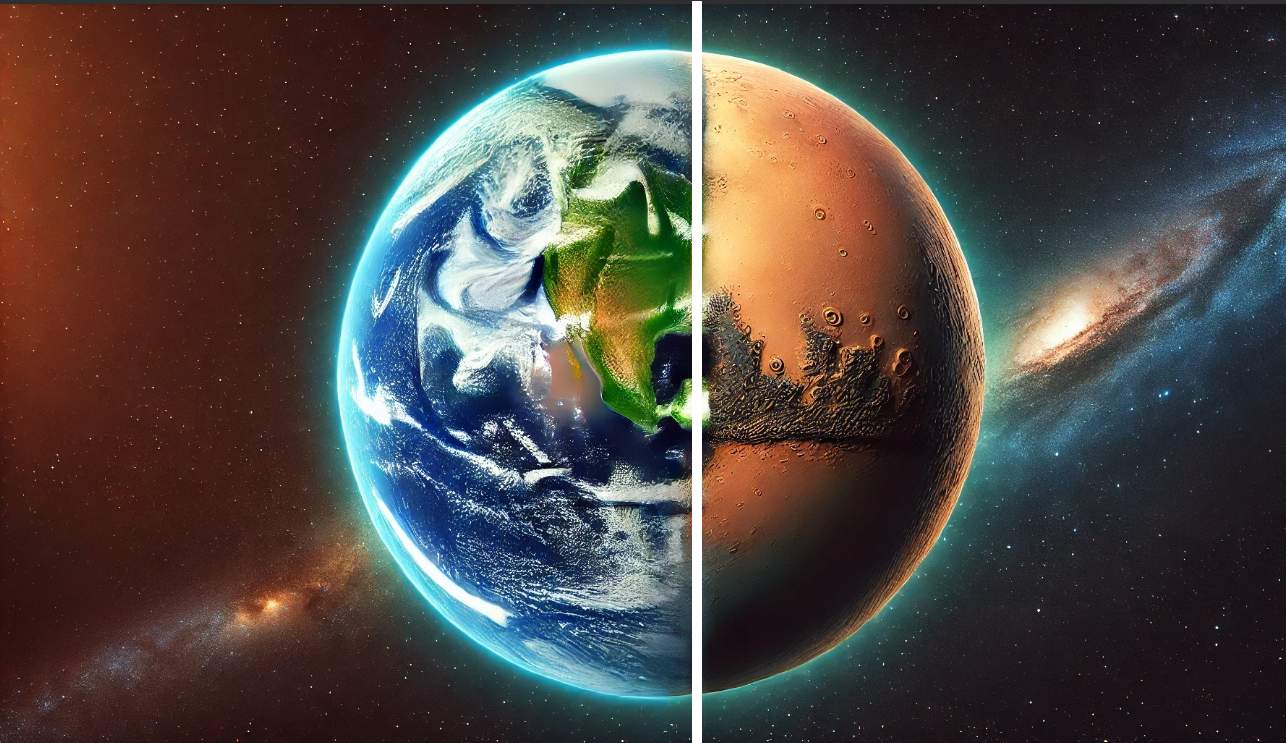


Scientists Discovered That Mars Has a Gravitational Cycle That Affects Earth, Altering Submarine Geology and Demonstrating the Connection Between Celestial Bodies in the Solar System.
New research suggests that Mars’ gravitational pull on Earth may influence changes in our planet’s climate. A study published in the Nature Communications indicates that over 65 million years, deep-sea currents follow a cycle of intensification and weakening every 2.4 million years. One cause? Gravitational interactions between the two planets.
The Great Astronomical Cycle and the Oceanic Abyss
Scientists identified a phenomenon called the “Great Astronomical Cycle.” During this cycle, deep currents, known as giant networks, gain strength, reaching the deepest parts of the oceans.
During these phases, sediments accumulated during periods of calm are eroded by the powerful currents.
-
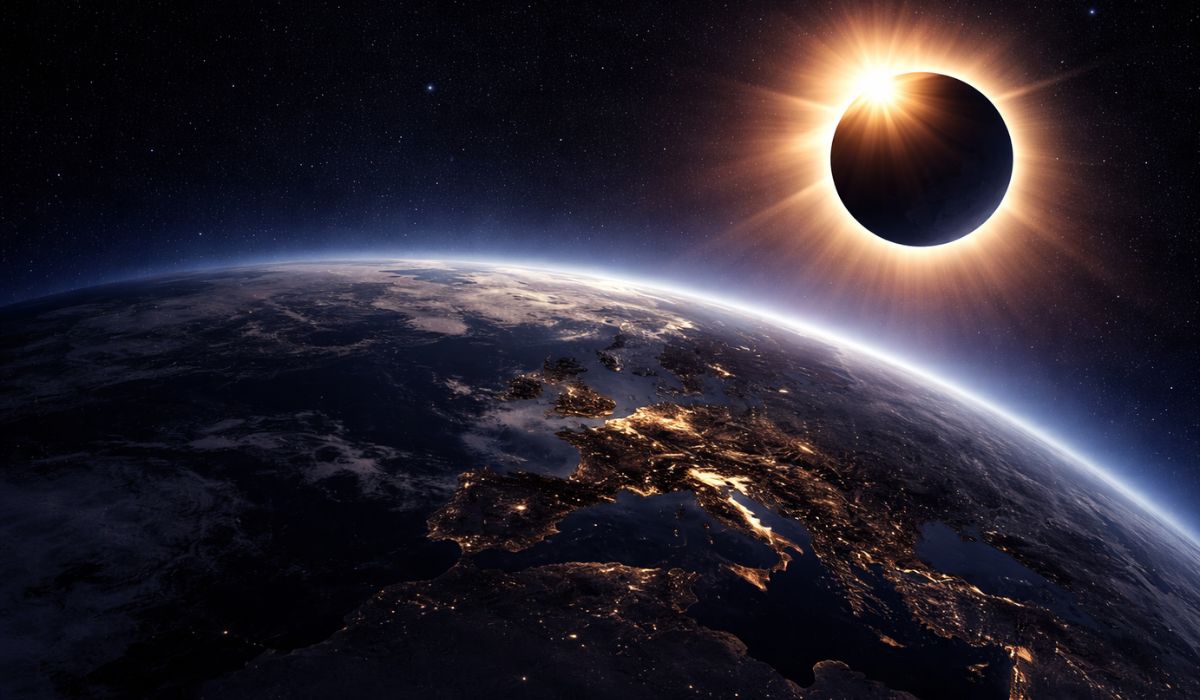
The Earth will plunge into a few minutes of darkness in broad daylight in August 2026, when a total solar eclipse transforms the sky into one of the most impressive astronomical phenomena in recent years.
-
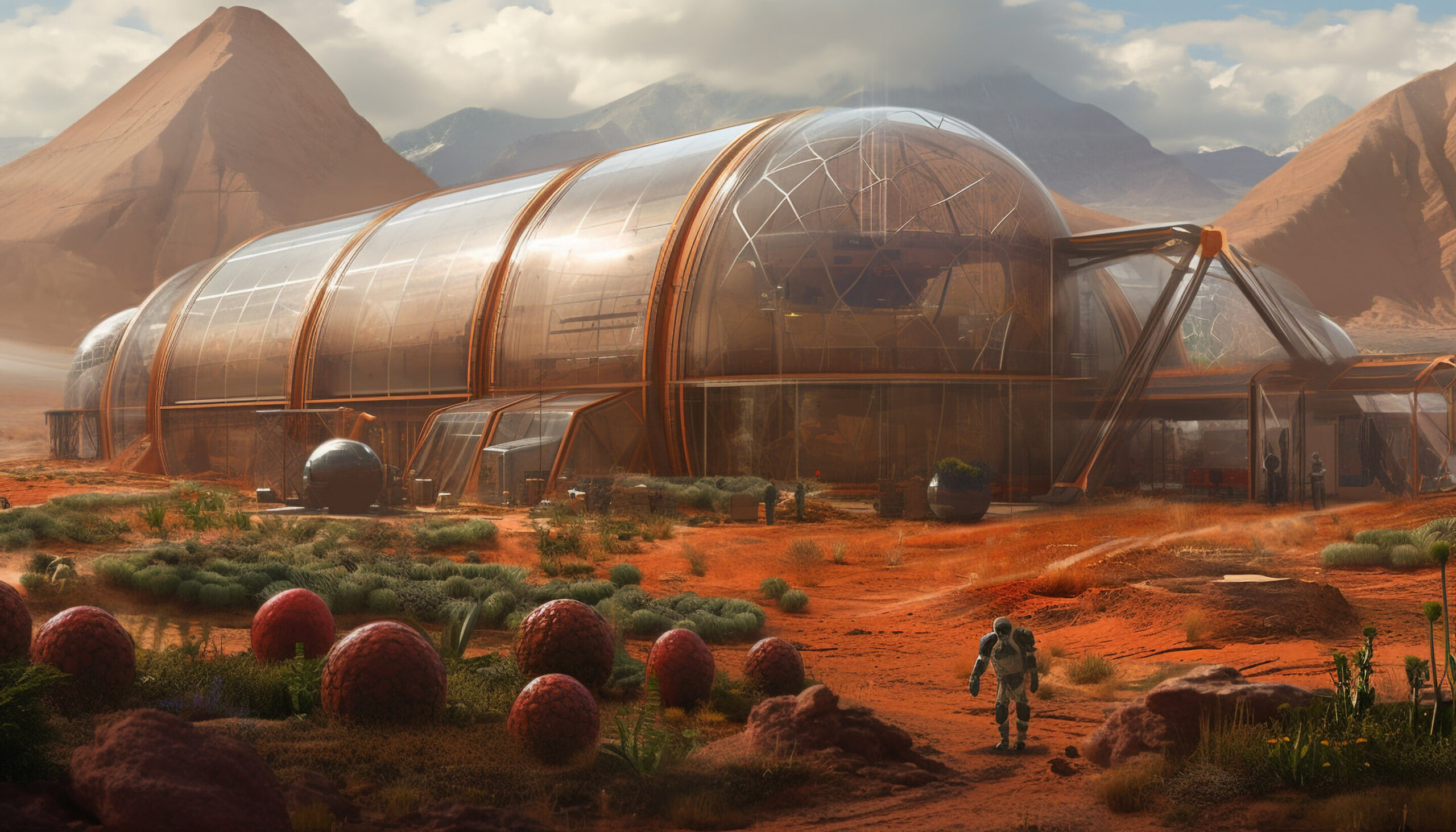
How the terraforming of Mars can transform the planet: artificial aerosols can increase the temperature by up to 35°C in 15 years, creating conditions for liquid water.
-
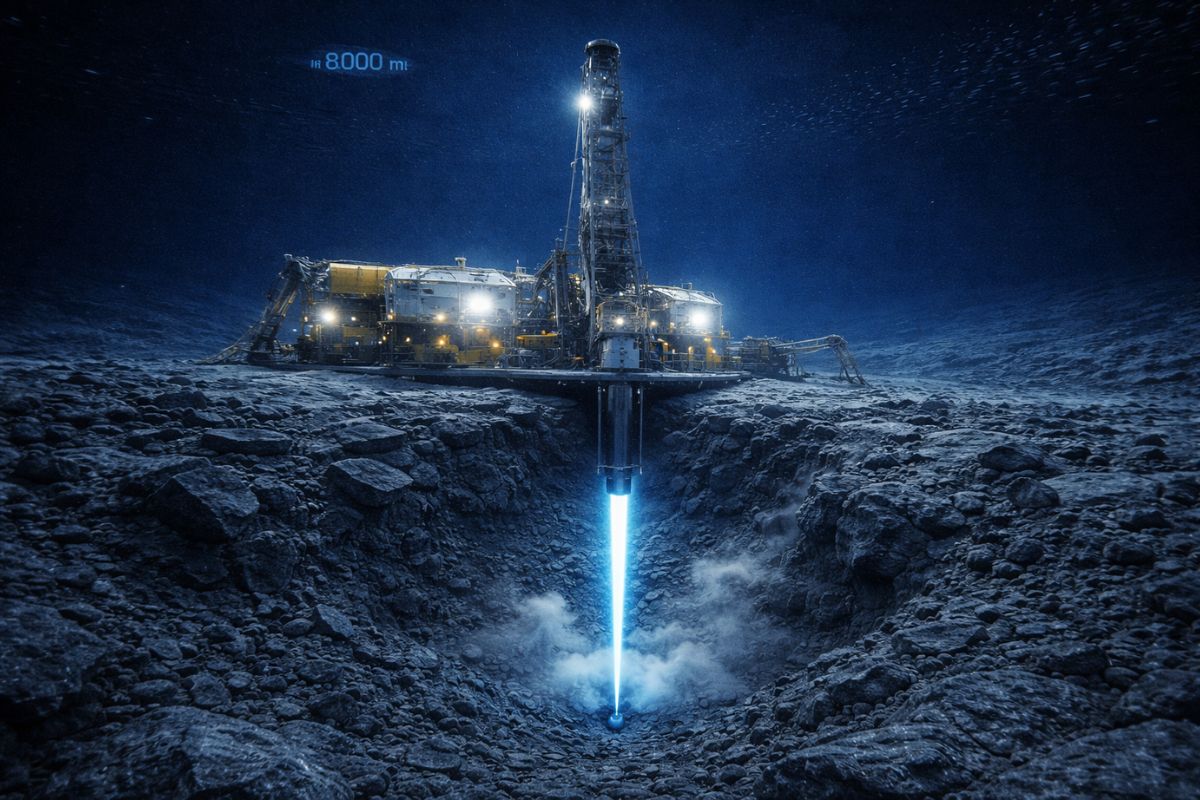
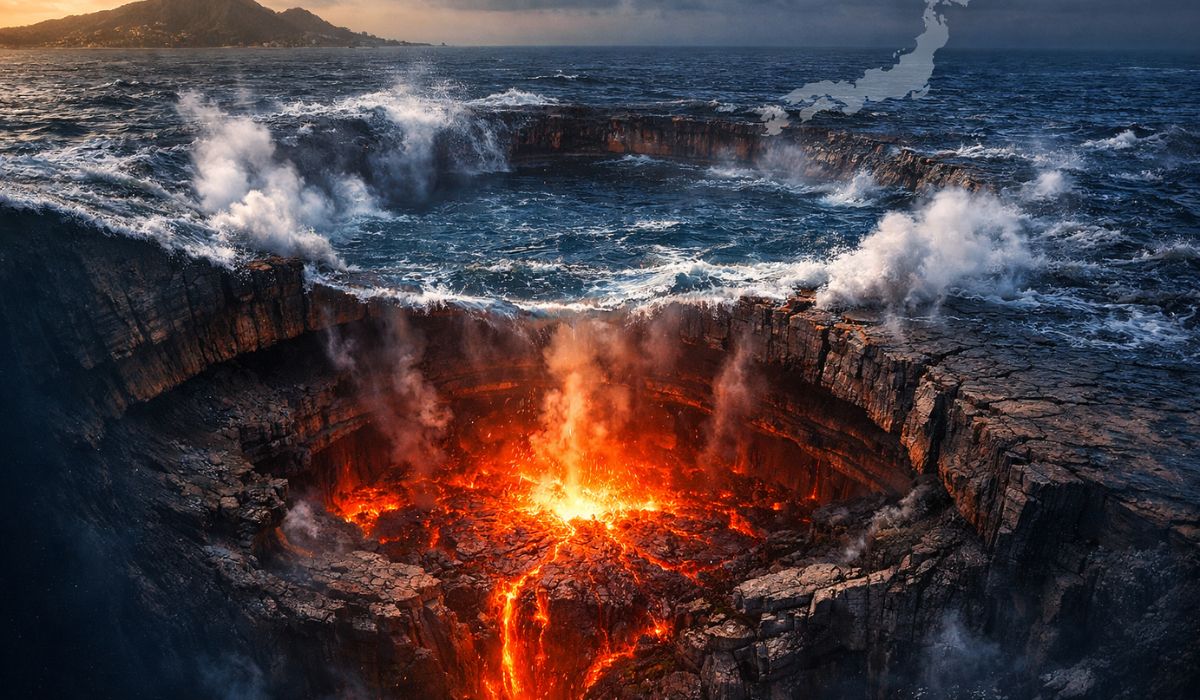
Scientists drilled nearly 8,000 meters into the ocean floor above the fault that caused the 2011 tsunami in Japan and discovered that a layer of clay 130 million years old was responsible for making the wave much worse than any model had predicted.
-
Thousands of years after causing the largest eruption of the Holocene, one of the world’s largest supervolcanoes is rebuilding itself beneath the sea south of Japan, receiving new magma and alarming scientists with its transformation.

These changes coincide with the gravitational resonance between Mars and Earth. As the planets orbit the Sun, their gravitational interactions alter the shape of Earth’s orbit, making it more or less circular.
When Mars pulls Earth closer to the Sun, our planet receives more solar radiation, resulting in warmer climates.
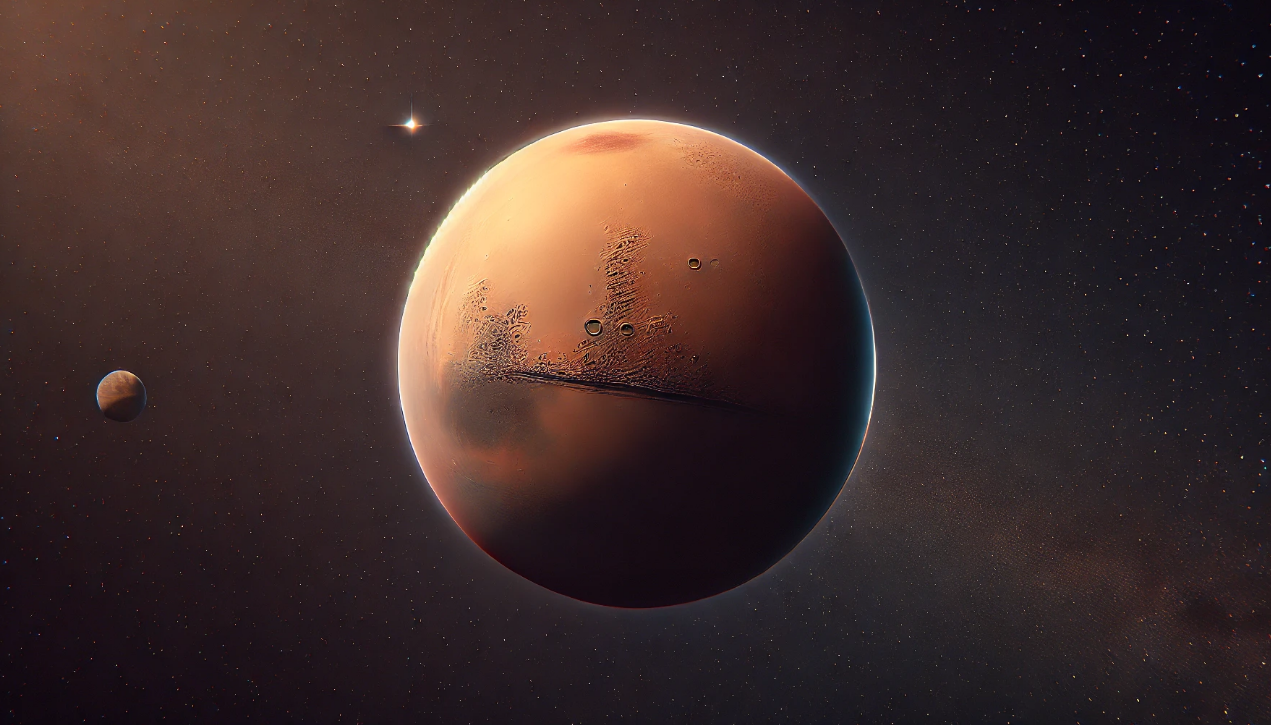
Evidences at the Bottom of the Ocean Driven by Mars’ Gravity.
A study led by Adriana Dutkiewicz and Dietmar Müller from the University of Sydney used satellite data to map ocean sediments over millions of years.
The records show gaps during astronomical cycles, diminishing the possibility that stronger currents may have swept away sediments during periods of climate warming driven by Mars’ gravity.
While fascinating, the authors caution that this natural process is not related to current global warming, which is caused by human activities such as greenhouse gas emissions.
Impacts on Ocean Circulation
The findings suggest that Mars’ gravitational force may help sustain Earth’s deep currents, such as the Atlantic Meridional Overturning Circulation (AMOC). This current, responsible for transporting warm water from the tropics to the Northern Hemisphere, is at risk of slowing down or collapsing due to climate change.
However, the researchers point out that ocean eddies influenced by Mars may play a crucial role in maintaining this system.
According to Dietmar Müller, multiple factors affect ocean circulation, but Mars’ gravity could have a subtle yet significant influence. Warmer oceans during these astronomical cycles could intensify deep circulation, preventing stagnation.
The study offers a novel perspective on how cosmic forces, such as Mars’ gravity, can shape climate and Earth’s oceanic systems over millions of years.
While we still understand little about these mechanisms, the findings emphasize the complexity of the interactions between Earth and the universe that surrounds it.








Agora o ser humano culpa ate marte por causa do clima da terra? ABSURDO a população mundial digo NÓS coloca as irresponsabilidades de nós em outros lugares
Deus abençoa as mentes de boa vontade, homens que vieram para contribuírem para melhoria da vida planetária: Os Cientistas❤️
Não conseguem nem acertar a previsão do tempo, vai saber 2,4 milhões de anos e ****