





 Portuguese
  English
  Spanish
  3 min of reading
  3 comments




Known As the Coal Capital of Brazil, Criciúma (SC) and Surrounding Cities in the Santa Catarina Coal Region Face a Dangerous Legacy: a Subsoil Filled with Abandoned Mines That Threaten the Surface and the Lives of Its Inhabitants.
Criciúma, in Santa Catarina, holds the title of the coal capital of Brazil, a recognition of its long and fundamental history in the extraction of this mineral. However, beneath the urban landscape of this and other cities in the Santa Catarina coal region lies a dangerous labyrinth: vast networks of abandoned coal mine galleries, often unknown or ignored by much of the population living right above.
This underground legacy has generated an urban disaster that has quietly grown, with risks of land subsidence, severe environmental contamination, and direct impacts on the safety and quality of life of residents. Let’s unravel the complex situation of this coal capital of Brazil and its region.
The Santa Catarina Coal Region: Where Coal Extraction Left a Dangerous Underground Legacy Beneath the Coal Capital of Brazil
The Santa Catarina Coal Basin, in the south of the state, concentrated for over a century the majority of coal mineral extraction in Brazil, with the mineral associated with the Rio Bonito Formation. Cities like Criciúma, the self-proclaimed “Brazilian Capital of Coal”, Siderópolis, Urussanga, and Treviso thrived with this activity.
-
While restoring a historic mansion from 1910, a brick structure with an old turbine that generated energy from the Rio do Testo emerged, along with a hidden door and a rare floor concealed under layers of wax.
-
Italian researchers have detected what appears to be a second Sphinx buried under the sands of Egypt, and satellite scans reveal a gigantic underground megastructure hidden beneath the Giza Plateau for over 3,000 years.

-
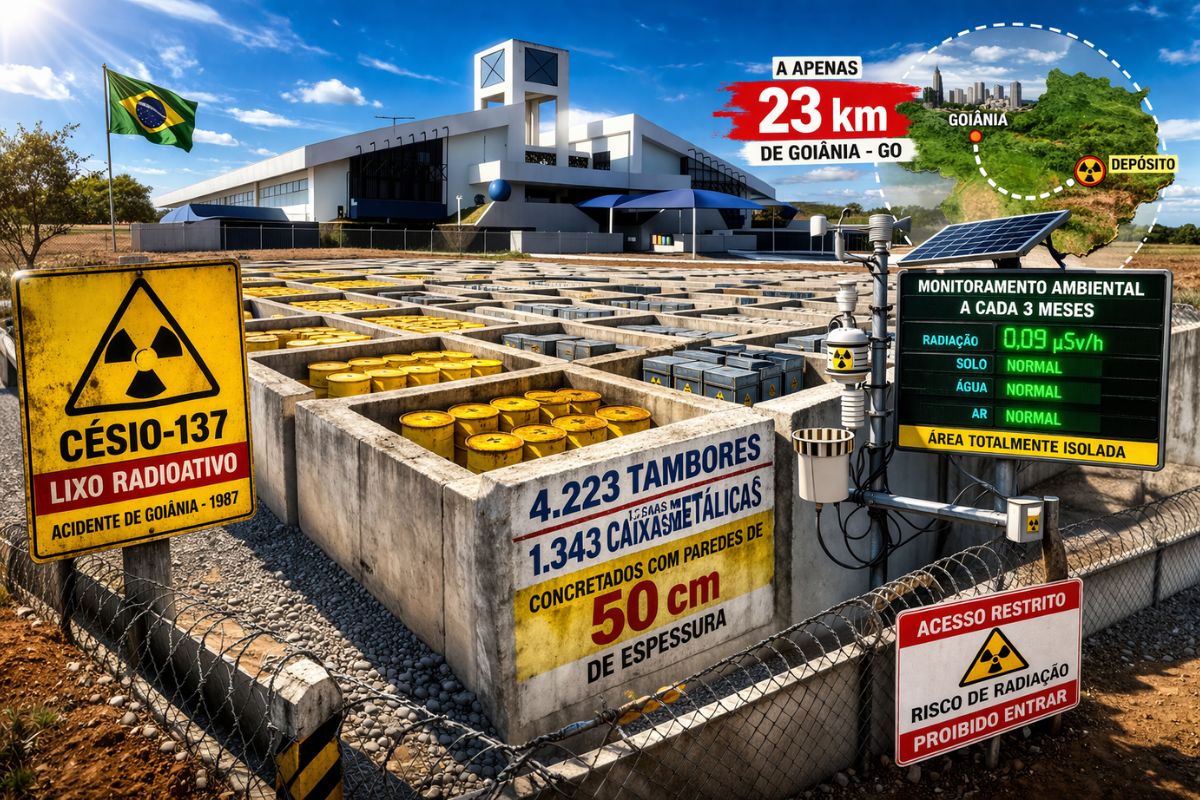
There are 4,223 drums and 1,343 metal boxes concreted with 50-centimeter walls that store the radioactive waste from Cesium-137 in the worst radiological accident in Brazil, just 23 kilometers from Goiânia, with environmental monitoring every three months.
-
Giant Roman treasure found at the bottom of Lake Neuchâtel in Switzerland reveals an advanced trade system, circulation of goods, and armed escort in the Roman Empire about two thousand years ago.

However, urban expansion often occurred chaotically over extensive areas of excavated and then abandoned subsoil. It is estimated that thousands of hectares have been impacted, with a liability that includes hundreds of openings of deactivated underground mines, creating a “sea of mines” beneath these communities.
The Geological and Environmental Risks Haunting the Coal Cities
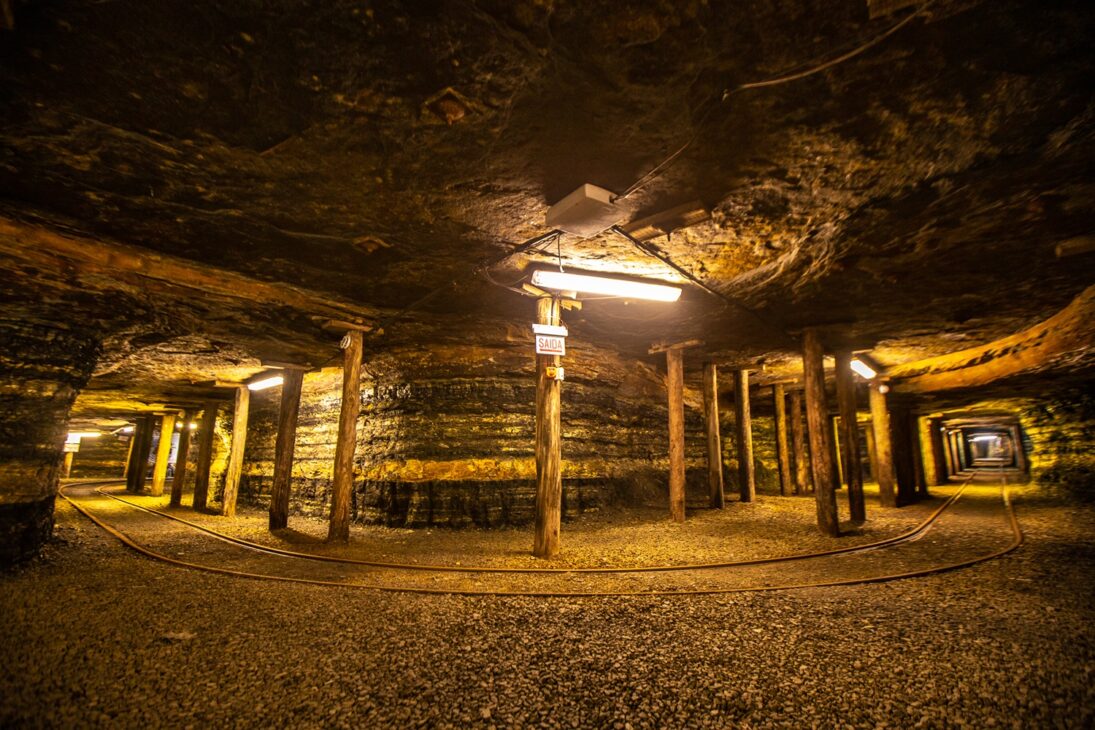
The legacy of coal mining manifests in various risks. The most feared is land subsidence, the sinking or collapse of the surface caused by the collapse of the old mine galleries, excavated using the “room and pillar” method. The historical practice of removing these pillars to maximize extraction has worsened the problem.
Another serious issue is Acid Mine Drainage (AMD). The coal from Santa Catarina has a high content of pyrite, which, when exposed to air and water in the mines and tailings, oxidizes and produces sulfuric acid, contaminating rivers in the Araranguá, Tubarão, and Urussanga basins with heavy metals. There is also the emission of gases such as methane from the galleries and toxic gases from spontaneous combustion of tailings.
The Socioeconomic Consequences of the Mining Liability in the Coal Capital of Brazil and Surrounding Area
The socioeconomic impacts are profound. Subsidence causes damages and collapses in homes, schools, hospitals, and infrastructures, such as streets and sanitation networks. The mere presence of risk leads to property devaluation and asset insecurity.
Contamination from AMD exposes the population to public health risks, through the consumption of contaminated water or food, and air pollution exacerbates respiratory diseases. Additionally, the situation generates social conflicts and lengthy legal disputes for damage compensation, such as the complex Civil Action of Coal.
What Is Being Done in the Coal Capital of Brazil and Region?
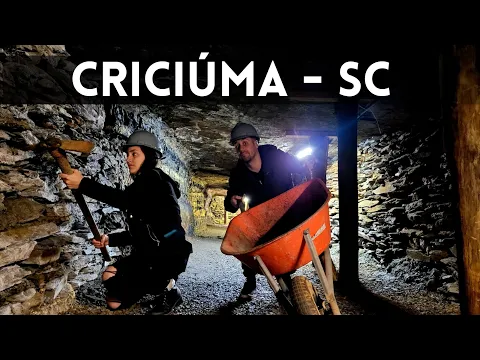

Agencies such as the Geological Service of Brazil (SGB/CPRM) and the National Mining Agency (ANM) are conducting an inventory of degraded and hazardous areas in the coal capital of Brazil and neighboring municipalities. Programs for the Recovery of Degraded Areas (PRADs) are being implemented, primarily by the Union for “orphaned” areas (of defunct companies).
However, effectiveness faces challenges such as high costs, budget discontinuity, and the technical complexity of containing AMD in the long term and stabilizing water pH. Defining responsibilities for recovery and compensation is also a contentious and lengthy process.
If the reader has any constructive comments, historical photos of the coal mines, or even of the city of Criciúma and its region, they can contribute in the comments.






É importante mencionar que não são todos os lugares da cidade que têm essas galerias de minas no subsolo. A região central é uma que não tem esse risco, não tem áreas mineradas mapeadas.
Importante sim, vou deixar seu comentário fixado
Assim como a retirada de Sal Gema de no Nordeste, a retirada subterrânea de carvao em Criciúma tem potencial de grande impacto, mas é necessário delimitar a área diretamente afetada para não causar alarmismos que venham a prejudicar a região como um todo, como foi negativamente explorado pela mídia quando da queda de um prédio em Gramado. O problema existe e deve ser bem definido onde está. Isto é responsabilidade com o trato da informação.