





 Portuguese
  English
  Spanish
 6 min of reading
  3 comments


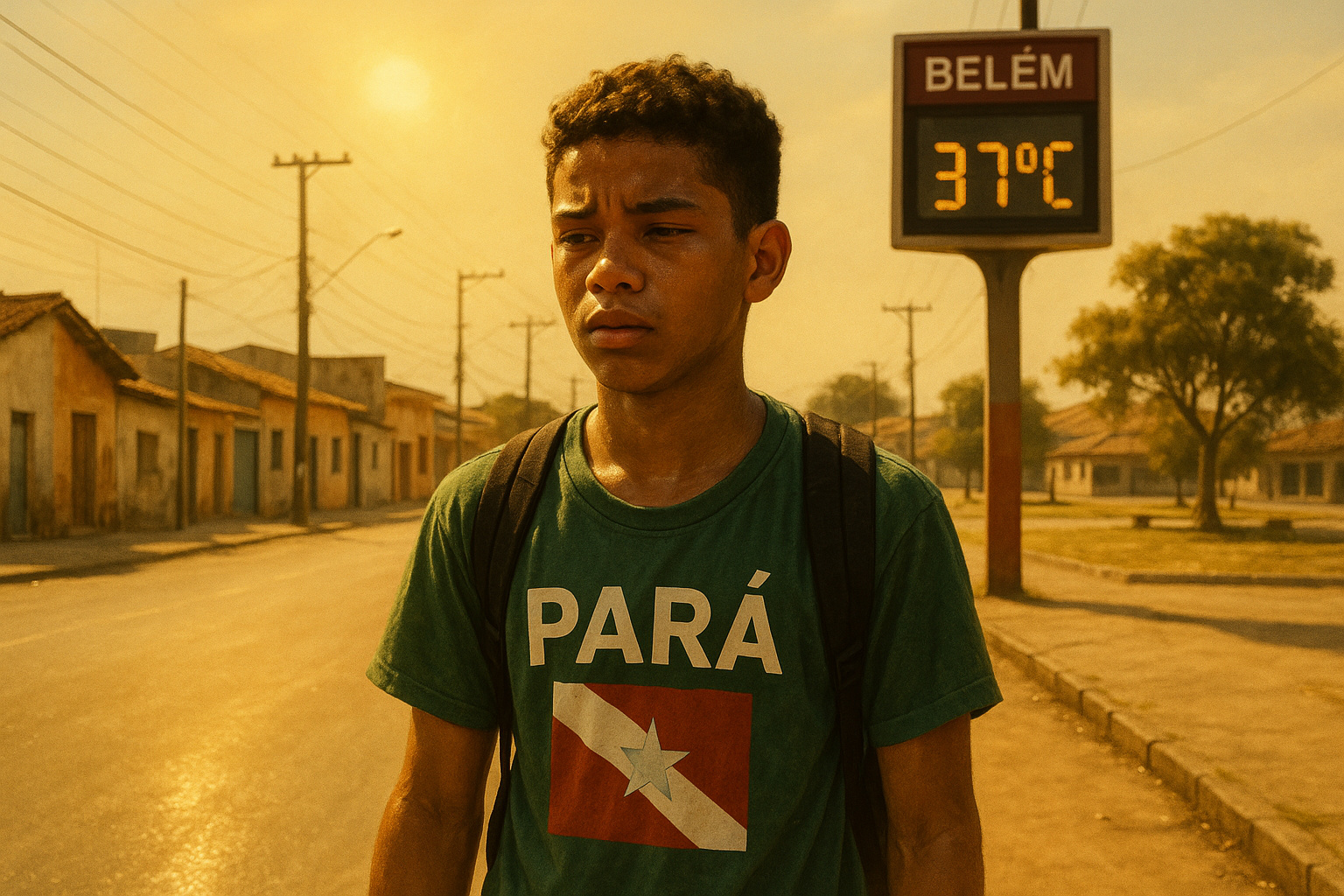


In the Capital of Pará, Where the Forest Gave Way to Asphalt, the Heat Already Exceeds 37 °C and Hits Neighborhoods Without Trees. Young People Report How the Climate Changed Their Routines, Affecting Health, Education, and the Future of the Amazon
The sun of Belém, which was once a symbol of Amazonian life, has now become synonymous with suffering for those living in the hottest neighborhoods of the capital. Under temperatures of up to 37.3 °C, the capital of Pará leads the ranking of cities with the most days of extreme heat in Brazil. According to Cemaden (National Center for Monitoring and Alerts of Natural Disasters), there were 212 days of record heat in 2024 — a staggering number for those facing daily life in the sunless streets.
Among the affected residents is João Victor da Silva, known as “João do Clima”, a 16-year-old who has become a symbol of the fight against the climate crisis in Belém. His story begins with the loss of his mother, Lene, a victim of skin cancer after years of working under the city’s scorching sun.
“I say she passed away due to social inequalities and climate change,” João says.
From this pain, he transformed his grief into activism, becoming a constant presence in environmental debates and even at the COP30, which took place in the capital of Pará.
-
A Mercado Livre customer opened their package and found 32 resumes of people looking for jobs crumpled as protective paper inside the box, exposing names, addresses, documents, and phone numbers of dozens of candidates.

-
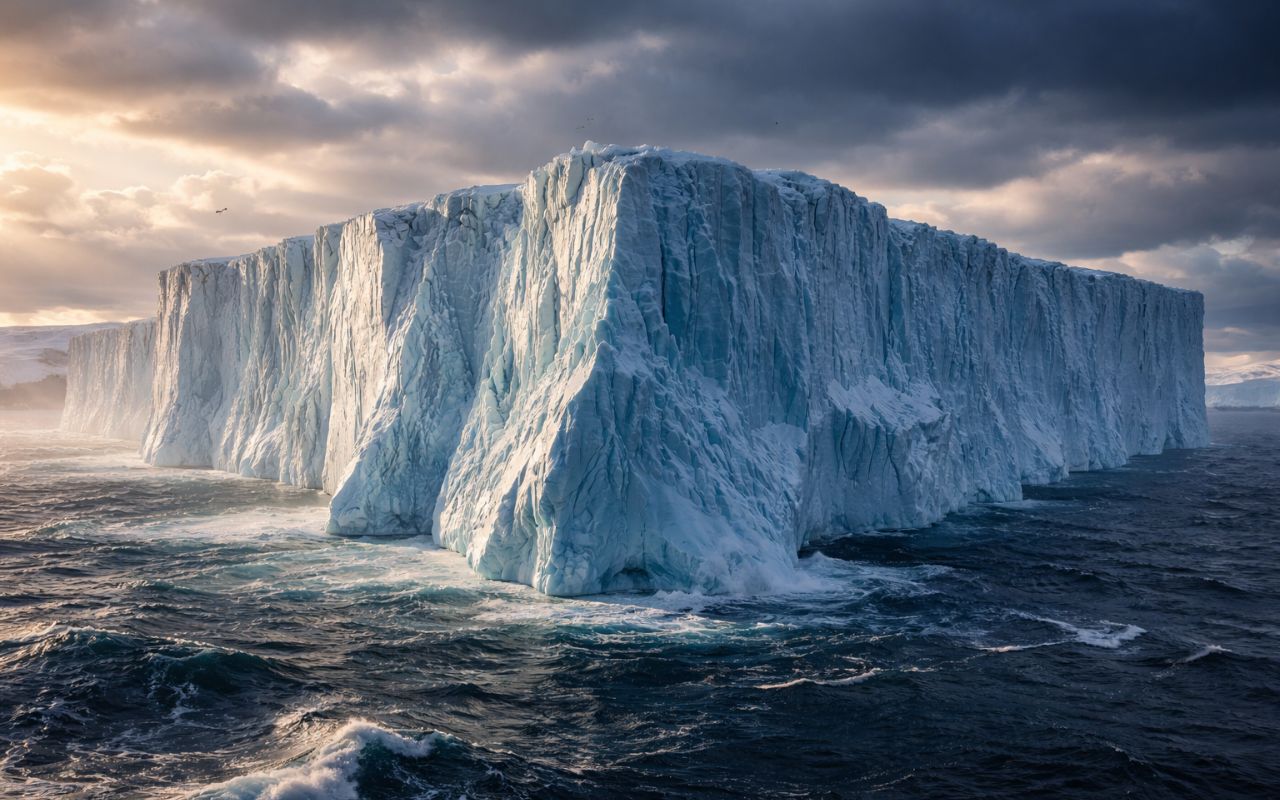
Iceberg A23a, one of the largest in the world, is undergoing accelerated collapse and may disappear: what explains the end of the ice giant?
-
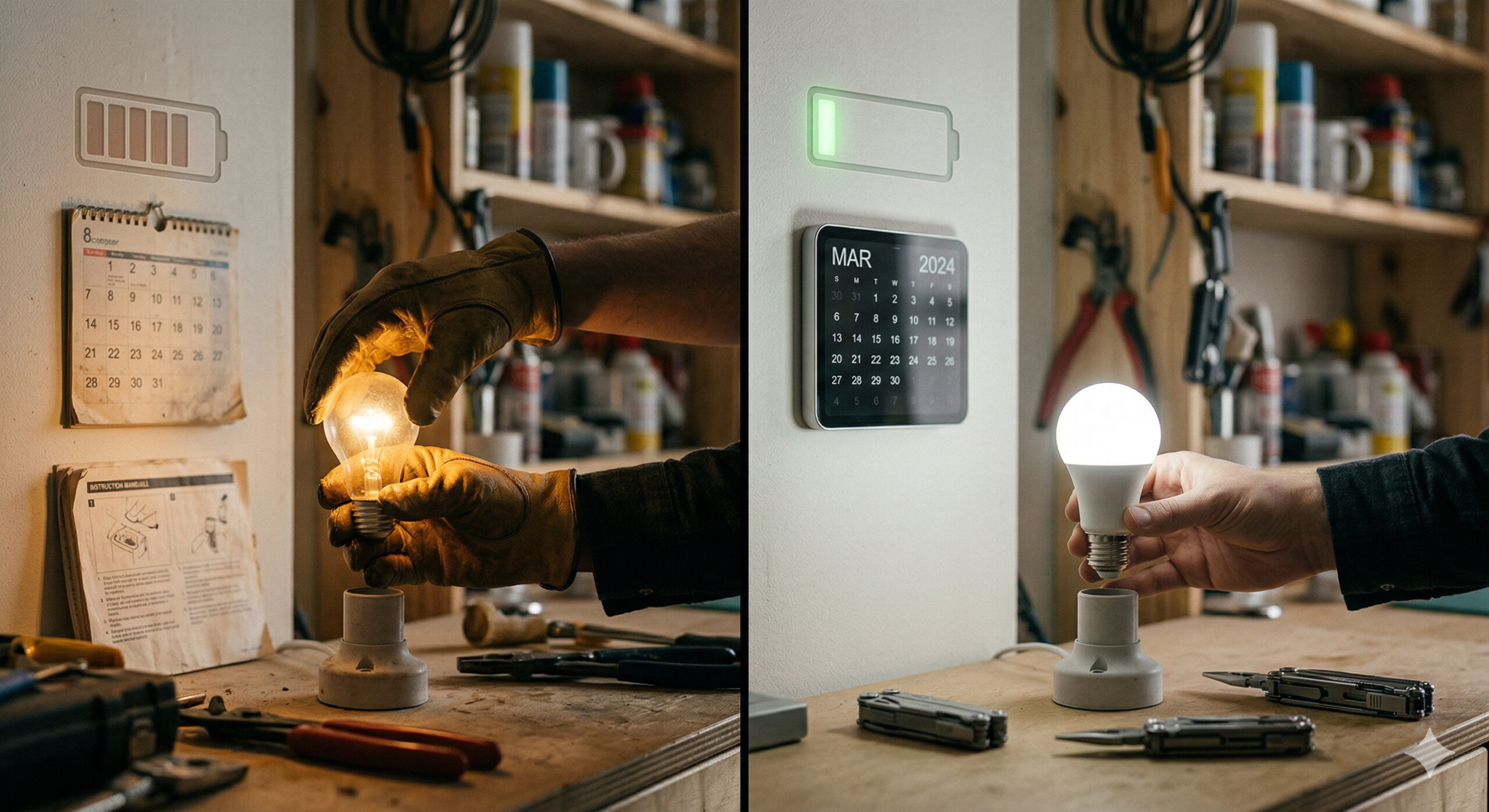
The simplest swap at home can reduce energy consumption by up to 90% without changing habits, using a technology that lasts up to 25 times longer and consumes only a fraction of the electricity.
-
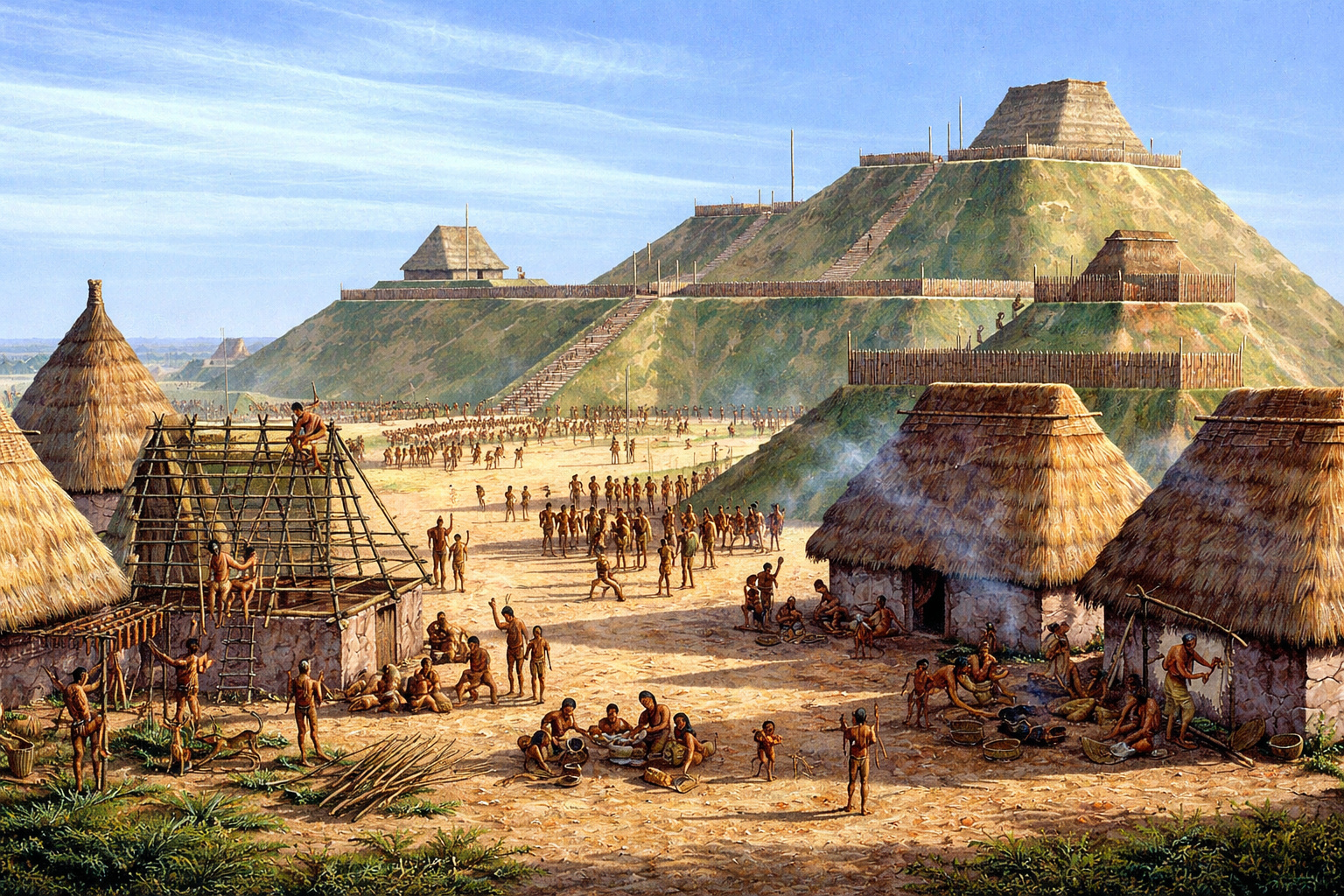
With over 14 million baskets of earth moved, an ancient North American metropolis built a monumental pyramid of 30 meters and established a city with 20,000 inhabitants nearly a thousand years ago.

The Portrait of Climate Inequality
In Belém, the contrast between rich areas and the peripheries is visible at every corner. According to the 2022 IBGE Census, the city is the sixth capital in the country with the most people living in streets without any trees. While the central neighborhoods showcase hose tunnels and shaded sidewalks, in the poorer communities, the asphalt reflects heat, making life unbearable.
In the Jurunas neighborhood, 15-year-old teenager Ronald Monteiro feels the direct impact. He works with his father in the açaí trade, but the heat that starts around 11:30 AM feels “like a machine to beat açaí,” he describes.
“It’s unbearable heat; I can’t sleep, the heat really degrades you,” says the young man, who even lost the habit of taking afternoon naps.
The data confirms what Ronald feels. UFPA (Federal University of Pará), in partnership with Inmet (National Institute of Meteorology), identified that Belém recorded 164 days above 35.5 °C this decade — more than in the last 60 years combined.
“The heat increased drastically because the vegetation cover was destroyed,” explains meteorologist Everaldo de Souza from UFPA.
Between 1985 and 2023, Belém lost about 20% of its forest area, which reduced humidity, raised temperatures, and increased thermal discomfort. “An intact forest maintains balance and comfort, but when you alter that, the first impact is on the climate,” Souza states.
The Youth That Lost the Right to Shade
João do Clima not only understands this transformation — he lives it. In the São João do Outeiro neighborhood, the young man noticed that even the type of street influences the heat.
“We noticed that on dirt roads, it’s cooler because the earth cools the environment,” he explains.
Unsettled by the trash and degradation around his home, João organized cleanup efforts, protests, and tree planting, transforming an old dumping area into a green square with toys and a clean spring.
The space became a meeting point for young people seeking a refreshing bath after the intense heat.
It was this experience that led João to become a voice of the Amazonian youth. “We are in the same storm, but in different boats. Some are in yachts, others in small boats, and some without any boat at all,” he says, comparing the inequality between students in air-conditioned schools and those facing stuffy classrooms without ventilation.
Souza reinforces: “Children and adolescents are the most affected by extreme heat. Classes and sports activities take place precisely during the hottest hours of the day.”
When Heat Affects Even the Flavor of Açaí
The impact of heat in Belém goes beyond thermal discomfort: it already threatens the most beloved symbol of Pará’s cuisine — açaí.
Ronald, the young man from the Jurunas neighborhood, knows the process from the beginning: he travels during vacations to climb açaí trees, harvest the fruits, and help his father extract the pulp. However, he notices that the palm tree is weaker and the bunch is smaller.
“Açaí now comes drier and with hard seeds,” he laments.
The “açaí crisis” of 2025 worsened the economic situation for thousands of families. According to Dieese/Pará, the liters of average pulp increased from R$ 18.40 to R$ 28 in a year — the largest price jump in the recent history of the capital.
With the increase, residents started to dilute açaí with water to extend it. Researchers say the problem has multiple causes: global warming, changes in rainfall patterns, and the increasing export of the fruit abroad, reducing local supply.
Professor Everaldo de Souza explains that, although it rains more in Belém, the rains are concentrated in short periods, which hampers the flowering of açaí trees.
“It’s raining more, but at the wrong time. This disrupts the fruit’s cycle,” he summarizes.
This transformation directly affects the livelihoods of families who depend on the fruit and also the food culture of the Amazon region, as açaí is a daily presence in Pará homes.
Sleeping Has Become a Luxury on Pará Nights
Without trees, without shade, and with asphalt radiating heat even after sunset, life in the peripheral neighborhoods of Belém has become a physical challenge. Ronald says that, because of the heat, he can’t even take a nap anymore.
“I even take a shower and try to rest, but it doesn’t work. My body feels weak and tired,” he reports.
The interrupted sleep and constant fatigue compromise performance in daily activities. Meteorologist Everaldo de Souza warns that this thermal deprivation affects the body at levels still little studied.
“During deep sleep, the body needs to cool down. In very hot environments, that doesn’t happen, and the organism accumulates stress,” he explains. “Many poor nights’ sleep have a direct impact on health and learning.”
Meanwhile, just a few kilometers away, international delegates of COP30 were discussing climate policies in the City Park, in air-conditioned and tree-lined areas — a glaring contrast for Ronald, who lives in Jurunas.
“They say we are the future of Brazil, but the future is suffering right now,” he laments. “I hope they listen to us.”
The Uncertain Future of the Hottest City in the Amazon
Belém is now the portrait of a climate-collapsing Amazon metropolis: it has lost 20% of its urban forest, faces irregular rains, and lives under heat that lasts 212 days a year.
For João and Ronald, the challenge is to keep resisting — and being heard.
“I wanted to be more of a teenager and less of an activist, but I can’t,” João says. “If we don’t act now, the future simply won’t exist.”
According to a report published by BBC News Brasil, experts warn that Belém’s current urban model will not be sustainable without urban reforestation, environmental education, and eco-friendly paving.
The concrete, trash, and heat paint a city that cries out for shade — and for hope.





Belém ,local da COP 30, foi escolhida a dedo, mas , infelizmente, acabando a festança voltará a ser o mesmo Pará, com as mesmas dificuldades climáticas e as crianças continuarão estudando em salas de aulas abafadas depois de caminharem sob sol escaldante e muitos até mal alimentados . Dificilmente e o povo paraense sabe ou imagina, que nada vai melhorar para eles e com certeza devem saber que serão lembrados outra vez apenas no ano que vem, na época da campanha eleitoral….Uma lástima, uma imensa lástima, mas isso é o Brasil !😭
Será que aquele cidadão alemão também não sabe isso?
A capital mais quente do Brasil e Cuiabá
Isso porque você não conhece Teresina