





 Portuguese
  English
  Spanish
  3 min of reading
  0 comments


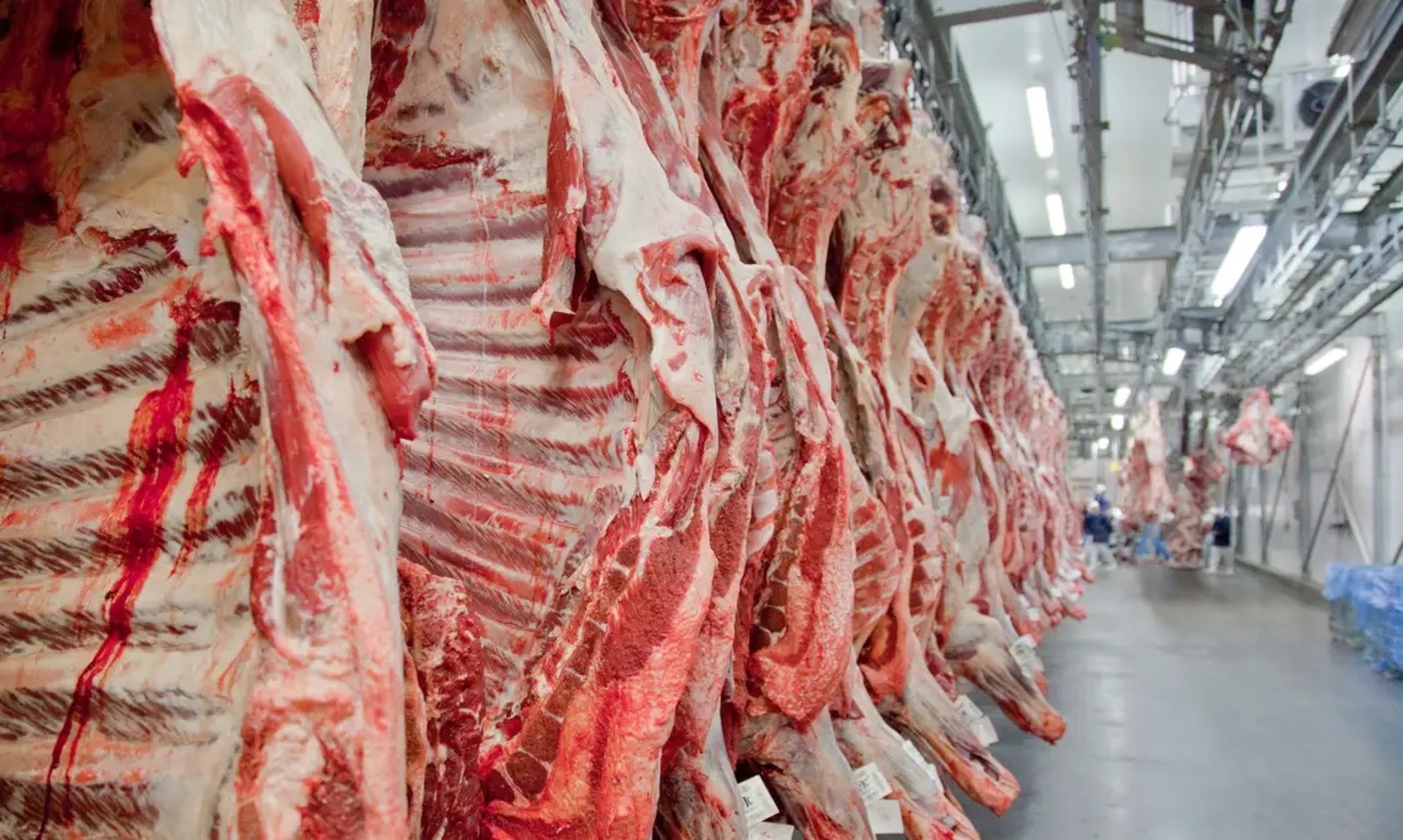
Minerva Invests in Artificial Intelligence, Integration of New Plants, and Expansion in Mexico to Grow Amid Global Meat Deficit
The United States is experiencing its smallest cattle herd in seventy years, which is already putting pressure on both the domestic market and the flow of exports to strategic partners like Mexico. Europe and China are going through a similar moment: a decline in local meat production, accompanied by rising demand for imports.
This imbalance creates an estimated global deficit of up to 2 million tons of meat next year.
For Minerva, this scenario presents a unique opportunity, as South America stands out as the only region capable of rapidly increasing production and exports.
-
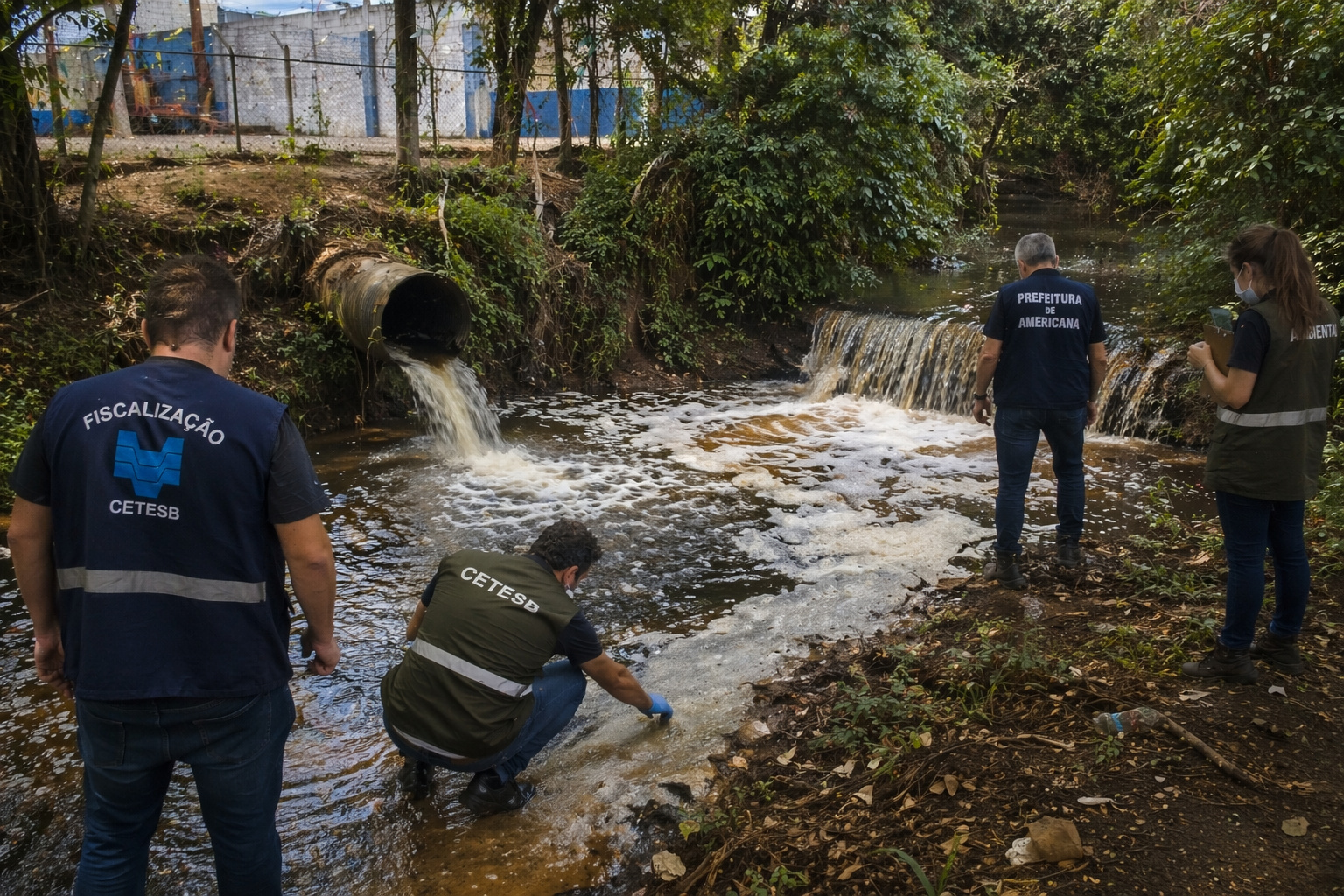
A fine of R$ 115 thousand puts Goodyear at the center of an environmental case in Americana after oil and grease appeared in a stream and the company was forced to act quickly.
-
Lack of workers and an aging population: Japan bets on AI robots in factories, logistics, and infrastructure to keep the economy and essential services active.

-
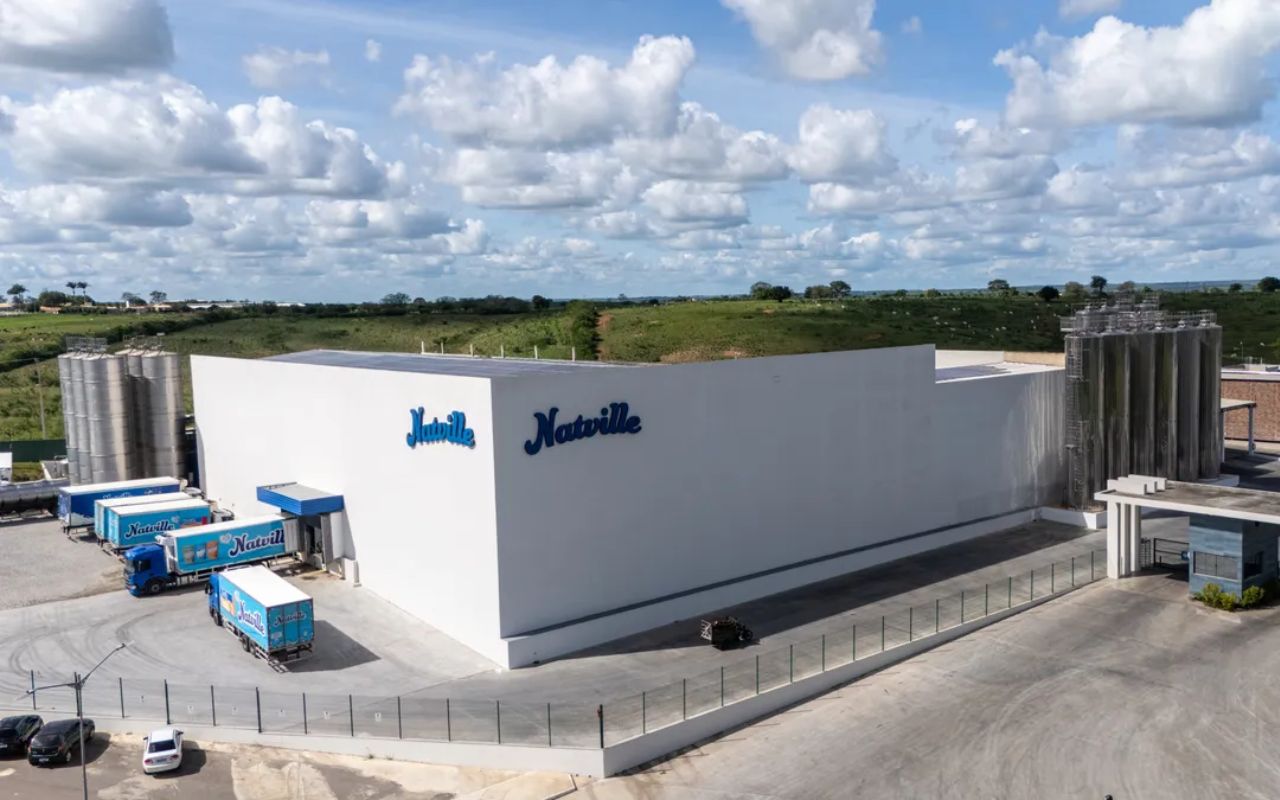
Natville puts R$ 700 million on the table for new factories in the Northeast, generating jobs and boosting the local economy.
-
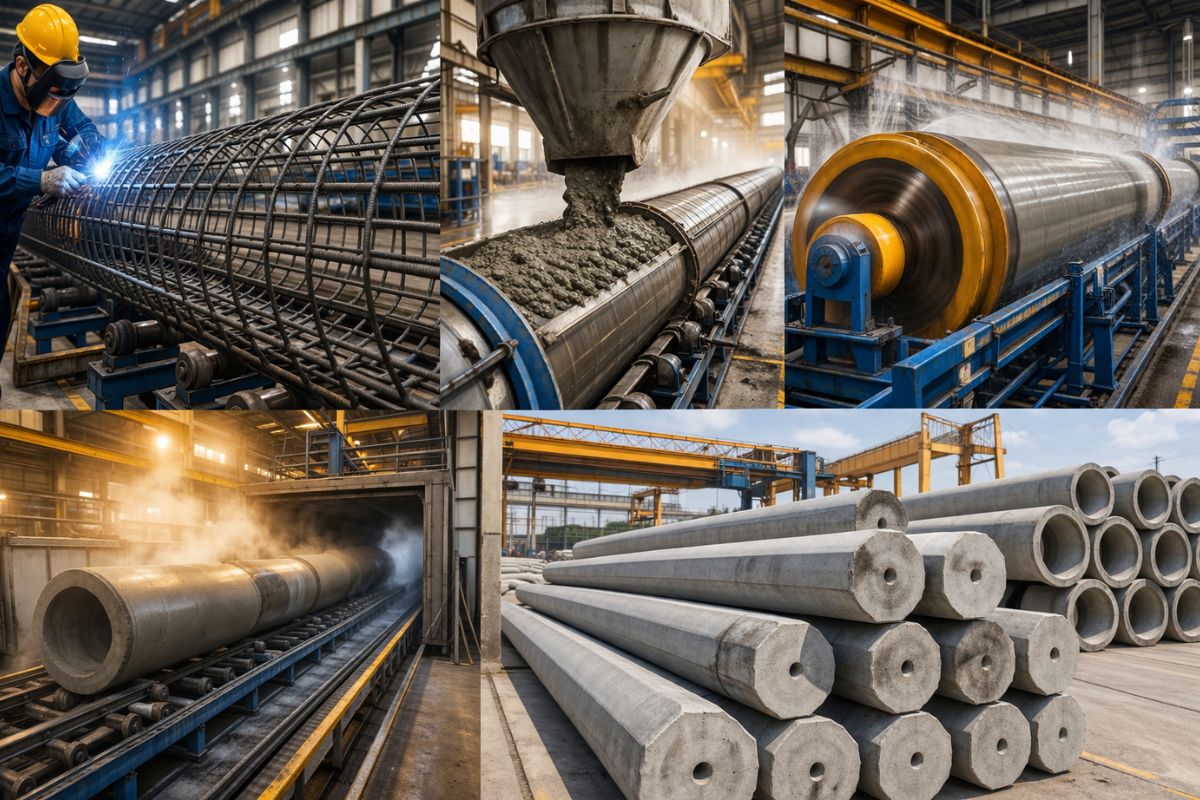
With 74% of companies facing difficulties in hiring, technicians and engineers in renewable energy are becoming scarce in Brazil and are essential to support the expansion of solar, wind, and green hydrogen projects.

According to Edison Ticle, the company’s CFO, the turnaround of the American cattle cycle is not expected until 2028. Therefore, until then, South American countries and Minerva will have at least two particularly favorable years.
Investor Day Strengthens Strategy
This is the message that Minerva, under the leadership of Fernando Queiroz, conveys during the Investor Day held in São Paulo.
The meeting takes place at a time of realignment in the global protein market, opening the door for bold moves by the company.
One of the highlights of the event is the strengthening of its presence in Mexico. The country has seen its meat imports grow because the trade war initiated by Donald Trump reduced supply from the United States.
In this interval, the share of Brazilian meat in the Mexican market jumped from 3% to 38%.
Mexico On The Radar
According to Ticle, Mexico could account for up to 15% of Minerva’s total exports in the coming years. Currently, the share is still less than 2%, but there is ample room for growth.
To consolidate this advance, the company is counting on the completion of the integration of the units acquired from Marfrig.
The CFO confirmed that the fourth quarter will be the first in which these plants will operate fully within the Minerva system.
With this process completed, the company estimates it can increase its production by 10% as early as 2026. “We completed the integration in just three quarters – one quarter faster than the initial plan,” Ticle noted.
Meat Production and Technology
Even with a higher retention of heifers, a typical movement of the cattle cycle shift, Minerva’s production exceeded expectations.
Two factors explain the performance: genetic improvement, which increased fertility rates, and the growing use of DDG, a byproduct of corn ethanol.
This feed has accelerated weight gain in the animals and reduced time to slaughter.
Additionally, the company is betting on artificial intelligence to expand productivity. According to the CFO, the application of technology will allow for recurring gains of approximately R$ 288 million per year starting in 2026.
Among the areas already benefiting are logistics, cattle arbitrage, budgeting, and pricing. However, the highlight is the use of AI to classify carcasses and create disassembly matrices for cattle, which reduces losses and improves margins.
Guidance and Numbers
Minerva also released its revenue guidance for this year, projected between R$ 50 billion and R$ 58 billion.
By the second quarter, the company had already accumulated an annualized revenue of R$ 55.7 billion, indicating a result close to the estimated ceiling.
While it did not detail other lines, market consensus points to an EBITDA between R$ 4.7 billion and R$ 5.2 billion, with leverage ranging between 2.5x and 2.8x during the period.
Part of this additional gain, according to Ticle, will be driven by the advancement of artificial intelligence initiatives and the more efficient operation of the integrated units.
Market Value On The Rise
Investors are closely monitoring this movement. Over the last twelve months, Minerva’s stock has risen by 17%. On the B3, the company has already reached a market value of R$ 6.5 billion.
With a horizon marked by global meat scarcity and the competitive advantage of South America, the company seeks to capture space in strategic markets and establish itself as one of the protagonists in the sector in the coming years.
With information from Brazil Journal.







-

Uma pessoa reagiu a isso.