





 Portuguese
  English
  Spanish
  5 min of reading
  1 comment


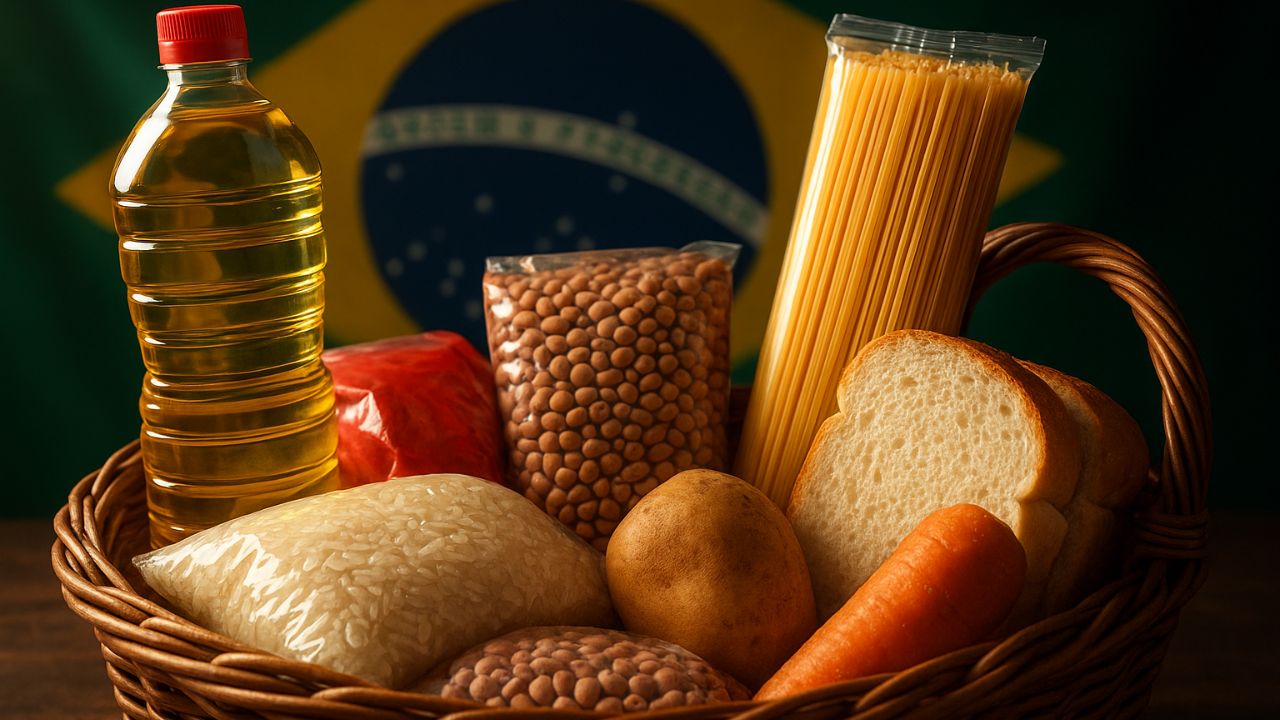


Study Reveals That Tax Burden on Basic Food Basket Exceeds 20% in Some States, with Taxes Embedded in Production and Logistics Being the Major Villains of the Final Price.
Despite the exemption of some federal taxes creating a perception of tax relief, the basic food basket in Brazil carries a hidden tax burden that, in many cases, represents more than 20% of the final price paid by the consumer. The complexity of the system, marked by state autonomy in collecting ICMS and a cascade of “invisible” taxes, silently burdens the budgets of families, especially those with low income.
This reality, detailed in a study by the Institute for Retail Development (IDV) in partnership with the Brazilian Institute of Planning and Taxation (IBPT), exposes how taxes on fuel, electricity, agricultural inputs, and packaging accumulate at each stage of the production chain. The result is a shelf price that embeds a fiscal burden far greater than imagined, transforming the act of buying essential foods into a constant financial challenge.
The Illusion of Zero Tax: What They Don’t Tell You About Federal Taxes
The exemption of federal taxes such as PIS/COFINS on various items in the basic food basket, implemented to contain inflation, works more as a partial solution than as effective relief. The policy creates what experts call “the illusion of zero tax”, as the de-taxation at the end does not eliminate the tax burden at earlier production stages, which ultimately becomes a cost passed on to the consumer indirectly.
-
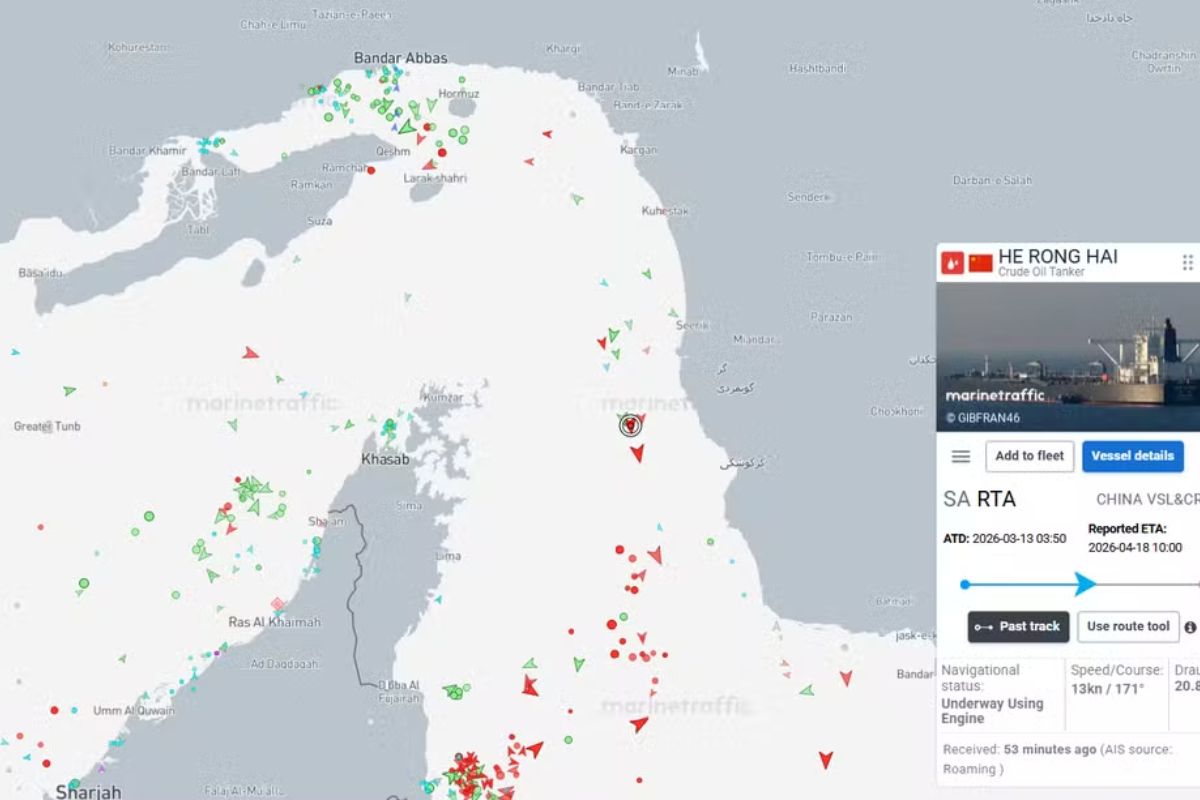
Two Chinese supertankers chartered by Asia’s largest refiner have just crossed the Strait of Hormuz and may be the first to leave the Persian Gulf since the ceasefire between the United States and Iran on a route that still has mines and uncertainties.
-
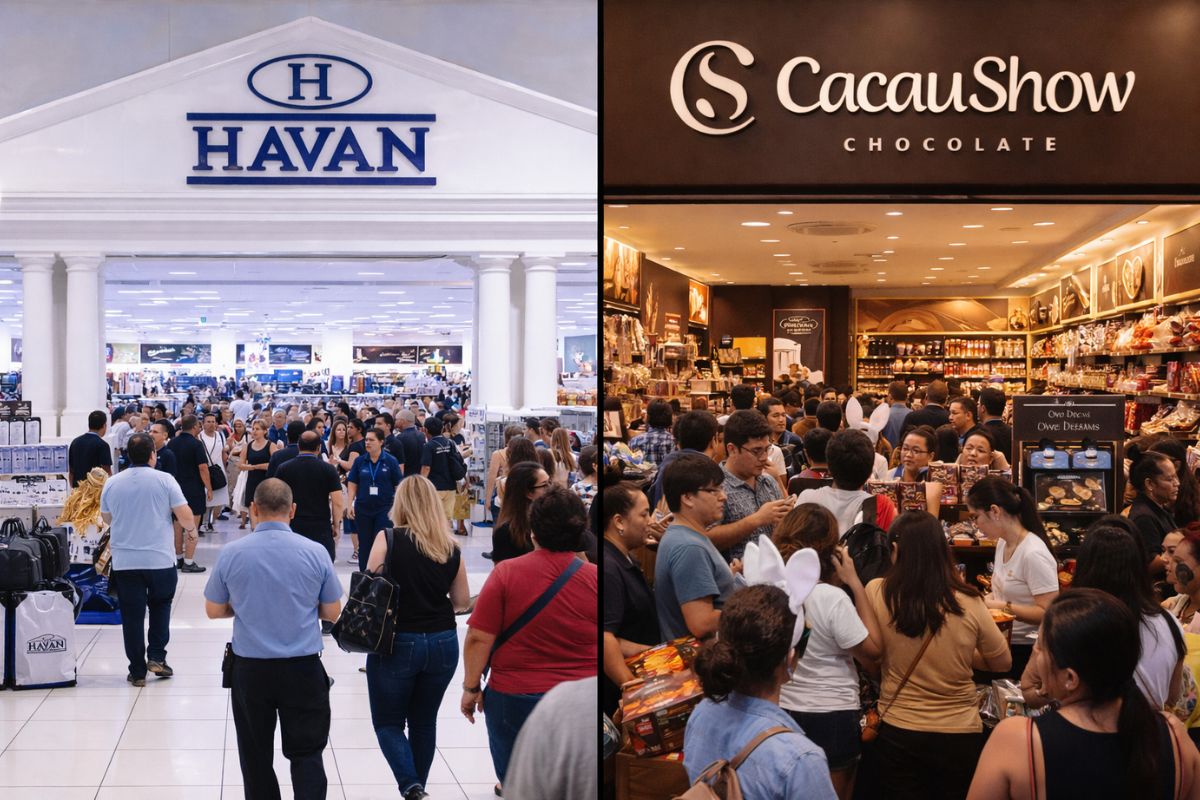
While Havan earns R$ 50 million per day throughout the year, Cacau Show managed six times more in just 24 hours, totaling half a billion reais in two days of Easter.
-
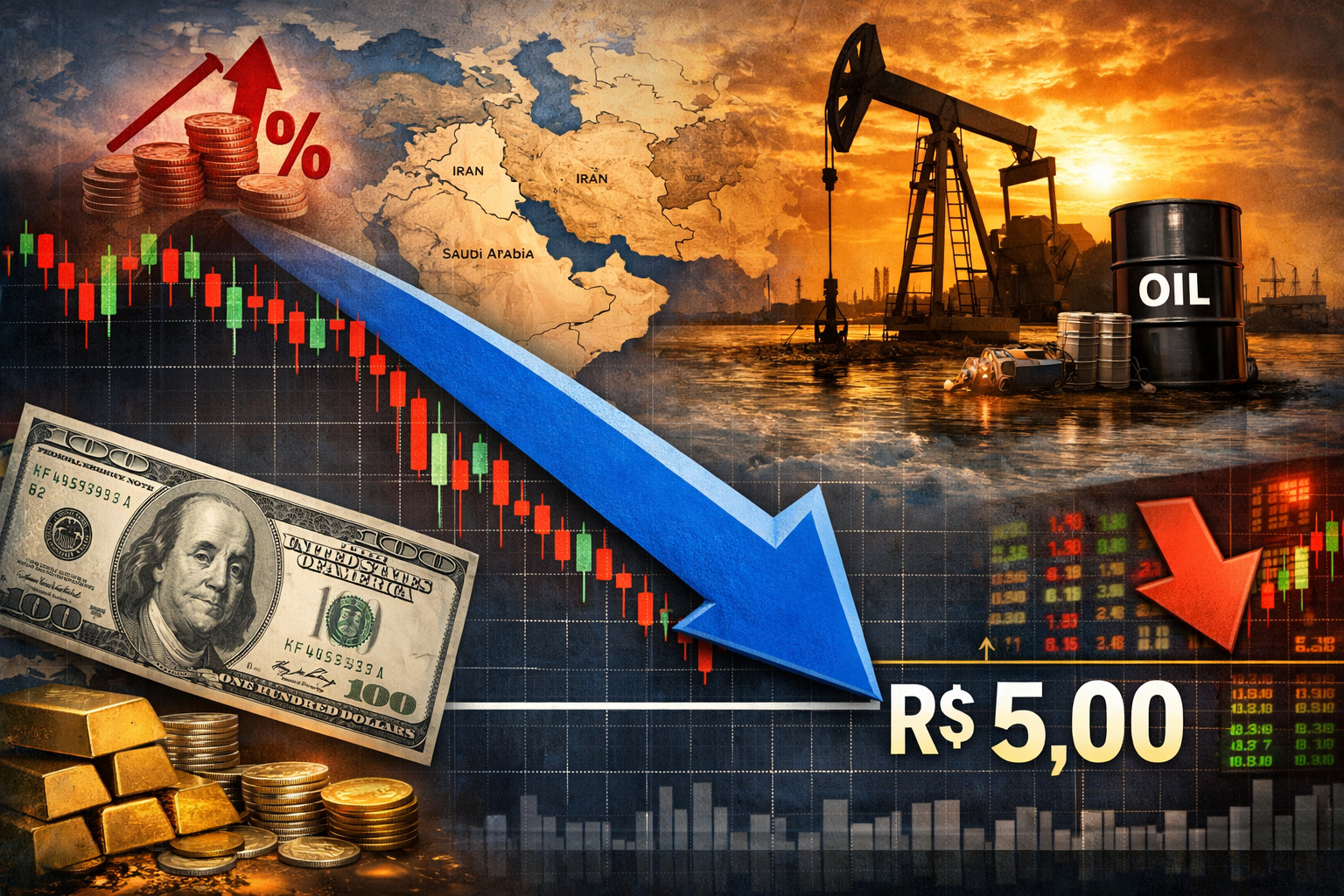
Weak dollar or strong real? The American currency plummets for the third day, approaching R$ 5 and surprising the market with global inflation and tensions in the Middle East that continue to create global uncertainty.
-
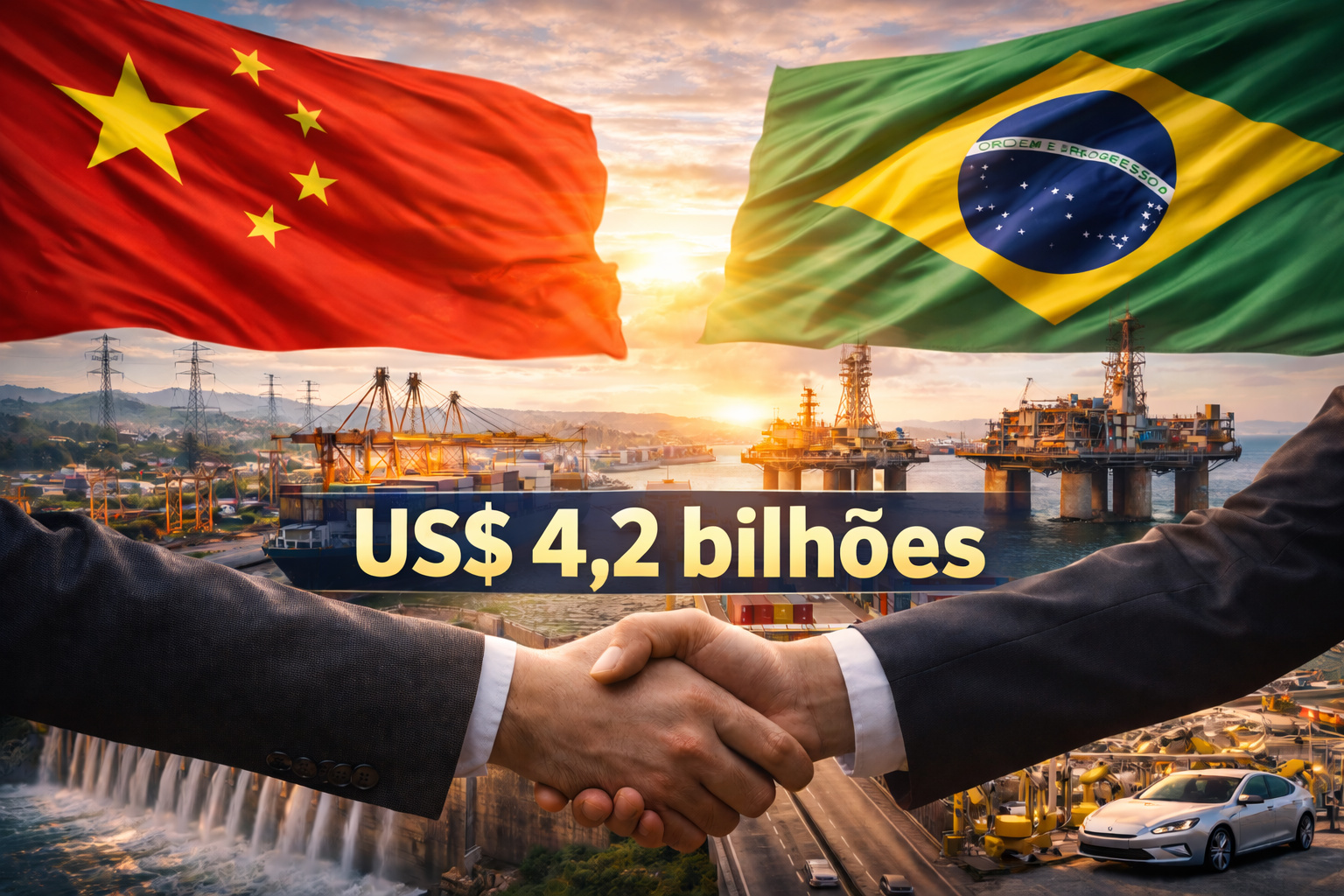
China’s investments in Brazil in factories, energy, oil, electric cars, and new industrial projects double to $4.2 billion, making the country the 3rd largest global destination for Chinese capital.
Publications by the Institute of Applied Economic Research (IPEA) demonstrate the social inefficiency of this approach. The broad and non-targeted nature of the tax benefit ends up disproportionately favoring families with higher purchasing power, who consume a larger absolute volume of products. According to IPEA, this characteristic makes the policy regressive, as the value the government forgoes benefits less those who need it most, justifying a transition to more focused models, such as tax refunds (cashback).
ICMS: The Tax Mosaic That Changes Prices from State to State
The Tax on Circulation of Goods and Services (ICMS) is the main villain of complexity and tax inequality regarding the basic food basket. Since the authority is state-based, each unit of federation defines its own product list and respective rates, creating a true “patchwork” fiscal. This autonomy, which should address regional realities, often results in serious distortions, with the inclusion of ultra-processed products like sausages and instant noodles in lists of essential items, receiving undue tax benefits.
The absence of a national standard, whose composition and cost are traditionally monitored by the National Research of the Basic Food Basket by DIEESE, fosters a harmful “fiscal war”. Companies face a logistical and compliance nightmare to adapt to 27 different legislations, an operational cost that is inevitably passed on to the final price. An item may have a 7% rate in one state and be exempt in another, distorting competitiveness and the efficiency of the national food market.
The Hidden Burden: The ‘Invisible’ Taxes from Farm to Shelf
The real fiscal weight on the basic food basket lies in taxes that the consumer does not see. The previously mentioned study by the IDV in partnership with IBPT was crucial in quantifying this hidden burden. The analysis mapped the entire value chain and demonstrated that the burden is cumulative: it starts with the ICMS on electricity used for crop irrigation, continues with PIS/COFINS and ICMS on the diesel that fuels trucks, and reaches the taxes on the packaging that protects the food.
This succession of charges creates a cascade effect where taxes are paid on top of taxes. The industry that buys raw materials already pays for a product whose price has been inflated by the taxes of the agricultural and transportation phases. When processing the food, it adds new tax costs (energy, labor, packaging) before selling it to the retailer. In the end, the supermarket applies its margin on a cost that has already absorbed all this accumulated tax burden. It is this sum of “invisible” taxes that raises the final price far beyond the tax highlighted on the invoice.
Tax Reform: The Promise of a New National Basic Food Basket
Approved in 2024, the Tax Reform emerges as an attempt to solve this structural problem. The proposal eliminates five taxes (PIS, COFINS, IPI, ICMS, and ISS) and replaces them with a dual VAT (CBS and IBS). The central point for food is the creation of a Unified National Basic Food Basket with zero rates across the country. The new list, to be defined by complementary law, should prioritize healthy and nutritionally adequate foods, correcting the current distortions.
Despite being promising, the change faces challenges. The main one, pointed out by experts, is ensuring that the tax reductions are fully passed on to the consumer and not absorbed as profit margins by the companies. Additionally, defining the products that will be included in the list will be an intense political battle, as each exemption needs to be compensated by a higher rate on other goods and services. The effectiveness of the reform will therefore depend on the government’s ability to regulate the market and create mechanisms, such as cashback, to directly protect the most vulnerable population.
Believing that simple tax exemptions at the shelf will solve the food price problem is an incomplete view. The true struggle lies in the hidden taxes throughout the production chain.
Do you agree with this change? Do you think it impacts the market? Leave your opinion in the comments; we want to hear from those who live this in practice.









Nossos agradecimentos ao Deputado Nikolas Ferreira que para nos livrar do comunismo. O deputado federal (PL-MG) votou contra a proposta de Reforma Tributária, que incluía a isenção de impostos para 40 alimentos essenciais da cesta básica. A votação ocorreu em julho de 2023, na Câmara dos Deputados, durante a apreciação da PEC 45/2019