





 Portuguese
  English
  Spanish
  4 min of reading
  0 comments


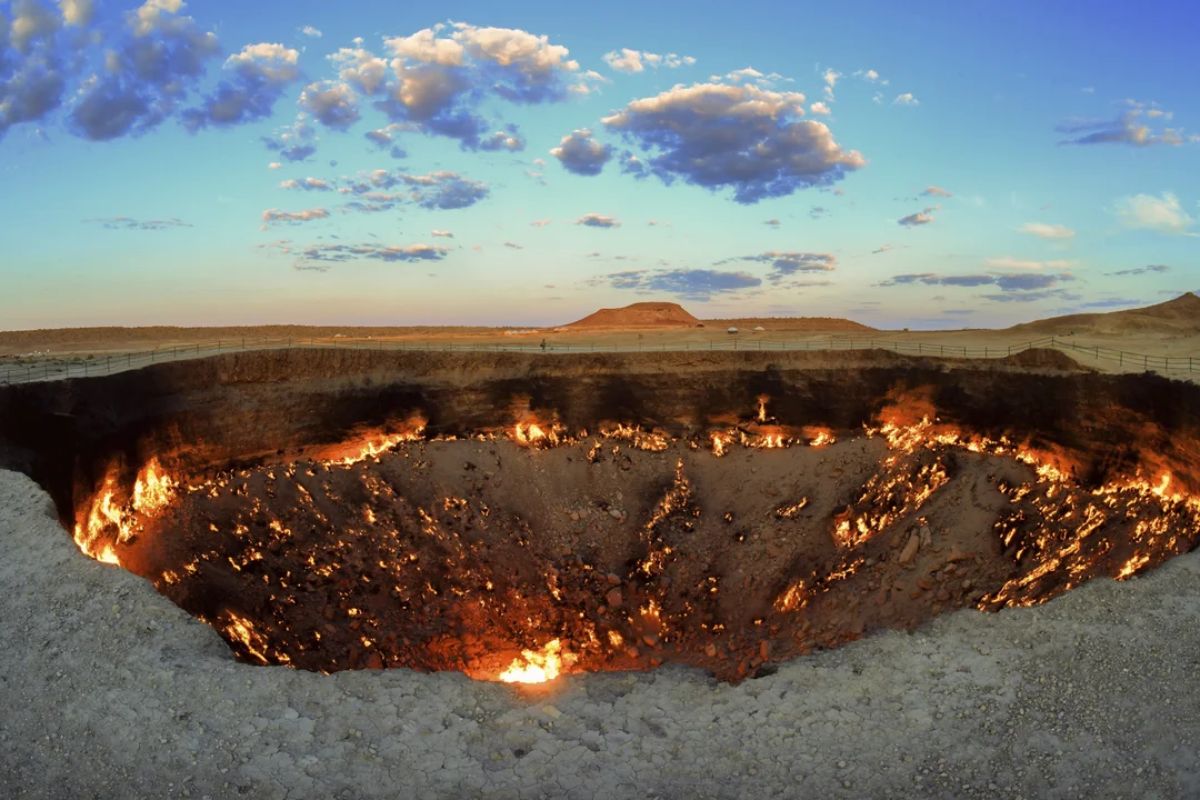
In The Middle Of The Karakum Desert In Turkmenistan, A Soviet Engineering Failure Created One Of The Most Impressive And Frightening Sights On The Planet: The Darvaza Gas Crater, Which Has Burned Continuously For Over Three Decades
Known as the Door To Hell, this immense burning pit has become the main tourist attraction of one of the most closed countries in the world. For decades, the origin of this gas crater was an enigma attributed to a Soviet accident in 1971, but the truth proved to be even more complex, transforming an engineering mistake into a global phenomenon.
Now, the story of this iconic site is undergoing two simultaneous transformations. Science, through satellites, has finally unraveled the mystery of when the fire actually started. At the same time, the Turkmen government, after years of attempts, has implemented an engineering solution to extinguish the flames, signaling the impending end of an era for the accidental wonder that captivated the world.
The Myth Of 1971 Vs. The Truth From Satellites
The most well-known story goes that in 1971, Soviet geologists drilled at the site and hit a gas pocket. The ground collapsed, swallowing the equipment, and to prevent the spread of methane — a greenhouse gas much more potent than CO2 — the engineers made the drastic decision to set it on fire, hoping the flames would extinguish in a few days. They did not.
-
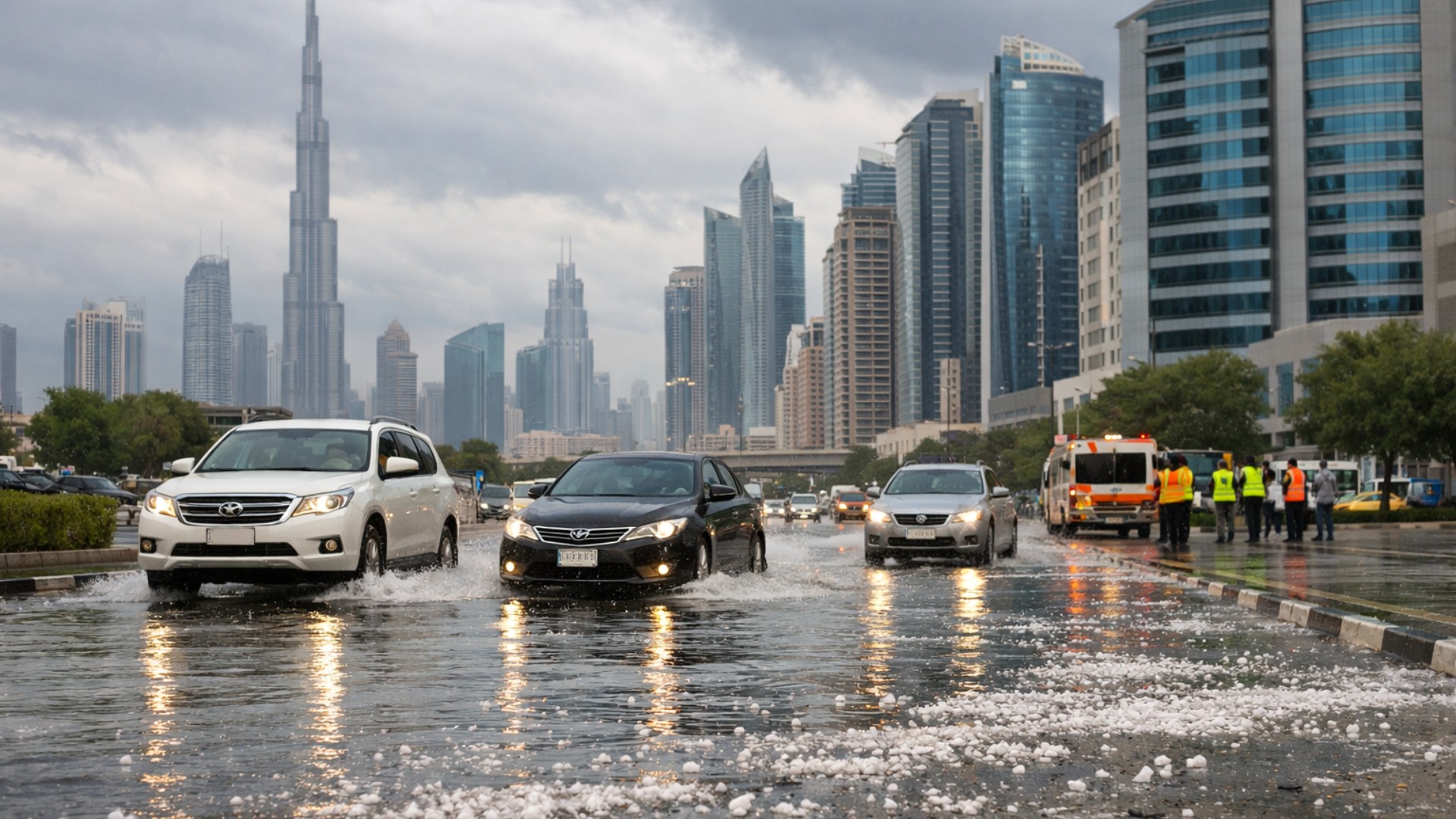
A rare storm transformed part of the Gulf into an unlikely scene of hail, extreme rain, and tornado risk in the middle of the desert, with volumes that exceeded the annual average in a single day.
-
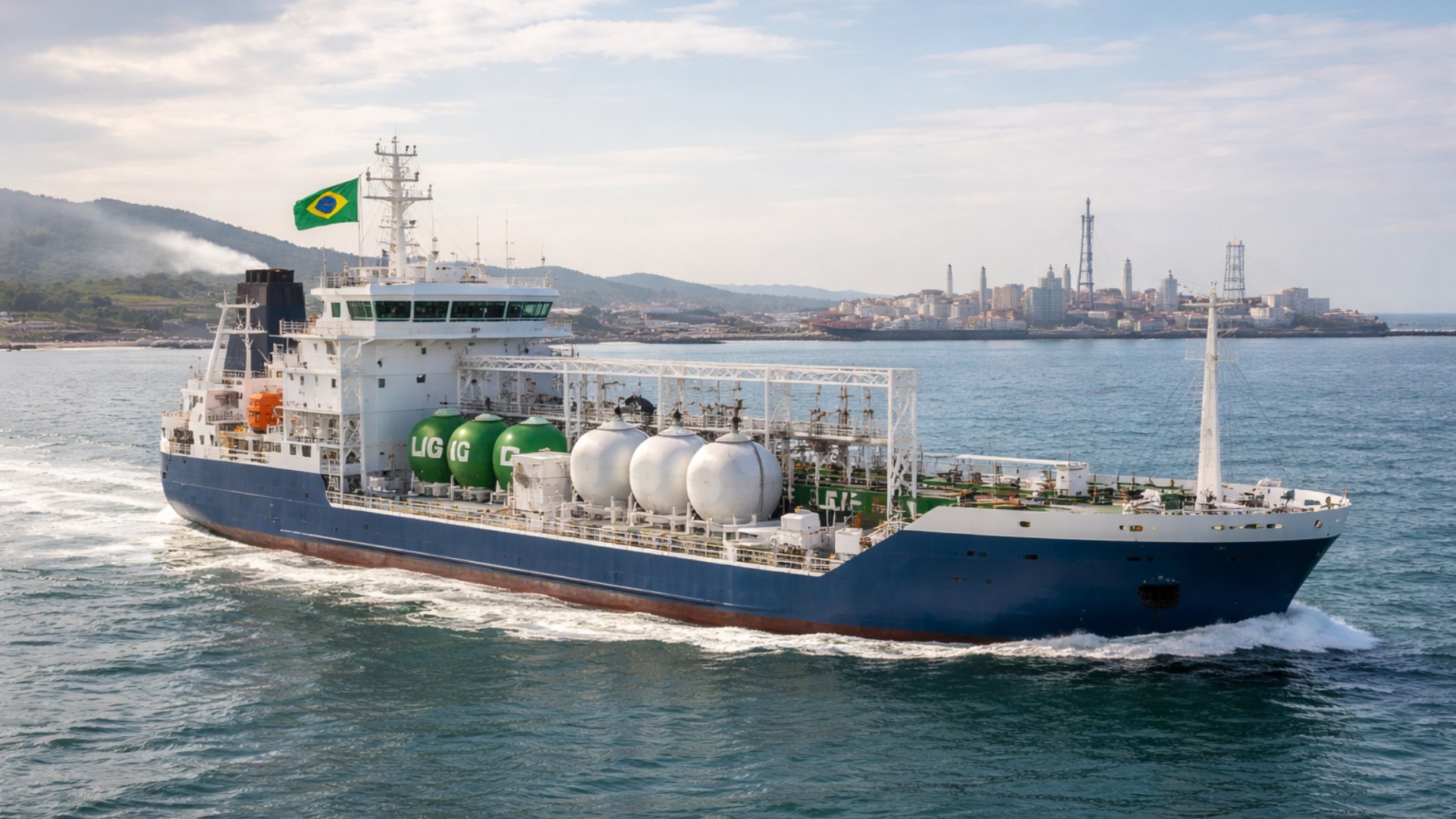
Brazil catches the world’s attention with ships powered by ethanol and biodiesel that have lower emissions, an unprecedented certification with advantages in chartering, and a revolution in cabotage.
-
A couple who only has Sundays free has built a hand-dug pool, a hamburger joint, a dance hall, and a playground in their own home without hiring a mason, and even with breaks due to accidents and the pandemic, the work has never truly stopped.

-
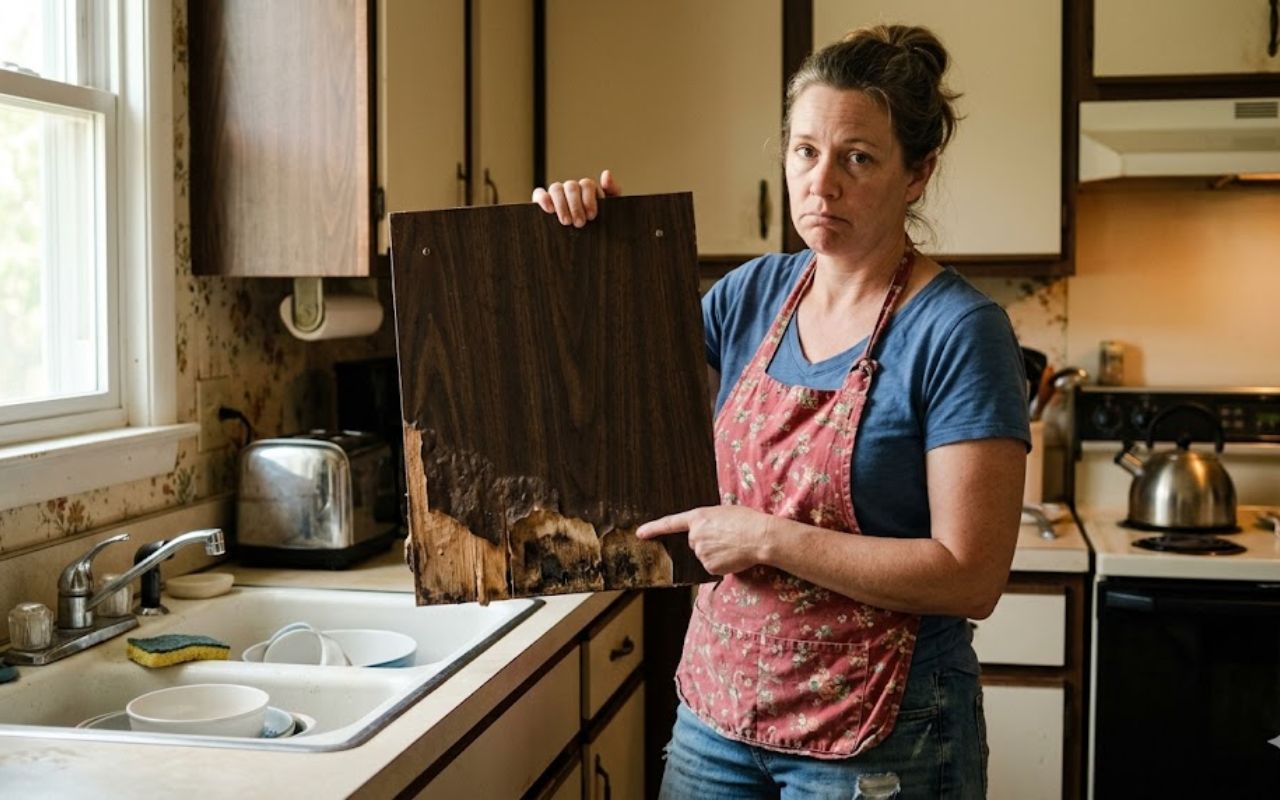
Furniture made with aluminum and glass does not warp and has become an alternative to replace MDF in Brazil.

However, this popular narrative has been debunked by science. The Lack Of Official Records From The Soviet Era, Which Are Classified Or Inaccessible, left room for legend. The truth came from space: an academic study in 2025, using thermal radiation data from Landsat 4 and 5 satellites, was able to prove the exact date of ignition. The analysis concluded unequivocally that the fire in the Darvaza gas crater started between late 1987 and early 1988, more than 15 years later than previously believed.
The Anatomy Of The Darvaza Gas Crater
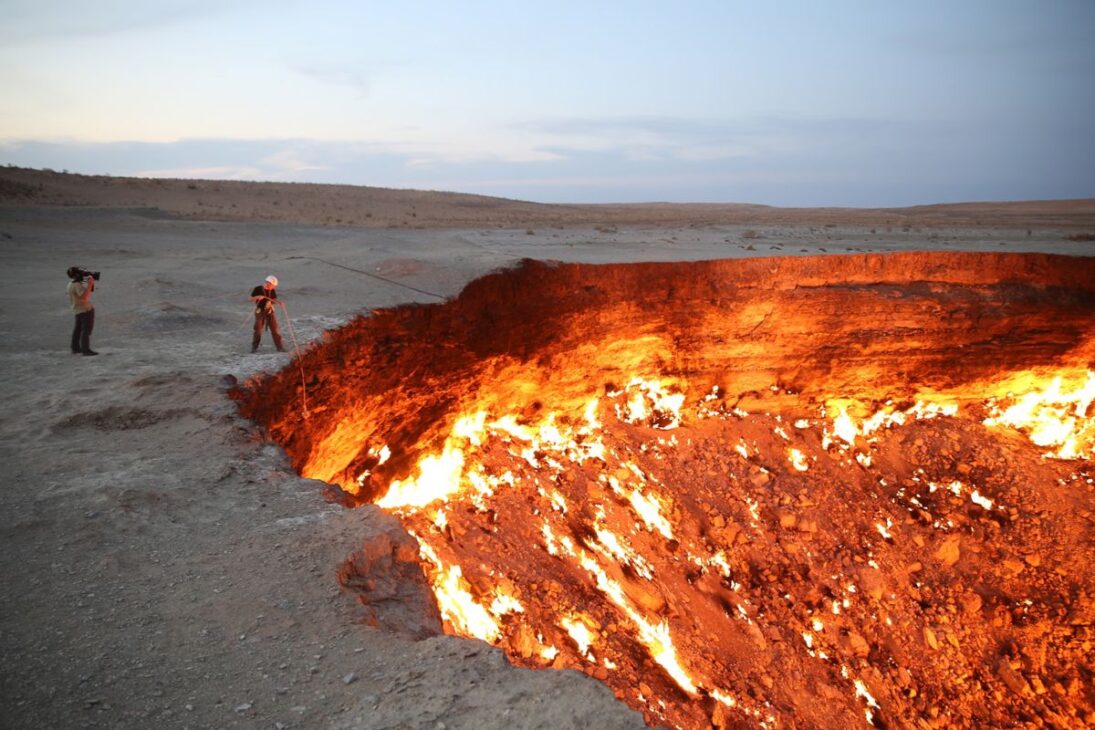
The “Door To Hell” is a remarkable geological formation. It is 60 to 70 meters in diameter and about 30 meters deep, an area comparable to an American football field. Inside, temperatures can exceed 1,000°C, with the sound of the gas compared to that of a jet engine and flames reaching up to 15 meters high.
The longevity of the fire is explained by its location. The gas crater sits atop the Amu-Darya Basin, one of the richest natural gas provinces on the planet. Turkmenistan has the fourth-largest gas reserves in the world, providing an almost infinite supply of fuel.
This phenomenon is not unique to the region. Nearby, there are two other collapse craters: the Mud Crater, with a bubbling mud lake, and the Water Crater, with a stunning turquoise-colored lake.
George Kourounis’ Expedition In 2013
In November 2013, Canadian explorer George Kourounis made history by becoming the first and only person to descend to the bottom of the crater. Equipped with a special suit to reflect heat and a breathing apparatus, he described the place as a “coliseum of fire”.
The primary scientific objective of the expedition, sponsored by National Geographic, was achieved with the soil samples collected by Kourounis, which revealed a surprising discovery: extremophile bacteria were living and thriving in the hot, methane-rich environment. This discovery is of great importance for astrobiology, as it proves that life can exist in extreme conditions, serving as a model for the search for life on other planets.
The Effort To Extinguish The Flames And The End Of An Era
After decades of burning, the Turkmen government decided to extinguish the fire. In January 2022, then-President Gurbanguly Berdimuhamedov ordered the creation of a plan, citing the loss of valuable economic resources and environmental impact.
The engineering solution, developed by the state-owned company Turkmengaz, was ingenious. Instead of trying to seal the crater, they drilled new wells nearby to intercept and capture the gas before it reached the surface. By mid-2025, authorities announced the success of the operation. Independent satellite analyses confirmed that the intensity of the fire was drastically reduced, a feat that coincided with the country’s adherence to the Global Methane Commitment.
From Industrial Error To National And Political Icon
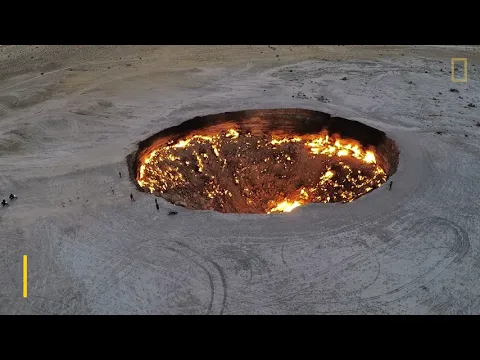

Initially a source of embarrassment from the Soviet era, the Darvaza gas crater has transformed into Turkmenistan’s main tourist attraction. The site also served as a political stage. In 2018, it was renamed to “Shine of Karakum”. In 2019, former President Berdimuhamedov used the crater as a backdrop for a bizarre video, performing car stunts on the edge of the abyss to dispel rumors of his death.
With the flames nearly extinguished, the future of the site is uncertain. What was an engineering error and became a global icon is now fading away. Its legacy, however, remains as a powerful testament to how a human failure turned into an accidental wonder, was unraveled by science, and ultimately disappeared, leaving only its incredible story behind.





-

Uma pessoa reagiu a isso.