





 Portuguese
  English
  Spanish
  3 min of reading
  0 comments


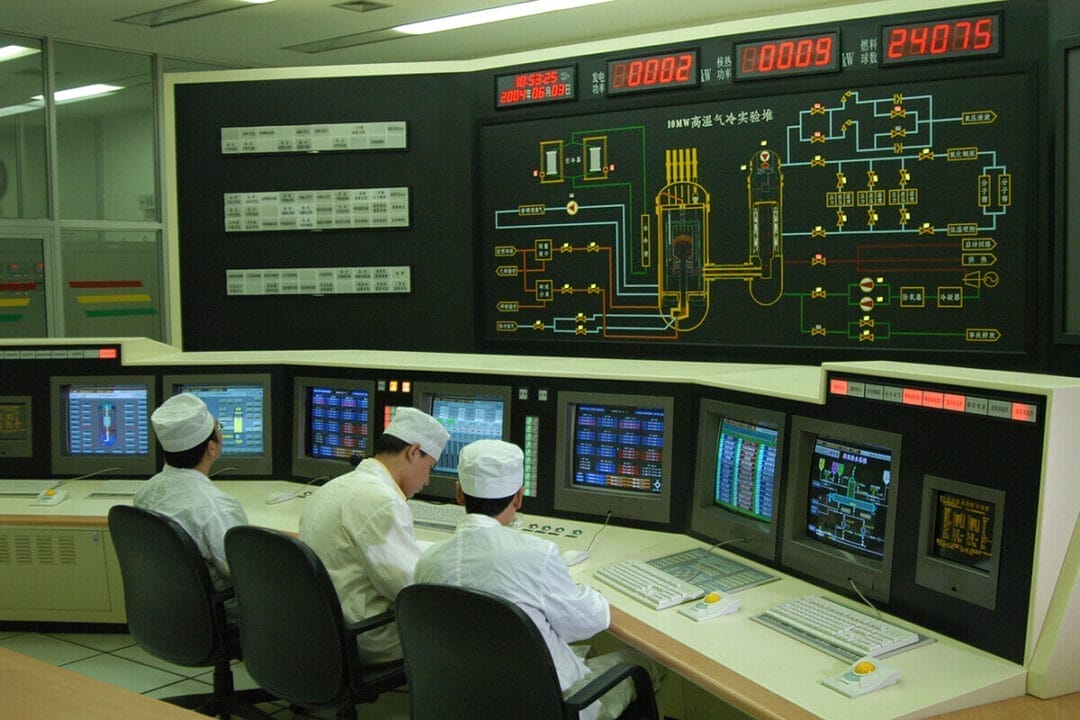
Explore How China’s Fourth Generation Reactor Is Revolutionizing Nuclear Energy With Efficiency And Safety
The medium-term future of nuclear energy is closely tied to fourth-generation nuclear power plants. In their design, engineers from the companies involved in the development of these nuclear fission plants started from scratch to avoid being conceptually hindered by the shortcomings introduced by previous generations. Yes, fourth-generation nuclear plants are very different from the plants currently in operation that we are familiar with.
The first requirement they must meet is to achieve maximum possible sustainability, so that fuel is utilized to the fullest to produce energy, minimizing the amount of radioactive waste generated and ensuring that its management is as efficient as possible. The second requirement relates to the economic investment necessary to start and maintain the nuclear plant, which should be as low as possible so that it can be compared to the costs required by other energy sources, thereby reducing financial risk.

The third and final requirement stipulates that safety and reliability must be sufficiently high to minimize the likelihood of damage to the reactor core. Furthermore, in the event of an accident, it should not be necessary to take emergency measures beyond the nuclear plant facilities. The demands introduced by fourth-generation nuclear plants are ambitious because they aim to eradicate many of the shortcomings affecting previous designs all at once.
-
Fukushima Marks A Turning Point In Japan’s Energy Policy: After The Disaster, The Country Shut Down Its 54 Nuclear Reactors And, 15 Years Later, Only A Small Portion Have Returned To Operation
-
How Japan Overcame The Nuclear Bomb And Now Houses Millions In Hiroshima, While Ukraine Lost Chernobyl?

-
Bill Gates Receives Historic Approval to Build Giant 345 MW Nuclear Plant in the U.S. and Promises to Generate Up to 500 MW of Energy with Innovative Technology
-
India Opens Nuclear Energy to Private Capital to Accelerate Projects and Attract Billions, While Brazil Remains Stalled at Angra 3 and Discusses Who Will Foot the Bill for Completion
China Is Ahead And Has Very High Goals
In recent years, the companies involved in the implementation of fourth-generation fission reactors have developed six different designs. One of the most promising is the High Temperature Reactor (VHTR), which is cooled by helium and can be adapted to produce hydrogen. The gas-cooled fast reactor (GFR) design, which can use a good portion of the waste we currently have as fuel, is also very interesting. And the sodium-cooled fast reactor (SFR), which can also use current radioactive waste as fuel.
Another attractive design is the supercritical water reactor (SCWR), which operates above the thermodynamic critical point of water. Or the lead-cooled fast reactor (LFR), which utilizes a closed fuel cycle to achieve efficient transformation of fertile uranium. Finally, the molten salt reactor (MSR) design, which uses the aforementioned molten salts and the result of the recycling of actinides, which are a group of heavy elements in the periodic table that includes uranium, plutonium, and thorium, among others, is also interesting.
A Promising Future For Shidao Bay-1 And Nuclear Energy
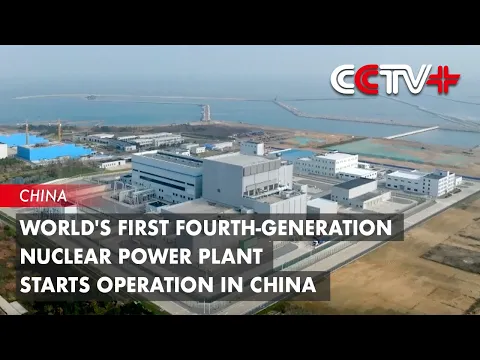
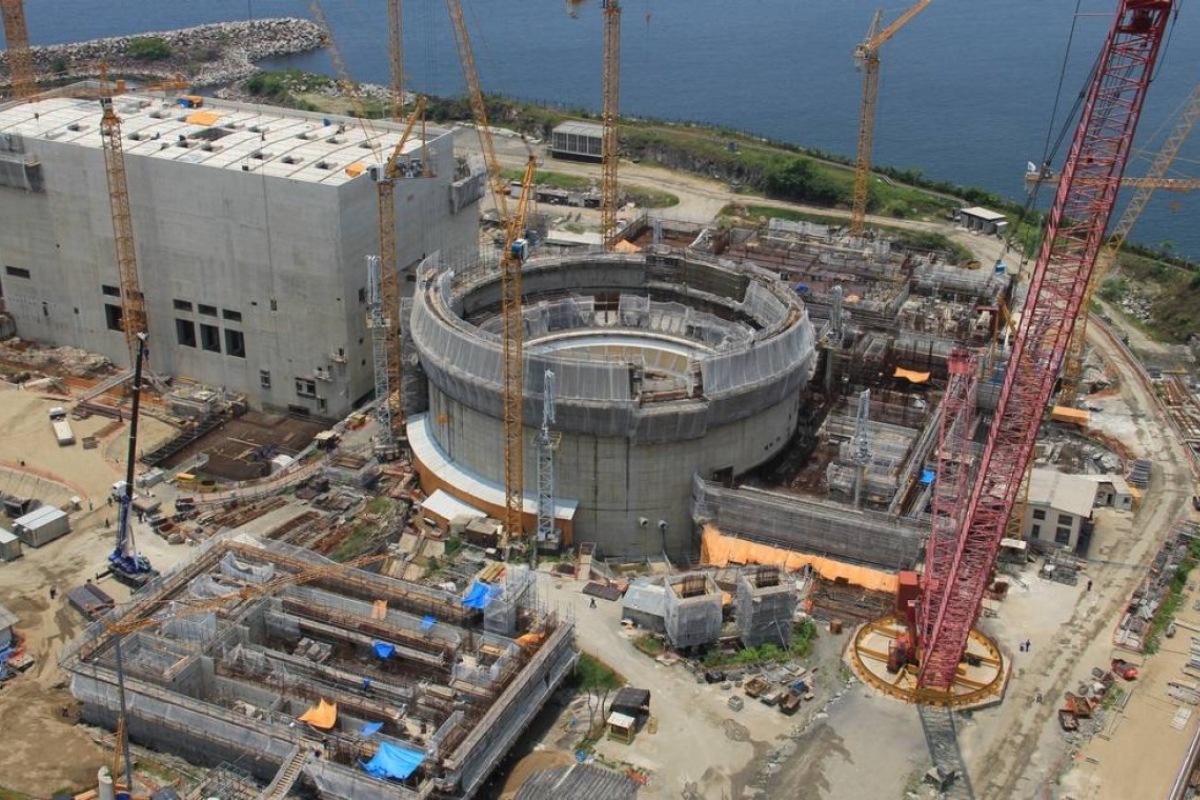
We have already explored everything we need to know before approaching the true protagonist of this article: the Shidao Bay-1 nuclear plant, located in Shandong Province in the far northeast of China. This plant belongs to the China Huaneng group and will be remembered in the future for being the first nuclear plant to operate a fourth-generation reactor for commercial purposes. Undoubtedly, this milestone will kickstart the operation of other fourth-generation reactors both in China and in other countries that also bet on this technology, such as the USA, France, or Russia.
Interestingly, the fission reactor used at Shidao Bay-1 is different from the six designs we explored above. These are the proposals that are the most mature, but the reactor at this plant is a small modular design of strictly Chinese origin known as HTR-PM (High Temperature Pebble Bed Modular Reactor), which is characterized by using helium as refrigerant and graphite as moderator.
The nuclear fuel elements it uses are, interestingly, spherical and are coated with graphite. In the coming years, China Huaneng will install an additional 19 HTR-PM reactors at the Shidao Bay-1 nuclear plant, such that each unit will house two reactors operating a 210 MW steam turbine. This is, without a doubt, the future of nuclear energy for the coming decades. At least until commercial nuclear fusion is ready (according to EUROfusion, it will arrive in the 2060s). And China is making strong progress. Currently, the country led by Xi Jinping has 55 nuclear reactors in operation, and according to the World Nuclear Association, it is constructing an additional 26. That is something to consider.
Source: Foro Nuclear
Cover Image: Petr Pavlicek/IAEA






Seja o primeiro a reagir!