





 Portuguese
  English
  Spanish
  3 min of reading
  8 comments


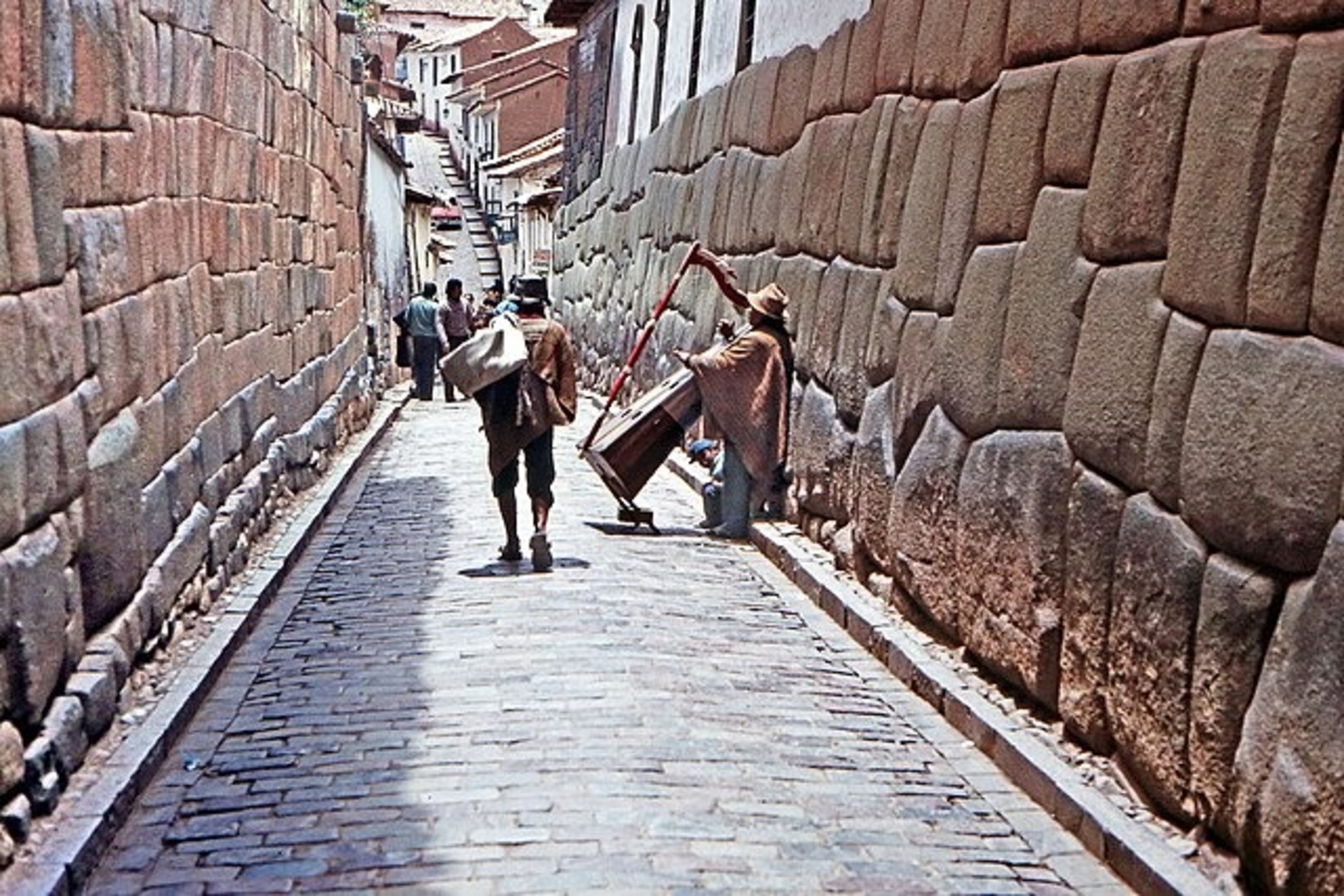


The Historical Center of Cusco Reveals the Urban Overlap Between Inca Engineering and Spanish Colonization, Explaining Why the Ancient Andean Capital Received International Recognition for Preservation, Cultural Continuity, and Historical Reading
Cusco is the historical heart of the Peruvian Andes, where Inca engineering and European colonization coexist in the urban center, revealing how an indigenous capital governed millions and still influences regional identity, memory, and cultural preservation.
Why the Historical Center of the City Is a World Heritage Site
The center of Cusco was designated a World Heritage Site by UNESCO due to the urban preservation that combines Inca temples and colonial Baroque buildings within the same historical mesh.
The stone foundations, fitted without mortar, support adobe walls built later, maintaining alignment, structural stability, and spatial continuity despite centuries of occupation and political transformations.
-
He started running at 66 years old, broke records at 82, and is now a subject of study for having a metabolic age comparable to that of a 20-year-old, in a case that is intriguing scientists and inspiring the world.

-
Oldest tree on the planet reappears after 130 years of searches: Wattieza, 385 million years old, was 10 meters tall and had no leaves or seeds; Gilboa fossils in New York solved the mystery in 2007.

-
A 48-square-meter house assembled in hours with 4,000 bricks made of recycled plastic that does not absorb moisture, has natural thermal insulation, and costs less than 90,000 reais in a complete kit.

-
Luciano Hang revealed that Havan’s air fleet has already accumulated more than 20,000 landings, 10,000 flight hours, and 6 million kilometers traveled, and he says that without the planes, the company would never have grown so quickly.


This urban arrangement evidences the transition between Inca power and Spanish domination, keeping the social, religious, and administrative organization of a capital that articulated vast Andean territories legible.


Architectural Milestones That Explain the Historical Transition
The Qorikancha, former Temple of the Sun, serves as the foundation for the convent of Santo Domingo, symbolizing religious overlap and architectural repurposing during colonization.
The Plaza de Armas, former Inca ceremonial center, was converted into a Spanish square, maintaining a central function while changing political and social significance.
The walls of Saqsaywaman stand out for their giant stones weighing over 100 tons, demonstrating the technical capacity and extraordinary collective organization of Inca society.
The Cathedral of Cusco was built over the palace of the Inca Viracocha, consolidating colonial dominance over symbols of ancient power.
How Inca Engineering Resists Earthquakes
The polished stones, fitted with millimeter precision, allow slight movement during seismic tremors, preventing collapses and preserving essential structures of the historic city.
This dry construction offers superior stability compared to the rigid masonry introduced later, explaining why Inca foundations resisted while colonial buildings suffered severe damage repeatedly.
The structural performance reveals advanced mastery of geology and physics, applied empirically, ensuring continuous urban resistance in a region subject to frequent earthquakes.
The Historical Meaning of the Name and the Living Memory of the City of Cusco
The name Cusco comes from the Quechua Qosqo, “navel of the world,” a term that defined the central point from where roads branched out to the four regions of the Inca territory.
To deepen this context, the channel Travel with Mansoureh presents visual records of the San Blas neighborhood and historical daily life.
These contents help to understand preserved social practices, connecting past and present in an urban architecture that is still inhabited and functional.
Understanding Cusco is recognizing Andean cultural resilience, whose technical, symbolic, and urban heritage remains an essential historical reference for American diversity.
With information from BMC News.








Metric system… 3meters = 2 miles
Can someone please fix the headline? 3 meters above sea level? Really? Shocking that this has been published without correction for days. Clearly the author and the site care little for details and facts.
Purtroppo nessuno lo ha scritto e nessuno lo ha corretto. Fatto fare ad AI e pubblicato pari pari senza neanche leggerlo. La mancanza di rispetto verso chi fruisce di qualsiasi contenuto ormai è il tratto distintivo di questa nuova era.
I lived there for three months in 1979 lot of good memories