





 Portuguese
  English
  Spanish
  5 min of reading
  9 comments


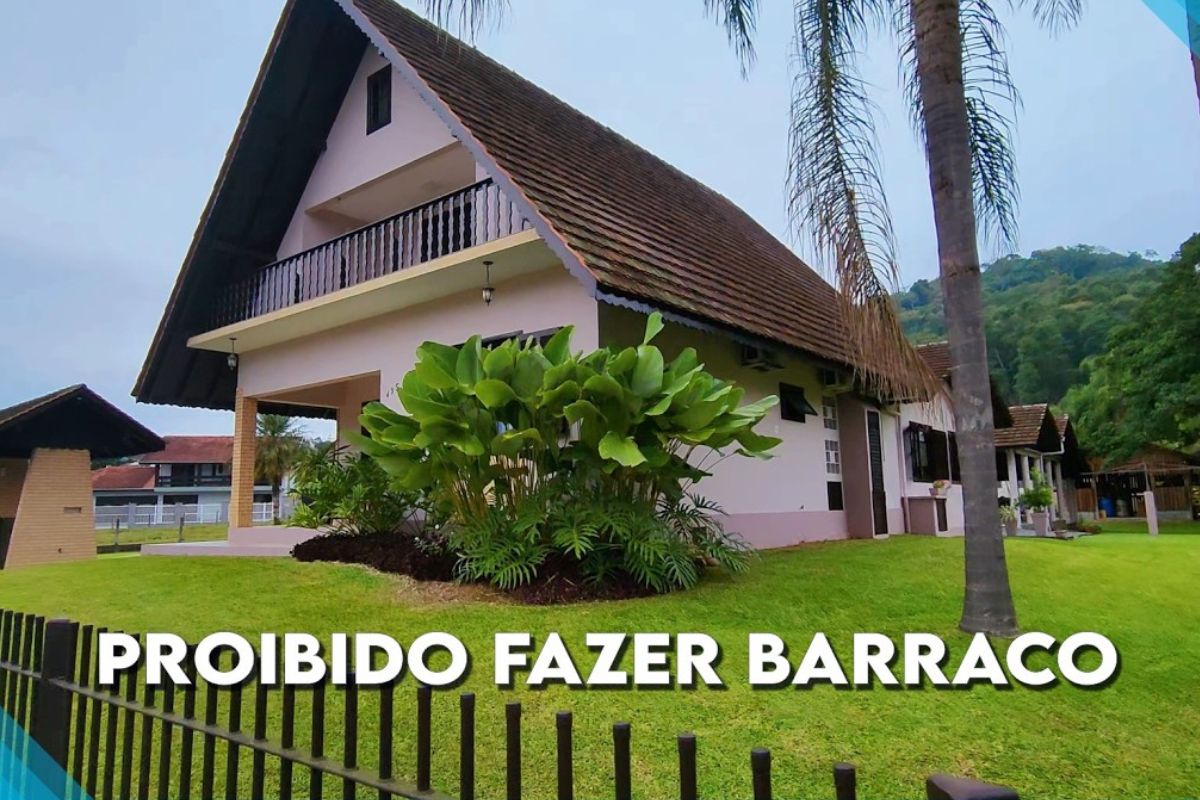


No High Walls, No Gray Concrete and No Disorder: How a Brazilian City of German Origin Became a Showcase of Traditional Architecture and Community Pride.
The Brazilian city of the European Valley in Santa Catarina decided to follow its own path: maintaining beauty as public policy, protecting the urban landscape through inspection and incentives. There, aesthetics is not a whim; it is a guideline. Instead of random facades, the German half-timbered style predominates, standardized sidewalks, and clay roofs that speak to the local history.
The result is a living heritage, where traditional architecture is not in a museum: it continues to be built, maintained, and lived in. Instead of high walls and loud colors, clean streets have emerged, with facades showcasing exposed wood and carved signs—a setting that has elevated tourism but also made life more expensive for those wanting to live there.
Rules That Shape the Landscape: What Is Allowed and What Is Not
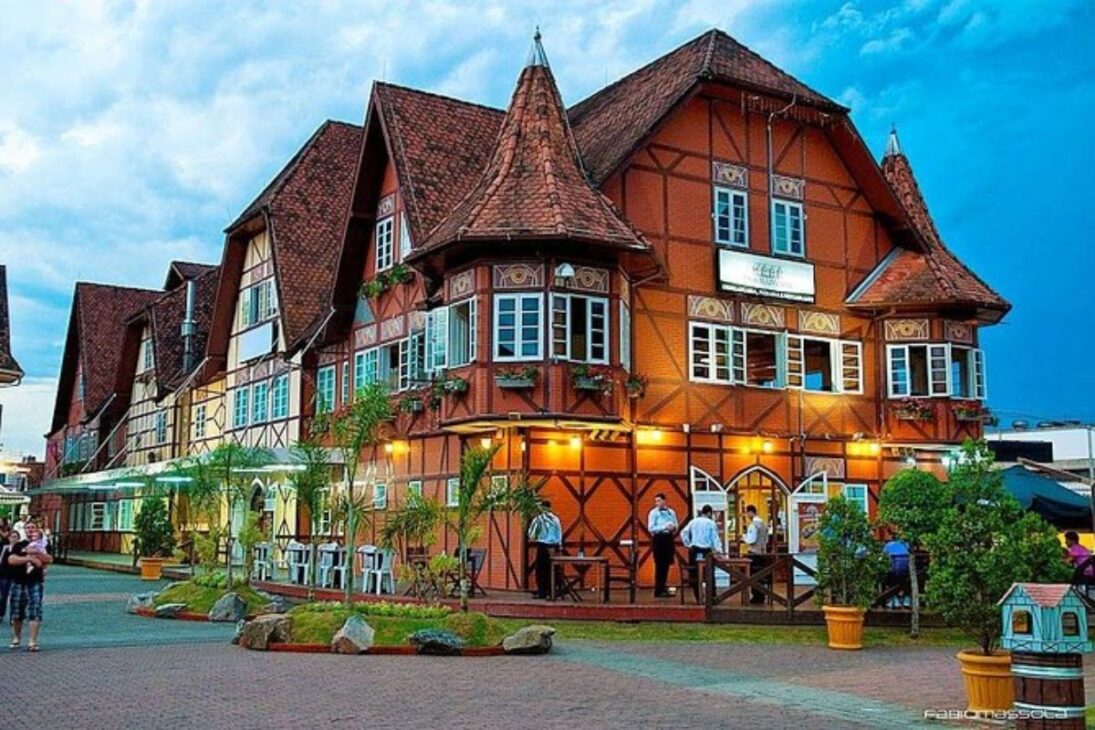
The transformation began when the community decided to shield the visual aspect of the Brazilian city with specific municipal laws. Modernist “cube” facades are prohibited, especially in the historic perimeter. The height of buildings is limited, avoiding “walls” that crush the human scale.
-
A gigantic dam project in the Himalayas could solve one crisis but silently create another for millions of people.

-
Nikola Tesla said that intelligent people tend to have fewer friends, and now science partially confirms this: a study with over 15,000 people showed that for the more intelligent, socializing too much can even reduce life satisfaction.
-
A superyacht worth US$ 17 million is delivered in impeccable condition, sets out to sail, and hits a bridge in the Bahamas just two hours later.

-
Residents of Australia woke up to a sky completely red like blood before the arrival of Cyclone Narelle, which hit the coast with winds of 250 km/h, tearing off roofs and lifting iron dust in a scene they described as apocalyptic.

There are no massive walls or fully closed gates. Houses must engage with the street, reducing the sensation of “prison” and preserving the local identity. Roofs must adhere to the German standard, with non-reflective clay tiles—nothing of zinc, plastic, or materials that “scream” in the sun. And the color palette is regulated: sober and neutral tones, no exaggerations.
The city hall not only enforces regulations: it invests. Those who build or preserve according to the half-timbered standard may receive exemptions from property taxes and annual support for maintenance, including labor and supplies to protect the wood. Half-timbered houses can be prefabricated and assembled on-site, like a “lego” of tradition: the wooden skeleton is raised and the gaps are filled with brick and mortar.
This arrangement has created an economic ecosystem: local factories still exist that produce the structures, artisans who make doors and windows with wooden frames, and carved signs for businesses. Even banks and franchises must adapt to the standard—no LED signs or garish banners. The ugly, here, literally does not enter.
Living Heritage: From the 19th Century to the Present, Without Becoming a Caricature
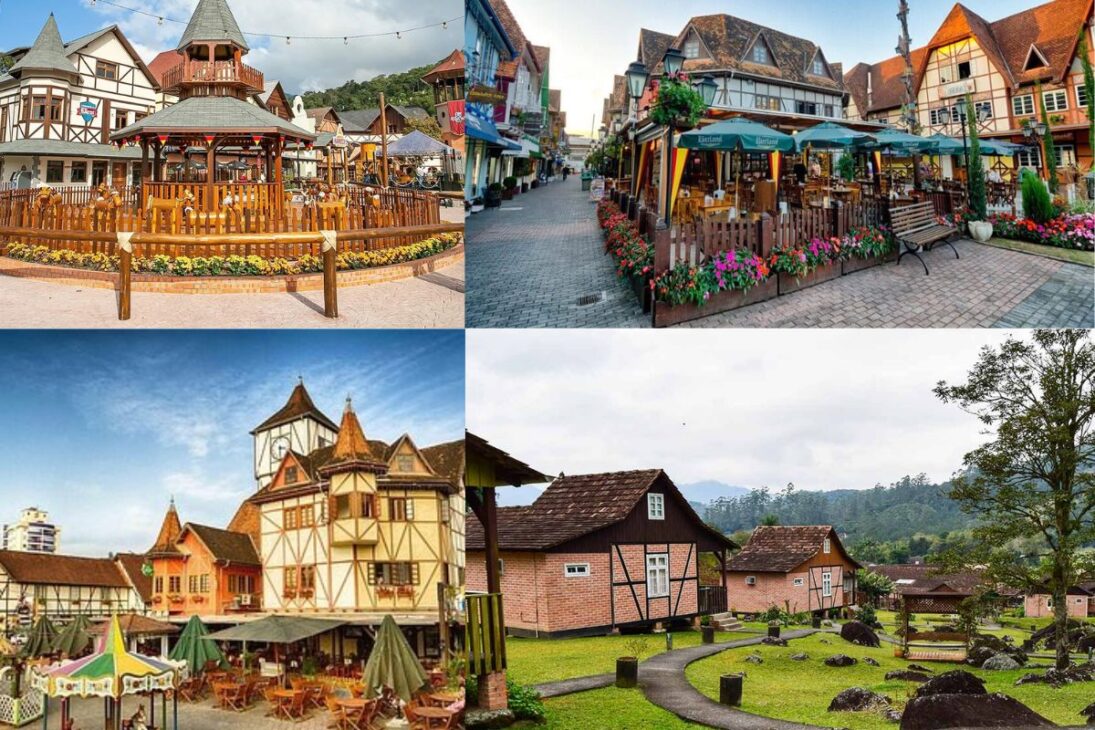
Discover Pomerode, the city that seems to have stopped in time and became a living piece of Germany in Brazil
German colonization left language, festivals, and building styles. The school teaches German and the neighborhood speaks the language in the streets. The city houses preserved collections, with houses from 1860–1870 (there’s a recorded property from 1867) that remain standing, many open for visitation.
The traditions follow the calendar: Pomeranian Festival, Osterfest (the German Easter, with the famous egg tree), in addition to the tourist route of historic houses. It is tourism for contemplation and memory: quiet streets, nature nearby, and a rural pace that invites walking, conversing, and observing. It’s not a “theme park”; it’s preserved everyday life.
Cleanliness, Order, and Pride: Aesthetics as a Social Pact
Beauty has become a community pact. Residents act as volunteer inspectors: demanding mowed lawns, paint in good condition, and adherence to rules. Graffiti and excessive noise do not belong to the scene. The ambient sound is that of a small, quiet, and peaceful town—a striking contrast to urban centers where improvisation and gray concrete dominate.
This pact boosts collective self-esteem and attracts visitors. Aesthetics have become an economic asset, elevating local visibility and consumption. But it comes at a cost.
The Cost of Perfection: Expensive Renovations, Costly Properties, and High Living Costs
Preservation is expensive. Building and maintaining to the standard requires skilled labor, frequent painting (the humid climate demands its toll), and constancy in care. The real estate market has skyrocketed: land easily exceeds R$ 500,000, and houses go over a million. Rent is rare; buying is for the few, generally local descendants or foreigners who receive in strong currency.
This pressure creates a paradox: the Brazilian city that protects its past and raises quality of life may drive away lower-income residents. Preserved beauty has a social cost and requires public policy for inclusion, or it risks becoming a postcard for the few.
What to Expect from Tourism: Charm, Calm, and Expectations in the Right Place


Visitors find houses, short trails, small churches, small museums, zoos, and family parks. Do not expect “Disney” or “big city cable cars”. Expect silence, smells of wood, and history, full of photographs. It’s a tourism of breath, for recharging not for adrenaline.
The informed visitor loves: walks, enters historic houses, talks with residents, learns the half-timbered technique, sees the old carpentry, and pays attention to details. Those arriving expecting a show and major attractions leave frustrated. Those seeking everyday beauty leave transformed.
The success did not come from an isolated decree but from three pillars:
(1) Clear and stable rules (height, materials, colors, signs, sidewalks, walls).
(2) Continuous incentives (property taxes, maintenance, technical assistance).
(3) Civic pride (social oversight, school, festival, language).
Without these three, the model cannot stand. Simply prohibiting the “ugly” without financing the “beautiful” transfers the cost to the resident. Simply incentivizing without oversight becomes inefficient spending. And without community pride, the rule loses strength and improvisation returns.
The experience of this Brazilian city shows that urban aesthetics is public policy and that care for the landscape transforms economy, self-esteem, and coexistence. At the same time, brings real dilemmas: access to housing, maintenance costs, sustainable tourism.
And you: would you be willing to live in a city with strict aesthetic rules in exchange for more beauty, order, and silence? Do you think this model should be replicated (with incentives and social goals) in other regions? Tell us: what minimum rules should your city adopt tomorrow to start changing the visual appearance of the streets and the mood of those who live in them?








Estive em Pomerode há alguns anos atrás. Não me encantei e nem me encanto com esse tipo lugar. Apesar de bem cuidado, construções preservadas, emana preconceito, uma falsa ideia de que a comunidade não pertence ao Brasil, ideia bem difundidade em grande parte do Sul do Brasil.
Uma galera que não aceita que é brazuca!
Por isso mesmo um espaço onde impera o racismo, reúne um grande número de adeptos ao nazismo.
Encontrei pessoas pouco amistosas, pouco acolhedoras e incomodadas com a presença de visitantes.
Pra mim é uma cidade fake, cenográfica, elitista, **** e com uma identidade completamente confusa, que beira à esquizofrenia!
SIM, não é utopia, é vivenciar a regra de ouro: o AMOR!
Precisam conhecer treze tílias, essa sim é uma princesinha…..! Tbem Santa Catarina… lógico