Portuguese
  Spanish


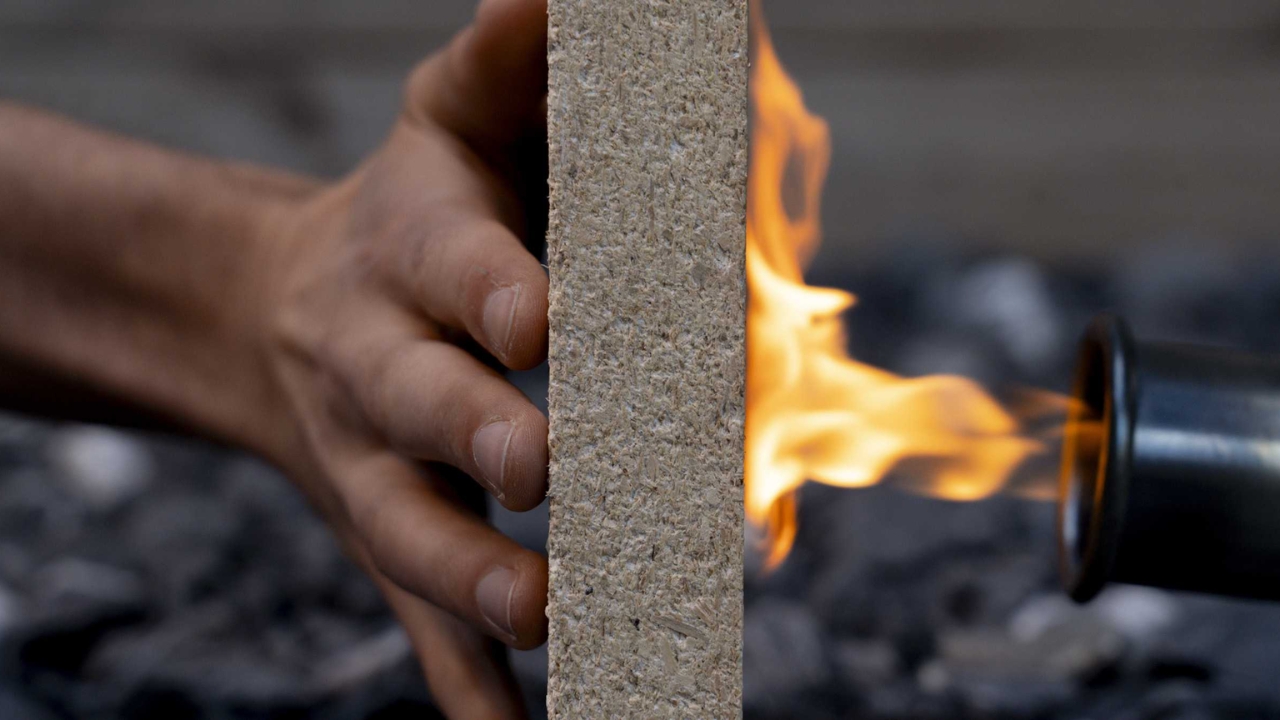

Switzerland’s team creates construction panels with sawdust and struvite obtained from wastewater processes, improves the stability of the mixture with watermelon seed enzyme, and paves the way for repurposing waste with more value.
The transformation of wood waste into construction material has gained a new chapter in Switzerland. Researchers have developed panels made with compressed sawdust and a mineral binder that improves fire resistance and also enhances the potential for repurposing the material.
In practice, the solution can reduce the disposal of leftovers from the timber industry and offer an alternative for internal walls and partitions. The advancement draws attention because it combines safety, repurposing, and a cleaner route for the construction industry.
Sawdust that used to be discarded now has a structural function
The wood industry generates large volumes of sawdust during processing. In many cases, this material ends up being burned to generate energy or goes to landfills, releasing stored carbon without creating new value for the production chain.
-
28-meter, 156-ton titans traveled 20,000 km from China to the port of Santa Catarina: Portonave received 7 fully electric megacranes, part of a R$ 210 million package, to double container handling.

-
They exchanged the idea of a large house for a 35 m² warehouse, spent US$ 12,000 on the structure, and created a tiny house in Colorado with space to live and work.

-
A newly opened terminal in the middle of the Amazon has begun transporting soy and corn through Amapá, eyeing the queue of ships that is congesting the ports in the South.

-
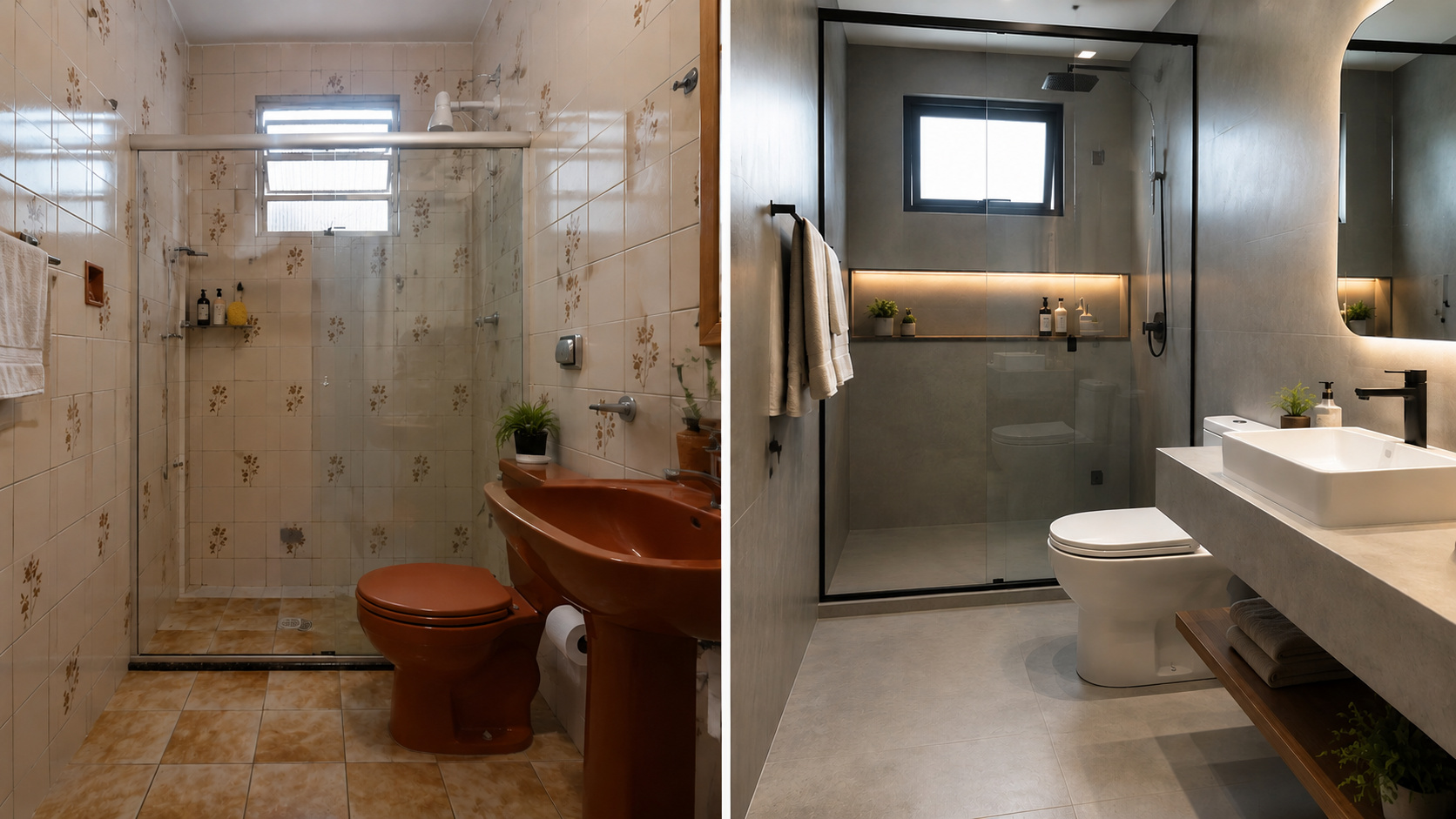
Goodbye to old tiles: renovation technique without construction transforms bathrooms in a few hours, eliminates debris, and reduces costs with coverings using special paints, high-resistance adhesives, and modern finishes that completely renew the space.


With the new proposal, this waste is converted into durable panels aimed at indoor environments. The result creates a practical outlet for an abundant and underutilized waste.
Mineral linked to sewage became the central piece of the new material
The component that supports this change is struvite, a mineral typically associated with wastewater treatment plants. Although known for causing blockages in pipes, it also has a naturally fire-resistant behavior.
The challenge was the fragility of the mineral and the difficulty of mixing it uniformly with wood. To overcome this obstacle, researchers used an enzyme obtained from watermelon seeds to control the formation of crystals within the compound.
Mechanical resistance and flame protection expand internal use

The material showed perpendicular compressive strength to the fibers superior to that of the original spruce wood. This reinforces the potential for application in wall systems, partitions, and other internal elements where safety and durability are essential.
Furthermore, the panels take longer to catch fire. When exposed to flames, they form a protective layer of carbon and minerals that reduces the spread of combustion and helps the material protect itself.
Tests showed ignition time more than 3 times greater
The struvite-based panels took more than three times the ignition time of untreated spruce wood.
The tests were conducted with the support of the Polytechnic University of Turin, using specific equipment to measure the material’s behavior in the face of intense heat. The performance reinforces the viability of the compound in indoor environments that require more safety.
Recycling the material can reduce construction waste
Another strong point is the repurposing after use. Unlike conventional boards bonded with cement, which often end up as demolition waste, this compound can be disassembled and reused.
After removal, the panels can be ground and heated to just over 100 °C. This process releases ammonia, separates the sawdust from the mineral content, and allows for the recovery of newberyite, a precursor compound that can return to a solid state for further processing.
Closed loop still opens space for agricultural use
After recovery, newberyite can be recombined with sawdust to form new struvite-based panels. This closes the material’s cycle and reinforces the proposal for circular construction.
In addition to use in construction, the compound can also act as a natural fertilizer. In this case, it releases phosphorus gradually, which increases the value of the recovered material and gives new economic weight to the technology.
The next steps involve refining the process and scaling the solution to industrial levels. One of the decisive factors for broader adoption will be the cost of the mineral binder, a factor that still weighs on commercial viability.
If it advances beyond the laboratory, the technology could directly impact the fate of wood waste and how construction deals with safety and repurposing. It is a change that pressures the sector and alters the strategic reading.