





 Portuguese
  English
  Spanish
  5 min of reading
  0 comments


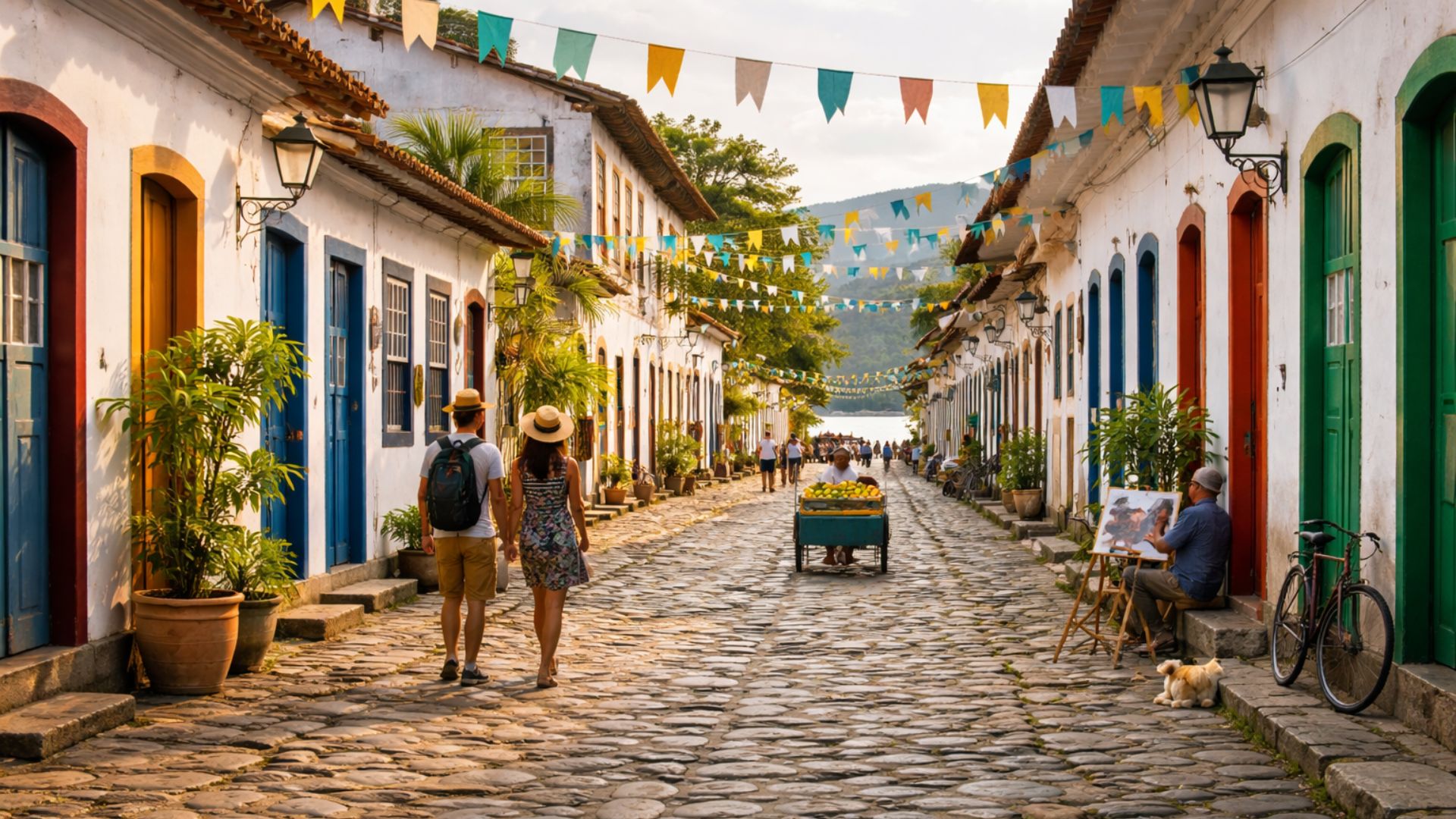
Historical City Between Sea And Mountains Preserves Colonial Architecture, Caicara Tradition, And Hundreds Of Beaches Surrounded By Atlantic Forest, Creating A Scenery Where Nature, Culture And Ancient Urbanism Coexist. Paraty Maintains A Calm Rhythm, Protected Historical Center And Landscapes That Seem Frozen In Time.
Between the sea of Costa Verde and the slopes covered by the Atlantic Forest, Paraty, on the southern coast of Rio de Janeiro, preserves a rare colonial urban ensemble in the country and maintains a routine that contrasts with the speed of large capitals.
The municipality brings together hundreds of beaches and dozens of islands, but it is the historic center of cobblestone streets, restricted vehicle circulation, and old facades that sustains the image of a city where time seems to flow at a different pace.
Preserved Historical Center And International Recognition
Protected by the National Institute of Historical and Artistic Heritage since 1958, the historical nucleus of Paraty has traversed decades without losing the features that have transformed it into one of the most recognizable urban landscapes in Brazil.
-
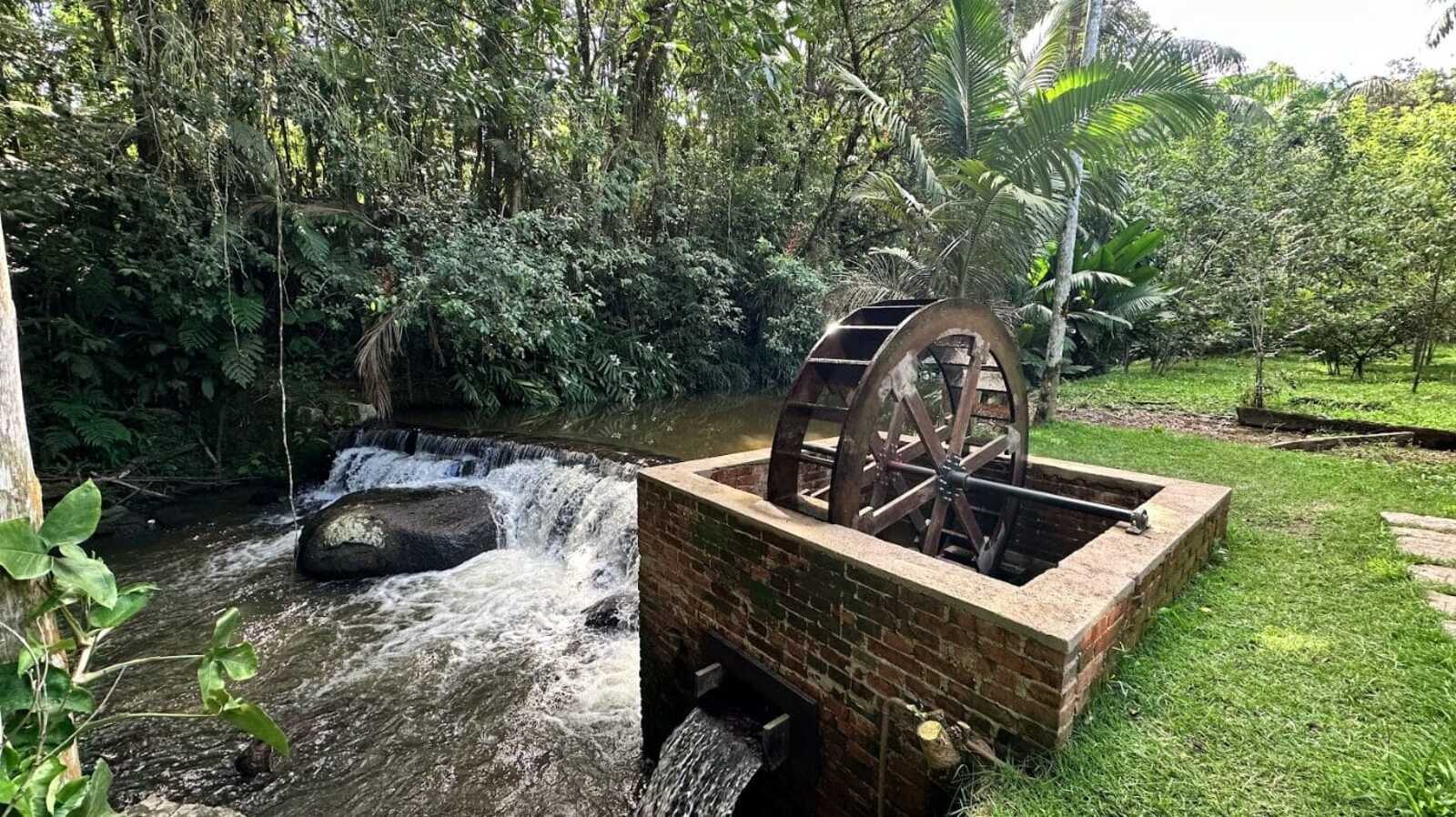
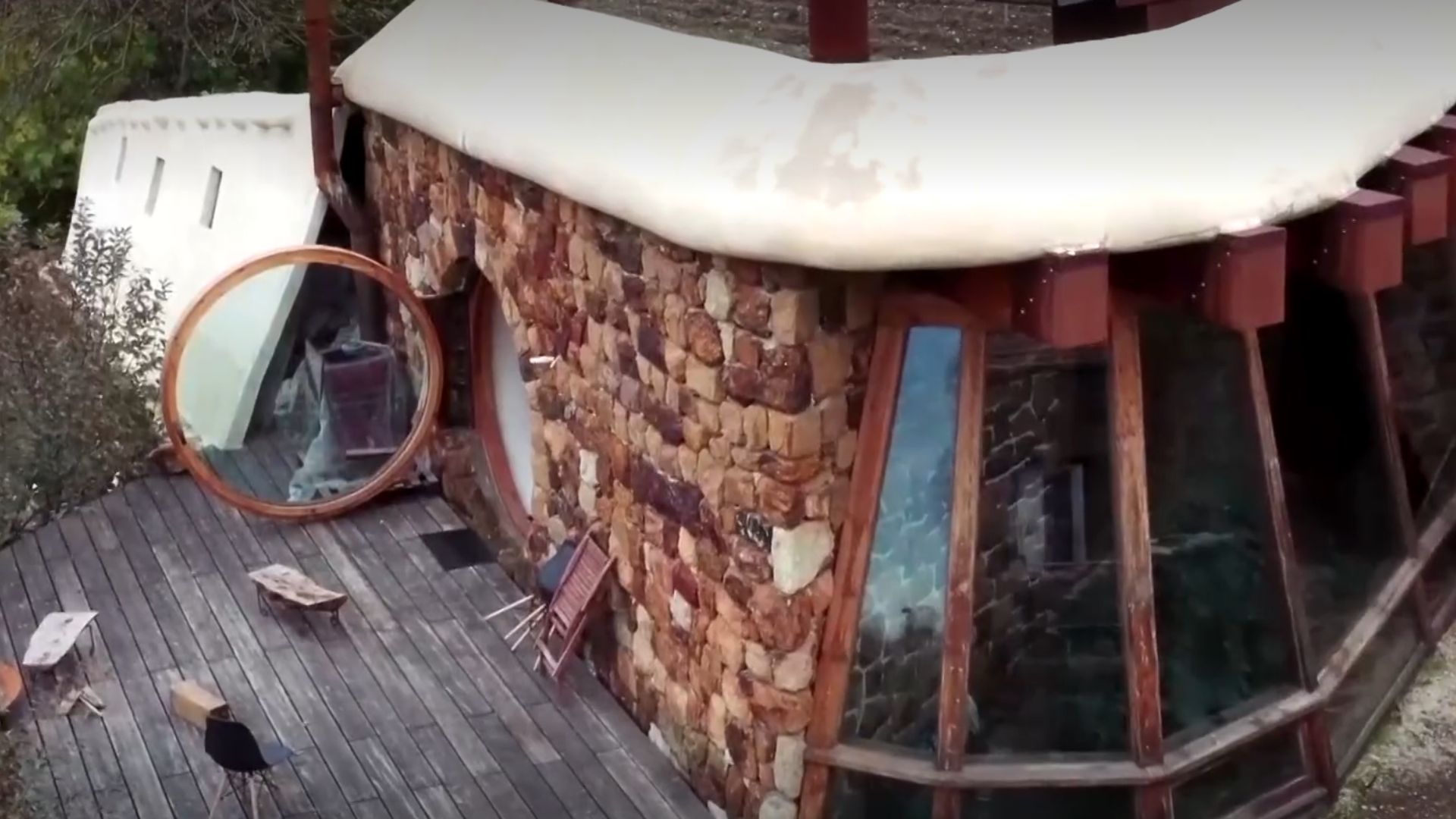
While restoring a historic mansion from 1910, a brick structure with an old turbine that generated energy from the Rio do Testo emerged, along with a hidden door and a rare floor concealed under layers of wax.
-
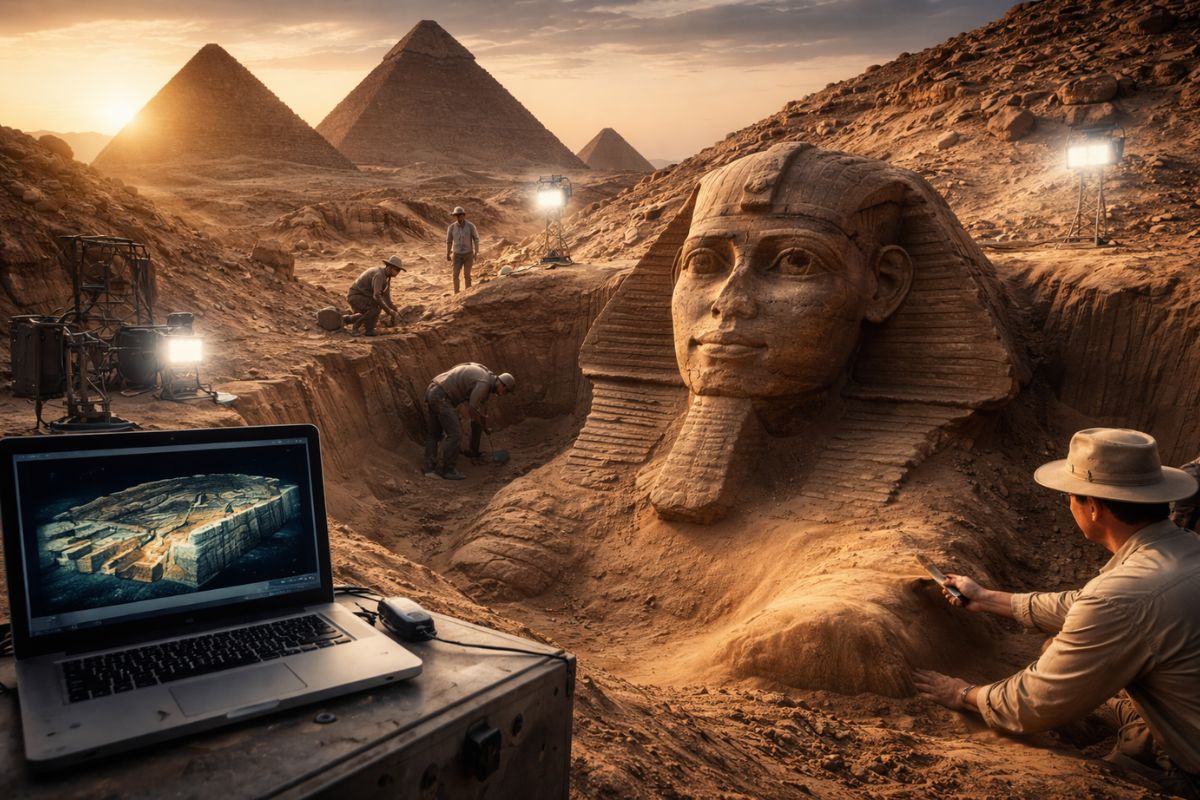
Italian researchers have detected what appears to be a second Sphinx buried under the sands of Egypt, and satellite scans reveal a gigantic underground megastructure hidden beneath the Giza Plateau for over 3,000 years.
-
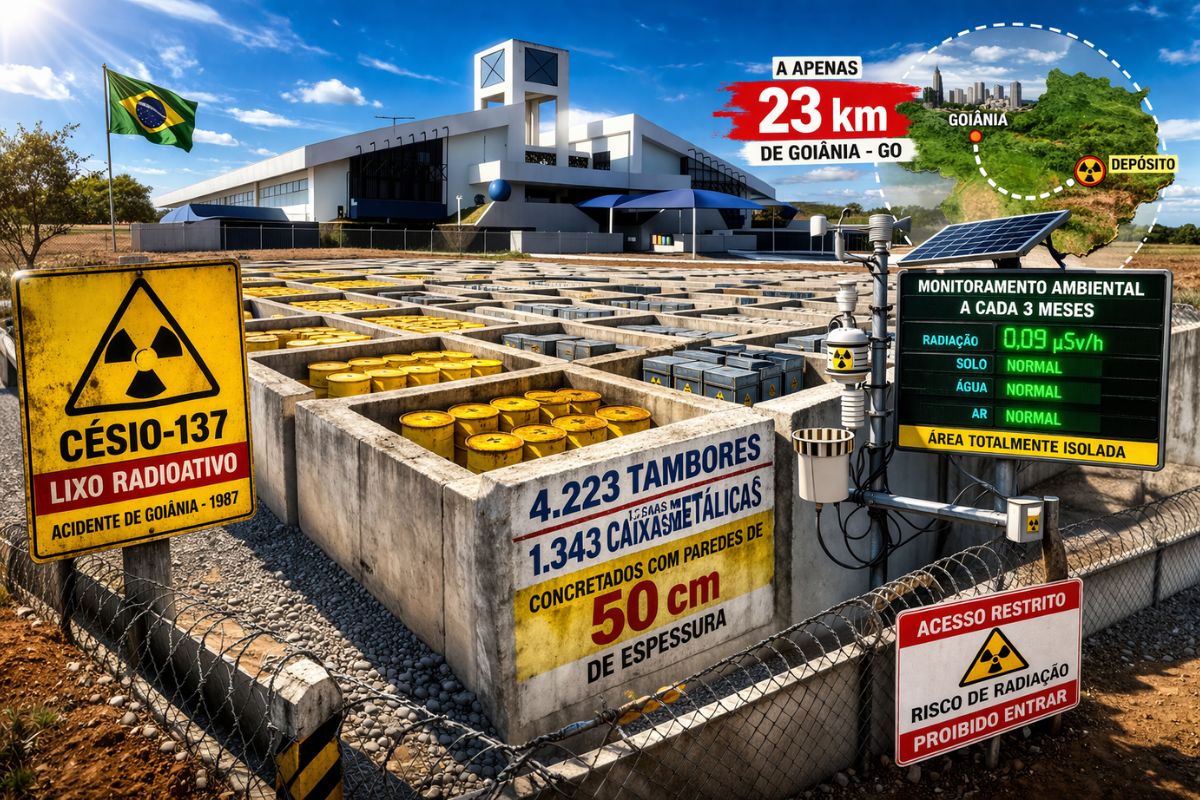
There are 4,223 drums and 1,343 metal boxes concreted with 50-centimeter walls that store the radioactive waste from Cesium-137 in the worst radiological accident in Brazil, just 23 kilometers from Goiânia, with environmental monitoring every three months.
-
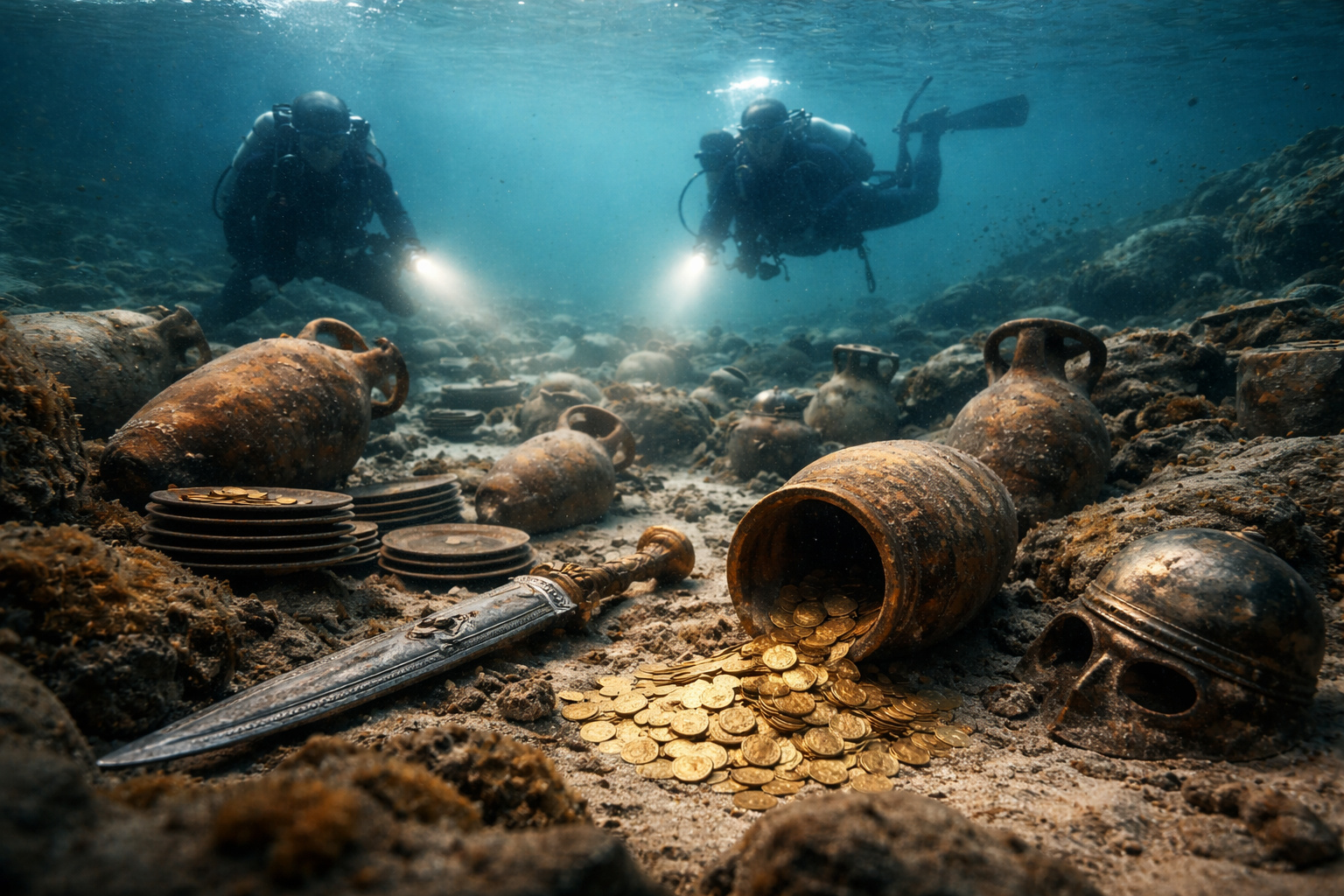
Giant Roman treasure found at the bottom of Lake Neuchâtel in Switzerland reveals an advanced trade system, circulation of goods, and armed escort in the Roman Empire about two thousand years ago.


In 2019, the importance of the region gained new scope with the recognition of Paraty and Ilha Grande – Culture and Biodiversity as UNESCO World Heritage, in a designation that combines cultural and natural value in the same territory.
The impression of traveling back in time does not arise only from the architecture.
It appears in the regular design of the blocks, in the irregular pavement known as “pé de moleque,” in the narrow corners, and in the direct relationship between the buildings and the tide, which in some areas rises and reaches streets close to the dock.
This coexistence between stone, water, and colonial buildings helps to explain why the city continues to be associated with a preserved historical scenario, even though it is surrounded by intense tourist activity throughout the year.
The past of Paraty is also linked to its economic role during the colonial period.
The city was part of the route of gold circulation coming from Minas Gerais and became a strategic point for draining to the coast, a connection that still resonates in local memory and in references to the old Estrada Real.
Surrounding this center are religious and military landmarks that help tell this story.
Among them are the Church of Santa Rita, inaugurated in 1722, as well as the churches of Nossa Senhora dos Remédios and Nossa Senhora do Rosário and São Benedito, protected by Iphan.
Beaches, Islands And Preserved Nature On The Costa Verde

If history shapes the identity of the municipality, geography enhances its appeal.
Publication by the Ministry of Tourism about the destination records that Paraty has about 300 beaches and 65 islands, a number that far exceeds the idea of a conventional resort and reinforces the diversity of landscapes spread across coves, cliffs, and preserved forest areas.
Part of these strips of sand requires a boat or trail, which helps maintain the feeling of isolation in spots like Praia do Sono, Antigos, Antiguinhos and Ponta Negra, areas known for their combination of preserved nature and more restricted access.
In Trindade, one of the most sought-after areas of the municipality, the combination of rustic beaches, short trails, and the Natural Pool of Cachadaço aptly summarizes the tourist profile that dominates part of the Paraty coastline.
In areas closer to the center, such as Jabaquara and Pontal, simplified access attracts families and visitors who prefer calm seas, support structures, and short distances.
Even in these spots, the landscape is still marked by mangroves, mountains, and native vegetation that surround the city.
Caicara Culture And Festival Calendar
Although visitation has grown, the local routine continues to be marked by visible caicara references in artisanal fishing, handicrafts, and cuisine based on fish and seafood.
This cultural permanence is not limited to domestic daily life or the small businesses set up in the historical buildings.
It also appears in the traditional festivals that span generations, such as the Festa do Divino Espírito Santo, celebrated with religious and community programming in the city.
Alongside these manifestations, Paraty has established a cultural calendar that projects the municipality nationally without erasing its urban scale.
The International Literary Festival of Paraty (Flip), held since 2003, has become one of the main literary festivals in the country.
The event was recognized as a Historical, Cultural, and Intangible Heritage of the State of Rio de Janeiro in 2021 and, the following year, as Cultural and Intangible Heritage of the city itself.
The result is an agenda that blends religious tradition, artistic production, and a continuous flow of tourism in streets designed for another century.
Environmental Preservation And Urban Rules
The preservation of this environment also depends on urban and environmental rules.
The city hall maintains restrictions on the circulation of large vehicles in sensitive areas of the historical center.
At the same time, the surrounding municipality is protected by conservation units such as the Serra da Bocaina National Park, one of the largest protected areas of Atlantic Forest in the country.
This protection framework helps limit impacts on the landscape.
It also supports the coexistence between built heritage, biodiversity, and tourism activities in a coastal strip increasingly pressured in other parts of Brazil.
Therefore, the idea that Paraty “lives in the past” cannot be explained by stagnation.
It results from an uncommon combination of historical continuity, institutional protection, and cultural permanence.
In a municipality where the tide still interferes with the urban scene, where colonial period churches continue to organize the landscape, and where beaches and trails remain surrounded by Atlantic Forest, the travel experience tends to be less about discovering a new destination.
For many visitors, the feeling is of crossing preserved layers of Brazilian historical formation.






-

-

-

4 pessoas reagiram a isso.