





 Portuguese
  English
  Spanish
  5 min of reading
  0 comments


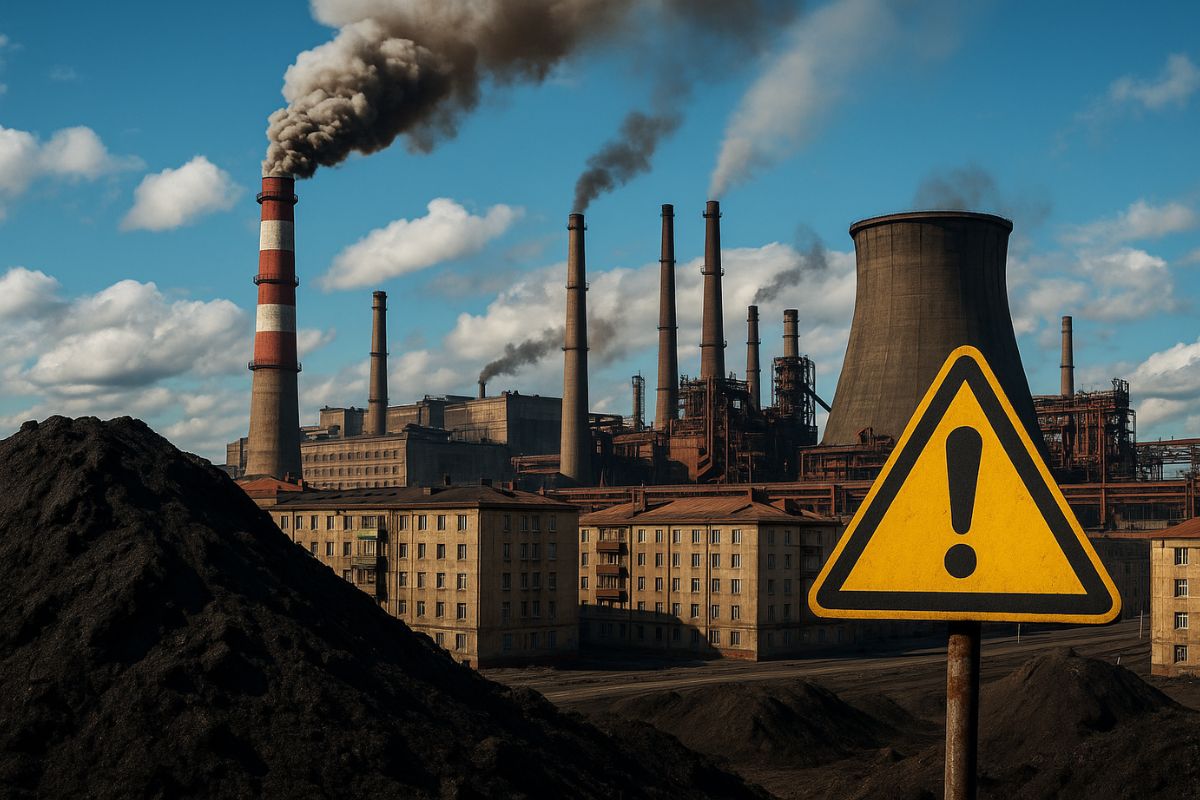
The Black Snow of Norilsk, in the Russian Arctic, Exposes a Century of Metallurgical Activity, Massive Emissions of Sulfur and Heavy Metals, a Public Health Crisis, and Infrastructure Threatened by Permafrost Thaw, While Promises of Pollution Reduction and Remediation Compete with Skepticism and the Risk of Greenwashing.
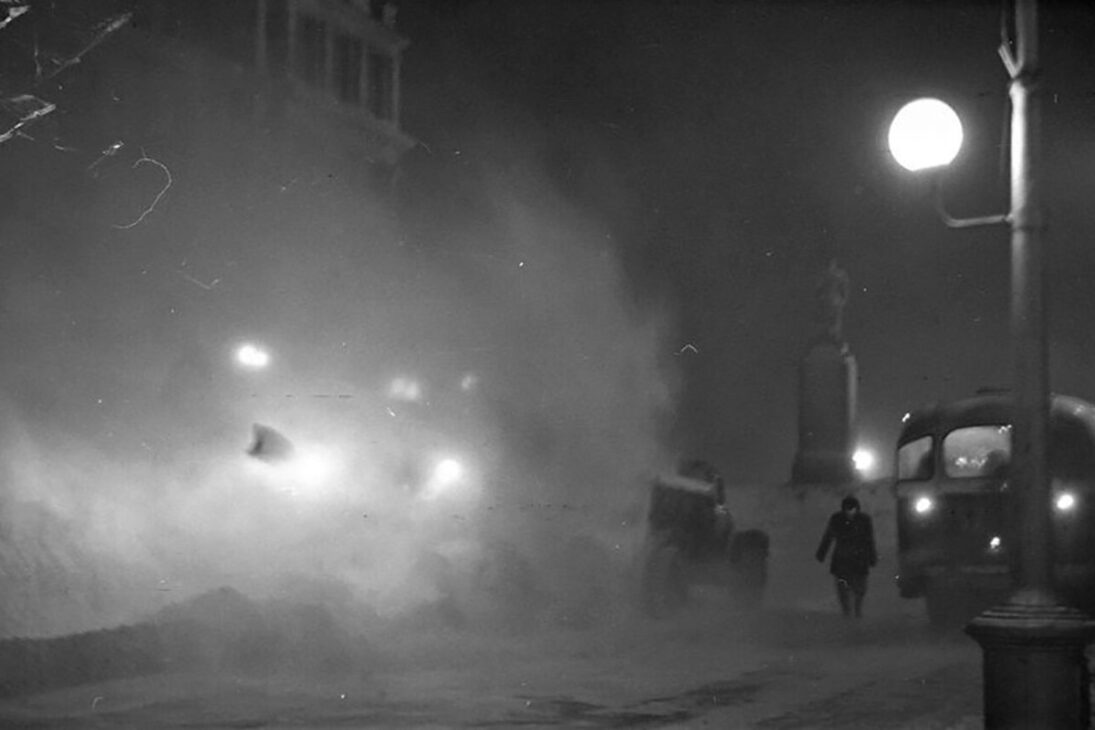
The black snow has become the most visible symbol of an ecosystem under constant stress. In Norilsk, above the Arctic Circle, the combination of a nine-month winter, restricted access, and a globally scaled smelting complex has created an environment where the white landscape is covered in seasonal soot, the air tastes sulfurous, and rivers can change color after industrial incidents. For those living there, the daily life occurs between extreme snowstorms and atmospheric emissions that have turned snow into a chemical indicator.
The impact is not just aesthetic. Pollution adds to a history of forced labor and a present of corporate monoculture, where metallurgical operations dictate wages, services, and infrastructure. At the same time, the thawing permafrost weakens foundations and reservoirs, increasing the risk of accidents like the major diesel spill of 2020. Amid plans for sulfur capture and promises of cleanup, the city seeks to balance economic survival and environmental mitigation.
What Is Black Snow and Why Does It Appear
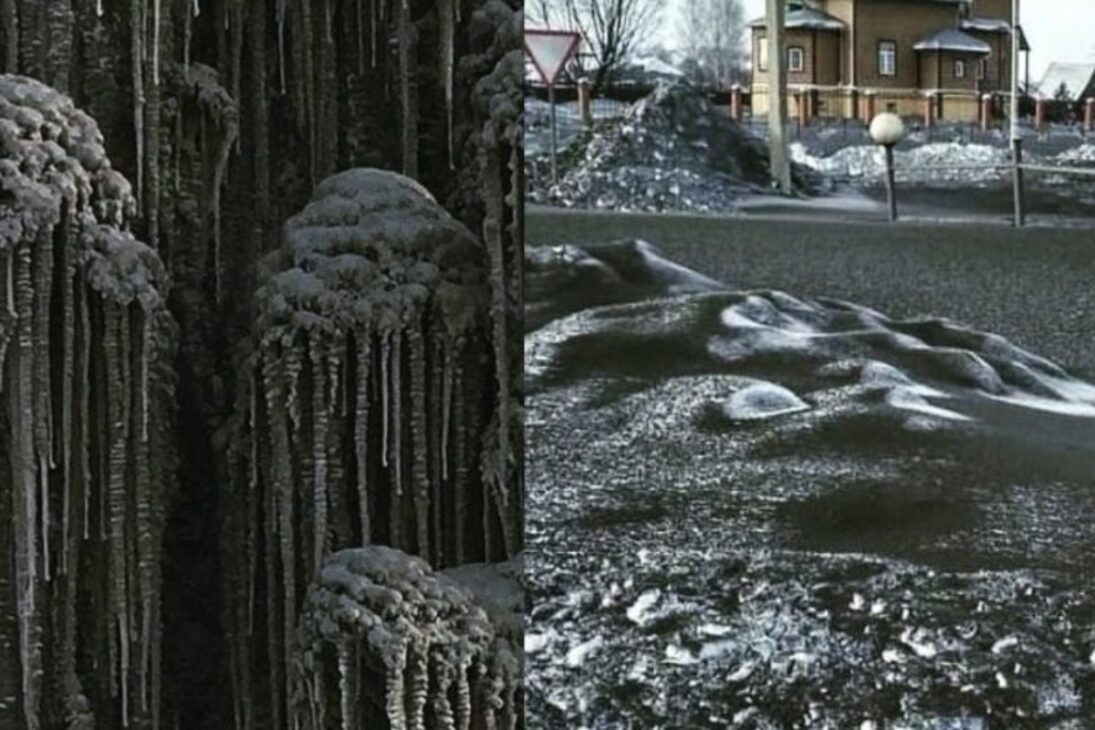
The term describes the deposition of industrial particles onto the snow, which remains on the ground for most of the year.
-
While restoring a historic mansion from 1910, a brick structure with an old turbine that generated energy from the Rio do Testo emerged, along with a hidden door and a rare floor concealed under layers of wax.
-
Italian researchers have detected what appears to be a second Sphinx buried under the sands of Egypt, and satellite scans reveal a gigantic underground megastructure hidden beneath the Giza Plateau for over 3,000 years.
-
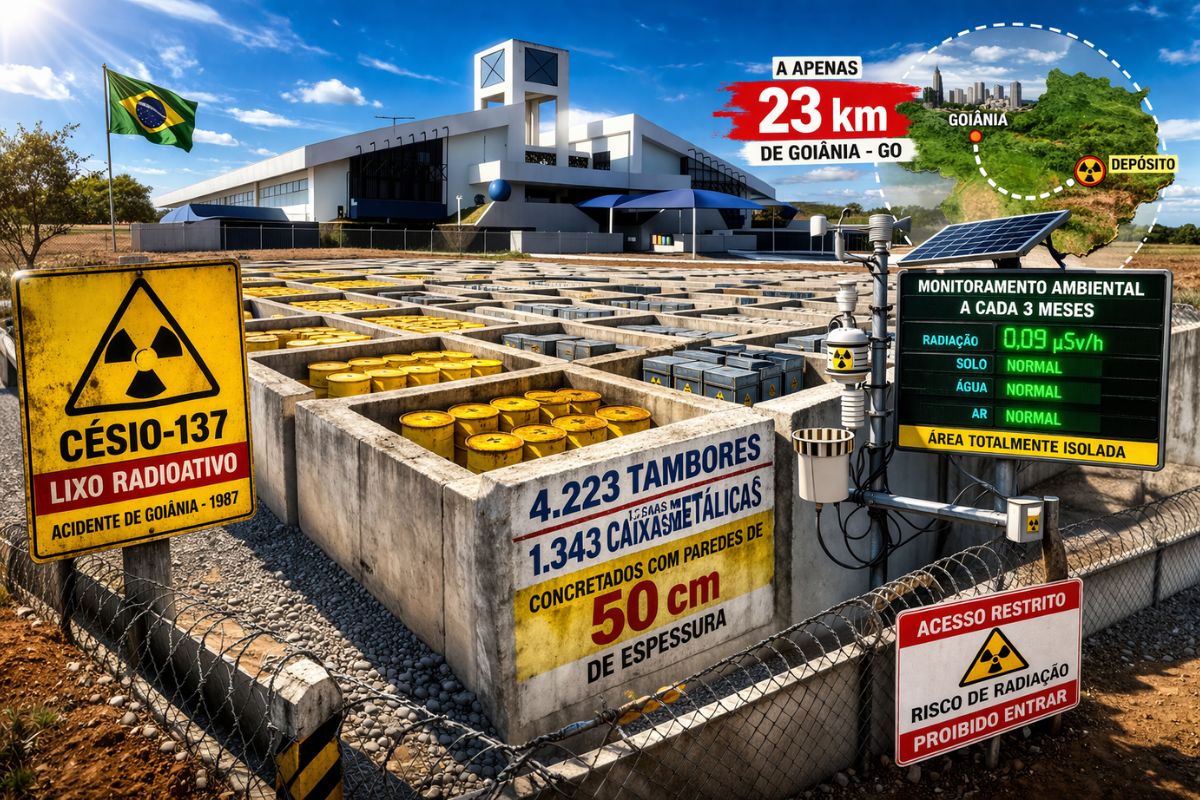
There are 4,223 drums and 1,343 metal boxes concreted with 50-centimeter walls that store the radioactive waste from Cesium-137 in the worst radiological accident in Brazil, just 23 kilometers from Goiânia, with environmental monitoring every three months.
-
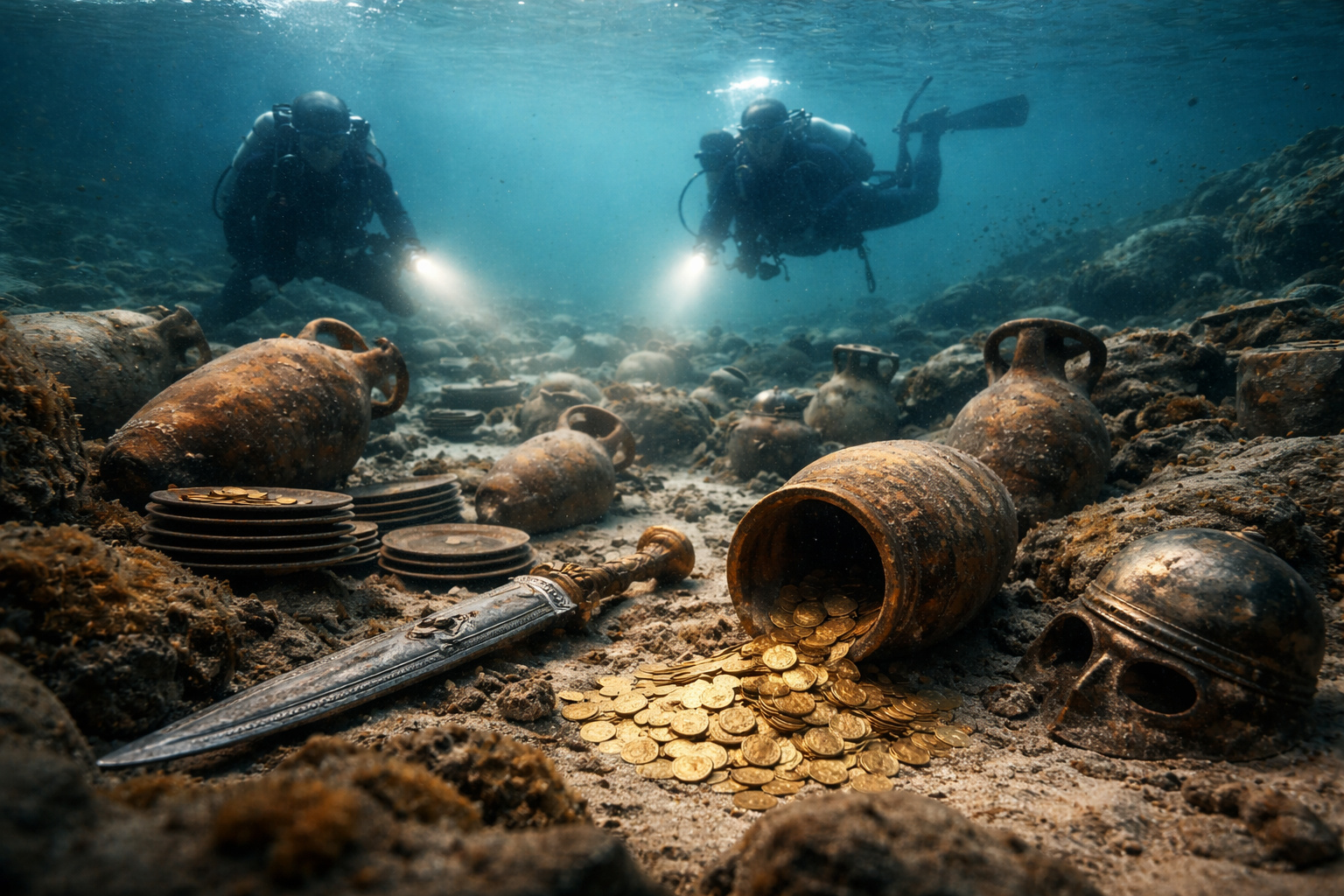
Giant Roman treasure found at the bottom of Lake Neuchâtel in Switzerland reveals an advanced trade system, circulation of goods, and armed escort in the Roman Empire about two thousand years ago.

In Norilsk, soot and residues from metallurgical processes cling to the white mantle, darkening streets, rooftops, and tundra, making visible what would otherwise remain suspended in the air. For residents, the phenomenon is recurrent, not an isolated event.
This coloration is a marker of combined emissions. In addition to particles, the local atmosphere concentrates industrial sources of sulfur dioxide, a precursor to acid rain that damages vegetation and accelerates corrosion. The summation of SO₂, metals, and particulate matter explains why black snow is a symptom, not the disease.
Satellites and environmental inventories position Norilsk among the largest human sources of SO₂ on the planet, with annual peaks in the millions of tons.
This gas, oxidized in the atmosphere, forms sulfates that worsen respiratory problems and degrade soils and forests. Visually, the effect is a landscape of sparse taiga, with trees burnt by acidity.
The burden is not limited to the air. Nickel and copper oxides released during the smelting process accumulate in the soil within a radius of several kilometers and contaminate water bodies.
Studies in the region report elevated levels of heavy metals in sediments and riverbanks, which amplify toxicological risks and hinder the natural recovery of ecosystems.
Consequences for Health and Daily Life
In terms of health, above-average respiratory morbidities are reported, with asthma and chronic irritations recurring in children and adults exposed.
Exposure to metals is linked to additional risks, such as neurological problems and reproductive effects, creating a public health scenario that is difficult to fully quantify in local historical series.
Daily life adapts. Families reorganize routines indoors, schools and services adjust activities to polar nights and air quality alerts. The normalization of the abnormal helps make daily life viable, but lowers the threshold of outrage and perpetuates a status quo of high environmental cost.
The genesis of Norilsk is tied to the mining and smelting complex established with forced labor during the Soviet period. The city evolved as a monoculture, where a single production chain concentrates jobs, housing, and services, creating a structural dependence on metallurgical activity and its Arctic logistics.
In the economic transition, the operation was privatized and verticalized, maintaining a global scale in the production of nickel, palladium, and copper. The result is a system where above-average salaries compensate, for many, the isolation, extreme cold, and pollution, attracting a workforce that is often transient.
Economy, Salaries, and the Psychological Cost of Living in the Arctic
The financial incentive is clear: higher wages than the Russian average, with supplements for severe weather, keep the social machinery running.
Commerce, leisure, and socialization migrate indoors, while the urban fabric, with a Soviet design, uses rows of buildings as windbreaks and relies on piles driven into the permafrost.
There are less visible costs. The prolonged polar night fosters anxiety, depression, and sleep disorders, and logistical isolation limits mobility and access. With the thawing of the permafrost, additional structural risks arise in foundations, pipelines, and tanks, requiring continuous maintenance investments.
The 2020 Collapse and the Promise to Reverse Damage
In 2020, a diesel tank rupture released about 21,000 tons of fuel into rivers and soils in the region, the largest spill in modern Arctic history. The immediate cause was foundation compromised by thawing, highlighting how climate and aging infrastructure combine to increase risks.
The incident resulted in billion-dollar fines and recovery plans involving the removal of contaminated soil, containment barriers, and revegetation. Still, diesel in cold environments persists longer, and ecological restoration is slower, imposing long-term monitoring.
Between Environmental Goals and the Risk of Greenwashing
After the accident, commitments such as reducing SO₂ emissions by up to 90% in key factories over this decade gained traction, as well as programs for removing scrap and liabilities from the Soviet era.
Sulfur capture projects and process modernization suggest a significant drop in atmospheric sulfur if delivered on time and at the promised scale.
Skepticism persists. Ambitious goals have been announced in the past without addressing the overall picture. The duality is inescapable: the same metals essential to the global energy transition sustain the local economy. When the demand for nickel and palladium rises, the pressure for production may collide with environmental deadlines.
What to Watch in the Coming Years
Critical indicators include independent measurements of SO₂ and particulate matter, metal levels in soil and water, and respiratory morbidity rates. In the infrastructure field, permafrost inspections and tank and foundation stability will be decisive to prevent new incidents.
On the socioeconomic axis, diversification beyond monoculture and investments in urban well-being may reduce vulnerabilities.
Data transparency, technical audits, and verifiable timelines will serve as a thermometer between real transformation and environmental marketing.
The black snow of Norilsk is a permanent alert. It reveals the accumulated cost of an industrial model that urgently needs to deliver measurable pollution reductions, adapt infrastructure to a warming Arctic, and protect the health of those who keep the city alive. Without consistent execution and independent verification, green promises are nothing but rhetoric.
For you, what should be the immediate priority in a city marked by black snow: total-scale sulfur capture, soil and river remediation, or infrastructure reinforcement over permafrost? Would you live or work in such an environment for higher wages? Share experiences in industrial hubs or cold regions and mention which policies really make a difference in daily life.







Seja o primeiro a reagir!