





 Portuguese
  English
  Spanish
  4 min of reading
  6 comments


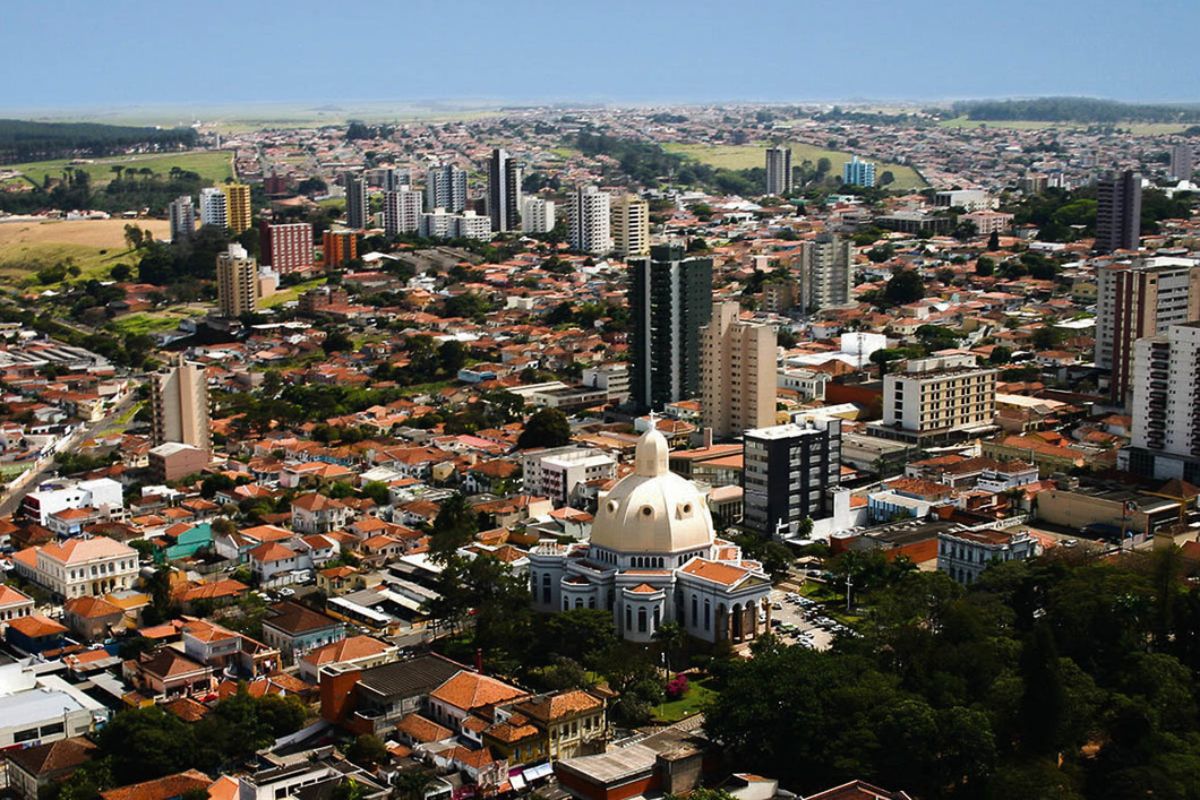


Understand How the Union Between USP, UFSCar and the Largest Concentration of PhDs in the Country Became Known as the City of Knowledge and Created a Technology and Startups Hub in the Interior of São Paulo
In the heart of the state of São Paulo, a medium-sized city stands out on the global innovation map. São Carlos is proof that long-term investment in education can transform a region. Known as the City of Knowledge, it boasts the title of “Technology Capital” for hosting one of the most dynamic startup ecosystems in Latin America, all driven by its two public universities, USP and UFSCar.
The secret to São Carlos’s success is no accident, but a project that started over 70 years ago. The city has the highest concentration of PhDs per capita in Brazil, a true army of brains that transforms scientific research into high-impact business. Billion-dollar companies like Tractian were born there, validating a unique model that is now being studied as a Brazilian “Silicon Valley.”
The Arrival of USP and UFSCar
São Carlos’s journey to becoming the City of Knowledge began in the post-war era. The creation of the School of Engineering of São Carlos (EESC), a campus of USP, was formalized by law in 1948, with its inaugural class taking place on April 18, 1953. This was the first and most important step in establishing a hub for high-quality engineer training in the São Paulo interior.
-
Returning to the Moon now costs a billion-dollar bill and reignites the competition between the USA and China for science, technology, and rare minerals on lunar soil.

-
A strong earthquake in Indonesia affects houses and schools, causes panic, triggers a tsunami alert, and records a rise in sea level of up to 30 centimeters in some areas.

-
While the world looks at oil, the war with Iran is already disrupting helium supply from Qatar, affecting car and iPhone chips, threatening AI expansion, and putting pressure on aluminum packaging at the highest value in four years.

-
Global warming will expose a treasure hidden under the ice of Antarctica and may spark an international dispute over gold and valuable minerals.


Two decades later, a second engine of development was installed. In 1968, the Federal University of São Carlos (UFSCar) was created. The new institution quickly demonstrated its vocation for the cutting edge by founding its Department of Computing in 1972. This pioneering initiative was the seed for what would become one of the country’s largest information technology hubs, training generations of programmers, engineers, and researchers.
One PhD for Every 100 Inhabitants, the Human Capital That Drives Innovation
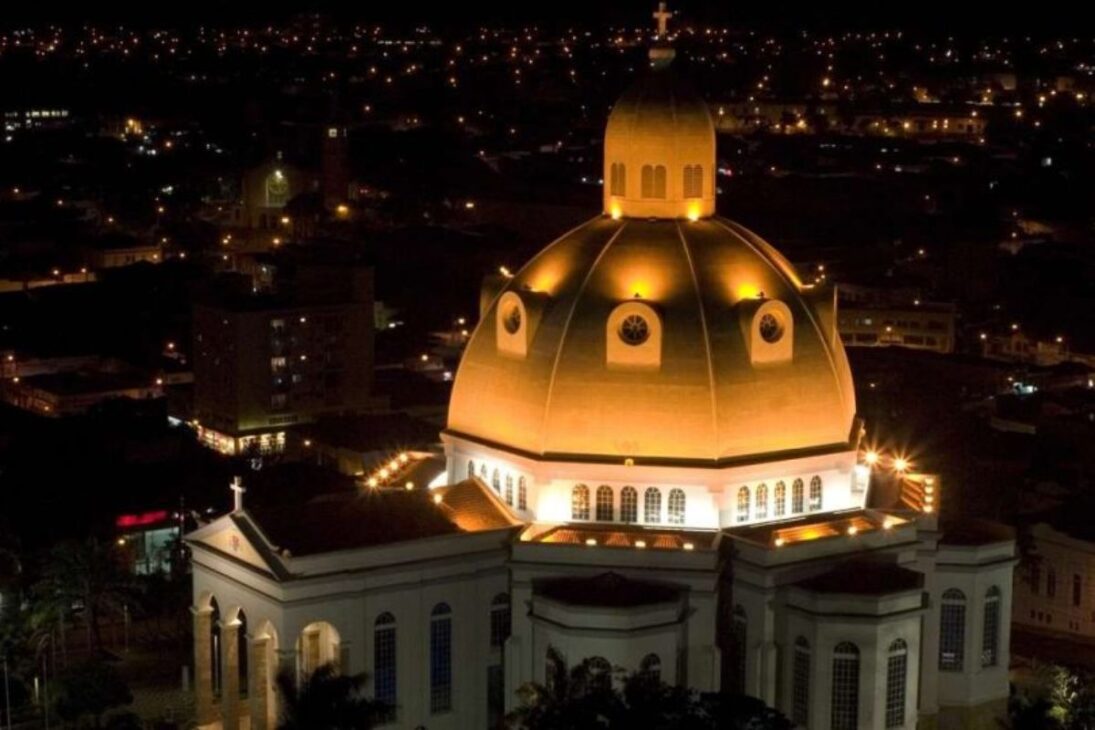
The result of decades of investment in higher education is São Carlos’s greatest differential: an unparalleled density of talent in Brazil. A 2019 study conducted by Professor Hamilton Varela, from the Institute of Chemistry at USP, revealed an impressive fact: the city has one PhD for every 100 inhabitants.
To get an idea of what this means, the national average is one PhD for every 10,000 inhabitants. This means that the concentration of researchers in São Carlos is 100 times higher than the Brazilian average. This super-qualified human capital is the fuel for high-complexity innovation, allowing the emergence of so-called “deep techs” — startups that arise from advanced scientific discoveries.
From Laboratory to Market, the Role of ParqTec and Public Funding
Having brilliant minds is not enough; it is necessary to create bridges between the university and the market. In São Carlos, this bridge began to be built on December 17, 1984, with the creation of ParqTec (São Carlos Technology Park). The institution became the first incubator for technology-based companies in Latin America, supporting the creation of over 250 startups since then.
An essential pillar is public funding. Agencies like FAPESP (São Paulo Research Foundation) play a crucial role. Through programs like PIPE, FAPESP finances the early and riskiest stages of research within small companies. It is the public sector that “bets” on science, allowing innovations to mature to the point of attracting private investments.
Success Stories That Were Born in the City of Knowledge
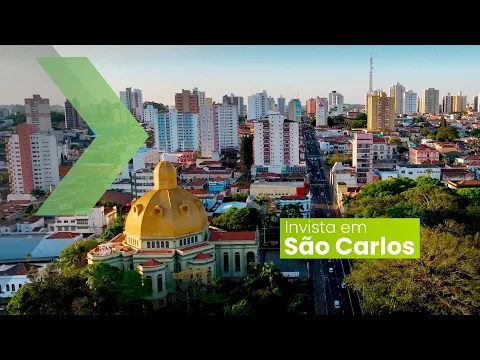

The “São Carlos Model” is validated by success stories that have gained international recognition. Tractian, founded in 2019 by former computer engineering students from USP, is the most recent example. The company, which uses artificial intelligence to monitor the health of industrial machines, was valued at R$ 1 billion and included in the prestigious Forbes AI 50 list, alongside giants like OpenAI.
Another emblematic case is Arquivei (now Qive). The startup, which created a solution for managing electronic invoices, made a giant leap in 2021 when it received a funding round of US$ 48 million (approximately R$ 260 million), led by a North American investment fund. These trajectories prove that the City of Knowledge not only generates ideas but also global scale businesses.








Não vivo dessa forma, as colocações dessa matéria. São Carlos poderia ser uma cidade mais agradável e acolhedora, entretanto ela é constituída de bolsoes de diferentes grupos que não se misturam. O desenho urbano é bem precário, a administração publica vive no bolsão mais inerte e congelado de todos. A cidade tem potencial mas o pedestal em que cada bolsão se mantém deixa a cidade de remendos!!
Infelizmente educação é saneamento não apresentam resultados antes das eleições e são relegados ao último plano
São Carlos realmente é surpreendente, com uma concentração de 1 doutor a cada 100 habitantes, me questiono desde quando lá vivi (até os 18 anos de idade- migrei para Campinas-SP no início dos anos 80): O conhecimento produzido nas excelentes atinge apenas a demanda no espectro tecnicista da sociedade ou sua produção acadêmica na área de humanas não dialoga com a comunidade local? Tal indagação está fundada na minha percepção de que
A cidade também concentra uma altíssima relação de conservadorismo e extremismo de direita por habitantes.
* excelententes Universidades Públicas
Se a concentração fosse de esquerdistas seria um estado pobre e **** com altíssima concentração de analfabetos por metro quadrado, como é a situação do Maranhão e da Bahia.
Boa noite, existe São Paulo, pois, os nordestinos que muitos trabalharam duro na construção.
Existe pobreza e analfabetismo no nordeste, por causa de grupos de políticos corruptos.O orçamento secreto é um exemplo.
Investir em educação é a solução.
Concordo plenamente com vc. Vejamos no NE, a falta de verba pra pesquisa e tão berrante, que muito manter investe do próprio bolso, concluí e sai fora do país. Isto e fato.
Toda as UFNE eu tenho visto só produz conhecimento pifiu, principalmente da área humana. Onde a esquerda penetra com domínio.