





 Portuguese
  English
  Spanish
 4 min of reading
  0 comments


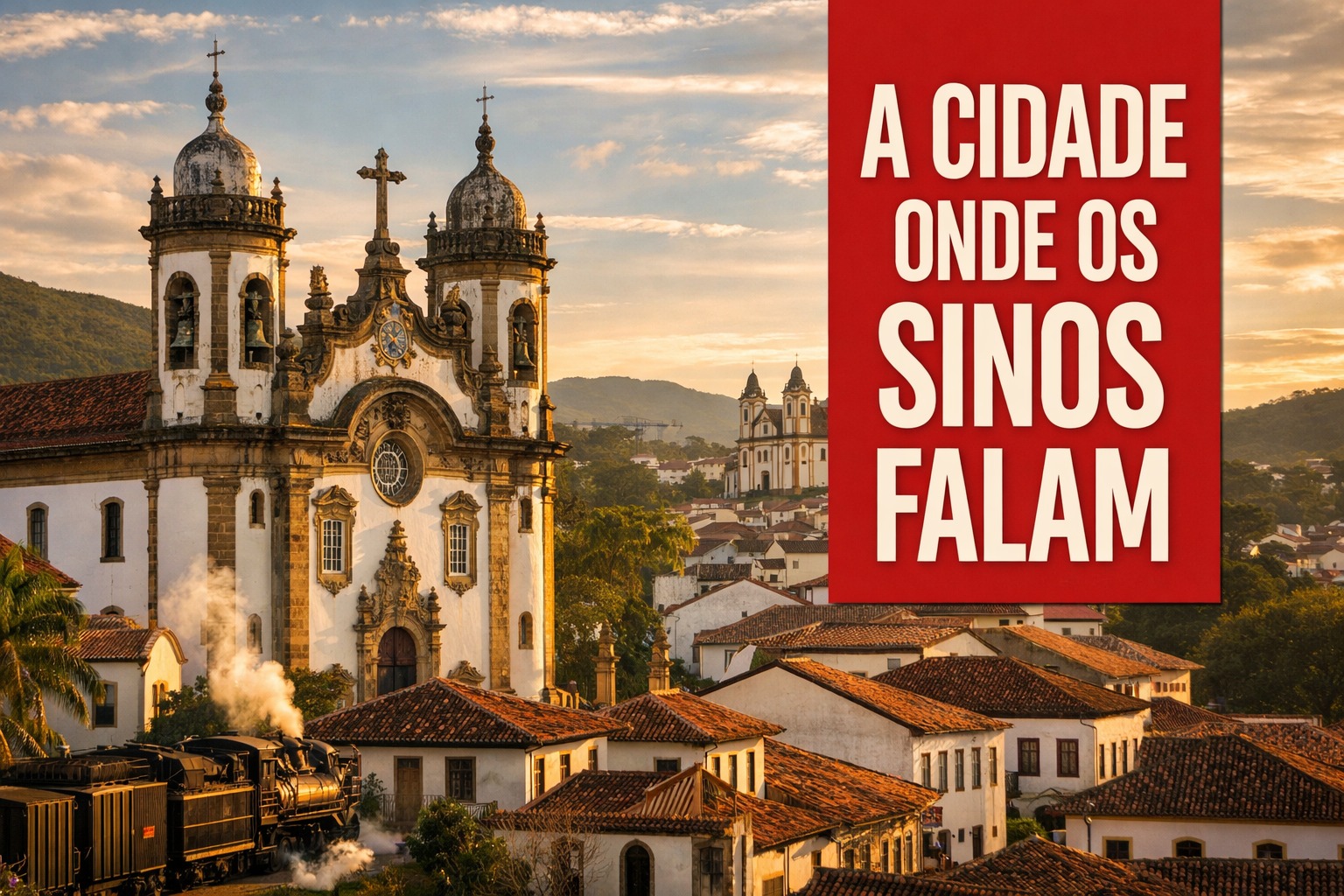
Among Monumental Churches, Sonic Tradition, University Life, and Minas Hospitality, São João del Rei Unites Past and Present in a Unique and Memorable Cultural Experience for Residents and Visitors
Founded in 1713 and located 185 km from Belo Horizonte, São João del Rei is known as The Land Where the Bells Speak. The title is no accident. The municipality is one of the most important historical cities in Minas Gerais and houses one of the largest baroque collections in Brazil, maintaining active colonial traditions in full contemporaneity.
Among stone hills, monumental churches, and a daily life that mixes past and present, the city has built a unique identity, nationally recognized.
A City That Communicates Through Bells
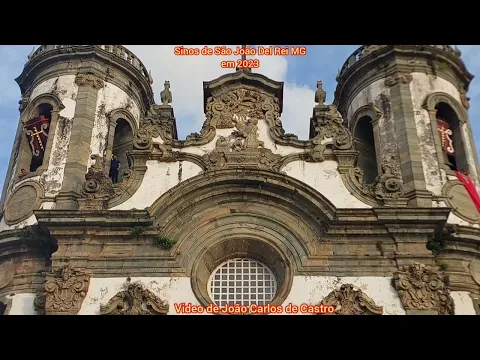
The tradition of bell ringing in São João del Rei is recognized as Cultural Heritage of Brazil by the National Institute of Historical and Artistic Heritage (IPHAN).
-
He started running at 66 years old, broke records at 82, and is now a subject of study for having a metabolic age comparable to that of a 20-year-old, in a case that is intriguing scientists and inspiring the world.

-
Oldest tree on the planet reappears after 130 years of searches: Wattieza, 385 million years old, was 10 meters tall and had no leaves or seeds; Gilboa fossils in New York solved the mystery in 2007.

-
A 48-square-meter house assembled in hours with 4,000 bricks made of recycled plastic that does not absorb moisture, has natural thermal insulation, and costs less than 90,000 reais in a complete kit.

-
Luciano Hang revealed that Havan’s air fleet has already accumulated more than 20,000 landings, 10,000 flight hours, and 6 million kilometers traveled, and he says that without the planes, the company would never have grown so quickly.


Each sequence of rings has a specific meaning, capable of informing the population about religious festivals, deaths, processions, and solemn moments.
It is a true sound language, understood by residents and passed down through generations.
This heritage originated in the 18th century and remains preserved thanks to the brotherhoods and fraternities responsible for the churches in the historic center.
The dialogue between the towers of the main churches organizes the social and spiritual life of the municipality, creating a sound atmosphere that finds no parallel in other parts of the world.


Daily Life Between an Open-Air Museum and Modern Life
Living in São João del Rei is to daily experience the feeling of being in a living museum. The stone streets and colonial houses coexist with varied commerce, structured services, and a population accustomed to hospitality.
The Minas hospitality is a notable trait, as is the intense cultural agenda that occupies almost the entire year.
The municipality also thrives on the energy of an active academic community.
Students from various regions of the country drive the economy, revitalize the nightlife, and strengthen sectors such as food, housing, and entertainment, creating a plural and intellectual environment.
Education and Human Development
São João del Rei has 90,000 inhabitants and has established itself as a hub for higher education in the Campo das Vertentes Region.
Data from the Brazilian Institute of Geography and Statistics (IBGE) indicate a Human Development Index of 0.758, which is considered high.
The Federal University of São João del-Rei (UFSJ) is the main local institution, offering dozens of undergraduate and postgraduate courses.
The presence of the university directly impacts the qualification of the workforce and the quality of health services, as well as stimulating scientific and technological production.
Experiences That Connect the Past and Present of the City
Tourism is one of the city’s major engines. Monumental churches, rare sacred art, and architectural details in soapstone allow for immersion in the gold rush era.
Among the highlights is the Church of São Francisco de Assis, with a garden of imperial palms and sculptures attributed to the master Aleijadinho.
Another attraction is the Maria Fumaça, which takes the historic railway route to Tiradentes in original 19th-century steam locomotives.
The Cathedral Basilica of Our Lady of the Pillar impresses with altars covered in kilos of gold, while the Tancredo Neves Memorial narrates the journey of the São João del-Rei politician linked to the redemocratization of the country.
Curiosities about these and other points are presented in a video from the De fora em Juiz de Fora channel, which has more than 70,000 subscribers and addresses topics such as colonial architecture and Minas cuisine.
Climate, Landscape, and Reasons to Live in the City
The tropical altitude climate ensures mild summers and cooler temperatures in the mountainous areas.
At an altitude of 898 meters, the city often records morning fogs that add charm to the baroque facades.
Among the main reasons to live in São João del Rei are the university environment, quality of life with low pollution rates, and the opportunity to experience an active cultural heritage without the costs of large metropolises.
With established urban infrastructure and strong historical preservation, the municipality continues to balance tradition and modernity.
Details such as winter festivals, religious events, and proximity to natural areas complete the scene of a city that continues to tell its own story, day after day.
With information from Correio Braziliense.








-

Uma pessoa reagiu a isso.