





 Portuguese
  English
  Spanish
  5 min of reading
  2 comments


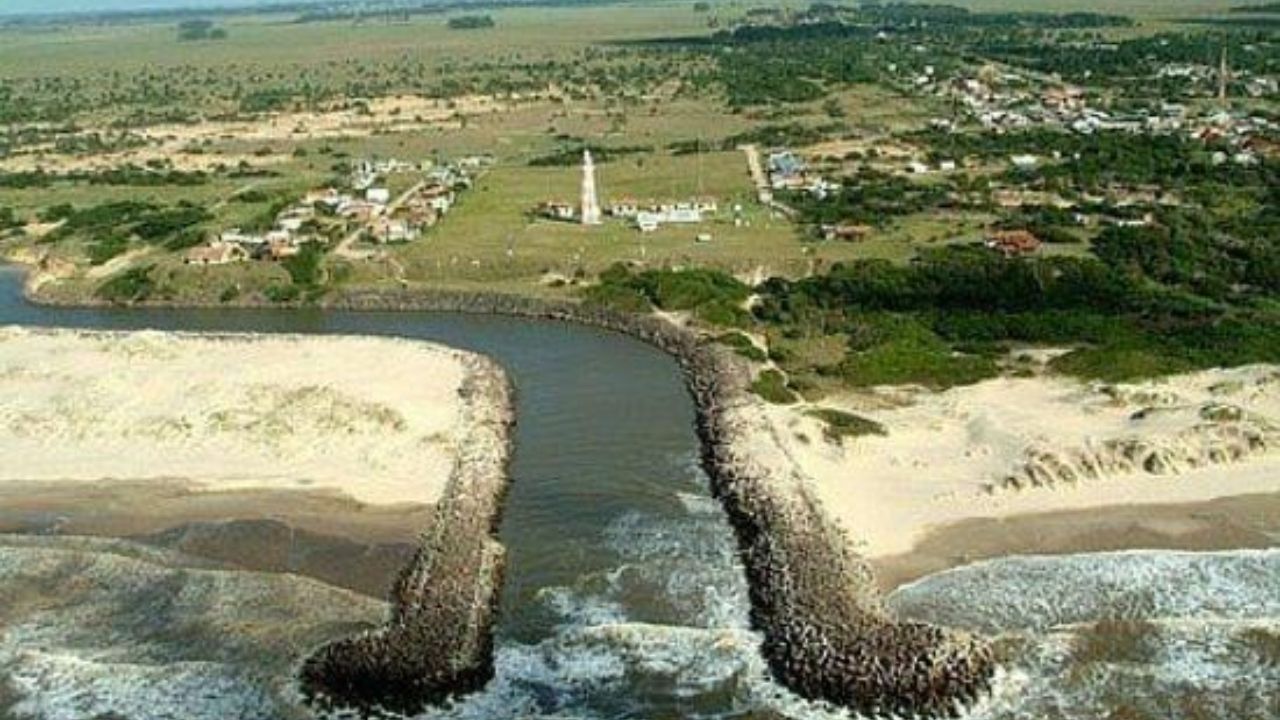


Located at the extreme point of the map, the gaucho city shares its main thoroughfare with the neighboring country, creating a unique binational culture and a vibrant economy driven by the border.
In popular imagination, the expression “from Oiapoque to Chuí” defines the vastness of Brazil. But what really exists at this endpoint of the territory? The s southernmost city in Brazil is a place of multiple identities: a gaucho municipality with a strong Uruguayan accent, a commercial center where the real, peso, and dollar circulate freely, and home to a community that literally lives with one foot in each country. Life in Chuí is marked by an integration so deep that the border becomes almost invisible.
This detailed portrait, based on information from Wikipedia, an academic analysis from FURG on the border, and climatological data from Weather Spark, unveils the layers that form the identity of this singular municipality. Here, the line that divides nations is, in fact, the central strip of an avenue that unites cultures, families, and a symbiotic economy, proving that the end of one country can be the beginning of a unique experience.
International Avenue: The Border That Unites Two Countries
The first thing that surprises those who arrive in Chuí (Brazil) and its twin city, Chuy (Uruguay), is the simplicity of the border. There are no walls, fences, or imposing gates. The official division is the International Avenue, a road whose central strip serves as a boundary marker. For residents, this configuration transforms the region into a single urban fabric. As highlighted by the southern border analysis conducted by FURG, the local perception is that the two cities are “just one”, with free circulation that defines daily life.
-
Rare frog thought to be extinct after only appearing in fossils reappears, becoming a ‘living relic’ of evolution and gaining a real path to spread after combating introduced predators.

-
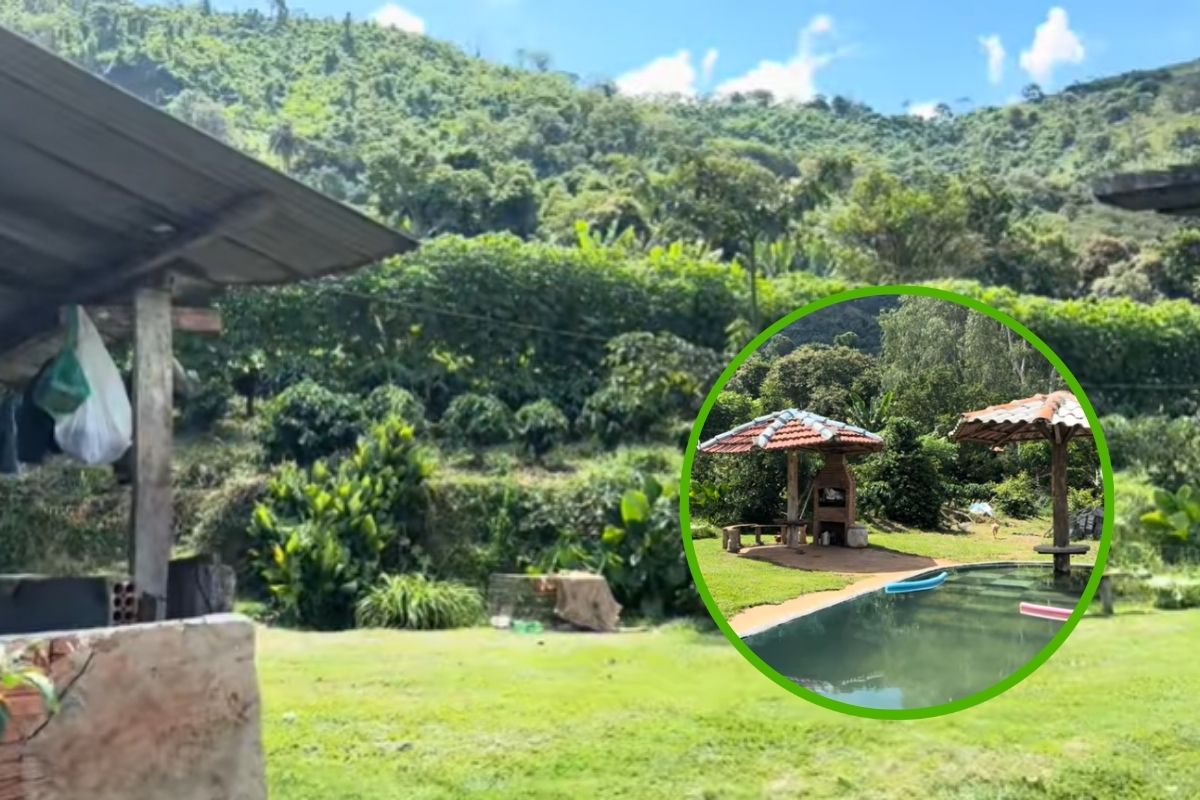
House without a door and without a window: a resident lives high in the mountains, says he enjoys the “free life,” mentions that the cat comes and goes hunting bats and rats, and that when it rains he wakes up with wet feet.
-
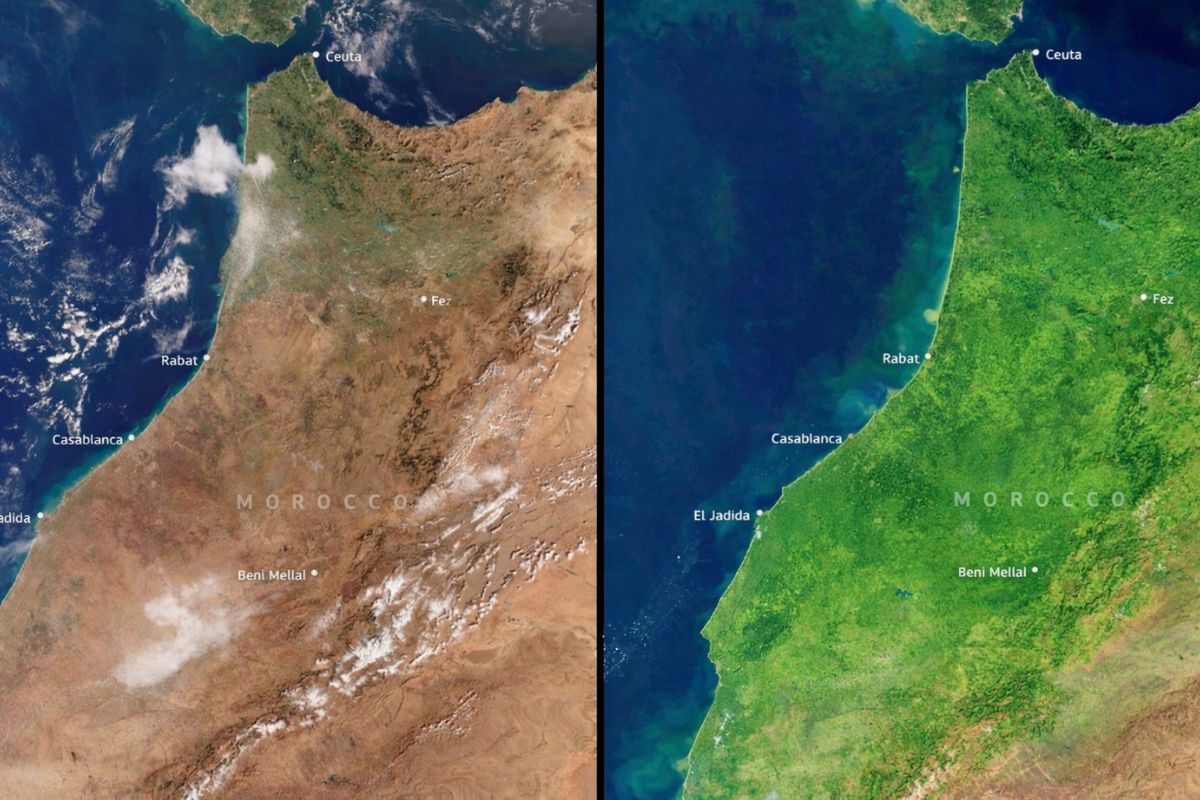
Satellite images show that Morocco became so green in 2026 that the country looks different from space: two months of heavy rains transformed arid land into dense vegetation for the first time in a decade.
-
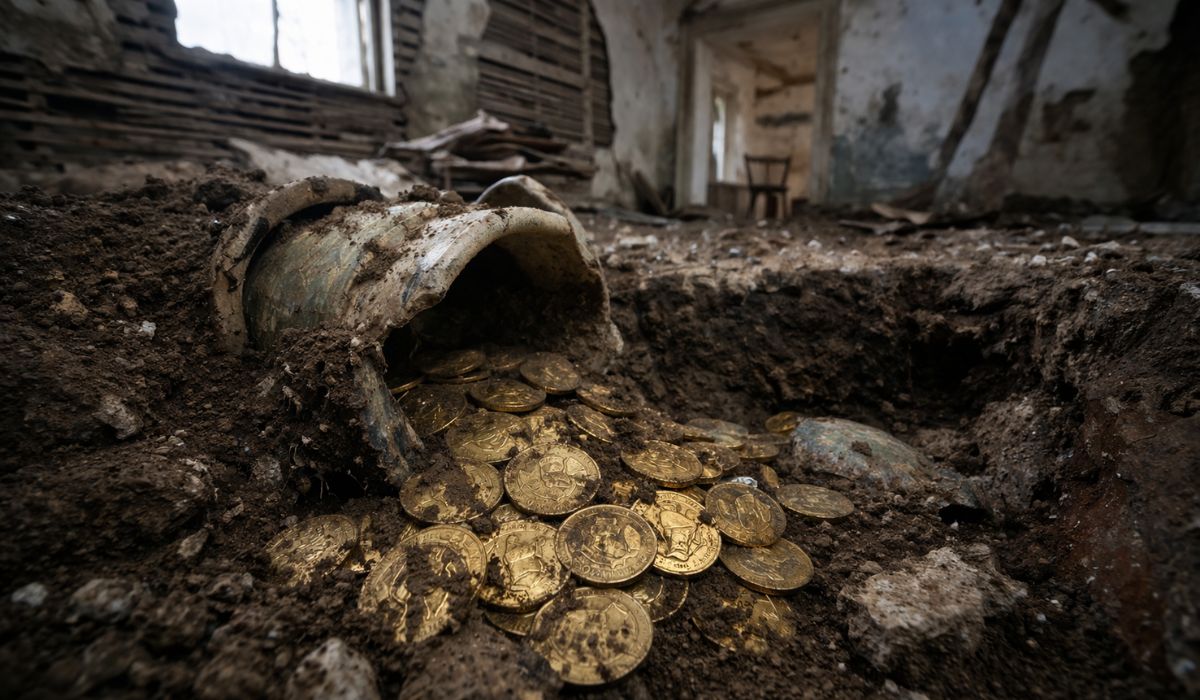
Archaeologists were excavating the foundation of a historic house in Russia when they discovered a buried treasure with gold coins, left behind in the final days of the Russian Empire and now valued at over R$ 2.8 million.

This fluidity is intentional. Customs and migration control posts have been strategically positioned kilometers away from urban centers, allowing people and vehicles to move between both sides without bureaucracy. It’s common to see residents who have lunch in Brazil and dinner in Uruguay on the same day, or who cross the avenue multiple times to shop, work, or visit relatives. This integration brings life to a border identity, where “portunhol” has become the lingua franca and many citizens hold dual nationality, referred to as doble chapas.
A Symbiotic Economy: Free Shops on One Side, Supermarkets on the Other


The economic dynamic of Chuí is the engine that drives this integration. The border functions as a resource, exploiting the tax differences between Brazil and Uruguay. On the Uruguayan side, the famous free shops are the main attraction, offering imported products such as perfumes, electronics, beverages, and clothing with tax exemption, drawing thousands of Brazilians. The trade is so vital that the city of Chuy resembles a large open-air mall.
Conversely, Uruguayans cross the avenue to the Brazilian side in search of products that are cheaper here, especially food, hygiene items, and basic clothing. The supermarkets and stores in Chuí are always bustling with customers from the neighboring country, creating a perfect relationship of interdependence. This constant exchange ensures a robust and resilient economic flow, where each side meets the needs of the other, making the border not a barrier but a commercial bridge.
Winter in the Far South: Cold and Windy but Without Negative Temperatures
The reputation of Rio Grande do Sul for its harsh winter often leads to a misleading image of the climate in the southernmost city of Brazil. It is common to associate the region with negative temperatures, frost, and even snow. However, the climatological reality of Chuí is quite different, mainly due to its coastal location and low altitude, which receive the strong influence of the Atlantic Ocean.
According to data from the Weather Spark platform, winter in Chuí is best described as mild and very windy. The average minimum temperatures rarely drop below 4 °C, and the occurrence of negative values is an extremely rare event. What truly characterizes the season are the constant and strong winds, which amplify the feeling of cold. Therefore, while a good coat is necessary to face the winter in Chuí, the idea of extreme cold, similar to that of the Serra Gaúcha, is nothing more than a myth.
A Mosaic of Cultures: Brazilians, Uruguayans, and the Arab-Palestinian Influence
The population of Chuí is as diverse as its economy. According to Wikipedia, the local demography is a tripod formed by Brazilians, Uruguayans, and a notable and influential community of Arabs of Palestinian origin. This latter migratory group has found in border trade a prosperous environment for entrepreneurship and today plays a key role in the commercial landscape of the city, especially in managing many stores on the Uruguayan side.
This mix of nationalities and cultures creates a unique social identity. Gaucho traditions, such as chimarrão and barbecue, blend with Uruguayan customs, such as parrilla and dulce de leche. In the streets, one hears Portuguese, Spanish, and, to a lesser extent, Arabic. Chuí is living proof that the identity of a place is not defined solely by its geographical location, but by the people who build it and how they interact, overcoming the borders imposed by maps.
Chuí transcends its reputation as merely the endpoint of Brazil. It is a vibrant city, a laboratory of cultural and economic integration, and a symbol of how borders can unite instead of separate. The experience of walking along its International Avenue, with one country on each side, offers a powerful lesson on coexistence and interdependence. The southernmost city in Brazil is not an end, but a portal that opens up to a rich South American experience.
Have you visited Chuí or any other border city? How was your experience with this binational culture and local trade? Share your story in the comments, we want to hear your perspective!





Há um erro no que se descreve em relação a foto da foz do ARROIO CHUI. A última cidade, realmente é Chui porém o marco mais meridional do Brasil é a FOZ DO ARROIO CHUI, QUE PERTENCE À CIDADE DE SANTA VITÓRIA DO PALMAR, Rio Grande do Sul, onde começa a maior praia, em extensão, do mundo.
O comentário aqui retrata fielmente a
ligação entre Uruguaios e Brasileiros, ambos desfrutam dos benefícios que são encontrados dos dois lados!!!
Pernoitei em Chuí e retornei para Porto Alegre!
Fiquei feliz em conhecer esta fronteira!!!