





 Portuguese
  English
  Spanish
  3 min of reading
  0 comments



Detroit: Where The Automotive Industry Was Born With Ford, GM, And Chrysler. The Motor City Revolutionized Cars And Is Now Reinventing Itself With Electric Vehicles And Sustainability
In the early 20th century, Detroit was already pulsing as an industrial center, with factories for wood, ships, and trains. But it was in 1903 that the city took a new direction with the founding of the Ford Motor Company by Henry Ford, a visionary engineer. In 1908, he launched the Model T, the first affordable car for the masses. “I want to build a car for the great multitude,” said Ford, according to the Ford Heritage Vault. And he delivered: the introduction of the assembly line in 1913 cut costs and accelerated production, changing forever how cars were made.
Detroit And The Big Three Shape The U.S. Automotive Industry With Ford, GM, And Chrysler
Ford’s innovation opened the doors for other automakers. General Motors, or GM, founded by William Durant in 1908, brought iconic brands such as Chevrolet, Cadillac, and Buick. Chrysler, completing the trio of the “Big Three,” solidified Detroit as the global epicenter of automotive production. Together, these companies employed hundreds of thousands of workers, attracting immigrants, especially African Americans from the southern U.S., in search of opportunities. “Detroit was the economic engine of the U.S. for decades, employing generations and shaping the middle class,” highlights automotive historian Mark Phelan from the Detroit Free Press.


From The Oil Crisis To Leadership In Electric Vehicles
The oil crisis of 1973 revealed the inefficiency of American cars, which consumed too much fuel. Compact and economical models from Japan, such as those from Toyota and Honda, began to gain traction. Automation and globalization also reduced jobs in the local industry, challenging Detroit’s prosperity. According to the Brookings Institution, the city lost about 150,000 jobs in the industry between 1970 and 1990, forcing a reinvention.
-
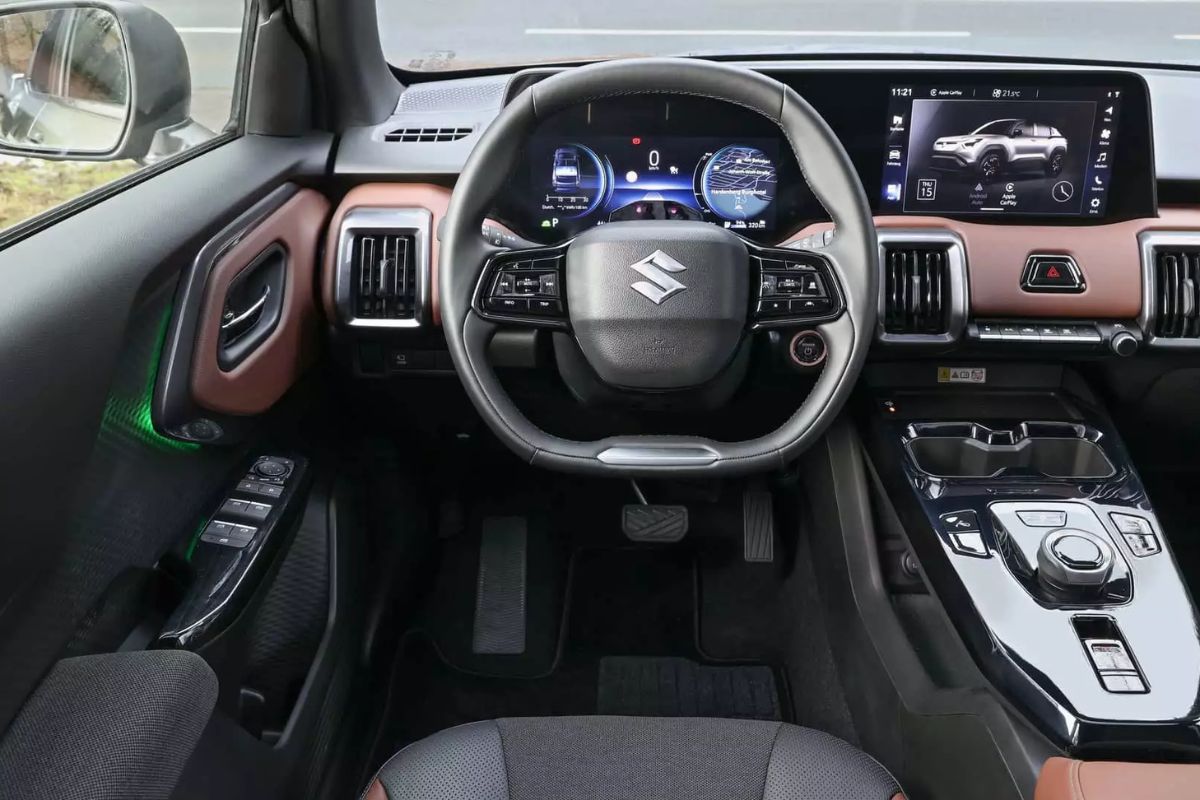
The 2026 electric Vitara arrives in Brazil and proves that Suzuki is not leaving: 4×4 traction, 184 hp, 61 kWh LFP battery, 293 km range, R$ 259,000, and a trunk capacity of 224 L.
-
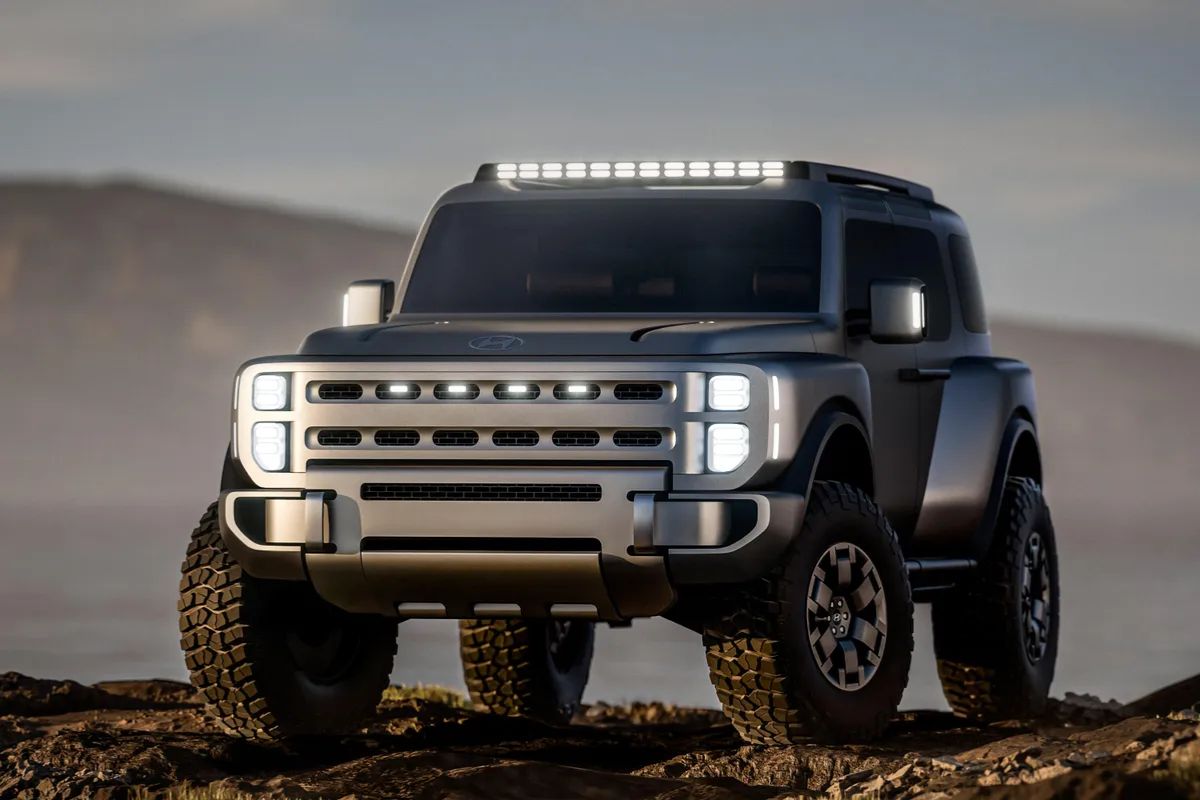
Hyundai has unveiled the Boulder, a square SUV with a body-on-frame design, 37-inch mud tires, and carriage-style doors that seems to be made to take on the Ford Bronco and the Scout Traveller in the United States.
-
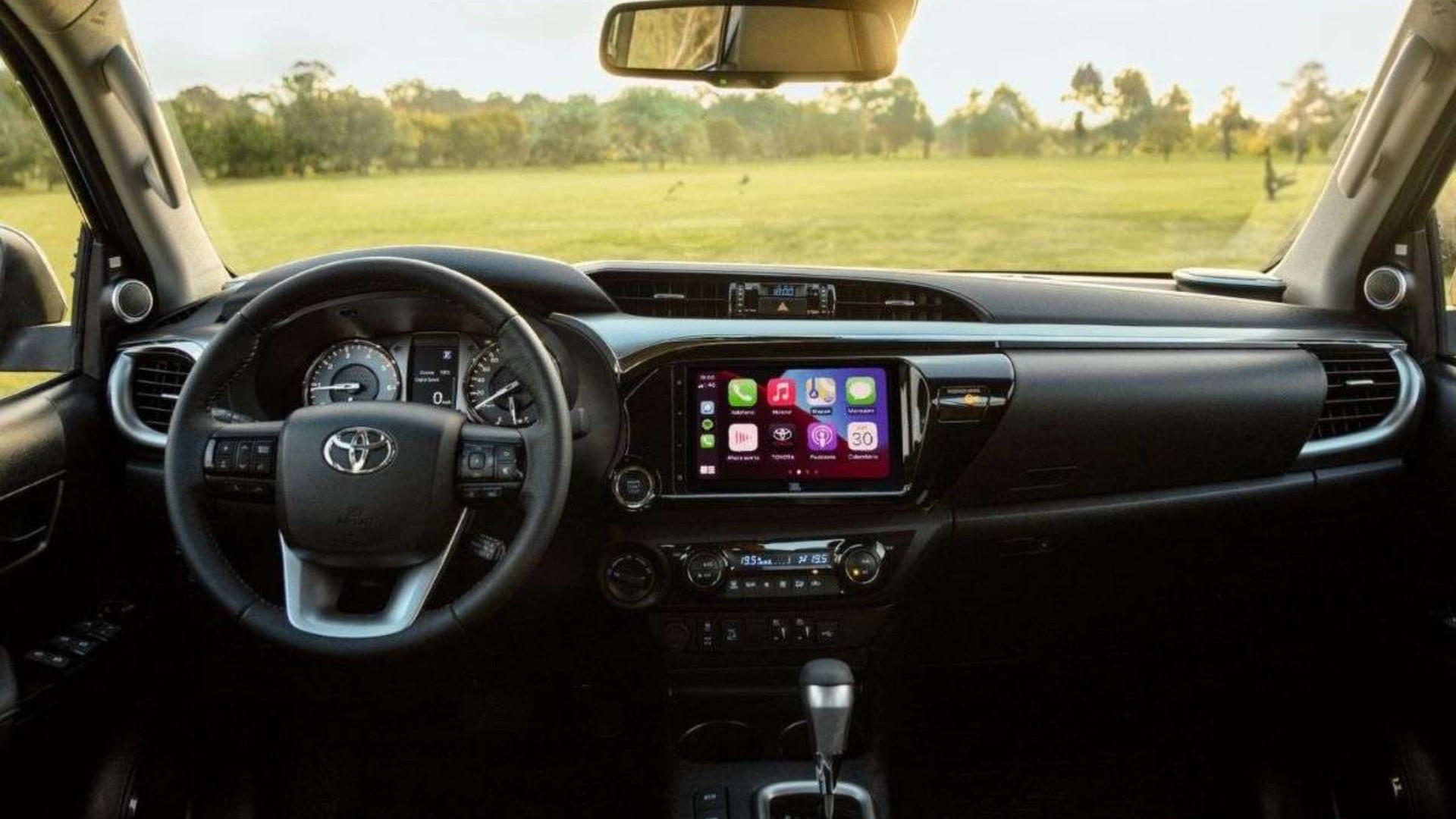
The Toyota Hilux is R$ 75.5 thousand cheaper and bets on the 2.8 turbodiesel engine with up to 204 hp and 50.9 kgfm to catch up with the VW Saveiro, which leads with 4,472 sales.
-
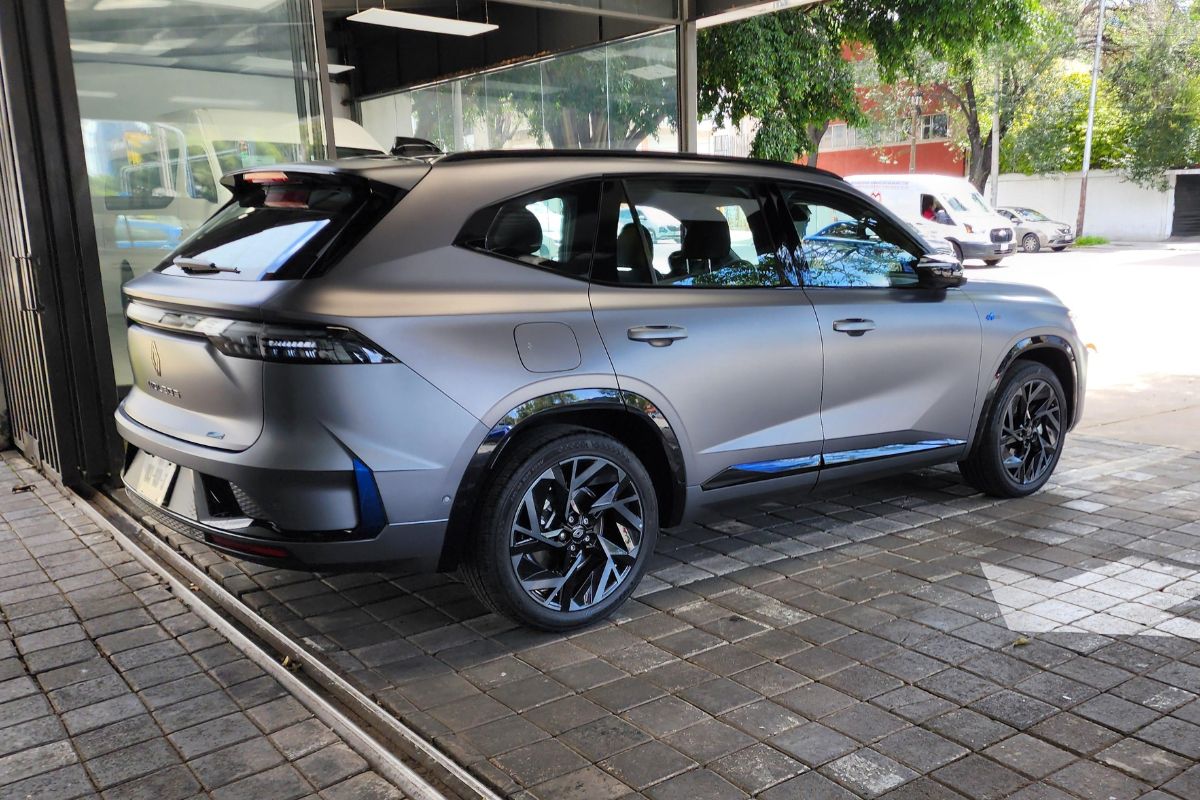
The new Renault Koleos has a screen exclusively for the passenger that is invisible to the driver, heated rear seats, and 29 assistance systems, but its Chinese competitors cost R$ 40,000 less and deliver more power.
Automakers are heavily investing in electric and autonomous vehicles. GM announced a $35 billion investment in electrification by 2030, while Ford plans to launch new electric models, such as the F-150 Lightning. The Detroit Auto Show, which returned to its traditional format in January 2025, is the showcase for these innovations, with launches that resonate globally. “We are building the future of mobility here,” said Mary Barra, CEO of GM, in an interview with CNBC.
Startups And The Connected Future
In addition to the giants, Detroit shines with technology startups. Companies like Rivian and Waymo are transforming the city into a hub of smart mobility. The Michigan Economic Development Corporation estimates that over 500 automotive startups are operating in the region by 2025, focusing on connectivity and sustainability. This new wave is attracting young talent and investments, with the city reinventing itself as a center of innovation. “Detroit is not just nostalgia; it’s where the future of cars is being designed,” asserts automotive analyst Jessica Caldwell from Edmunds.
Detroit: The City That Shaped The Automotive Industry
Detroit is not just a city; it is a symbol of the industrial revolution, car culture, and resilience. Every vehicle on the roads of the world carries a piece of this history. With its new commitment to sustainable and connected mobility, the Motor City proves it still has plenty of fuel to burn.
What did you think of the story of Detroit? Tell us in the comments what surprised you the most or share it with someone who loves cars!










-

Uma pessoa reagiu a isso.