





 Portuguese
  English
  Spanish
 4 min of reading
  0 comments


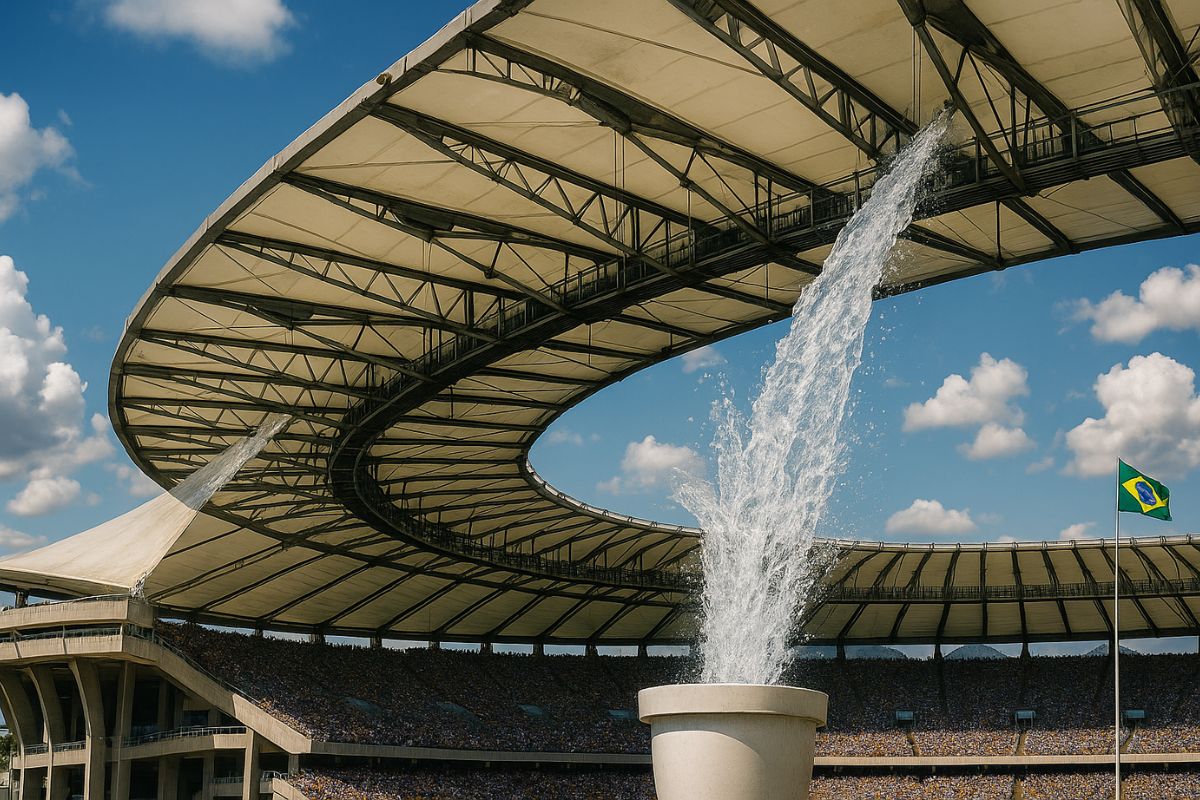
The Maracanã Roof, Installed for the 2014 World Cup, Weighs 12 Thousand Tons, Uses Fiberglass and Teflon, and Was Designed to Capture Rainwater for Reuse, Unite Sustainability with Engineering, and Protect Almost the Entire Audience of the Stadium.
The Maracanã roof is one of the most advanced and emblematic elements of the modernization of the Rio de Janeiro stadium. Specifically designed for the 2014 World Cup, it combines international technology, precision engineering, and sustainable solutions to transform the main stage of Brazilian football into a world-class arena.
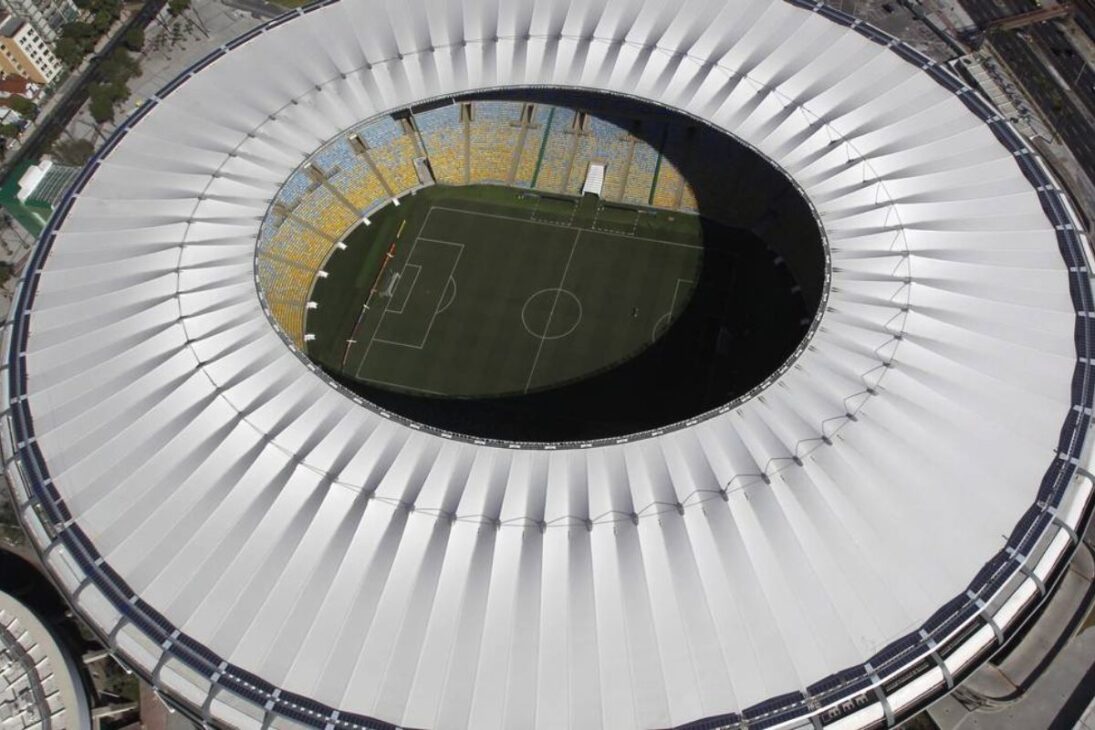
Composed of 120 fiberglass membranes coated with Teflon (PTFE), the structure covers 46,500 square meters, weighs 12 thousand tons, and protects about 95% of the seats, ensuring comfort for the audience even during heavy rain. In addition to the modern design, the system was conceived to capture and reuse rainwater, a feature that enhances the ecological character of the project.
Engineering and International Technology in the Maracanã Roof
The Maracanã roof was the result of multinational collaboration.
-
While restoring a historic mansion from 1910, a brick structure with an old turbine that generated energy from the Rio do Testo emerged, along with a hidden door and a rare floor concealed under layers of wax.
-
Italian researchers have detected what appears to be a second Sphinx buried under the sands of Egypt, and satellite scans reveal a gigantic underground megastructure hidden beneath the Giza Plateau for over 3,000 years.
-
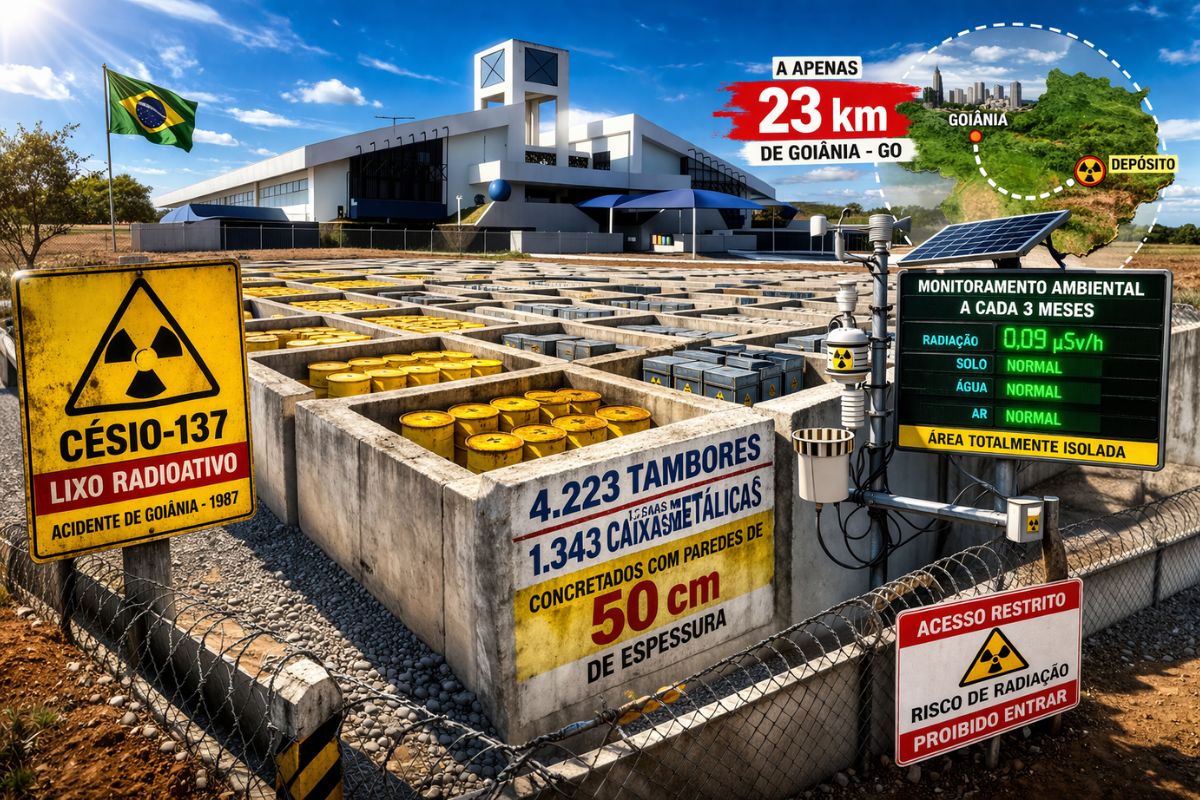
There are 4,223 drums and 1,343 metal boxes concreted with 50-centimeter walls that store the radioactive waste from Cesium-137 in the worst radiological accident in Brazil, just 23 kilometers from Goiânia, with environmental monitoring every three months.
-
Giant Roman treasure found at the bottom of Lake Neuchâtel in Switzerland reveals an advanced trade system, circulation of goods, and armed escort in the Roman Empire about two thousand years ago.


The main engineering is German, the fiberglass membrane with Teflon came from France, and the suspension cables were manufactured in Switzerland.
This combination gave rise to a cable-stayed structure, supported between a compression ring and a tension ring, a model inspired by cutting-edge European designs.
In total, 55,820 kilometers of material were used to form the supporting network.
The lightweight and flexible design allows for resistance to strong winds and durability under intense sunlight, while also reducing the overall weight of the structure compared to conventional roofs.
The result is a combination of aesthetics, structural efficiency, and sustainability, without compromising the visibility or acoustics of the games.
Sustainability: Rainwater Capture and Energy Generation
One of the most innovative aspects of the Maracanã roof is the rainwater reuse system.
The captured water is directed to underground reservoirs and reused in restrooms, cleaning, and lawn irrigation.
This solution reduces the consumption of potable water and helps the stadium maintain the international environmental seal LEED Silver, awarded to sustainable constructions.
The roof houses solar panels with an annual generation capacity of 538 thousand kWh, enough energy to supply hundreds of homes per year.
This combination of clean energy and water reuse has made Maracanã a pioneering example of ecologically efficient stadium in Latin America.
Dimensions and Visual Impact of the Structure
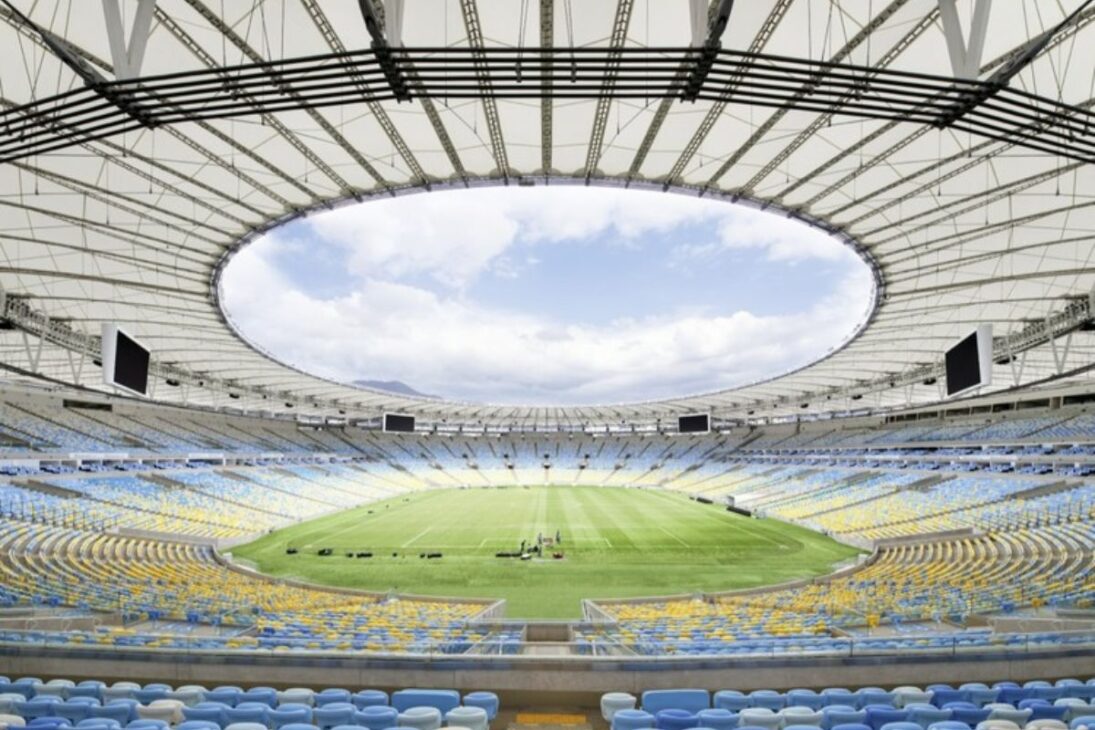
The Maracanã roof measures 295 meters in length by 258 meters in width, with a central opening of 160 by 122 meters that guarantees natural light on the field and air circulation.
The amplitude and oval shape create a striking visual effect when observed from above, making the stadium one of the most recognizable constructions in the world.
Beyond aesthetics, the project was designed to optimally enhance the audience experience.
Thanks to the slanted design, visibility is preserved from any point in the stands, and the structure reflects part of the ambient sound, enhancing the acoustic effect of the crowds, an emblematic feature of the games at Maracanã.
Controversies and Maintenance of the Roof Over the Years
Despite its modernity, the Maracanã roof has not escaped controversy.
Shortly after the inauguration, there were criticisms regarding the acoustics and the removal of the original marquee, considered part of the stadium’s historical heritage.
In 2017, technical reports indicated damage and wear on the membranes, with a lifespan estimated between five and ten years.
A 2021 report commissioned by Flamengo, one of the clubs managing the stadium, identified risk of accidents and urgent maintenance needs, which led to repair works costing R$ 2 million.
Since then, periodic interventions have become routine to preserve safety and structural performance.
Lighting and Curiosities About the Structure
The roof features 480 RGB LED projectors, with a lifespan of over 70 thousand hours, allowing for thematic lighting and visual shows during games and events.
The system can be programmed to display specific colors in the stands and create effects synchronized with sound and fireworks, making Maracanã an adaptable space for large sports and cultural productions.
Another curiosity is the automated irrigation system for the lawn, integrated with rainwater capture, which has 54 sprinklers distributed under the grass.
This automation reduces water waste and maintains ideal conditions for matches in any weather, reinforcing the balance between technology and sustainability.
The Symbolic and Technical Importance of the Roof
More than an architectural component, the Maracanã roof represents the integration of engineering, environmental efficiency, and national sports heritage.
The structure not only modernized the stadium for the 2014 World Cup but also raised the technical and aesthetic standard of Brazilian football in the eyes of the world.
With 12 thousand tons of innovation, it has become a landmark of engineering in sports and a model of how large arenas can unite tradition, sustainability, and technical performance in a single project.








-

-

-

-

11 pessoas reagiram a isso.