





 Portuguese
  English
  Spanish
  4 min of reading
  0 comments


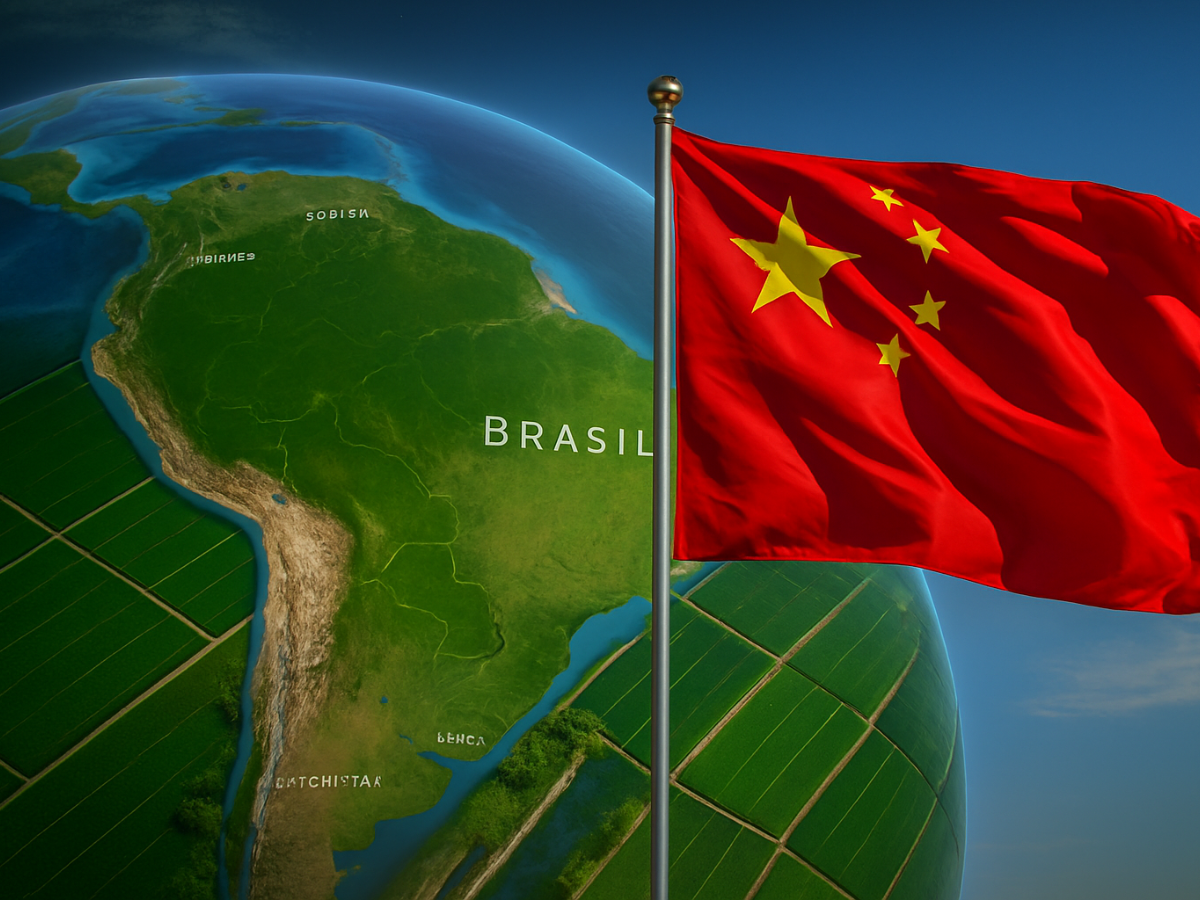
Understand How Companies and Funds from China, the US, and Singapore Acquire Millions of Hectares, the Challenges for Food Sovereignty, and the Legal Scenario Behind the Purchase of Lands in Brazil
Brazil, an agribusiness superpower, has become a central arena for global food security ambitions. Companies and investment funds from China, the United States, and Singapore, among others, are discreetly but massively acquiring land in Brazil. This movement aims to ensure the production of food and commodities for their nations, but occurs amid an intense debate about sovereignty, sustainability, and development.
Understand the complex dynamics behind the purchase of lands in Brazil by foreigners. We analyze the strategies, the volatile regulatory landscape, and the socioeconomic and environmental impacts of this growing international influence on our territory.
The Brazilian Agricultural Frontier in the Global Hunt for Food Security
With vast stretches of arable land, Brazil is a magnet for international investment, fitting into the so-called “global land rush”. This phenomenon, intensified by the food price crisis of 2008, leads import-dependent nations to seek land in other countries to secure their supply.
-
Unable to pass through Hormuz, Brazil activated a plan B that uses Turkey as a gateway to the Middle East: the route through Gibraltar and the Mediterranean is longer and more expensive but ensures that chicken, beef, and corn continue to reach Arab markets.

-
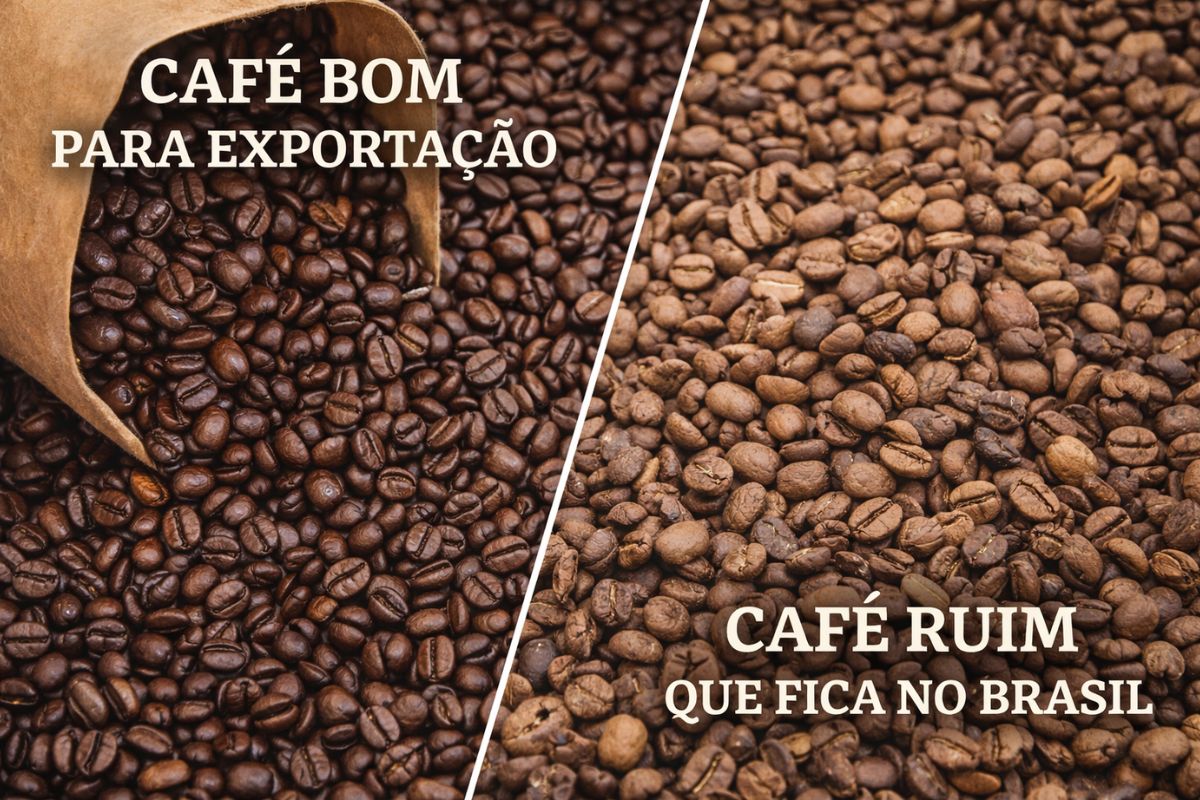
You grew up hearing that the good coffee from Brazil goes all abroad and the bad coffee stays for Brazilians, but this story has completely changed, and the numbers show that in the 1980s, thirty percent of the coffee sold here was adulterated with corn and barley.
-
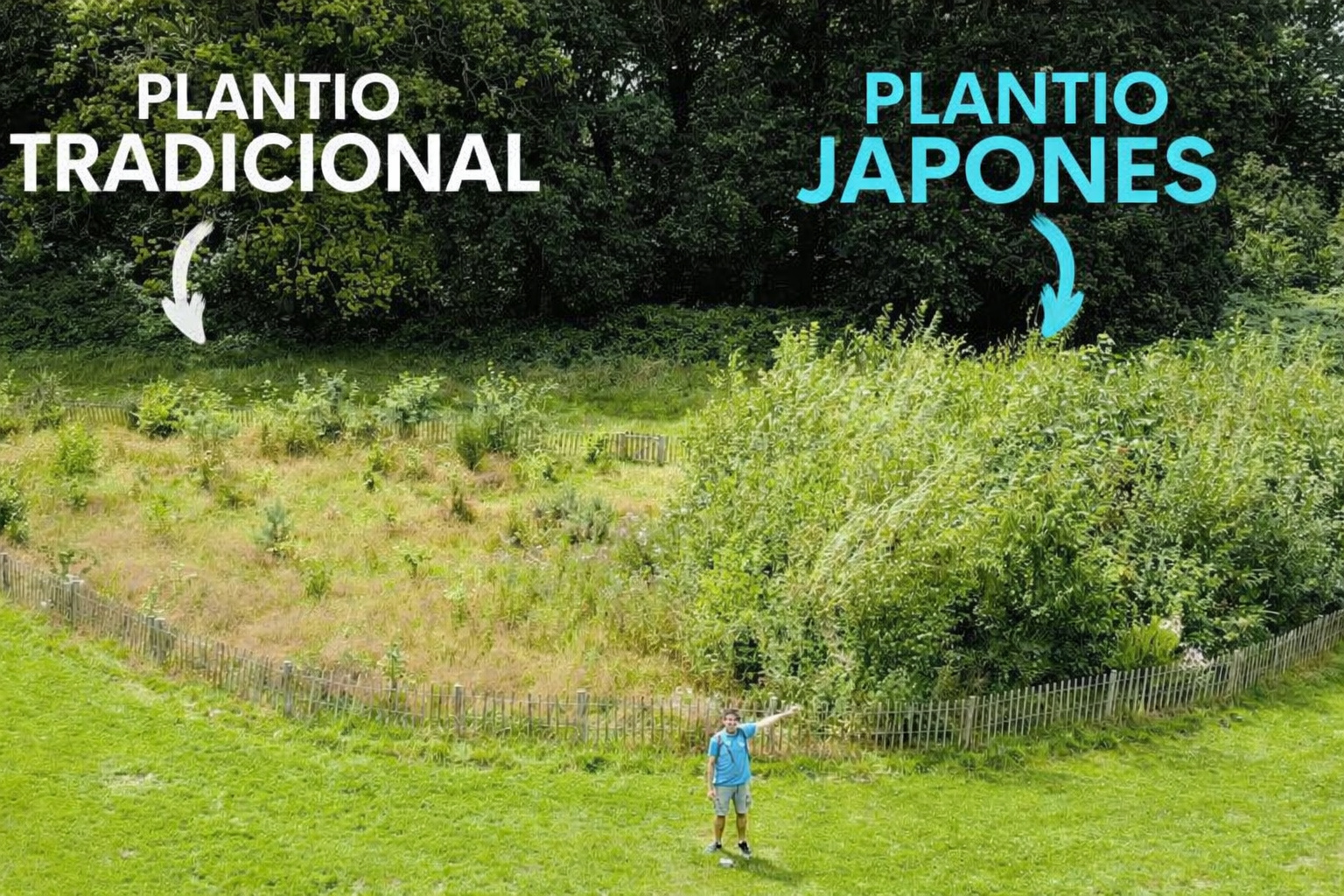
Engineer creates reforestation method that transforms small plots into dense forests in a few years using local biomass and can reduce environmental recovery costs.
-
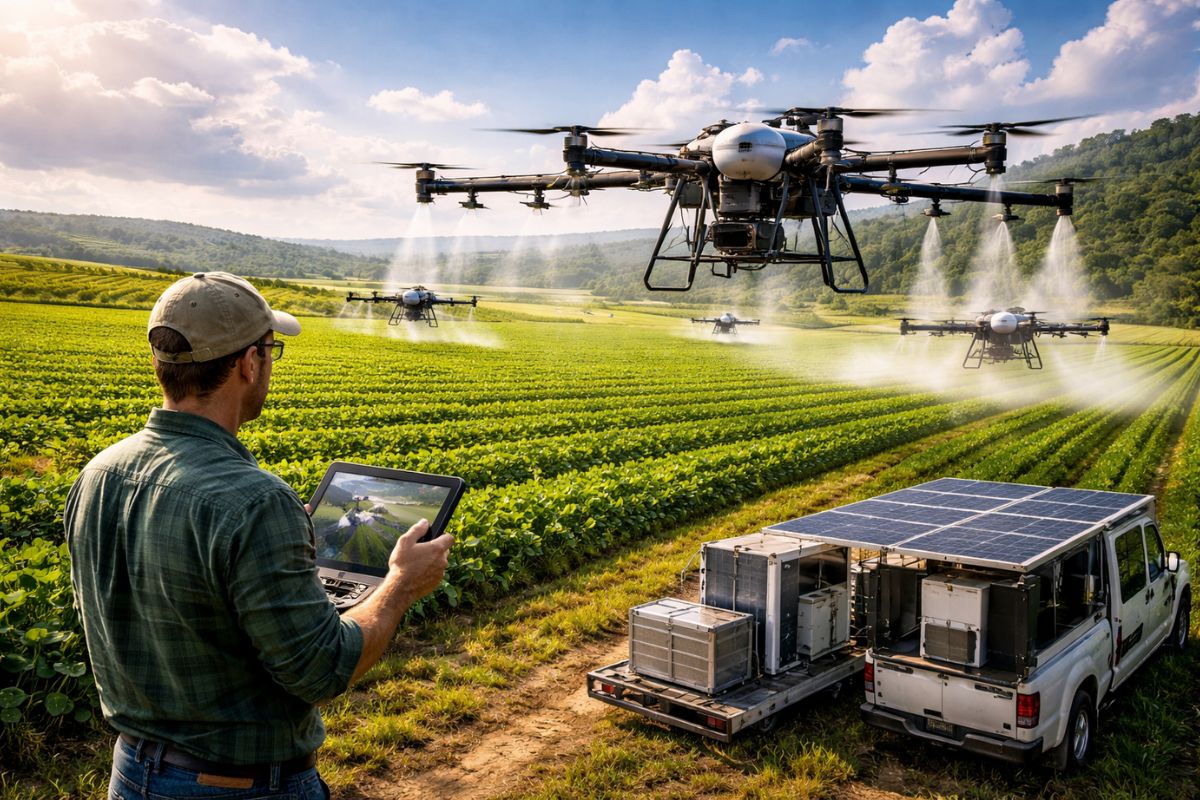
Alone, the producer applies 7,400 hectares with the T100 drone in an optimized structure, replaces the generator with a silent battery, and demonstrates how technology reduces costs, increases productivity, and even challenges the uniport in the field.

Acquisitions, however, are often “discreet”. Investors employ sophisticated strategies to circumvent legal restrictions, such as forming joint ventures and complex shareholding structures. The concept of “control grabbing” is key: even if the land remains in the name of Brazilians, control over production and profits is exercised by foreign entities.
The Uncertainty in the Purchase of Lands in Brazil by Foreigners

The regulation of land ownership by foreigners in Brazil is marked by a long history of ambiguities. The main law is Law No. 5.709 of 1971, which imposes restrictions on purchases, such as area limits by municipality. However, its interpretation has changed over time.
An opinion from the Attorney General’s Office (AGU) in 2010 made the rules stricter, equating Brazilian companies with foreign control to foreigners. This decision generated legal insecurity and led to the presentation of Bill 2.963/2019, which aims to regulate the issue. Approved in the Senate in 2020, the bill continues to move slowly in the Chamber in 2025, prolonging uncertainty. Proponents argue that it would bring security to unlock investments, while opponents fear risks to food sovereignty and the environment.
Strategies of China, the US, Singapore, and Other Investors
Different countries and entities employ distinct strategies in the purchase of lands in Brazil.
China: Through the state-owned giant Cofco International, China focuses on building integrated supply chains. The company heavily invests in infrastructure like ports and silos to facilitate the export of Brazilian soybeans, corn, and sugar to the Chinese market.
US: American investors, including endowment funds like Harvard University’s, have acquired agricultural land, mainly in the Cerrado (Matopiba). These investments, however, have already been associated with controversies over deforestation and land grabbing.
Singapore: As a city-state dependent on food imports, Singapore sees Brazil as a crucial partner. Its sovereign funds, such as GIC, invest strategically in the Brazilian agribusiness, including in biological input companies.
Others: Canadian pension funds, such as PSP Investments, also mark their presence, usually through partnerships and acquiring minority stakes in Brazilian grain, coffee, and forestry companies.
The Multifaceted Impacts of Land Foreignization
The growing purchase of lands in Brazil by foreigners generates complex and sometimes negative consequences.
Food Sovereignty: A central concern is that the focus on producing commodities for export may undermine domestic food security, reducing areas designated for food for the local market.
Socioeconomic Repercussions: The demand from large investors leads to inflation of land prices, making it difficult for small Brazilian farmers and agrarian reform programs to access land. There are also reports of displacement of rural communities and intensification of agrarian conflicts.
Environmental Footprint: Large-scale agricultural expansion is directly linked to deforestation in critical biomes such as the Amazon and the Cerrado, biodiversity loss, and pressure on water resources.
Brazil at a Crossroads Between Investment and Sovereignty
In 2025, Brazil finds itself at a crossroads. The purchase of lands in Brazil by foreigners is a debate that pits the need to attract investment against the urgency of protecting national sovereignty, the environment, and the well-being of rural populations.
The lack of transparent data and clear, stable regulation makes effective management of the issue difficult. To move forward, Brazil needs a cohesive national strategy that balances economic development with safeguarding its strategic interests.
The way the country navigates this complex issue will not only determine its agricultural and food future but will also serve as a reference for other nations facing similar challenges.






Seja o primeiro a reagir!