





 Portuguese
  English
  Spanish
  3 min of reading
  0 comments


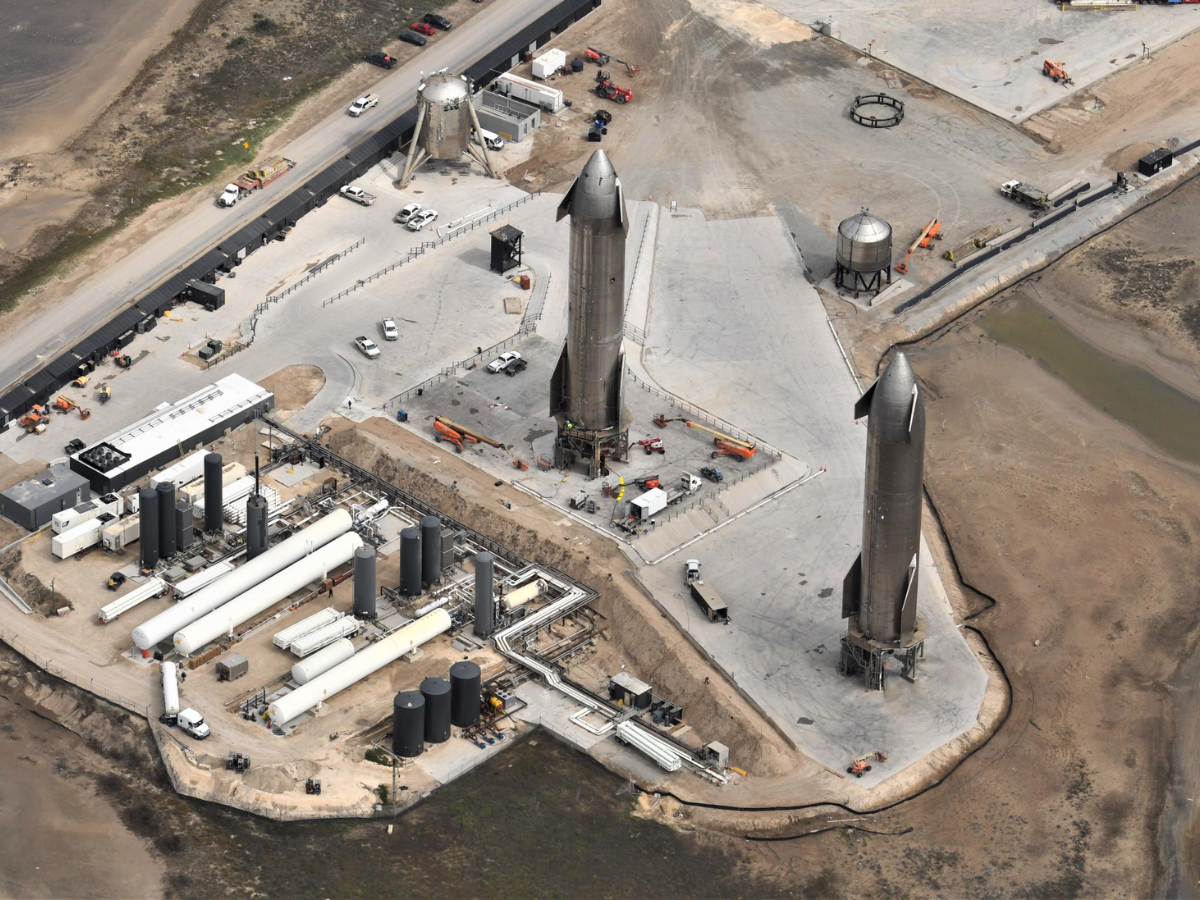
In Boca Chica, Texas, SpaceX Accelerates the Construction of the Starbase Spaceport, the Cradle of Starship and the Ambitious Journey to Colonize Mars. Get to Know the Advances, Challenges, and the Vision Behind the Project
The construction of the spaceport and the evolution of the Starship rocket represent the forefront of SpaceX’s effort to reach Mars. understand the project status, its infrastructure, ongoing testing, and the challenges to realize this vision.
Located in the remote landscape of Boca Chica, Texas, Starbase has become the epicenter of SpaceX’s operations for the Starship program. More than just a launch site, it is a complex where Elon Musk’s company designs, builds, and tests the next-generation spacecraft, designed to make humanity a multiplanetary species.
Starbase, From a Remote Test Site to a Spaceport City
Starbase is the terrestrial anchor for an interplanetary transportation system. What started as a modest testing site has evolved into a vast industrial complex. The most significant transformation occurred in May 2025, when the area was officially incorporated as the city of Starbase, Texas, after an almost unanimous vote by the residents.
-
A megaproject worth R$ 89 billion is advancing in Iraq and promises to change the game in global trade by creating a new corridor between Asia and Europe, reducing traditional routes and repositioning the country as a logistics powerhouse.
-
Goodbye bedside table: floating shelves become a trend in 2026 by freeing up space in the bedroom, improving circulation, bringing visual lightness, and integrating technology without taking up floor space.

-
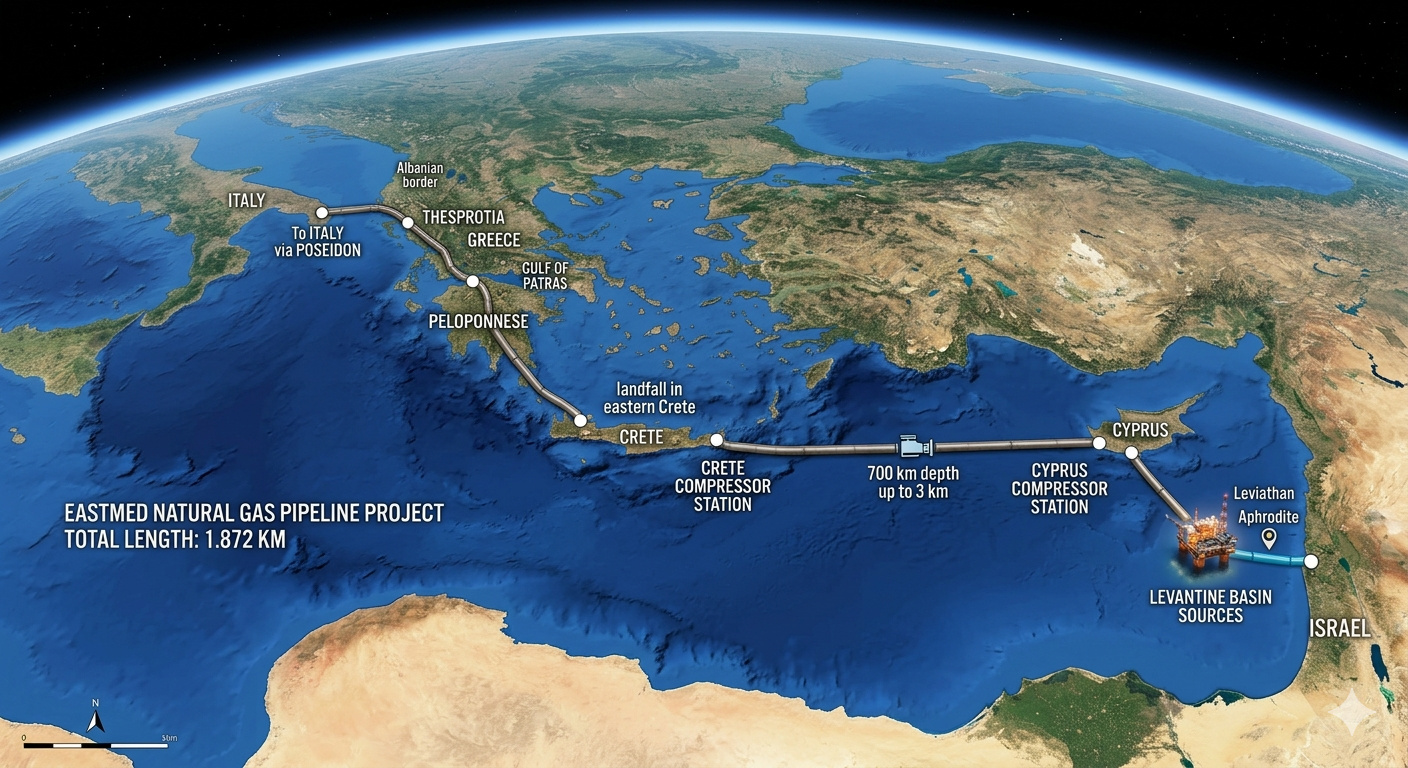
Israel, Greece, and Cyprus signed an agreement in 2020 to transport gas from the Mediterranean to Europe via a 1,872 km pipeline, but Turkey claimed sovereignty over part of the maritime route, and the project never materialized.
-
Israel, Greece, and Cyprus signed an agreement in 2020 to transport gas from the Mediterranean to Europe via a 1,872 km pipeline, but Turkey claimed sovereignty over part of the maritime route, and the project never materialized.

This change gives SpaceX substantial control over zoning, permitting, and public access, aiming to “simplify the processes necessary to build the amenities” for the growing workforce. In practice, the company optimizes local governance to accelerate its ambitious Martian mission.
The Evolution of Infrastructure in Starbase and Florida
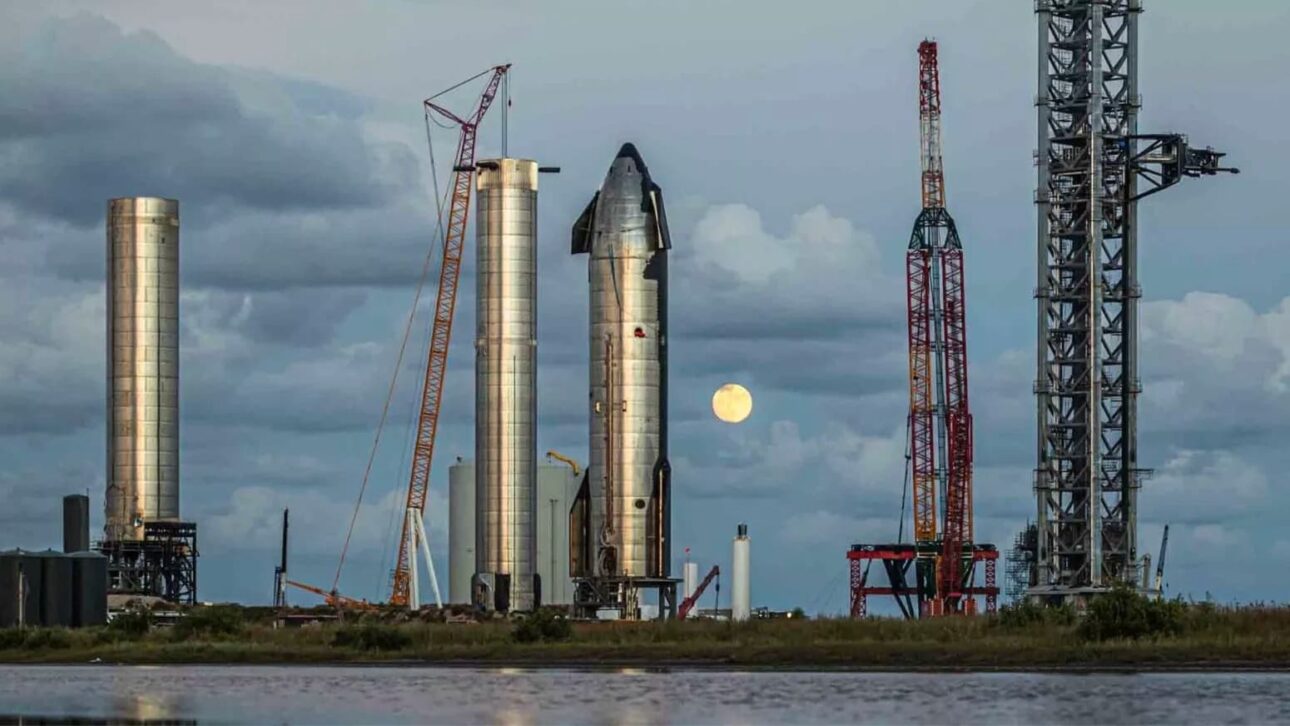
The infrastructure at Starbase has been expanding at a breakneck pace. Facilities have evolved from tents to the enormous MegaBays and the Starfactory, a state-of-the-art factory. For 2025 and beyond, the focus is on GigaBays, even larger integration facilities, with completion anticipated by the end of 2026.
The Orbital Launch Towers (OLP), or “Mechazilla”, are crucial. Equipped with robotic arms (“chopsticks”), they stack the Starship and, fundamentally, attempt to catch the Super Heavy booster on its return, aiming for rapid reuse. To increase capacity, SpaceX is doubling this infrastructure in Florida, at Kennedy Space Center.
The SpaceX Vehicle in Ongoing Testing for the Journey to Mars
The Starship is a super-heavy and fully reusable launch system, consisting of the Super Heavy booster and the Starship spacecraft. Its design evolves in “Blocks”, with Block 2 being tested in 2025 and Block 3, with a payload capacity of over 200 tons, designed for Mars missions.
Test flights in 2024 and 2025 demonstrated progress, such as the first successful capture of a booster by Mechazilla in October 2024. However, the tests also revealed persistent challenges with the Block 2 Starship, which suffered consecutive failures in 2025. Critical technologies, such as the Raptor engines, the reusable thermal shield, and particularly, orbital refueling, remain under development and are vital for success.
The SpaceX Vision for Colonization (Post-2025)
SpaceX’s timeline for Mars is aggressive. The first uncrewed missions are scheduled for the launch window of 2026/2027, with the goal of testing landing and beginning resource reconnaissance, such as water ice. Humanoid robots Optimus, from Tesla, may be included in these pioneering missions.
The first crewed missions are planned for the late 2020s or early 2030s. The long-term vision is to establish a self-sustaining colony, utilizing local resources (ISRU – In-Situ Resource Utilization) to produce propellant, water, and oxygen. To sustain communication, a Martian version of Starlink, called MarsLink, is in the plans.
The Starbase Ecosystem and Its Implications for the Construction of the Spaceport


The construction of the spaceport in Boca Chica, an area of ecological sensitivity, has generated tensions. Environmental groups and the Carrizo/Comecrudo tribe have expressed concern about the impact of launches on wildlife and public access to the beach. In May 2025, the FAA (the U.S. aviation agency) increased SpaceX’s license from five to up to 25 annual launches from Starbase, conditioned on the implementation of environmental mitigation measures.
The financial viability of the Mars campaign is also a challenge, with SpaceX betting on the profitability of the Starlink constellation to fund the program. The journey to Mars, driven from Starbase, depends not only on technological feats, but on the ability to manage the complex regulatory, environmental, and financial challenges that arise.





Seja o primeiro a reagir!