





 Portuguese
  English
  Spanish
  4 min of reading
  4 comments




With a Billion-Dollar Investment of R$ 14.2 Billion, the Intercity Train Promises to Transform Mobility in São Paulo, Connecting Campinas to the Capital in Just 1 Hour! But Will It Finally Get Off the Ground This Time? See All the Details of This Mega Project and Its Challenges!
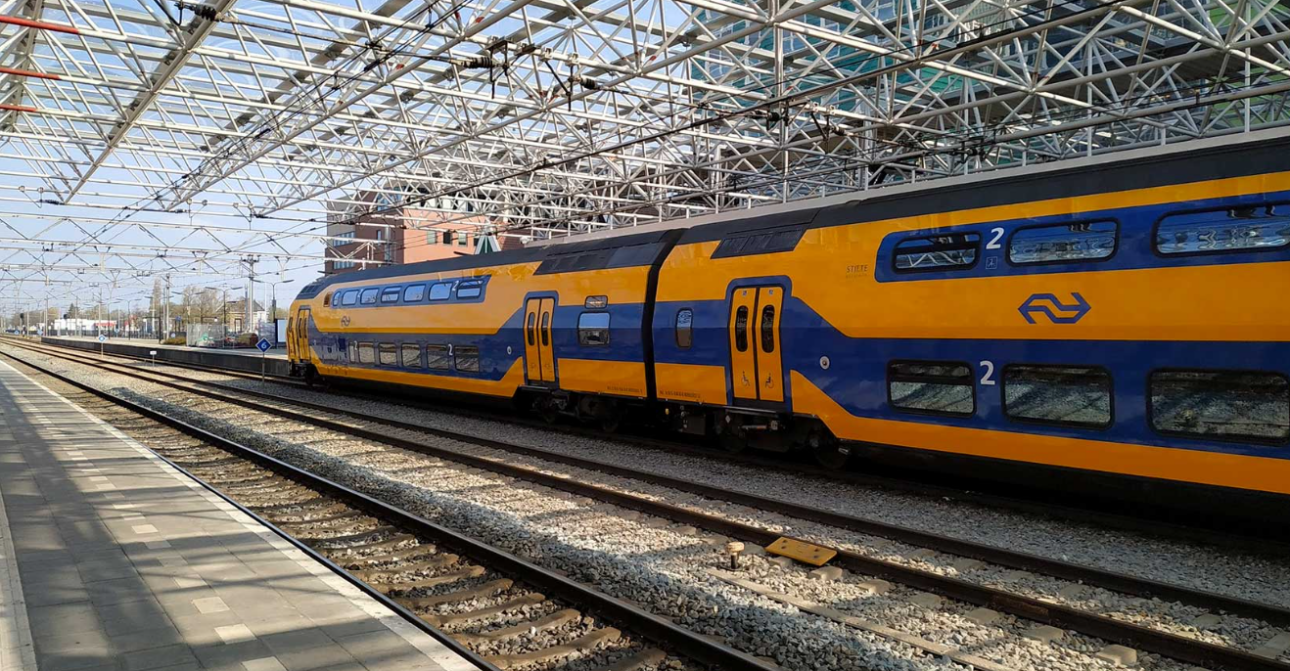
The intercity train is one of the largest bets to transform railway transport in Brazil. Its main goal is to drastically reduce travel time between São Paulo and Campinas, which currently can take over two hours by car due to heavy traffic. With a minimum speed of 140 km/h, the train can shorten this journey to just one hour.
The implementation of the project promises not only to modernize the state’s transport infrastructure but also to boost the economy, reduce congestion, and provide a fast and safe alternative for thousands of daily passengers.
The Project of the Intercity Train
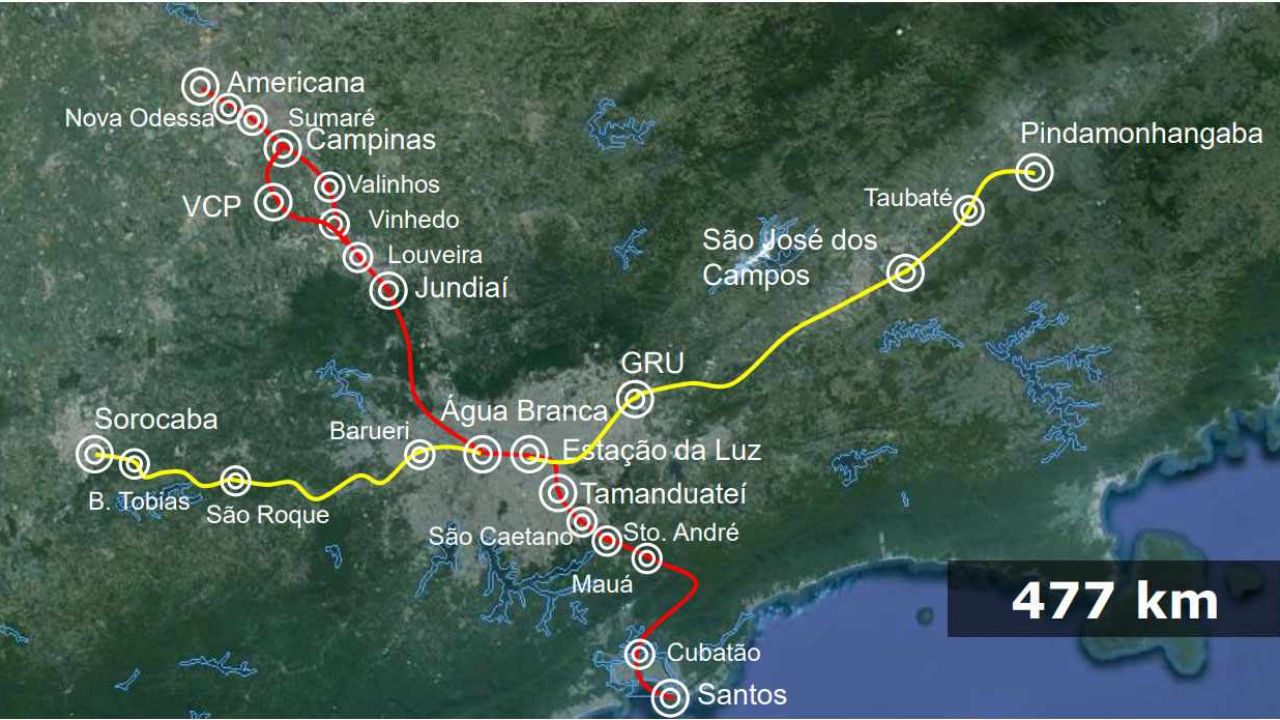
The project is divided into four main axes, each designed to connect São Paulo to important cities in the state:
-
Scientists transform sawdust into fire-resistant panels, stabilize the compound with an enzyme extracted from watermelon seeds, and turn waste into promising material for construction.

-
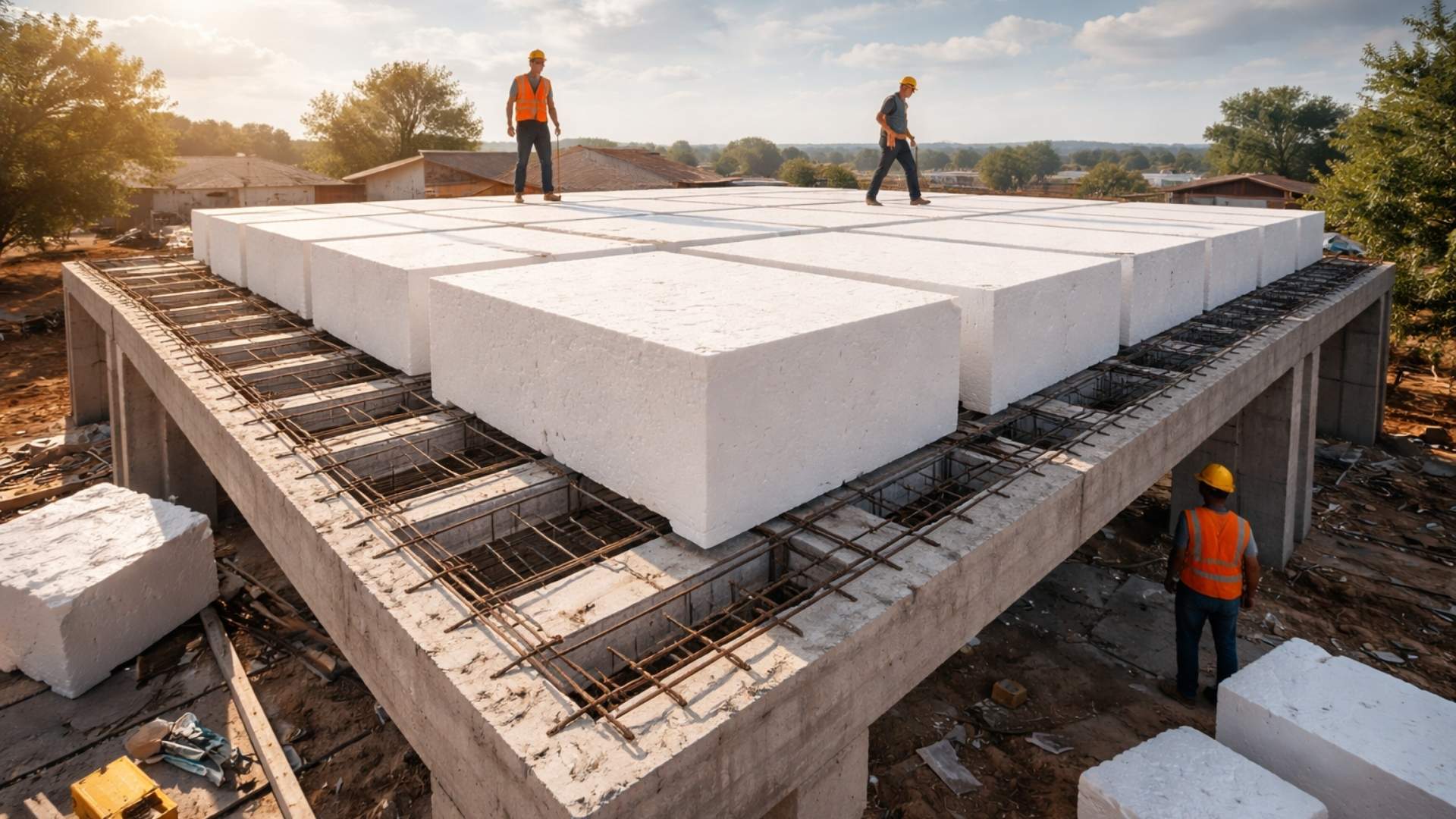
Forget concrete: architects are replacing tons of concrete with giant blocks of expanded polystyrene to build the roofs of houses and reduce structural weight by up to 50%, cut costs, improve thermal insulation, and speed up construction.
-
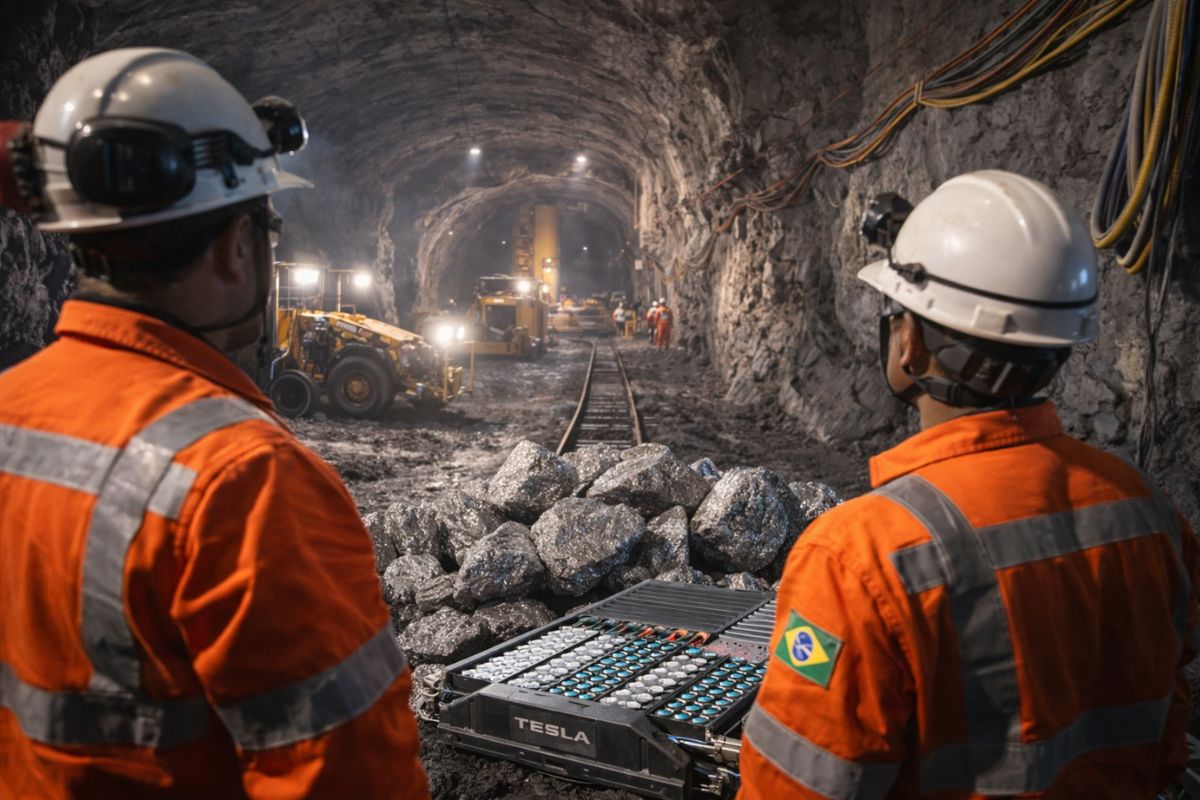
The Brazilian state enters the center of the global race for critical minerals by starting the construction of the largest underground nickel mine in Latin America, a mineral essential for electric car batteries that the entire world is competing for at this moment.
-
New CCR concrete paving technology promises roads up to 3x more durable, less maintenance, and cost reduction in Brazil.


North Axis: Will connect São Paulo to Americana, passing through Jundiaí and Campinas. With a length of 136 km, this is considered the most strategic section due to its economic and industrial relevance.
South Axis: Focused on the link between São Paulo and Santos, covering about 50 km. This section will facilitate access to the Port of Santos, impacting both tourism and cargo transport.
West Axis: Planned to connect São Paulo to Sorocaba, with approximately 100 km in length. It will serve as an option to alleviate road traffic.
East Axis: Will connect São Paulo to São José dos Campos, covering 100 km. This region has significant technological and industrial importance, benefiting the movement of professionals.
The History of the Project and the Obstacles So Far
The concept of the intercity train was presented in 2013 with the idea of connecting the capital to the interior and Baixada Santista. The project has been widely discussed over the years, being a promise of various governments, including Geraldo Alckmin and João Dória. However, challenges such as a lack of investors, high costs, and bureaucratic hurdles have hindered the project’s progress.
In 2019, João Dória’s government tried to reformulate the project’s model to attract foreign investors, but significant advances only occurred after 2021. Now, under the management of Tarcísio de Freitas, the plan finally has a defined schedule.
When Will the Works of the Intercity Train Begin?
Governor Tarcísio de Freitas announced that the works on the section between São Paulo and Campinas will begin in 2026, with a projected completion in 2031. The expectation is that the project will generate over 10,000 direct and indirect jobs and benefit 11 cities along the route.
The funding for the works has been secured through resources from BNDES and the Legislative Assembly, totaling over R$ 14.2 billion. However, the project faces legal challenges, such as the recent suspension of the concession signing due to questions about the transparency of the bidding process.
How Will the Works Be Carried Out and What Technologies Will Be Used?
The construction of the Intercity Train will utilize modern technologies to ensure safety and efficiency. Among the planned methods are:
3D Scanning and BIM Modeling: These processes assist in planning and reduce errors during construction.
Box Jacking Technique: Allows for the installation of large concrete sections under busy roadways without interrupting traffic.
Tunnels and Viaducts: Crossing the Serra do Mar is a significant challenge, requiring solutions such as high-precision tunnels to avoid landslides.
In the priority section between São Paulo and Campinas, existing railway lines will be revitalized, and new tracks will be built to allow for higher speeds. Modern stations and level crossings are also planned to prevent interference with road traffic.
Will the Intercity Train Be a Bullet Train?
Despite the expected high speed of 140 km/h, the intercity train is not a bullet train. During João Dória’s government, there was talk of speeds of up to 170 km/h in some sections, but there are no plans for a high-speed train in Brazil.
The project intends to serve about 60,000 passengers a day, with fares expected to be R$ 64 and a capacity of up to 840 passengers per trip. With this, the Intercity Train promises to revolutionize mobility between São Paulo’s metropolitan regions.
Will the Intercity Train Finally Get Off the Ground?
The people of São Paulo have seen similar promises in the past that never materialized. However, the current project seems more structured, with secured investments and a well-defined schedule.
If the works do indeed begin in 2026 and are completed by 2031, São Paulo will take a significant step towards modernizing its railway network and reducing reliance on road transport.
The implementation of the intercity train could serve as a model for future railway initiatives in Brazil, a country that has historically favored highways over railways. Now, it remains to be seen whether this promise will finally become a reality or if it will be yet another chapter in the long list of postponed projects.







Excelente que se conclua está obra que tanto prometeram e estamos aguardando com ansiedade vermos este país com os trens de volta força aí governador pelas ideias positivas
Este assunto de trem inter cidade já esta virando uma novela e tanta burocracia tanto impedimento além dos interesses políticos que não vai ajudar em nada :
É por isso que essa **** deste Brasil não consegue ir pra frente !……
Obras faraônicas, comportamento privatista que repete os governos de direita e que vende as empresas, inclusive a Sabesp, a preços de **** ou bem inferiores ao que vale! Discurso populista. Que infelizmente agrada e manipula a população.