





 Português
  Inglês
  Espanhol
  2 min de leitura
  0 comentários


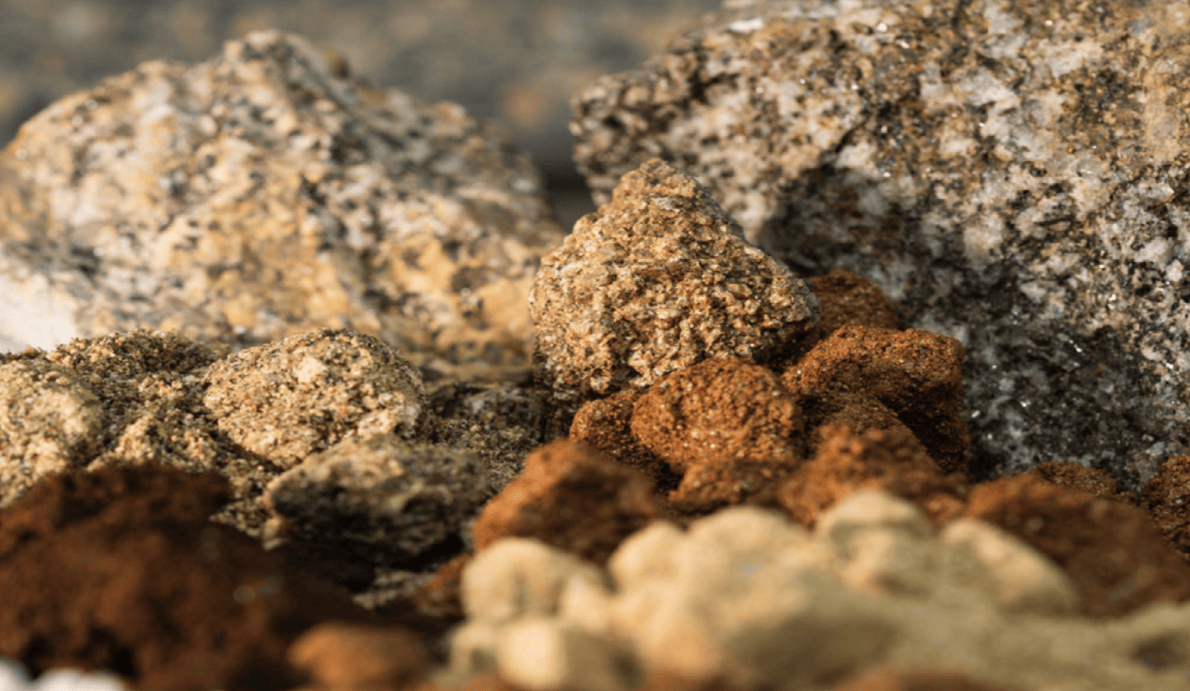
Brazilian Rare Earth Mine Reveals Western Dependency on China and Brazil’s Strategic Role in the Energy Transition
A mine located in Minaçu (GO), Serra Verde, has become a crucial link in the global supply chain of heavy rare earths — essential elements in the manufacturing of technologies such as electric cars, wind turbines, and military systems. It is the only significant producer outside Asia and operates with American capital, but primarily exports to China, according to the site Info Money.
Although it has emerged as an alternative to the Chinese monopoly, Serra Verde’s production is tied to Chinese companies until 2027. The reason is clear: only China has the necessary infrastructure to process these elements on an industrial scale. “They were the only customer capable of processing,” says Thras Moraitis, the company’s CEO.
The West Seeks Alternatives but Still Depends on China
Even with pressures from the United States and investments in separation plants in Europe and North America, the West still lacks sufficient technological capacity to replace the Chinese model. MP Materials, an American company in the sector, also exports a large part of its production to China.
-
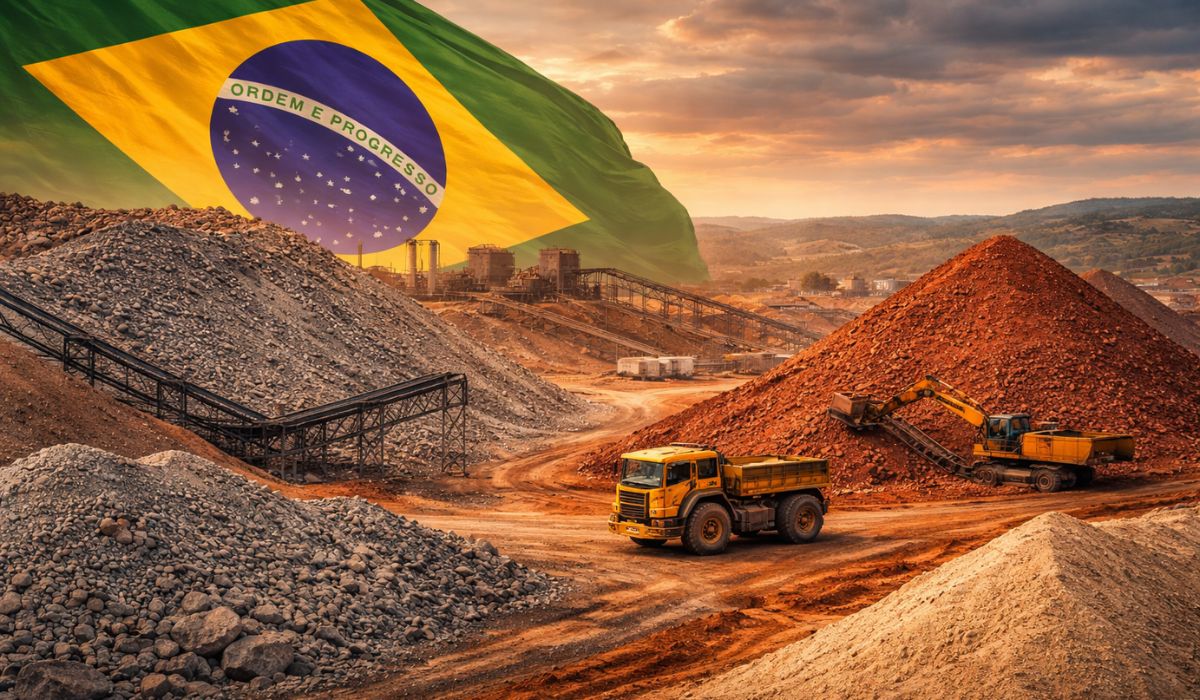
Brazil extracts 26.3 million tons of ore from what was previously treated as waste, transforming residues into wealth, producing over 3 million tons of sand, and demonstrating how national mining is relearning to generate value.
-
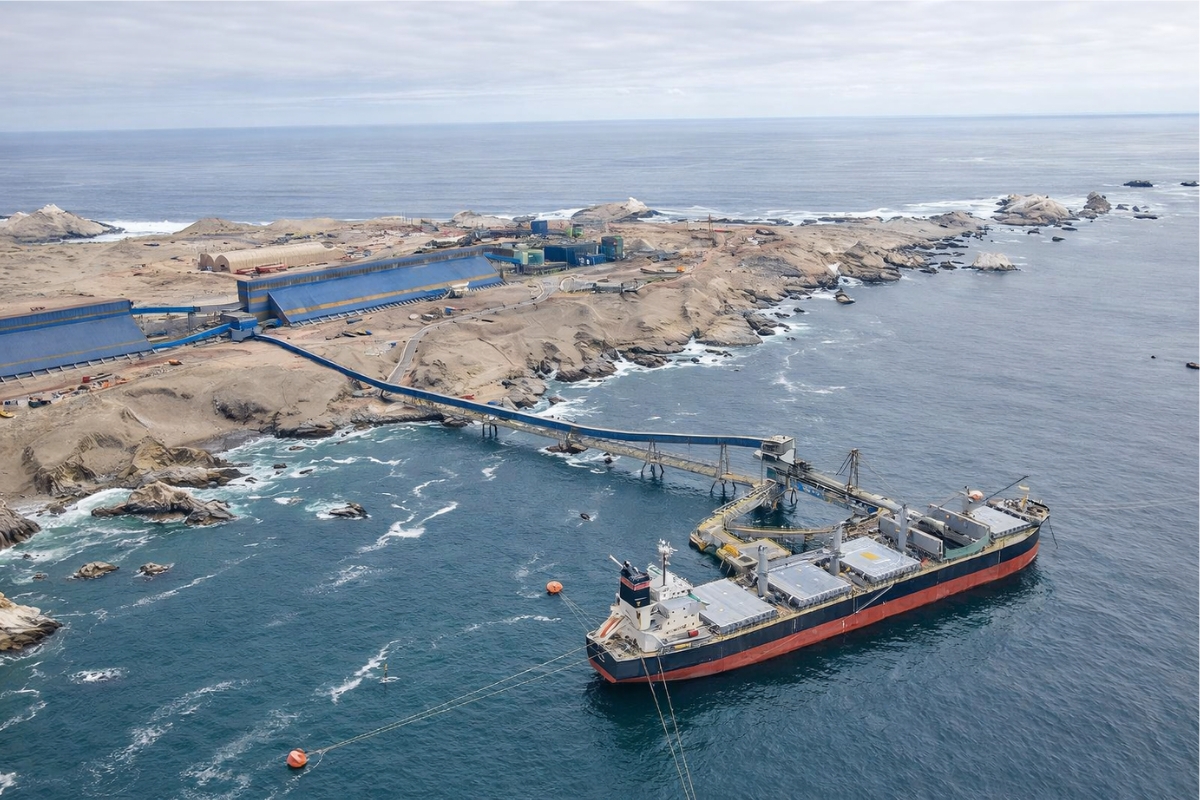
A $3.5 billion megaproject in Latin America pumps desalinated seawater at 1,050 liters per second over 194 km to keep a copper supermine in the Andes operational for another 20 years.
-
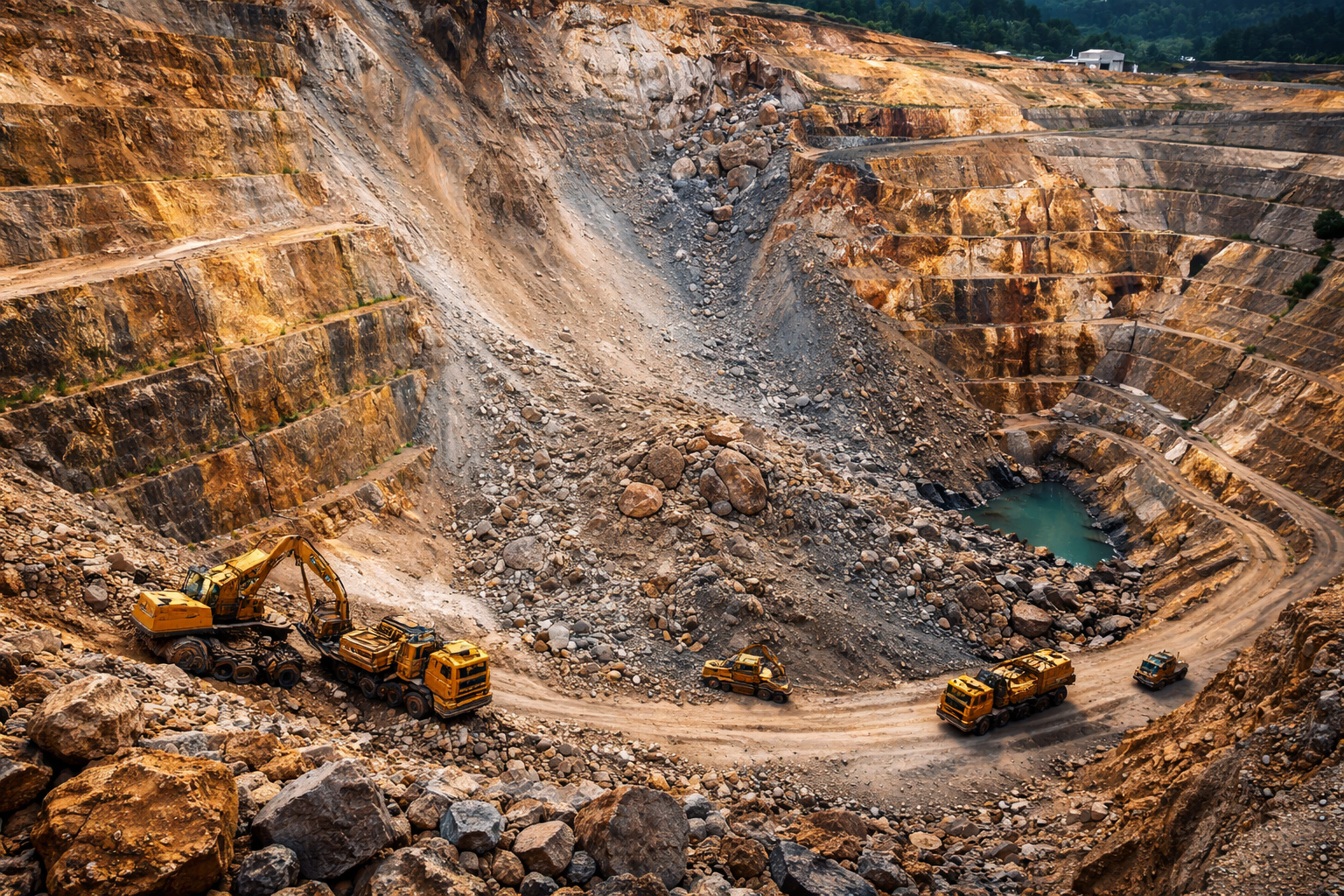
A hidden mine in the Andes valued at nearly R$ 1 trillion is starting to attract global attention, containing copper, gold, and silver, and raises an intriguing question: why do Argentina and Chile need to act together to exploit this gigantic wealth?
-
A silent discovery in the interior of Bahia could change the future of energy in Brazil: a uranium reserve in Lagoa Real has an estimated capacity to produce 400 tons per year and is already attracting the attention of energy sector specialists.
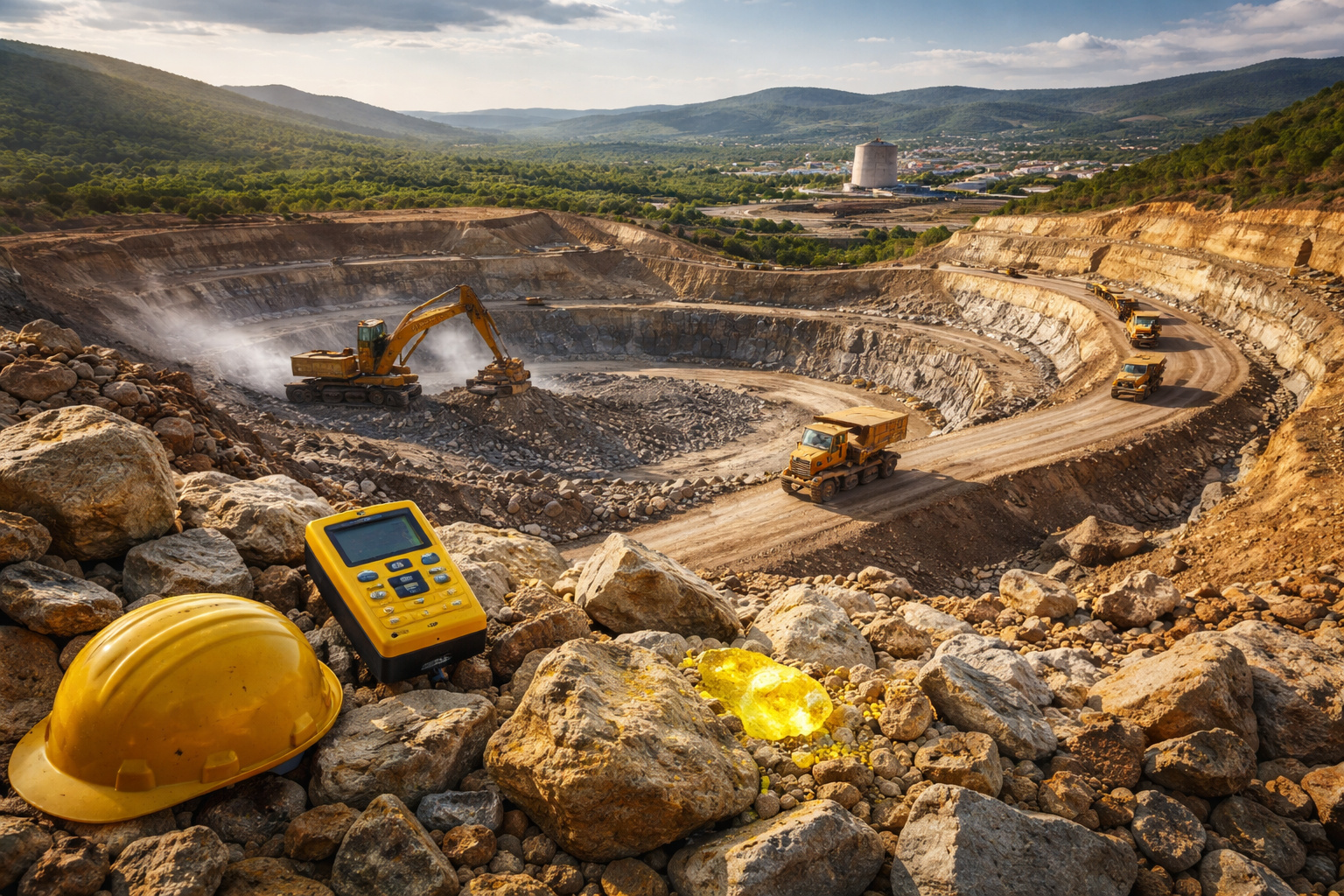

The Chinese dominance is a result of decades of industrial planning, which puts the rest of the world in a reactive position in the face of the growing demand for strategic minerals.
Brazil as a Key Player
Brazil has one of the largest potentials outside Asia to supply heavy rare earths, but faces structural obstacles to process these minerals internally. According to experts, this bottleneck limits national prominence in a strategic area for energy transition and technological sovereignty.


“Brazil can change the game,” says Constantine Karayannopoulos, co-founder of Neo Performance Materials. For that to happen, a technological and industrial leap would be necessary.
Despite new investments and promises of diversification, the export flow remains tied to China. The Brazilian mine, a symbol of a broader geopolitical dispute, shows how control over supply chains can define the future of energy and industrial security.






Seja o primeiro a reagir!