





 Portuguese
  English
  Spanish
  4 min of reading
  32 comments




The Construction Industry in Brazil, Long Seen as One of the Main Economic Engines of the Country, Is Facing a Crisis That Many Did Not Expect. With Record Sales and Impressive Growth, the Sector Now Faces a Dangerous Obstacle: The Lack of Skilled Labor.
This deficiency is not only delaying projects but also increasing costs alarmingly, creating a vicious cycle that could slow down one of the most promising sectors of the Brazilian economy.
Sales Are Up, But There Is a Concerning Paradox
According to data released by the Ministry of Labor, sales of new homes in Brazil increased by 15.2% in the first half of 2024 compared to the same period the previous year, reaching 180,162 units sold.
Furthermore, in the last 12 months, the sector registered the sale of 353,949 new units, a record driven by a combination of controlled inflation, lower interest rates, and an increase in job generation.
-
Historic bankruptcy of Centauro shocks the market, and the century-old company puts more than 500,000 products, machines, and complete infrastructure up for online auction.

-
Unemployment rises again to 5.8% at the beginning of 2026, raising alarms about the end of temporary positions and its impact on the Brazilian job market.

-
Document organization can cut invisible costs in small businesses, a simple step that prevents waste, rework, and losses in daily operations.

-
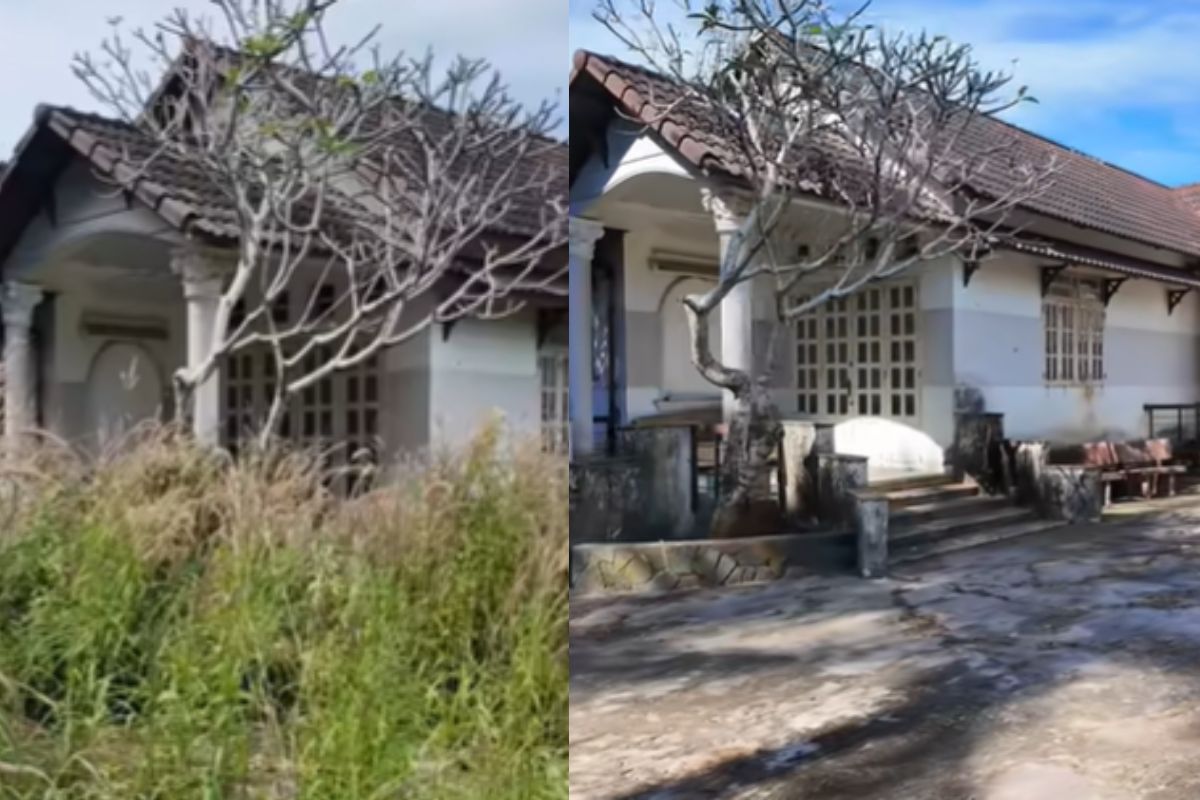
Abandoned house for 15 years disappears in the woods, shocks owner with unrecognizable scenery and is reborn in an intense transformation after almost 90 hours of work in just 10 days.

According to journalist Miriam Leitão from O Globo newspaper, this growth, although positive, has brought to light a paradox: while companies celebrate the increase in sales, they face growing difficulties in hiring qualified professionals to meet the demand.
The construction industry created 180,779 new formal job positions just in the first half of 2024, but still, the sector faces serious hiring issues.
Major Projects at Risk Due to Lack of Labor
The situation is especially critical in major projects, such as building constructions, which accounted for more than 40% of the new jobs created.
As reported by Sylvio Pinheiro, director of G+P Solutions, a business hub aimed at the construction sector, the lack of qualified professionals is already causing significant delays in project deliveries and, consequently, raising the indirect costs of constructions.
“This strongly impacts construction costs, making it much more burdensome than it should be,” highlighted Pinheiro.
The problem is not new, but it has intensified in recent years. According to a study conducted by the Brazilian Chamber of the Construction Industry (CBIC) in July 2024, the lack or high cost of unskilled labor was cited by 24.7% of industrialists as the second biggest problem faced by the sector, only behind the tax burden.
The Transformation of the Sector and the Requirement for Qualification
Marcelo Azevedo, economic analysis manager at the National Confederation of Industry (CNI), emphasized that the construction sector has undergone a transformation in recent years, with new production criteria, execution procedures, and a greater emphasis on workplace safety.
This evolution requires professionals to be more qualified, but the market is not keeping up with this need. “Those who are new to the sector must undergo rigorous training to adapt to the new standards,” stated Azevedo.
The Aging Workforce and Its Impacts
The aging workforce is another growing concern. According to Marcelo do Nascimento, partner at Elvas Empreendimentos, the construction company responsible for the Niemeyer 360º project in Barra da Tijuca, the lack of qualification becomes even more evident during the finishing stage of projects, where precision and detailing are essential.
“The workforce that worked with me about 10 years ago is no longer in the construction sector,” reported Nascimento. “Many of these professionals have moved to other fields and show no interest in returning to the sector.”
Ricardo Affonseca, CEO of Aros, pointed out that the combination of the lack of interest from youth in the construction sector and the aging of current workers further exacerbates the situation. He stated that most of the qualified professionals still in the market are nearing retirement, which further reduces the available workforce.
Impact on Construction Costs and Technological Solutions
The impacts of this crisis are already being felt in consumers’ wallets. As observed by Paulo Fabbriani, vice president and advisor at B.Fabbriani Incorporadora, the scarcity of labor and the consequent increase in costs are already being reflected in the prices of new real estate launches, especially in the fastest growing regions like Rio de Janeiro, São Paulo, and the northern coast of Santa Catarina.
To mitigate these challenges, the sector is investing in new technologies, such as process automation, the use of BIM (Building Information Modeling), and drones for inspection and mapping. Sylvio Pinheiro mentioned that companies and trade entities are launching training and qualification programs to attract and prepare new talents to operate these technologies.
The Uncertain Future of the Construction Industry in Brazil
The big question that remains is: will the Brazilian real estate market be able to overcome this skilled labor crisis and maintain its growth momentum, or are we about to see a slowdown that could affect the entire economy? The future of the sector may depend on the decisions made now. And what do you think? Leave your opinion in the comments!








O problema são os baixos salários da construção civil.
Já não é mais atrativo para jovens ingressar ou se especializar no ramo construção civil.
Outros setores remuneração melhor e oferecem mais benefícios.
Não vale a pena trabalhar dessa forma, a única forma que proporciona dignidade ao profissional da construção civil é trabalhar como autônomo, qual pedreiro vai trabalhar hoje nessas empresas e ganhar um salário de 5 mil?
Saĺario precisa ser compatível com a produtividade;
Custo precisa ser compatível com a capacidade de compra;
Lucro precisa ser compatível com o compromisso social, não com a ganância, assistencialismo e outras coisas mais que tornam o mercado pervesso.
Sou empresário… capacito meus parceiros que buscam uma oportunidade dectrabalho honesto; tento orientar às boas práticas e se defender da exploração (de todos os lados). Ainda assim, apenas 30% se aproveita. A maioria é como um pássaro de gaiola, é melhor ganhar esmola do que ter a liberdade mas ter que trabalhar por ela.
Vejo muitos trabalhadores sendo explorados pelos próprios “companheiros”… isso é uma cultura nesse país, não está restrita a um determinado grupo.
Eu sou empreiteiro de obras não vejo a hora da construção civil colapissa por falta de mão de obra em 2015 eu pagava o dobro de salário que e hoje as construtoras so fez ante agora foi diminuir o salário do trabalhador