





 Português
  Inglês
  Espanhol
  4 min de leitura
  24 comentários


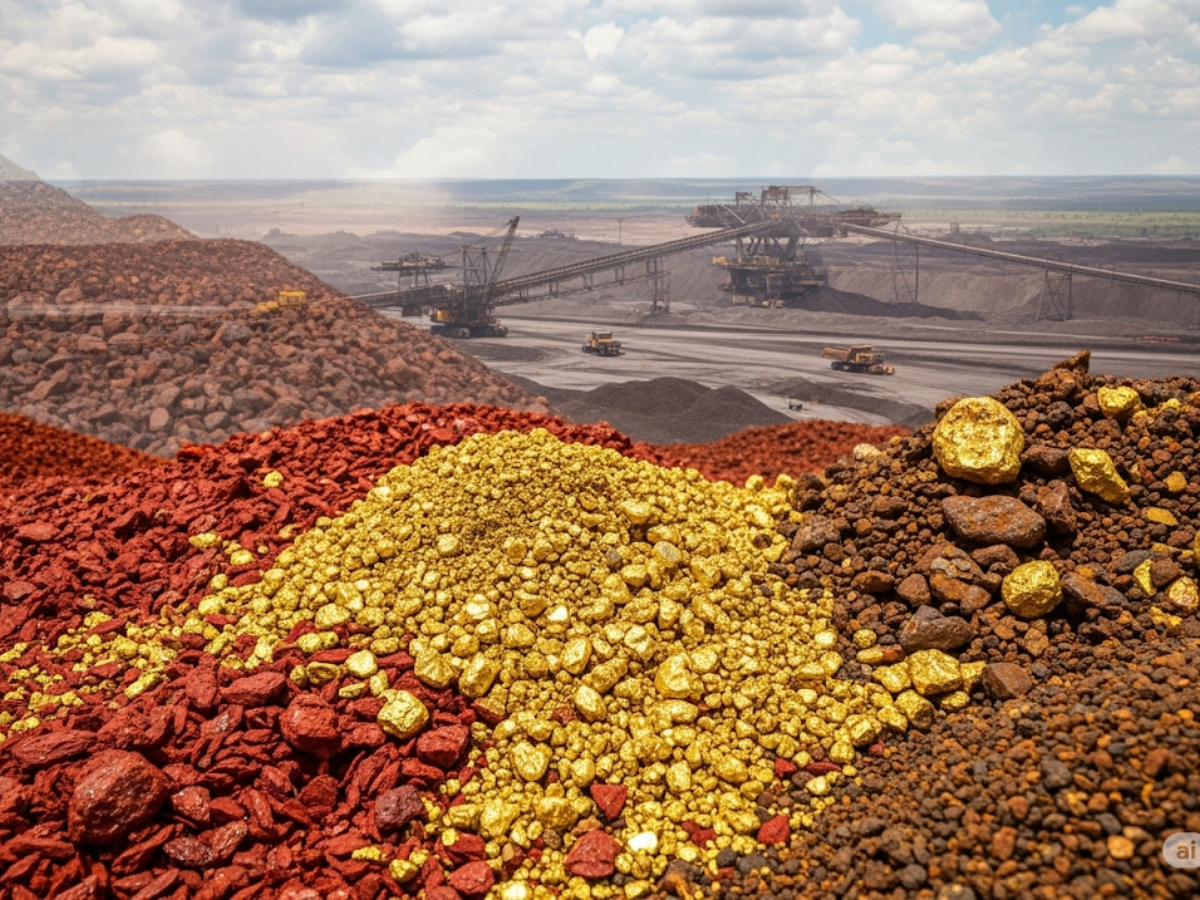


Discover the Saga of the Bauxite Discovery in Porto Trombetas, the Gigantic Reserves of Over One Billion Tons, and the Crucial Role of Mineracao Rio do Norte (MRN) in the Exploration.
The bauxite discovery in the region, which took place in the 1960s, transformed the economic dynamics of western Pará and positioned Brazil as a relevant player in the global aluminum market. This article details this journey, MRN’s operations, and its multifaceted impact.
The vast bauxite reserves of Porto Trombetas, in the heart of the Pará Amazon, represent a milestone in the Brazilian mineral industry. With estimates exceeding one billion tons, this wealth is explored by Mineracao Rio do Norte (MRN), a company that has established itself as the largest bauxite producer in Brazil.
The Journey of the Bauxite Discovery in the Pará Amazon
In the 1960s, the Brazilian aluminum industry was seeking new sources of raw material. Aluminas, a subsidiary of Canadian Alcan, began explorations in the Amazon at the suggestion of geologist Johan Arnold Staargaard. On August 3, 1963, the discovery of high-quality bauxite in substantial quantities in the Rio Trombetas was announced.
-
Brazil extracts 26.3 million tons of ore from what was previously treated as waste, transforming residues into wealth, producing over 3 million tons of sand, and demonstrating how national mining is relearning to generate value.

-
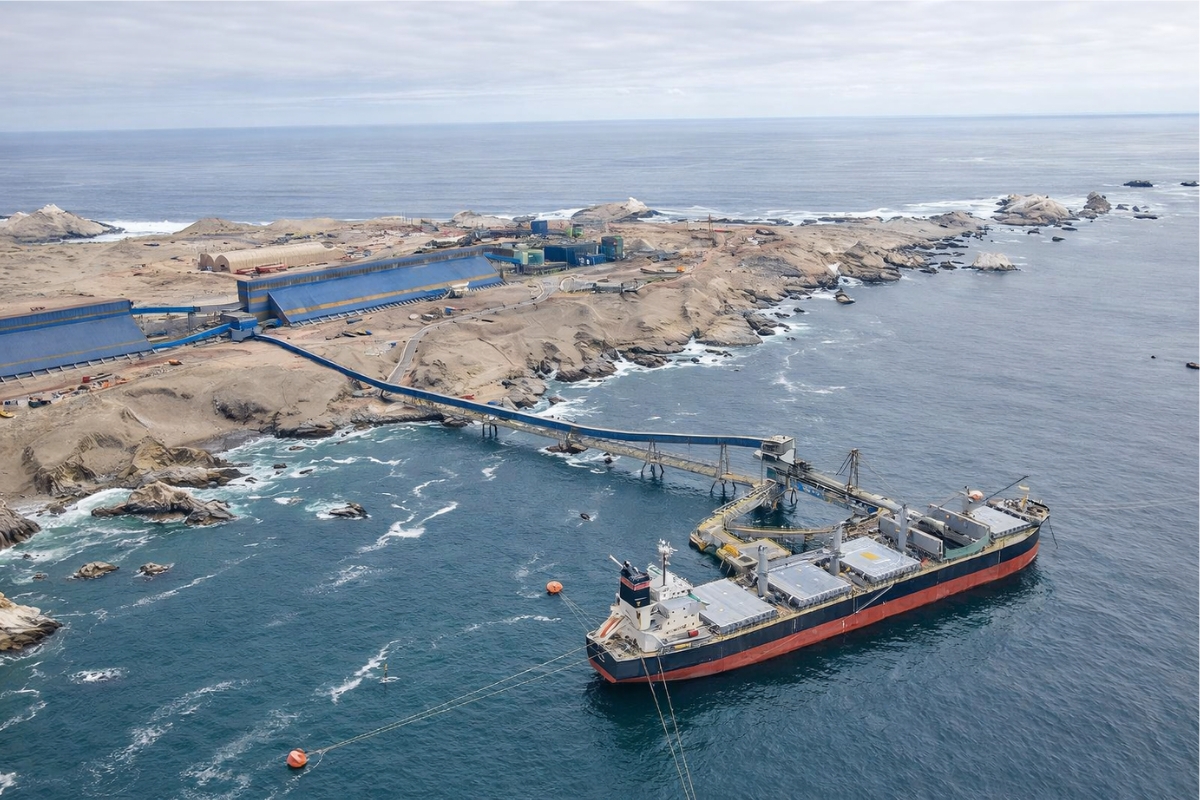
A $3.5 billion megaproject in Latin America pumps desalinated seawater at 1,050 liters per second over 194 km to keep a copper supermine in the Andes operational for another 20 years.
-
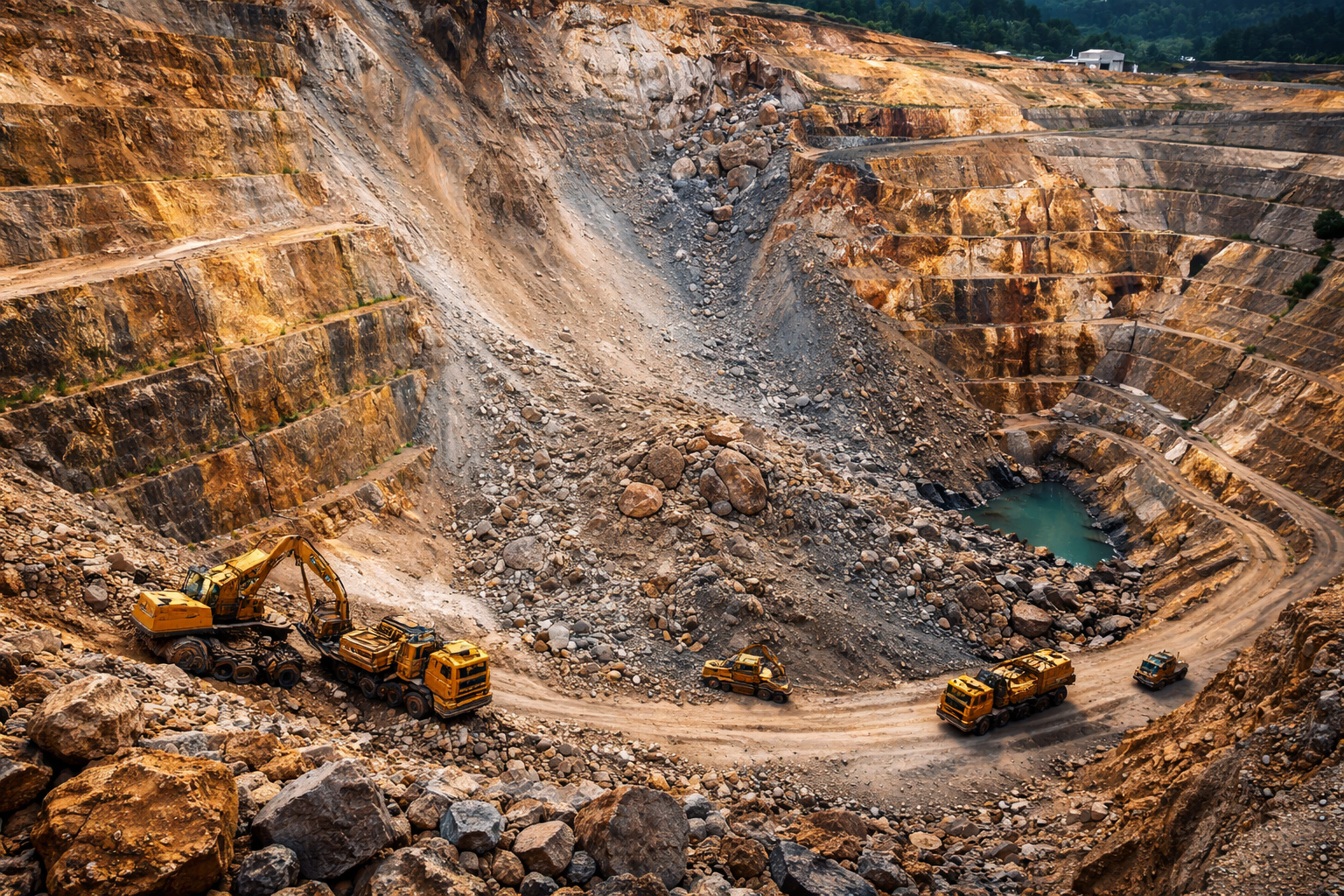
A hidden mine in the Andes valued at nearly R$ 1 trillion is starting to attract global attention, containing copper, gold, and silver, and raises an intriguing question: why do Argentina and Chile need to act together to exploit this gigantic wealth?
-
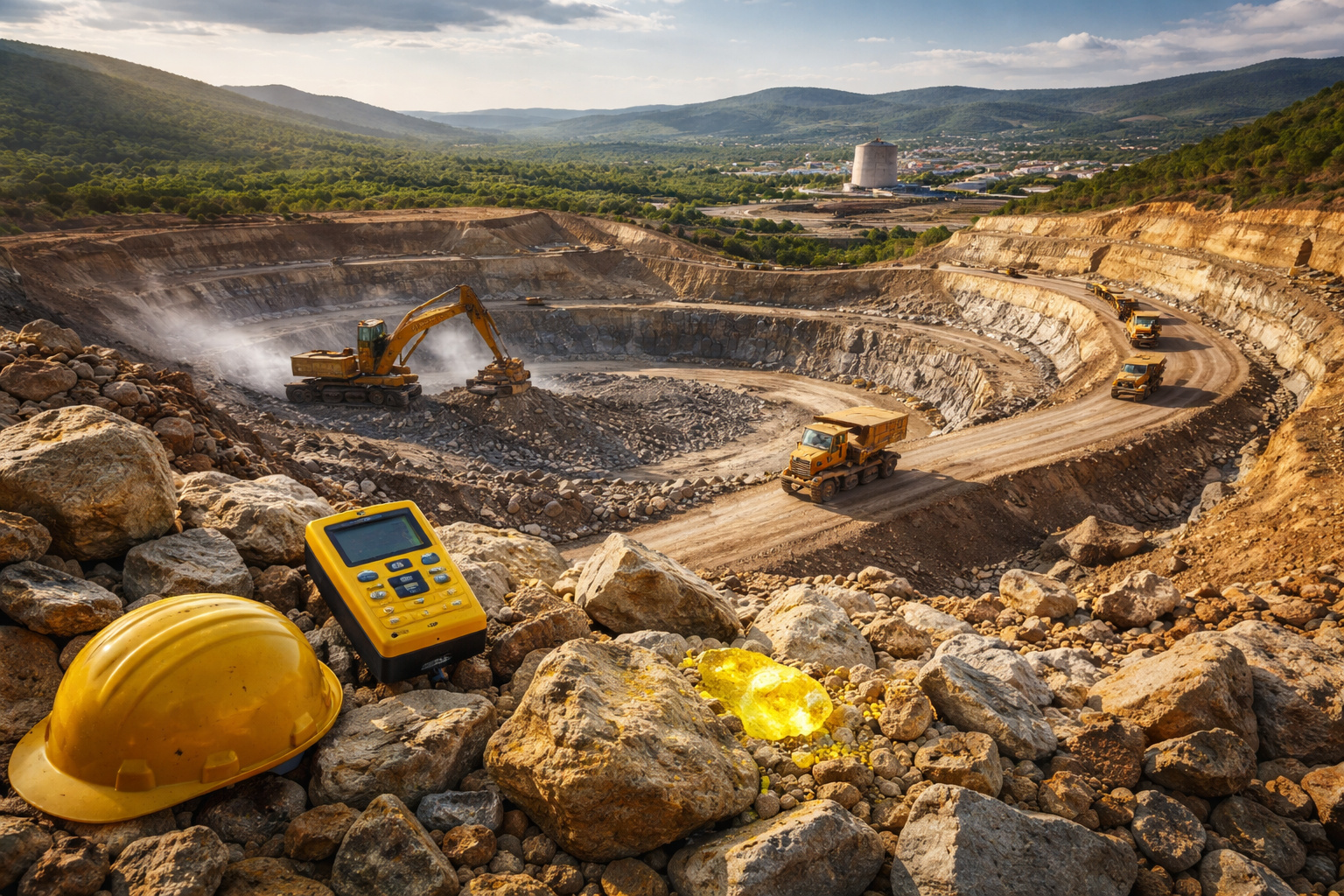
A silent discovery in the interior of Bahia could change the future of energy in Brazil: a uranium reserve in Lagoa Real has an estimated capacity to produce 400 tons per year and is already attracting the attention of energy sector specialists.

The initial exploration faced logistical and technical challenges, overcome with the use of aerial photographs and manual drilling of wells. The definitive confirmation of commercial reserves occurred in 1967 on the Saracá plateaus, under the leadership of geologist Igor Mousasticoshvily. This bauxite discovery resulted from strategic vision and targeted exploratory effort.
Porto Trombetas: A Heritage of Over One Billion Tons of Bauxite
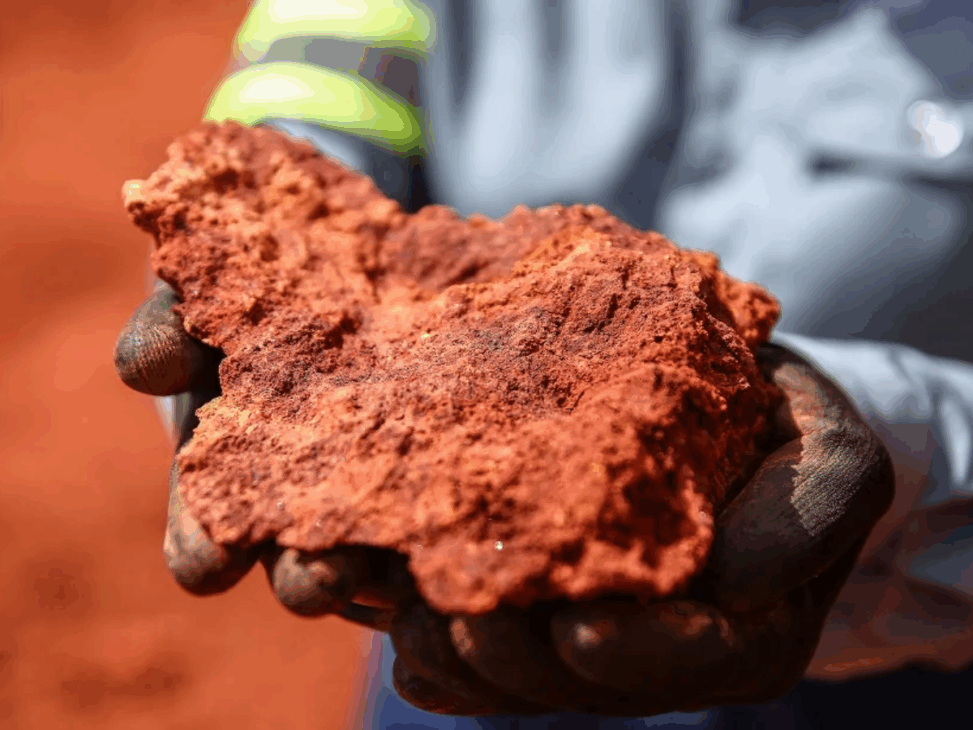
The bauxite reserves in Porto Trombetas, operated by MRN, are of significant magnitude, estimated at 1.635 billion tons, representing 84.2% of the total in Pará. This volume confirms the assertion of “over one billion tons.”
The extracted bauxite is predominantly metallurgical grade, with an average Al₂O₃ (aluminum oxide) content of around 50% and reactive SiO₂ (silicon dioxide) of approximately 4%. The main aluminum mineral is gibbsite, which offers advantages in the Bayer refining process. The overall quality of Porto Trombetas bauxite is considered good, supporting MRN’s competitiveness.
Operating the Giant of Brazilian Bauxite
Mineracao Rio do Norte S.A. (MRN) was organized to operate the project initially proposed by Alcan. After setbacks and negotiations with the then Companhia Vale do Rio Doce (CVRD), MRN began its commercial production in 1979. Its historical shareholding structure includes major players such as Vale (40%), BHP-Billiton (14.8%), Rio Tinto Alcan (12%), CBA (10%), and Alcoa (13%).
MRN employs the open-pit strip mining method, fully mechanized and without the use of explosives. In 2024, production reached 12.8 million tons. The processing mainly consists of washing the ore.
The logistics are complex, utilizing internal rail transport to Porto Trombetas, from where bauxite is transported by river to the domestic market (Alunorte) and for export (North America, Europe, Asia).
The Impact of Bauxite Exploration: Economy and Socio-Environmentalism in Focus
MRN has a profound economic impact on western Pará. In 2024, local purchases exceeded R$ 700 million, and the company generated 6,700 jobs (direct and outsourced), with 85% of direct jobs being held by residents from Pará. The collection of CFEM (Financial Compensation for the Exploitation of Mineral Resources) was R$ 56.8 million in 2024, in addition to R$ 240.4 million in taxes and fees.
In environmental management, MRN holds ISO 14001 certification and heavily invests in waste management and the recovery of degraded areas. A notable example is the restoration of Lake Batata, which suffered from waste dumping in the early stages of the project.
The Pé-de-Pincha Project, focused on the conservation of turtles, has received MRN’s support for over two decades. The company also develops social programs and engagement initiatives with quilombola and riverside communities, investing R$ 42.2 million in 2024.
The Future of Porto Trombetas Bauxite Post-Bauxite Discovery


The future of MRN crucially depends on the “New Mines Project” (PNM), which aims to extend the mine’s life by an additional 15 to 20 years by exploring five new plateaus. The Preliminary License was obtained in October 2024, and the planned investment is R$ 5 billion.
MRN operates in a global bauxite market with growth prospects driven by demand for aluminum. Maintaining competitiveness, quality, and sustainability will be vital. The company accounts for approximately 38.8% of Brazilian bauxite production, and its performance directly affects Brazil’s position in the global landscape. Managing challenges such as the licensing of PNM and the foreign exchange exposure of its debt will be critical to its continued success.









🇧🇷🦸♂️ESSES FILHO DA **** ESTÃO ACABANDO COM TUDO, BARRAGEM DE REJEITOS COM RISCOS DE ROMPIMENTO
ESTÃO LÁ COM POSSIBILIDADE DE ACABAR COM TUDO
SENHORES, SÓ PARA COMPLETAR A REPORTAGEM, INFORMO QUE PORTO TROMBETAS FICA NO MUNICIO DE ORIXIMINÁ , ESTADO DO PARÁ.
BILHÕES JÁ FORAM PAGOS DE IMPOSTOS PARA O MUNICÍPIO, A MAIOR PARTE FOI ROUBADO POR SEUS GESTORES.
Eu li que o governo arrecadou 54 milhões e em seguida mais de 200 milhões só em 2024, isso me fez pensar do porquê da necessidade de roubar dos aposentados e pensionistas e cidadãos doentes que já deram sua parte de contribuição ao longo da vida mais de 200 bilhões de reais ? Se esse imposto só desse material rendeu isso, mais o Impostrometo, mais os impostos das outras mineradoras, imagine quanto de dinheiro entra na mão do governo seja ele qual for, e, ainda assim, temos milhares de famílias morando nas ruas do nosso país. A verdade começo a crer, é que ações sociais vindas do governo são na verdade, troco de bala perto do que o mesmo arrecada mesmo com essas empresas com vários nomes com sede em outros países. Nosso país precisa de uma reforma em todo o governo e a forma de distribuição do que arrecada( não falo em dar esmolas, falo de fazer esse país ser o que ele deveria à muito tempo, uma POTÊNCIA MUNDIAL COM UMA POPULAÇÃO MUITO BEM ESTRUTURADA NO ENSINO, NA PROFISSÃO E NA DIGNIDADE). Eles devem rir horrores da cara do próprio povo . Triste fim do Brasil.