





 Português
  Inglês
  Espanhol
  4 min de leitura
  13 comentários


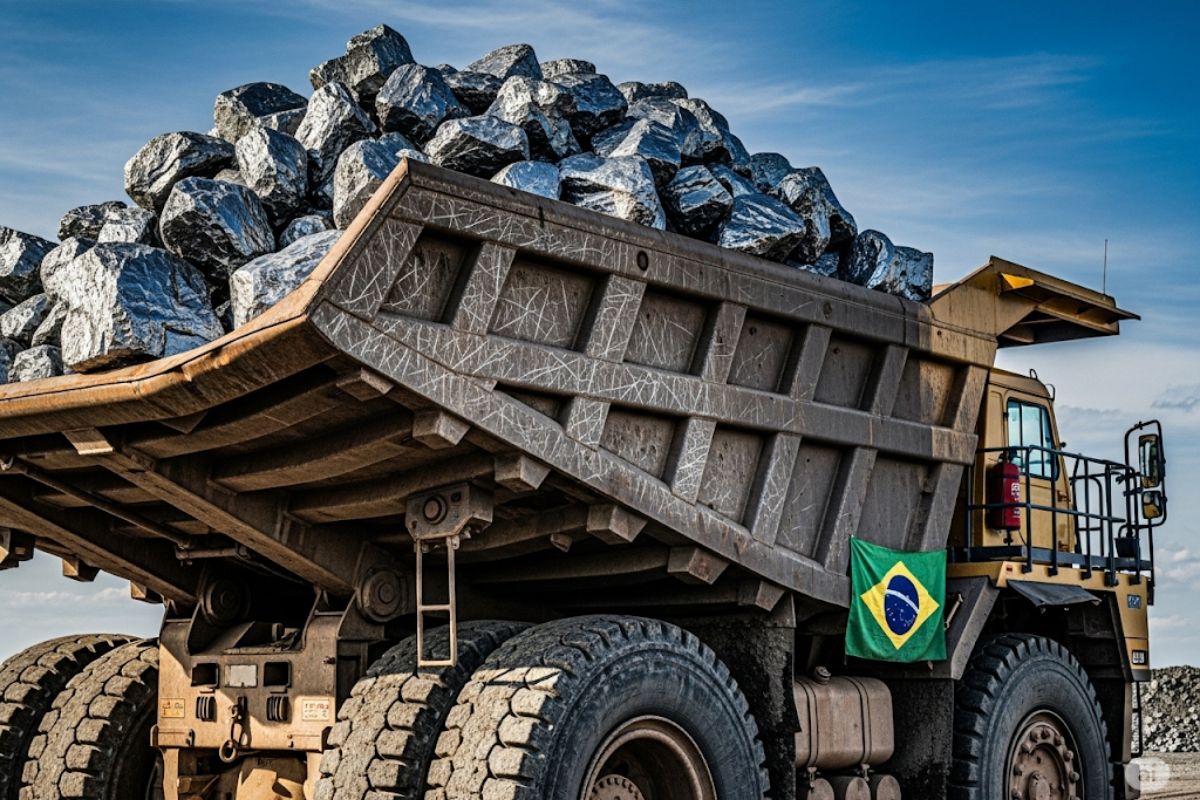

Discover the History of the Niobium Discovery in Araxá, Minas Gerais, the Vast Reserves That Place Brazil at the Top of Global Production, and the Central Role of CBMM in This Strategic Leadership.
Niobium, a transition metal with extraordinary physical and chemical properties, is a crucial element for numerous high-tech industrial applications. In the heart of Minas Gerais, in Araxá, the niobium discovery in the 20th century revealed a mineral wealth that ensures Brazil’s absolute world leadership in its production.
This article explores the fascinating trajectory of Brazilian niobium, from its niobium discovery in Araxá. We will detail the unique geological context of the region, the magnitude of national reserves, the prominence of the Companhia Brasileira de Metalurgia e Mineração (CBMM), and the economic and strategic impact of this metal for the country and the world.
Araxá: The Epicenter of Brazil’s Niobium Wealth
The history of niobium exploration in Araxá, Minas Gerais, began in the mid-20th century. The deposit, now the largest in the world in operation, was officially inaugurated in 1955, the same year the Companhia Brasileira de Metalurgia e Mineração (CBMM) was founded, the company that holds the rights to its exploration.
-
Brazil extracts 26.3 million tons of ore from what was previously treated as waste, transforming residues into wealth, producing over 3 million tons of sand, and demonstrating how national mining is relearning to generate value.
-
A $3.5 billion megaproject in Latin America pumps desalinated seawater at 1,050 liters per second over 194 km to keep a copper supermine in the Andes operational for another 20 years.
-
A hidden mine in the Andes valued at nearly R$ 1 trillion is starting to attract global attention, containing copper, gold, and silver, and raises an intriguing question: why do Argentina and Chile need to act together to exploit this gigantic wealth?
-
A silent discovery in the interior of Bahia could change the future of energy in Brazil: a uranium reserve in Lagoa Real has an estimated capacity to produce 400 tons per year and is already attracting the attention of energy sector specialists.
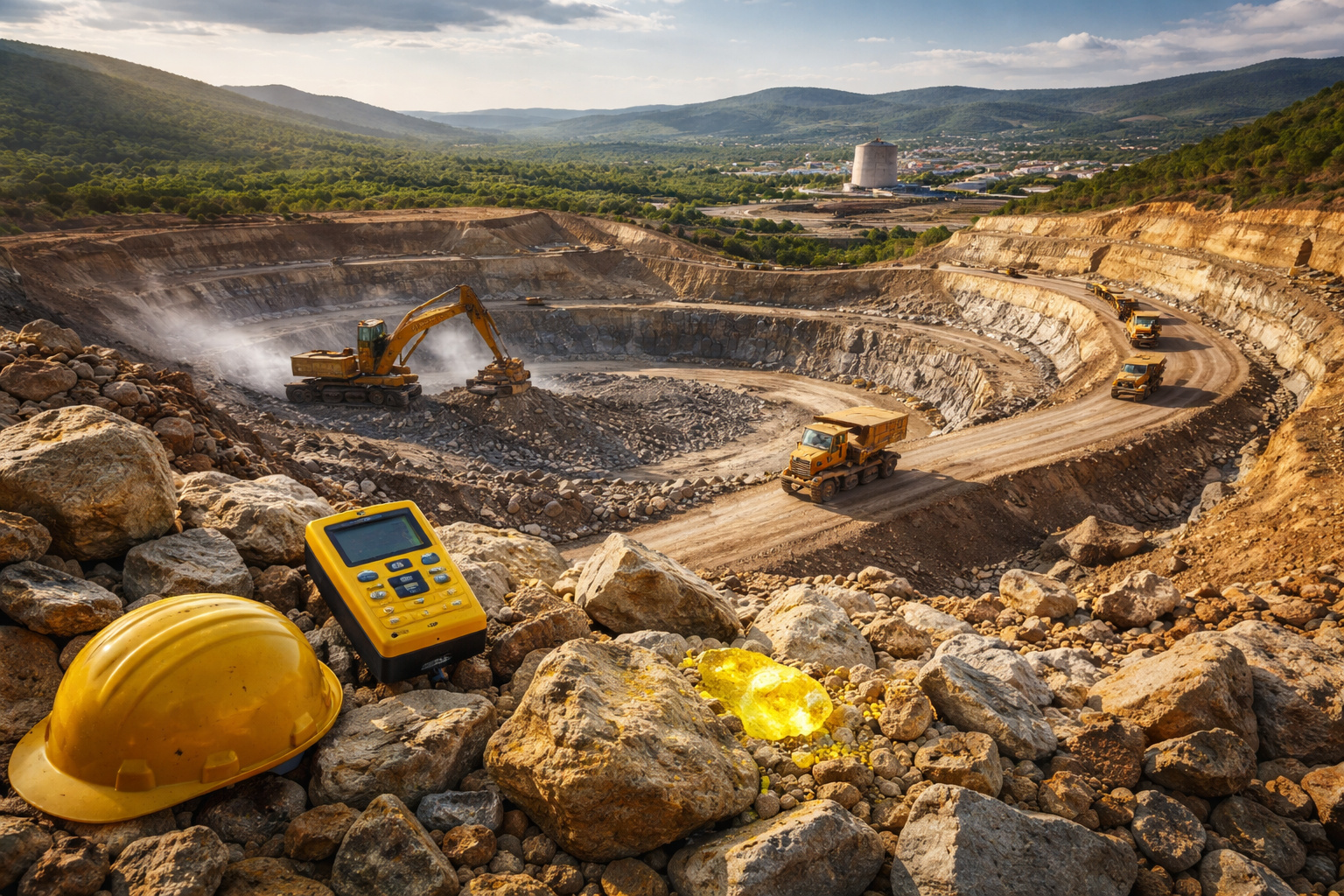

The geological context of Araxá is privileged: the reserve is part of the Barreiro Alkaline-Carbonatite Complex, and the main niobium ore is pyrochlore, found in considerably high grades, between 2.3% to 2.5% niobium oxide (Nb2O5). A significant advantage of the niobium discovery is the extraction method. Mining is conducted through open-pit methods, and the lateritic ore is friable (easily disaggregates), eliminating the need for explosives for dismantling. This results in significantly lower production costs compared to other global occurrences.
Brazil: The Global Giant in Niobium Reserves and Production
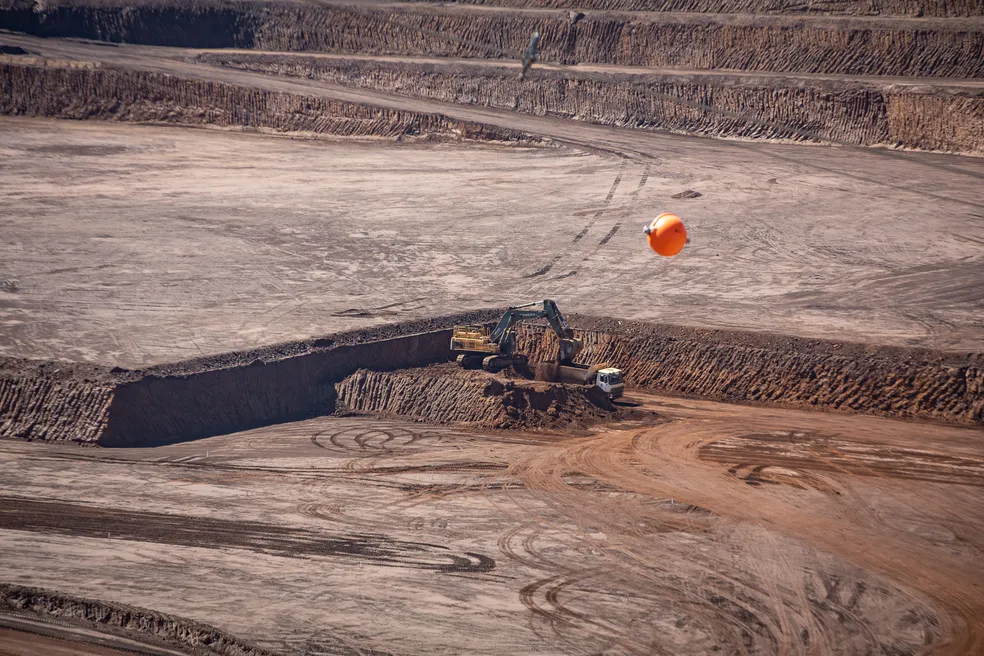
Brazil’s leadership in the niobium market is unquestionable, supported by its vast reserves. The country holds approximately 98% of the world’s operational niobium deposits and, in 2023, was responsible for about 95.9% of the global niobium concentrate production. Within Brazil, the state of Minas Gerais, driven by the Araxá deposit, concentrates 75% of the national reserves.
The longevity of these reserves is another impressive factor. It is estimated that, considering current consumption levels, the niobium reserves in Araxá are sufficient to meet global demand for a period of 100 to 200 years, consolidating Brazil’s dominance durably.
CBMM: The Driving Force of Industry with the Niobium Discovery
The Companhia Brasileira de Metalurgia e Mineração (CBMM), founded in 1955, is the central player in the niobium production chain of Araxá. It is responsible for the exploration, processing, and commercialization of the metal. As the global absolute leader, CBMM predominantly maintains national control, but since 2011 has included participation from an Asian consortium (formed by major steel companies), a strategic partnership aimed at strengthening and expanding the global consumer market for niobium.
The company conducts all production stages at its facilities in Araxá, from the extraction of pyrochlore to the development of high-value-added products, such as ferroniobium (its main product) and special niobium metallic alloys and oxides. A fundamental policy of CBMM is not to trade raw ore, focusing instead on industrialized products. The company continually invests in Research & Development (R&D) to create new applications for niobium, with recent emphasis on the battery sector.
The Strategic Value of Niobium: Economic Impact and Key Applications
Niobium has a substantial economic and strategic impact on Brazil. Exports of niobium products generated a surplus of USD 2.2 billion in Brazil’s trade balance in 2023, positioning the metal as the third most important item in the country’s mineral export agenda. The niobium industry is also an important source of direct and indirect job creation, promoting regional development in Minas Gerais.
The applications of niobium are vast and crucial for various sectors. About 90% of consumption is in steelmaking, for the production of high-strength low-alloy (HSLA) steels, used in the automotive industry, pipelines, gas pipelines, and large structures. Niobium is also essential in superalloys for aircraft turbines, in superconductors for magnetic resonance imaging equipment, in optical lenses, electronic components, and increasingly in lithium-ion batteries, where it enables ultra-fast charging and longer lifespan. This diversity of use gives niobium the status of a strategic mineral for Brazil and for leading global powers.
Global Market, Sustainability, and the Future of Niobium from Araxá

The global demand for niobium has been growing, driven by the steel industry and new technologies, especially those related to energy transition and electrification. CBMM, the leading global supplier, faces competition not so much from other niobium producers but from other metals (such as vanadium and titanium) and alternative materials, necessitating a constant strategy of innovation and market development for niobium products.
Sustainability is an important pillar for CBMM. The company adopts practices such as building tailings dams using the downstream method (considered safer) and managing scoria with radioactive content (naturally present in the ore) according to the standards of the National Commission of Nuclear Energy (CNEN). Additionally, it makes social investments in Araxá and has certifications such as ISO 37001 (anti-bribery management). Future prospects for Brazilian niobium involve the continuous verticalization of production, meaning the manufacture of even higher value-added products in the country, and an increasing focus on innovation to maintain leadership and meet the demands of a transforming global market.








Se o governo é tão ruim assim porque ter filhos.
Essa matéria só comete uma injustiça ou omissão. O Cetec-MG, enquanto órgao estadual (depois doado para a Fiemg, pelo governo Anastasia), foi o responsável pelo desenvolvimento da técnica necessária para extrair o Nióbio da rocha mineral explorada pela CBMM.
Acabou a cidade de Araxá. Quero ver quem ou o que vai pagar a destruição que deixam para trás. Estão destruindo nosso estado pora causa da ganância de empresas qie nem brasileiras são, pois, entregam tudo de graça pra multinacionais e o estado mesmo, numa divida tao infundada. Pergunto: pra onde vai o dinheiro da mineração e de todas essas extrações de ouro, niobio, enfim, todas as riquezas **** retiradas do solo, não só de Minas, mas de todo o pais? Depois, deixam migalhas pra população, como esta ocorrendo ate hj em Mariana, Brumadinho e outras xidades devastadas pela Vale e comparsas. Ate quando vamos ficar calados vendo destruir o estado, enfim, o pais inteiro???