





 Portuguese
  English
  Spanish
  4 min of reading
  0 comments


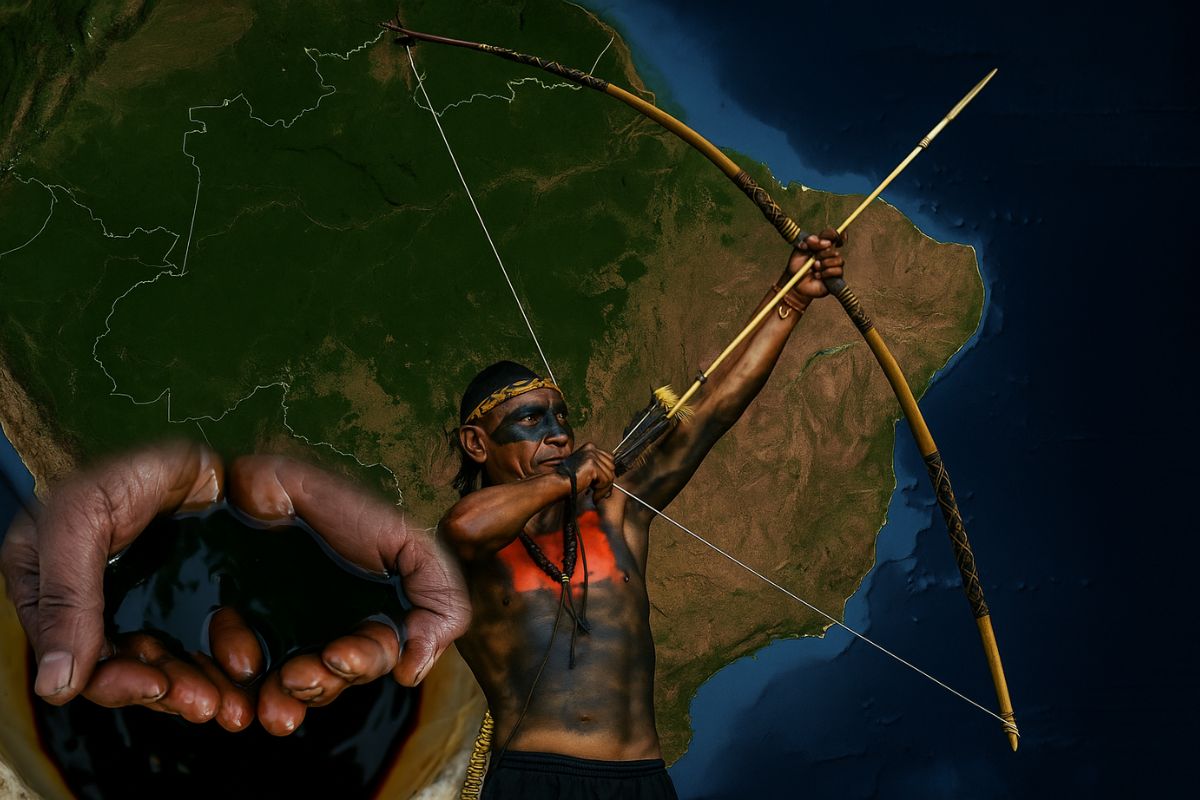
Understand How Eneva’s Historic Announcement in the Amazon Basin Was Obscured by a Crisis of Confidence, Revealing the Immense Challenges of Operating in the World’s Largest Forest
A new onshore oil discovery in the Amazon, announced by the company Eneva, had everything to be a celebrated piece of news in the market. The event, which took place in 2024, marked the opening of a new and promising frontier for exploration in the Amazon Basin. However, what transpired was the opposite: on the day of the announcement, the company’s shares plummeted, leading the losses on the stock exchange.
The paradox reveals a complex reality. The positive news was completely overshadowed by the simultaneous release of a significant decline in the company’s gas reserves in the same region. For investors, the warning sounded loud, exposing the massive logistical, environmental, and social risks that turn oil and gas exploration in the Amazon into a high-risk venture, where every step is a battle.
What Did Eneva Find? The Announcement of February 15, 2024
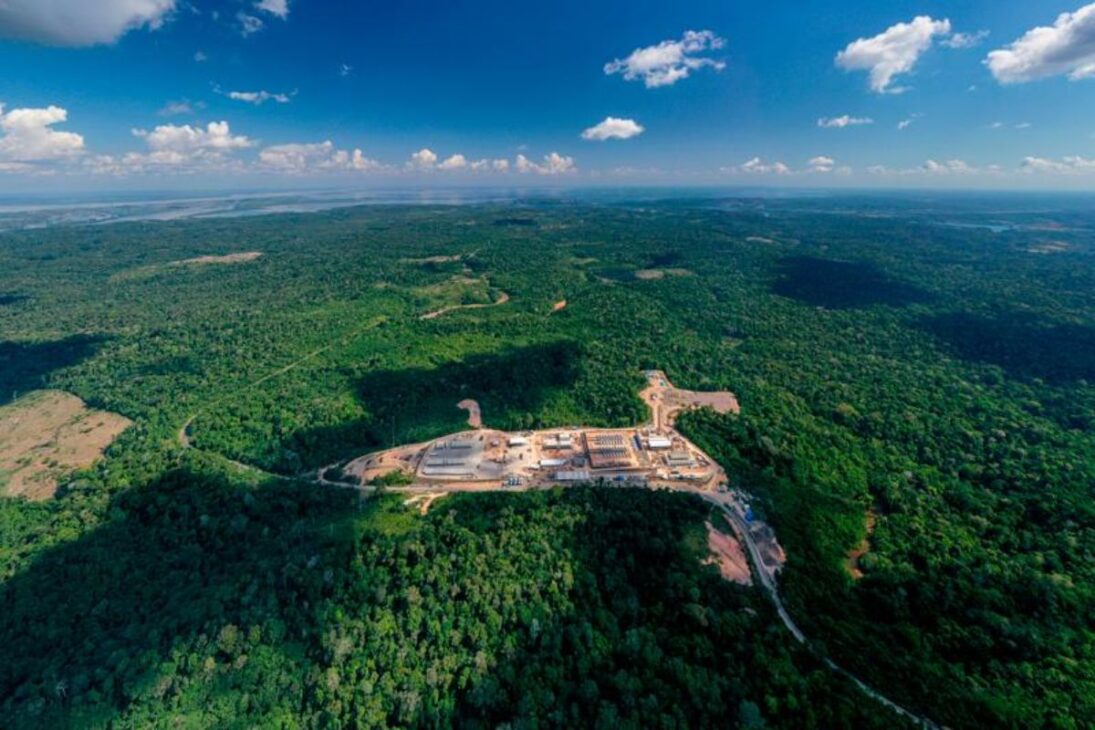
The historic milestone occurred on February 15, 2024, when Eneva informed the National Agency of Petroleum, Natural Gas and Biofuels (ANP) about the commercial viability of a new field. Located in the Amazon Basin, the Tambaqui Field represents the first onshore oil discovery by the company in the region, diversifying its operations which had until then focused on natural gas.
-
With just joint compound, white glue, and pigment, you can make a homemade paint that yields double the conventional amount, saves up to 70%, and leaves the wall with a finish that no one would believe wasn’t store-bought paint.

-
Home environment can influence the brain, mood, and well-being: studies indicate an increase of up to 15% in productivity, a reduction of 12% in stress with plants, and a direct impact of the circadian rhythm on the 24 hours of the day.

-
A Brazilian millionaire couple restores a farm over 150 years old in the interior of São Paulo and transforms the historic property with Portuguese tiles, antique furniture, and new spaces into a refuge that blends tradition, comfort, and sophistication.
-
Submerged city in a lake in Minas reveals intact streets, preserved vehicles, and houses after more than 60 years, impressing divers.


The announcement confirmed commercially viable volumes of oil and condensate, a type of light oil of high value. The discovery, resulting from an investment of R$ 550 million just in the exploration phase, positions Eneva as a relevant operator in the Amazon Basin, a geologically promising area but still little explored compared to the neighboring Solimões Basin.
The Good News That Became a Problem: The Decline in Gas Reserves
Surprisingly, the market reacted poorly. Eneva’s shares (ENEV3) fell more than 3% on the day of the announcement. The reason was another piece of information released on the same day in a certification report: the company’s proven and probable gas reserves (2P) in the Amazon Basin were reduced by about 30%.
The negative revision generated a crisis of confidence. Investors questioned whether the company had been too optimistic in its initial projections. For a long-term project, where Amazon gas is the guarantee to supply thermoelectric plants for over 20 years, such a sharp decline in reserves raises a warning sign about the future sustainability of the operation. Distrust overshadowed the euphoria of the new discovery.
The Amazon Puzzle: How to Extract Oil and Gas from the Forest?
The biggest challenge for exploration in the Amazon is not finding resources, but transporting them. The region lacks infrastructure such as pipelines or major highways, which necessitates complex and costly logistical solutions.
For its Azulão gas field, Eneva already operates a “virtual pipeline”: the gas is liquefied (transformed into LNG) and transported over 1,100 km in cryogenic trucks to a plant in Roraima. For the new onshore oil discovery in Tambaqui, the solution is expected to be similar. The most likely plan involves a multimodal model, transporting the oil by truck to a river terminal and then by barges on the Amazon River to the Manaus Refinery (REMAN) or ports for export.
The Judicial Dispute and the Indigenous Peoples
Aside from logistics, Eneva faces a complex legal and social battle. The environmental licensing of the project, granted by the state agency IPAAM, is challenged by the Federal Public Ministry (MPF). The MPF argues that, given the scale of the project, the license should be federal, issued by IBAMA, which is technically more rigorous.
Another point of conflict is the accusation of lack of prior, free, and informed consultation with the indigenous peoples Mura and Munduruku, whose territories are within the project’s area of influence. Consultation is a requirement of Convention 169 of the International Labour Organization (ILO), of which Brazil is a signatory. A technical report from the MPF itself severely criticized Eneva’s environmental impact study, claiming that the damages were underestimated. This judicial dispute and the lack of a “social license” to operate are, today, the greatest risks for the future of the new oil frontier in the Amazon.






-

Uma pessoa reagiu a isso.