





 Portuguese
  English
  Spanish
  5 min of reading
  0 comments


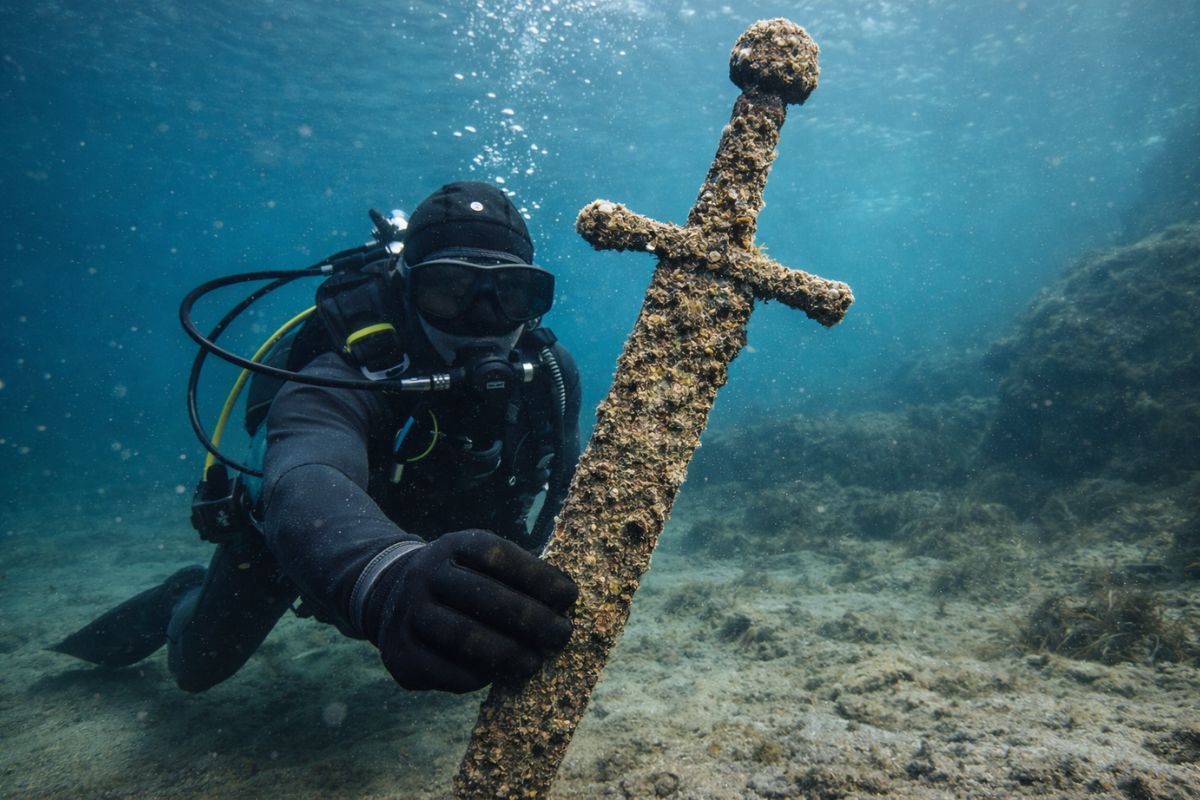
A 900-year-old sword was found at the bottom of the Mediterranean Sea off the northern coast of Israel, protected by marine concretions that preserved the 12th-century artifact from the Crusades period, and scientists use non-invasive scanners to reveal details about metalworking and medieval combat.
A 900-year-old sword is rewriting what scientists know about medieval battles in the Mediterranean. The artifact was found during a dive off the northern coast of Israel, a region known for its underwater archaeological wealth, covered by sediments and rocks on the seabed. Its symmetrical and clearly artificial shape caught immediate attention, and initial analysis confirmed it to be a medieval sword from the 12th century, a period coinciding with the height of the Crusades. The state of preservation impressed researchers and opened a window to understand military strategies, trade routes, and technological advancements of an era that shaped world history.
The 900-year-old sword is not just a beautiful object pulled from the sea. It offers direct material evidence of historical events that written records cannot capture with the same precision. The area where the artifact was located had previously produced similar finds, indicating that the site may have been a strategic maritime route or a scene of recurring conflicts during the Crusader campaigns. For underwater archaeology, every artifact that emerges from the Mediterranean adds a piece to the puzzle of how the Middle Ages truly functioned.
How the 900-year-old sword survived at the bottom of the Mediterranean Sea

According to g1, the state of preservation is the most notable aspect of the find. The 900-year-old sword was enveloped by marine concretions, formations composed of sand, shells, and minerals that accumulated over the centuries and created a natural protective layer around the metal.
-
The city has 33 islands, urban beaches, and the highest education rating among all the capitals of Brazil, but almost no one remembers it when thinking about living or traveling in the Southeast.

-
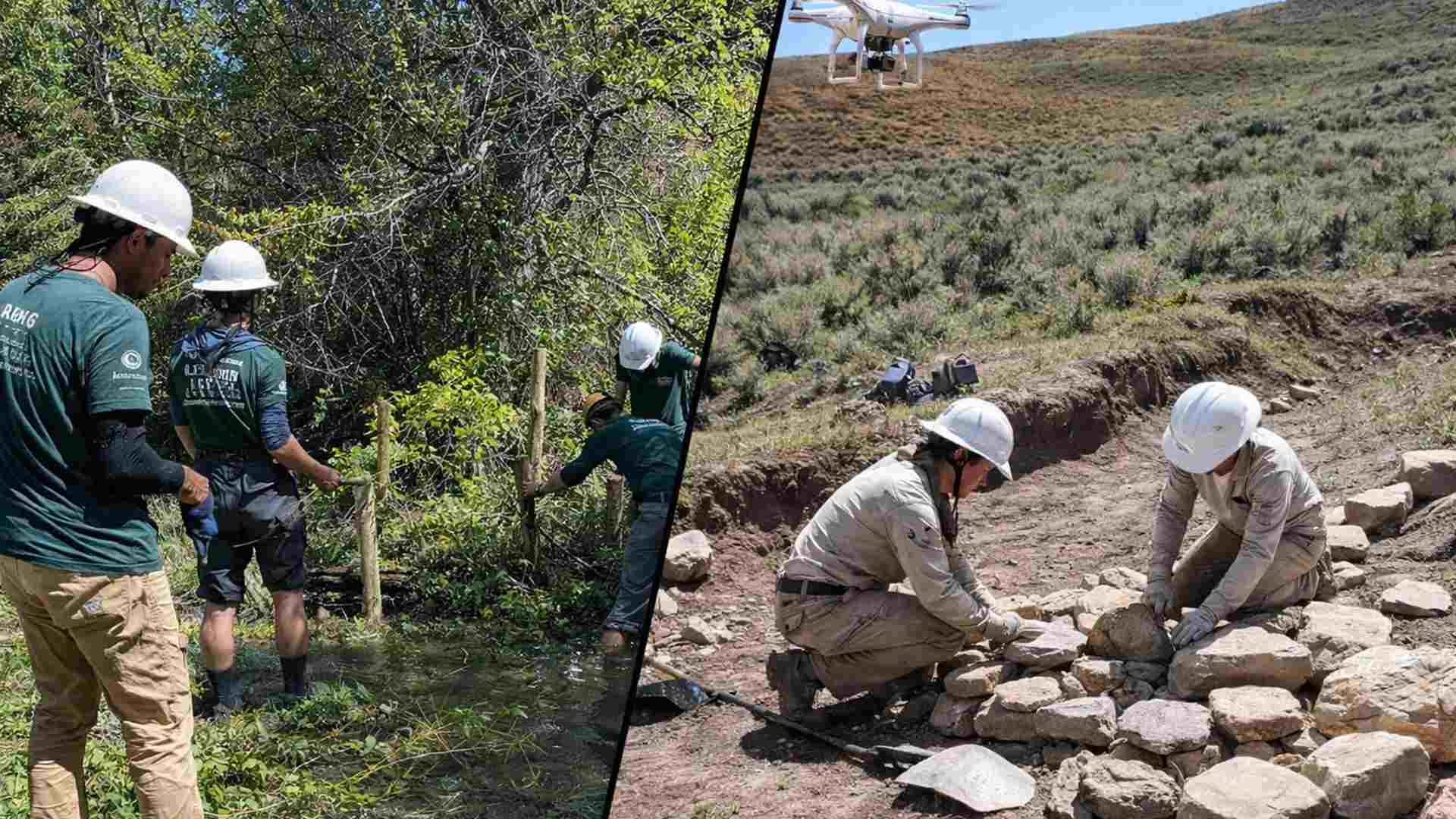
Drones come into action as teams of young people build 74 artificial dams and 100 rock structures to contain erosion, restore threatened streams, and try to return moisture and stability to degraded areas.
-
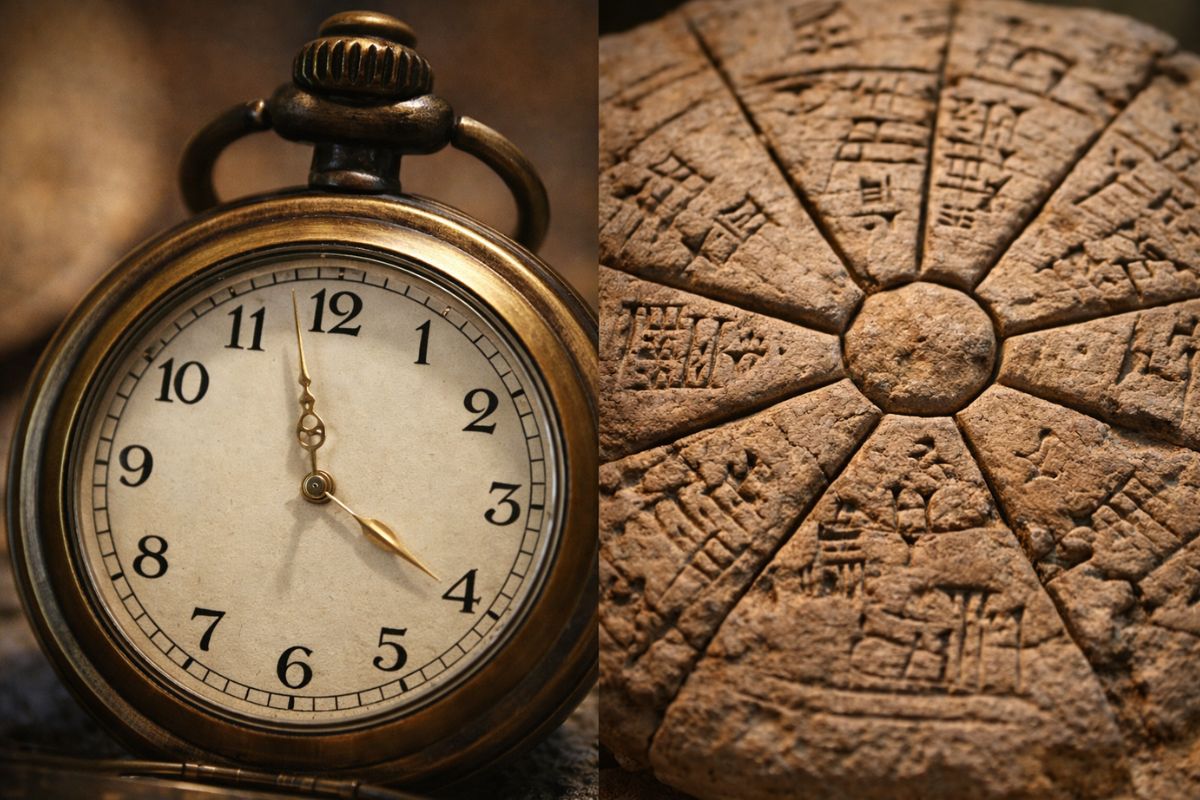
Have you ever wondered why the clock shows 60 minutes and not 100? The answer involves a mystery of 5,000 years that began in Mesopotamia, and no one has been able to change it to this day.
-
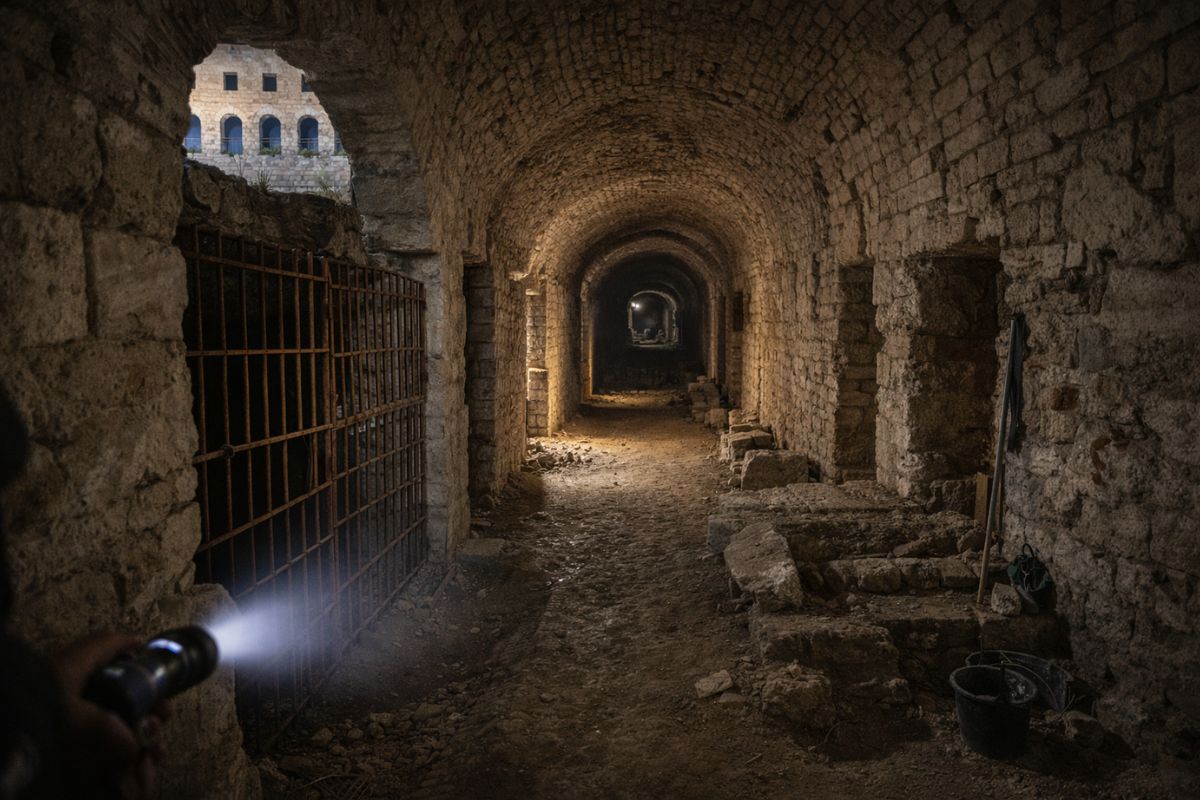
A 90-meter secret corridor remained hidden for 2,000 years under gladiator sand in Croatia and now reveals how the Roman Empire organized death away from the public eye.
This kind of mineralized cocoon prevented saltwater corrosion from destroying the blade and the weapon’s structure, preserving details that normally disappear in artifacts submerged for much shorter periods.
The concretions that protected the 900-year-old sword are both a gift and a challenge for scientists. Removing this layer without damaging the original metal requires specialized techniques, which is why researchers opted for non-invasive analysis methods.
The decision to keep the concretions intact during the initial studies preserves the integrity of the piece while revealing crucial information about what exists within that mineralized layer.
What the 900-year-old sword reveals about the Crusades and medieval combat
Preliminary dating places the 900-year-old sword in the 12th century, a period marked by the height of the Crusades. This context reinforces the hypothesis that the weapon belonged to a European Crusader knight fighting in the Levant region, using the Mediterranean as a route for transporting troops, weapons, and supplies.
The maritime dimension of the Crusades is often less explored in traditional historical records, which tend to focus on land battles and sieges of fortified cities.
The 900-year-old sword measures about one meter in length and exhibits typical characteristics of medieval European weaponry. The blade, structure, and grip indicate use in direct combat, designed for efficiency and durability.
The dimensions and design are compatible with swords used by mounted knights, reinforcing the hypothesis that the original owner was a combatant of high status, likely part of a military order or European nobility who participated in the campaigns in the Holy Land.
How modern technology analyzes the 900-year-old sword without destroying it
Scientists studying the 900-year-old sword use techniques that would have been unthinkable just a few decades ago. Specialized scanners can penetrate the marine concretions and identify fractures, levels of corrosion, and even the manufacturing methods used by medieval blacksmiths, all without removing the protective layer that has kept the weapon preserved for nine centuries.
This non-invasive approach is essential for rare artifacts whose scientific value would be compromised by destructive analysis methods.
The information obtained by the scanners significantly enhances the understanding of medieval metallurgy and its production techniques. The composition of the metal, forging patterns, and heat treatment of the blade reveal the level of technological sophistication of 12th-century blacksmiths.
For historians studying the Crusades, this data is as valuable as written documents because it shows what soldiers actually brought to the battlefield, not just what chroniclers described years later.
The importance of the coast of Israel as an underwater archaeological site
The region where the 900-year-old sword was found is not an isolated discovery. The northern coast of Israel is recognized as one of the richest underwater archaeological sites in the Mediterranean, with a history of finds that include ancient anchors, fragments of vessels, and other military artifacts.
The concentration of objects in this area suggests intense maritime activity over the centuries, from Phoenician trade routes to Crusader military campaigns.
The dynamism of the seabed means that new artifacts can emerge at any moment, as currents, storms, and changes in sediments periodically expose objects that have been buried for centuries.
The 900-year-old sword may have been revealed by a recent change in the seabed, becoming visible to the diver who found it. For underwater archaeology, this unpredictable nature of discoveries is both a logistical challenge and a promise that the Mediterranean still holds secrets that even the most optimistic researchers cannot imagine.
Why the 900-year-old sword matters beyond archaeology
Artifacts like this sword are bridges between the present and a past that would otherwise exist only in texts and illustrations.
The 900-year-old sword allows historians, metallurgists, and military scholars to literally touch the Middle Ages, analyzing an object that was wielded by someone who lived, fought, and possibly perished during one of the most violent periods in human history.
Every mark on the blade, every detail of the grip, and every trace of use tells a story that no document can narrate.
The discovery reinforces the importance of protecting underwater archaeological sites and investing in technologies that allow studying artifacts without destroying them. The Mediterranean is an open-air museum, where every dive can reveal pieces that change the understanding of entire civilizations.
The 900-year-old sword is more evidence that the seabed preserves history more faithfully than many libraries.
What impresses you most about this discovery: the fact that a 900-year-old sword survived at the bottom of the sea or the technology that allows it to be analyzed without touching it? Do you think the Mediterranean still hides artifacts that could change history? Let us know in the comments. Discoveries like this show that the past is closer to us than we imagine.










Seja o primeiro a reagir!