





 Portuguese
  English
  Spanish
  4 min of reading
  2 comments


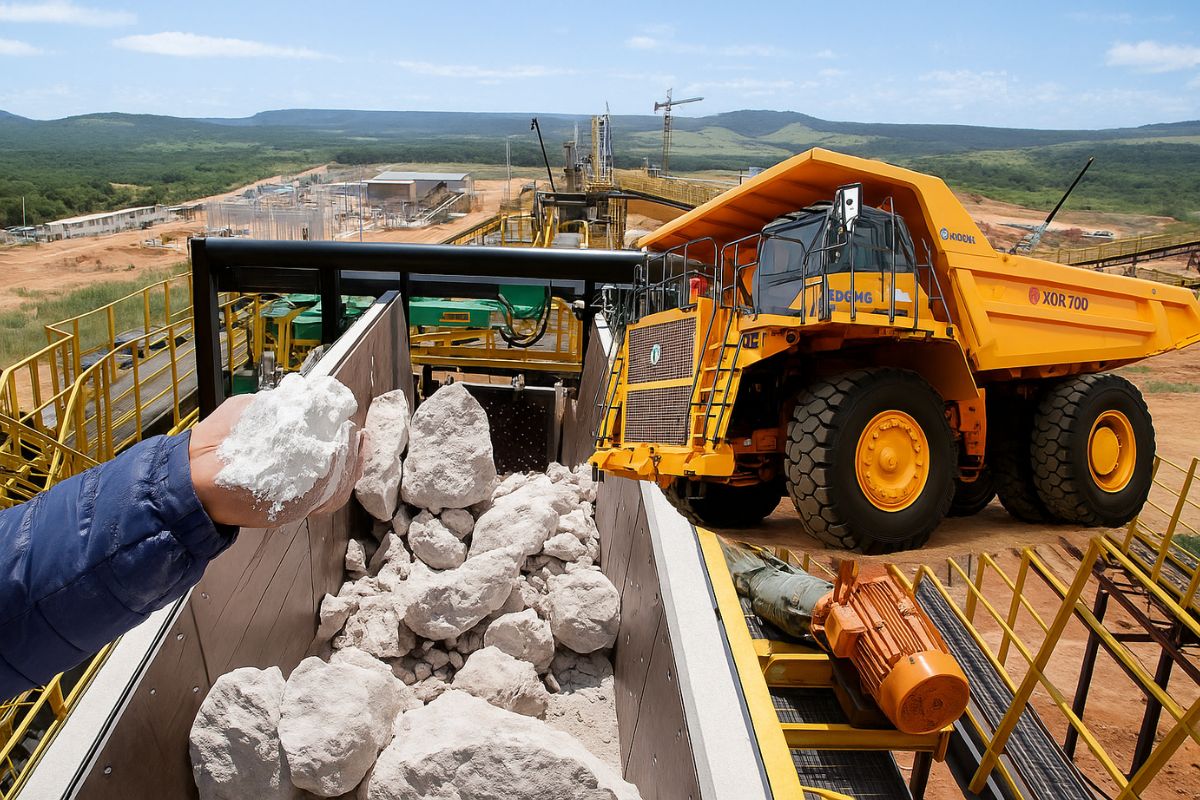


Led by CEO Ana Cabral-Gardner, Sigma Lithium became a global phenomenon with its “Green Lithium”, but the history of the mining company is marked by strategic agreements, legal disputes, and severe socio-environmental allegations.
In the Jequitinhonha Valley, one of the poorest regions of Minas Gerais, a mining company is at the center of a global race for “white gold”. Sigma Lithium, led by Brazilian CEO Ana Cabral-Gardner, initiated a R$ 3 billion project to transform the region into a global hub for lithium production, an essential raw material for electric vehicle batteries.
The company presents itself as a model of sustainability, but its rise is marked by a paradox. While it closes agreements with global giants and attracts interest from China, it faces severe accusations of environmental and social damage from the communities living around its mine. The company’s trajectory is a case study on the complex relationship between mining, finance, and development in the era of energy transition.
The 2012 Bet in the Jequitinhonha Valley
The story of Sigma Lithium as we know it today began to take shape in 2012. It was in this year that the first investments were made in the Grota do Cirilo project, located in the municipalities of Araçuaí and Itinga, in Minas Gerais. The strategic vision behind the mining company’s venture came from Ana Cabral-Gardner, an executive with over 25 years of experience in financial giants such as Goldman Sachs and Merrill Lynch.
-
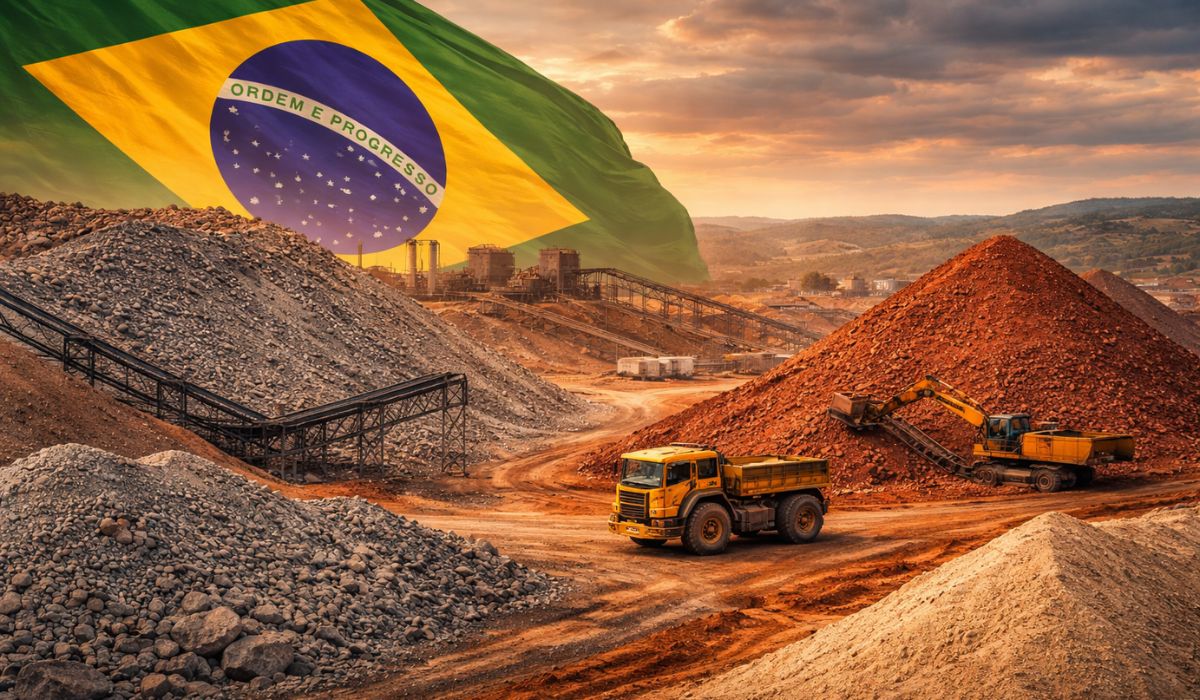
Brazil extracts 26.3 million tons of ore from what was previously treated as waste, transforming residues into wealth, producing over 3 million tons of sand, and demonstrating how national mining is relearning to generate value.
-
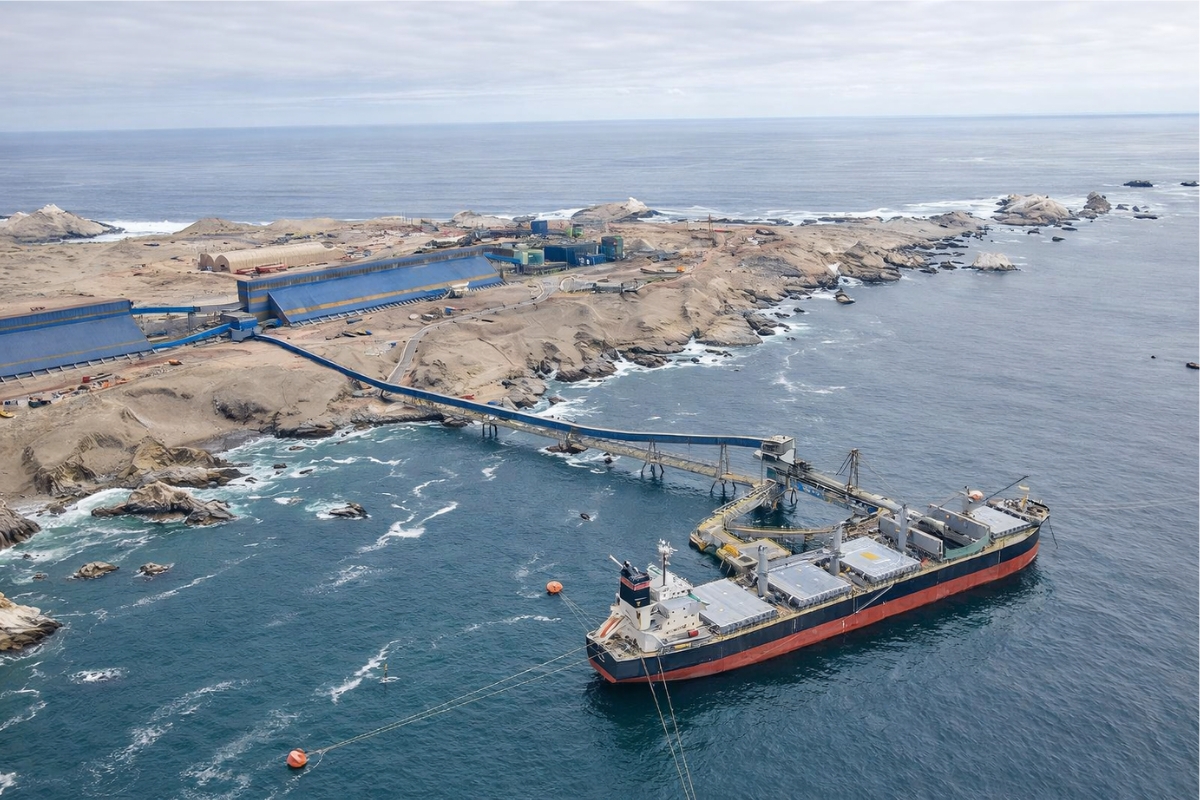
A $3.5 billion megaproject in Latin America pumps desalinated seawater at 1,050 liters per second over 194 km to keep a copper supermine in the Andes operational for another 20 years.
-
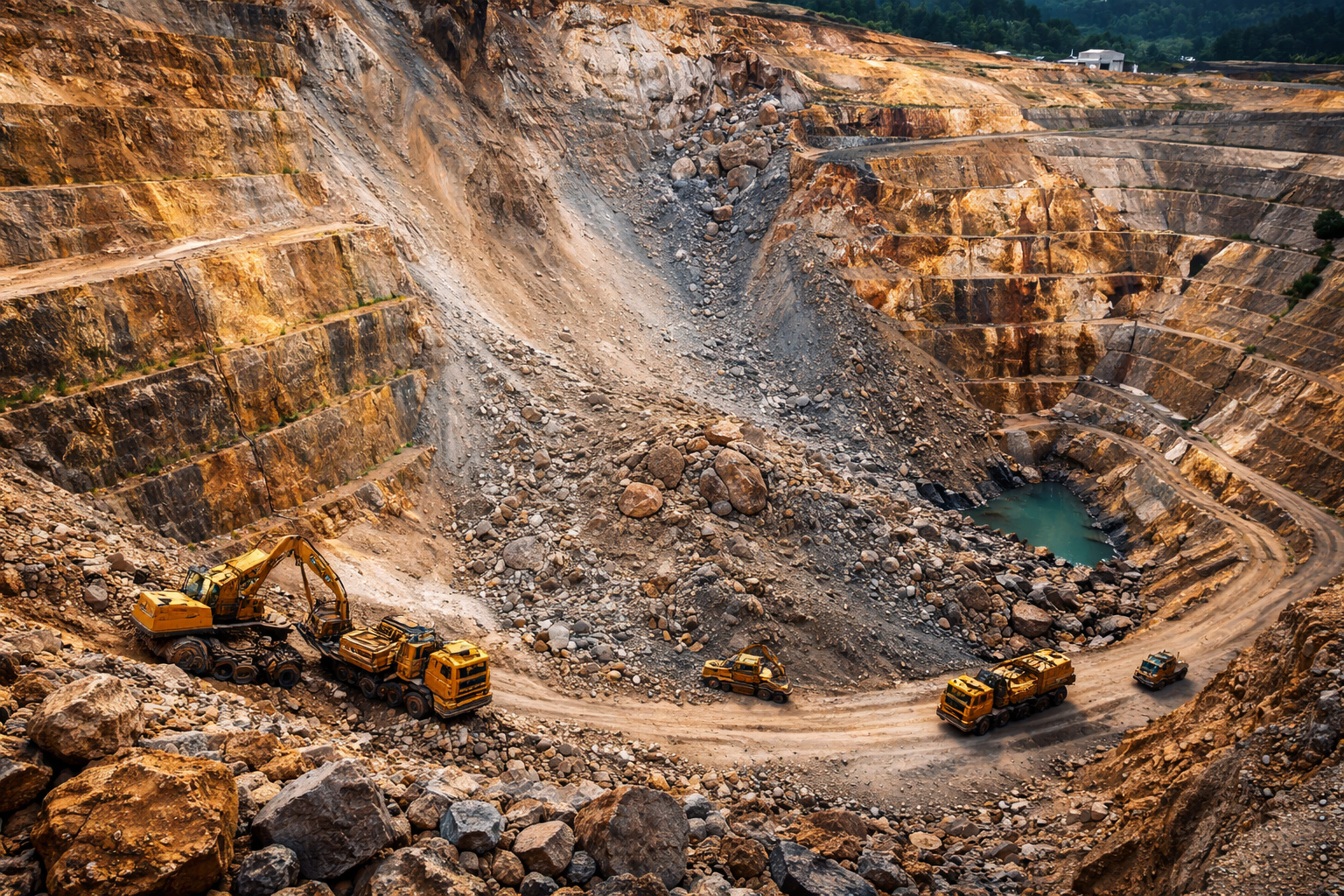
A hidden mine in the Andes valued at nearly R$ 1 trillion is starting to attract global attention, containing copper, gold, and silver, and raises an intriguing question: why do Argentina and Chile need to act together to exploit this gigantic wealth?
-
A silent discovery in the interior of Bahia could change the future of energy in Brazil: a uranium reserve in Lagoa Real has an estimated capacity to produce 400 tons per year and is already attracting the attention of energy sector specialists.
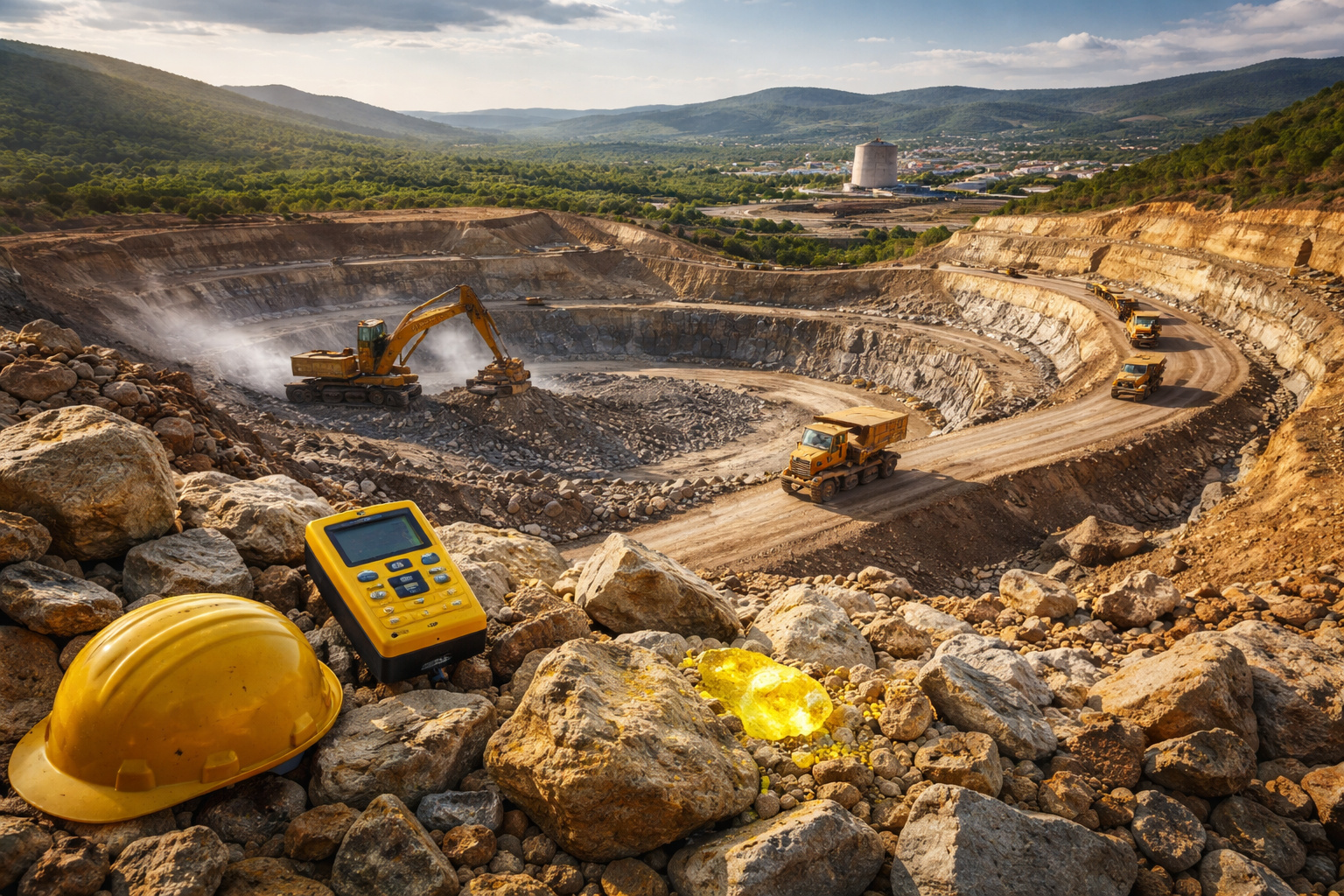

As a managing partner of A10 Investimentos, the controlling shareholder of Sigma, Cabral-Gardner applied her expertise to transform the region’s lithium reserves into a world-class project, which would culminate in the creation of the “Lithium Valley Brazil” initiative.
Agreements and Production: The Consolidation Phase (2021-2023)
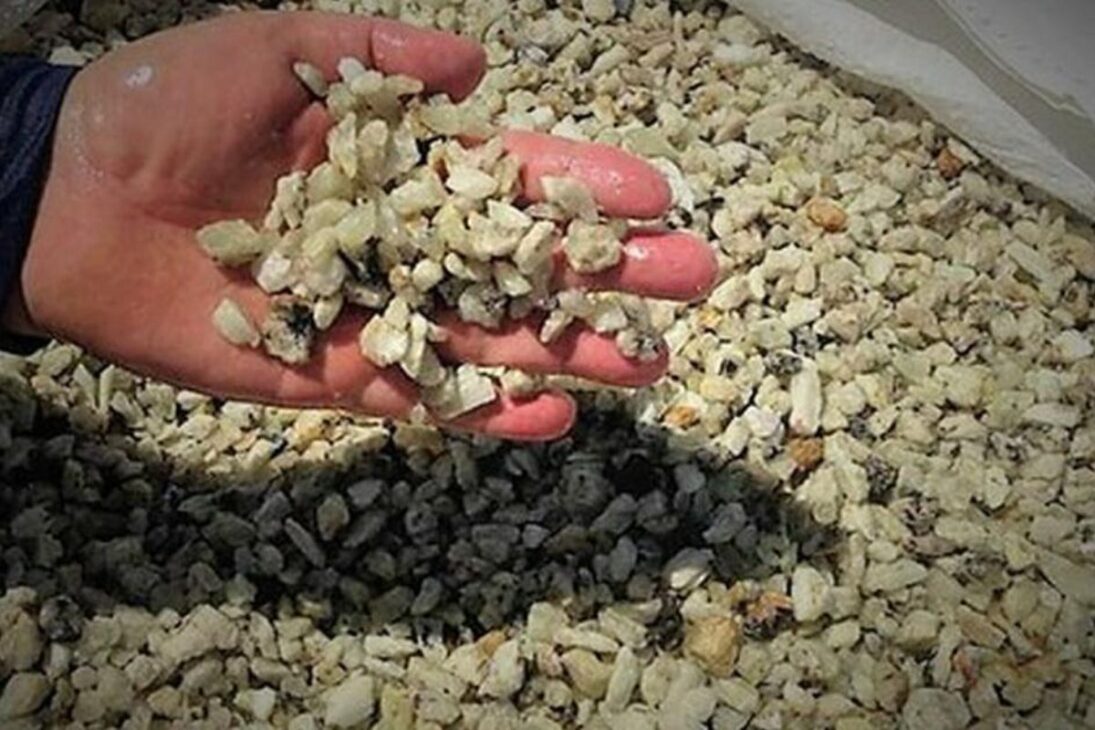
The path to production was marked by strategic agreements and the start of operations. In October 2021, Sigma announced a binding term of commitment with South Korea’s LG Energy Solution, one of the world’s largest battery manufacturers, for the long-term supply of lithium concentrate.
After more than a decade of development and an investment approaching R$ 3 billion, the mine finally began production. In April 2023, the company announced the start of Phase 1 of the project, a milestone that officially placed it on the global map of producers. Shortly after, in May 2023, the company and the Brazilian government globally launched the “Lithium Valley Brazil” project with an event on the Nasdaq stock exchange in New York.
The Mining Company’s Relationship with China and the Legal Dispute (2024)
The year 2024 was a period of intense negotiations and the emergence of conflicts. Early in the year, news circulated from industry sources that Sigma was in advanced negotiations to be sold to Chinese giants like CATL and BYD, in a deal that could reach US$ 2.9 billion. The company also signed an agreement to sell its “green tailings” to the Chinese processor Yahua.
However, in March 2024, the relationship with LG Energy Solution soured. The South Korean company initiated arbitration proceedings against Sigma, alleging that the miner violated the terms of the supply agreement signed in 2021. Sigma, in turn, claims that the allegations are “entirely without merit”.
Expansion, Controversies, and the Scenario of 2025
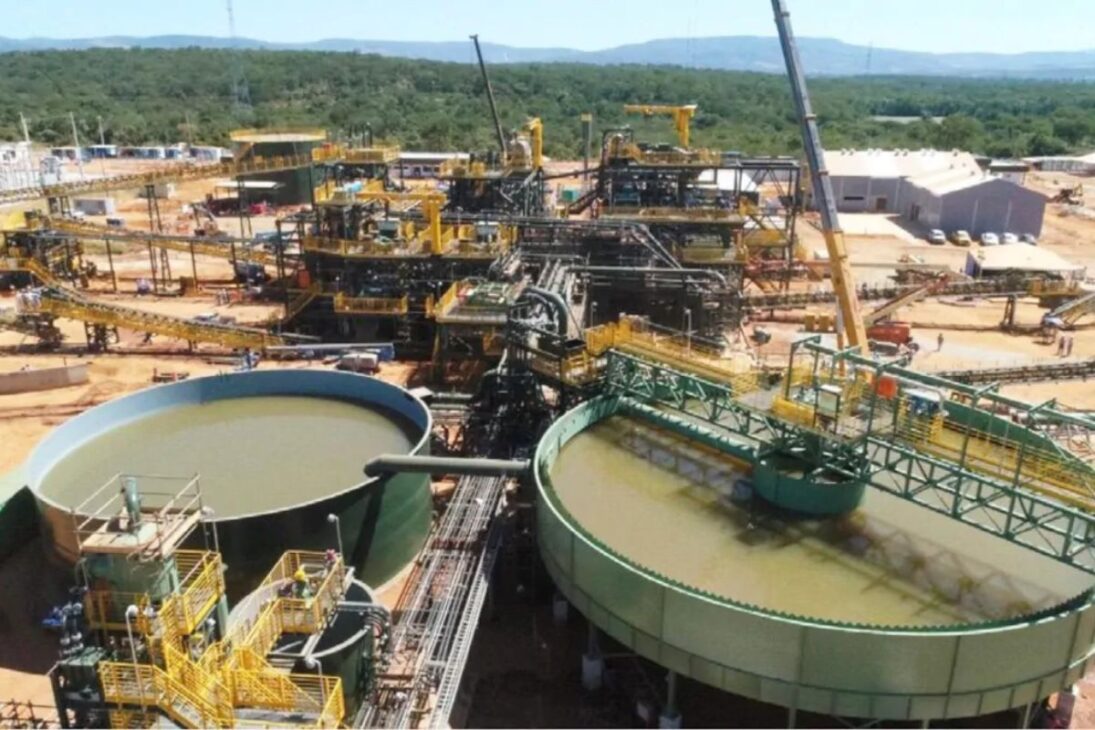
Despite the legal dispute, in April 2024, Sigma’s Board of Directors approved the Final Investment Decision for Phase 2 of the project, aiming to double production to 520,000 tons annually by 2026. The project gained strong momentum with the announcement of US$ 100 million in financing from BNDES.
However, the year 2025 brought new challenges. The relationship with China shifted from potential partnership to competition, with BYD acquiring its own mining rights in the same region of the Jequitinhonha Valley. More seriously, in April 2025, a consortium of four universities, including UFMG, published a devastating technical note recommending the “immediate suspension” of Sigma’s activities.
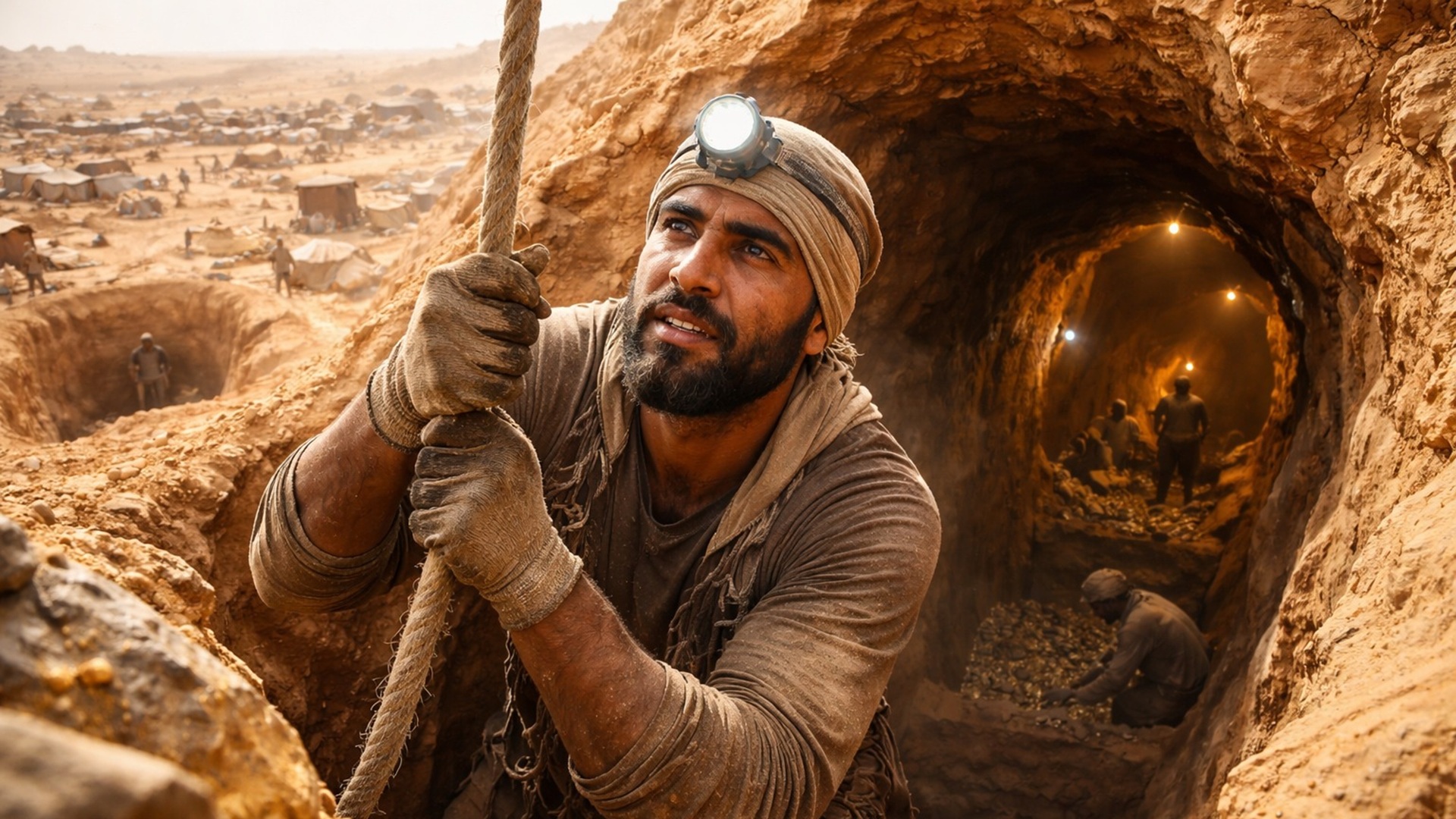
The note cites “serious human rights violations” and the use of a technology for mining considered “obsolete and destructive”. Allegations of air and water contamination by local communities, such as those from Piauí Poço Dantas, cast doubt on the mining company’s “Green Lithium” label, creating a paradox between its image of sustainability and the reality experienced in the Jequitinhonha Valley.









Chega a provocar nojo o comportamento dos governos e políticos mineiros,em relação às mineradoras do estado.Uma região como o vale do jequitinhonha, sempre foi relegada a sua própria sorte,com a maioria de sua população vivendo na extrema miséria,em cima de uma das maiores minas ,de Lítio do planeta,para a população ficará além buracos, poluição, destruição do meio ambiente, também miséria e doenças respiratórias.Para a região o mesmo que ficou para, Sabará, ouro preto, Mariana, Nova Lima, Itabira,catas altas e etcetera, etcetera, nojo dos governantes e políticos mineiros e tenho dito…
Produzir destruindo o meio ambiente não dá, ou muda ou fecha, já basta toda a destruição do cerrado e da Amazônia.