





 Portuguese
  English
  Spanish
  4 min of reading


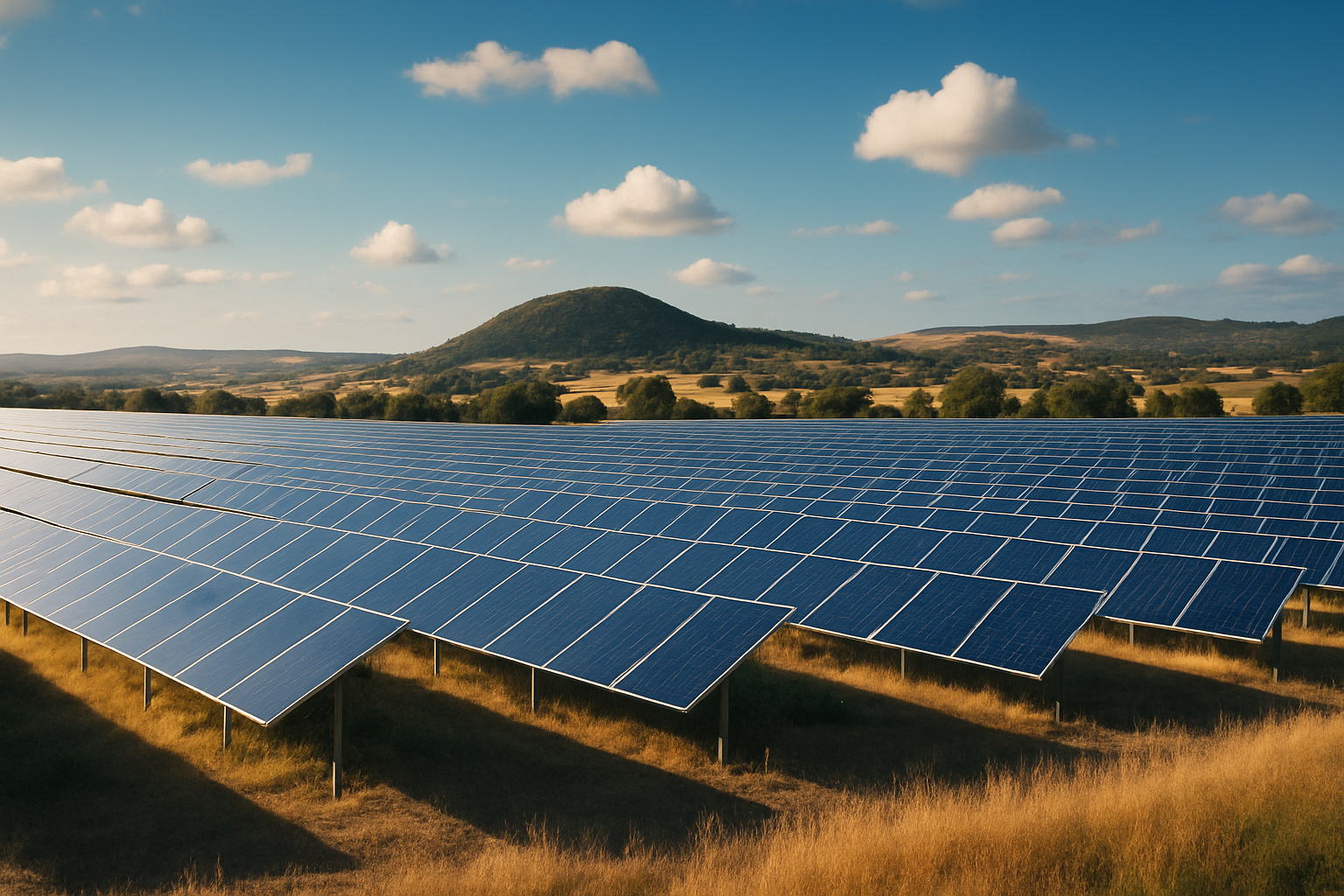
The Growing Force of Solar Energy in Portugal
The rise of solar energy in Castelo Branco did not happen by chance. Although Portugal moved slowly in adopting renewable energy in the early 2000s, the country began a structural change after climate commitments made within the European Union. Thus, public policies started to encourage researchers, companies, and investors to see the sun as an abundant and strategic resource.
According to the newspaper Público, which analyzed data from the Global Renewables Watch platform released in December 2025, the installed capacity of solar energy in Castelo Branco grew by 33,500% between 2017 and 2024. The district went from less than 1 MW to an impressive 183 MW, establishing itself as one of the territories with the greatest renewable expansion throughout the Iberian Peninsula.
This surprising growth cannot be explained only by the favorable solar irradiation of the region. It is also linked to how governments and companies understood the urgent need to diversify the energy matrix to reduce external dependencies and simultaneously strengthen national energy security.
-
Brazil surprises the world by cloning a pig with human genes in an attempt to save humans with transplants, a technique with only 1% to 5% success rate, editing 3 genes, inserting 7 human genes, and impacting 48,000 patients on the waiting list.
-
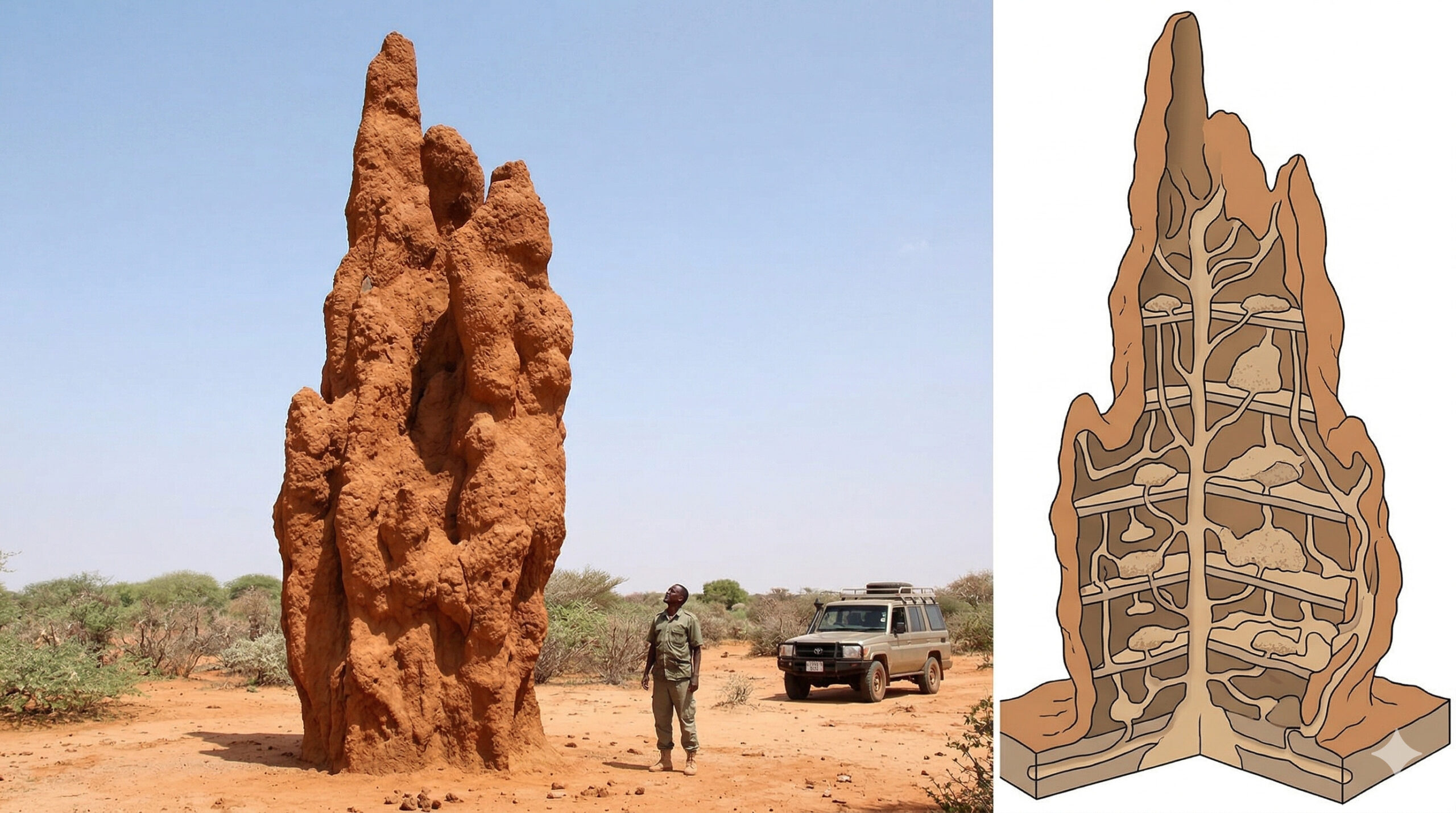
With a height of 8.7 meters, the giant termite mound found in Somalia has entered history as the largest ever recorded and reveals how insects just a few millimeters tall build three-story structures.
-
Measuring about 50 cm in wingspan, the merlin, the smallest bird of prey in the world, is at risk of extinction and could disappear by 2050, according to research published in Nature.
-
With 96 rooms, 37 bathrooms, and five kitchens, the mansion of the heir to Pernambucanas is worth R$ 50 million, has a pool, two terraces, and has become the target of a legal dispute after the owner fell into a coma in 2016.
Why Did Castelo Branco Become So Attractive?
Castelo Branco, historically associated with the agricultural sector and small industrial units, began attracting major players in the energy sector. This transformation occurred because the region met three determining conditions: a large availability of land, strong institutional support, and regulatory stability. Furthermore, the relatively low cost of implementing solar parks made the district a competitive hub compared to other European regions.
According to the newspaper Público, new solar parks are being planned, and therefore, the trend is that growth will continue in the coming years. Thus, the region consolidates itself as one of the energy engines of Portugal.
This scenario reveals how well-directed investments can change the economic structure of a territory. Companies found a safe environment to invest capital, and at the same time, local communities began to experience new professional and educational opportunities related to sustainability.
The Historical Impact of Solar Energy in Portugal
To understand the magnitude of the progress in Castelo Branco, it is essential to remember that Portugal lived for decades with a strong dependence on imported fossil fuels. However, price crises and international instability, such as those recorded in the 1970s and 2000s, encouraged the country to seek more solid alternatives.
According to the International Energy Agency (IEA), Portugal ranks among the countries that have advanced the most in renewable energy over the last decade. This advancement was accelerated by European climate targets, which require emission reductions and expand energy transition policies.
Thus, solar energy ceased to be merely a futuristic alternative. It became a key element in keeping the economy stable while improving the country’s environmental quality.
How the Advancement Transforms the Economy and the Territory
The exponential growth of solar energy also drives complementary sectors. Technology companies, panel manufacturers, and specialized service providers now see Castelo Branco as a strategic location. Similarly, universities and research centers are expanding studies on energy storage and photovoltaic efficiency.
Moreover, the reduction of dependence on fossil fuels reinforces the country’s energy security. This change reduces vulnerability to fluctuations in oil and gas, which have historically impacted the Portuguese economy. Therefore, the expansion of solar parks represents not only an environmental progress but also a strategy for national stability and autonomy.
Another relevant point is the social impact. The creation of green jobs, especially in rural areas, strengthens communities and attracts investments in infrastructure, education, and professional training. All of this enhances the significance of solar energy as a driver of sustainable development.
The Role of Innovation and Public Policies
The advancement of Castelo Branco was only possible because public policies created solid foundations for long-term investments. According to the Portuguese government, tax incentives, credit lines, and streamlined licensing processes allowed new projects to emerge swiftly.
Additionally, European funding programs reinforced the vision that solar energy should not only be an environmental solution but also an economic one. The integration between the private sector and regulatory institutions enabled predictability, an essential element to attract international investors.
This demonstrates that when climate policies align with growth targets, entire regions can transform profoundly.
A New Horizon for the Coming Years
With two new solar parks planned and the region already established as a reference, Castelo Branco is on its way to becoming a showcase for energy innovation. However, experts affirm that the upcoming challenges involve managing excesses, modernizing the electrical grid, and developing storage solutions.
Still, the foundation built in the last decade creates very favorable prospects. While the world discusses energy security and climate change, Castelo Branco offers a concrete example of successful sustainable transformation.
Solar energy is already shaping the present of the district and promises to redefine its future.







Seja o primeiro a reagir!