





 Portuguese
  English
  Spanish
  4 min of reading
  0 comments


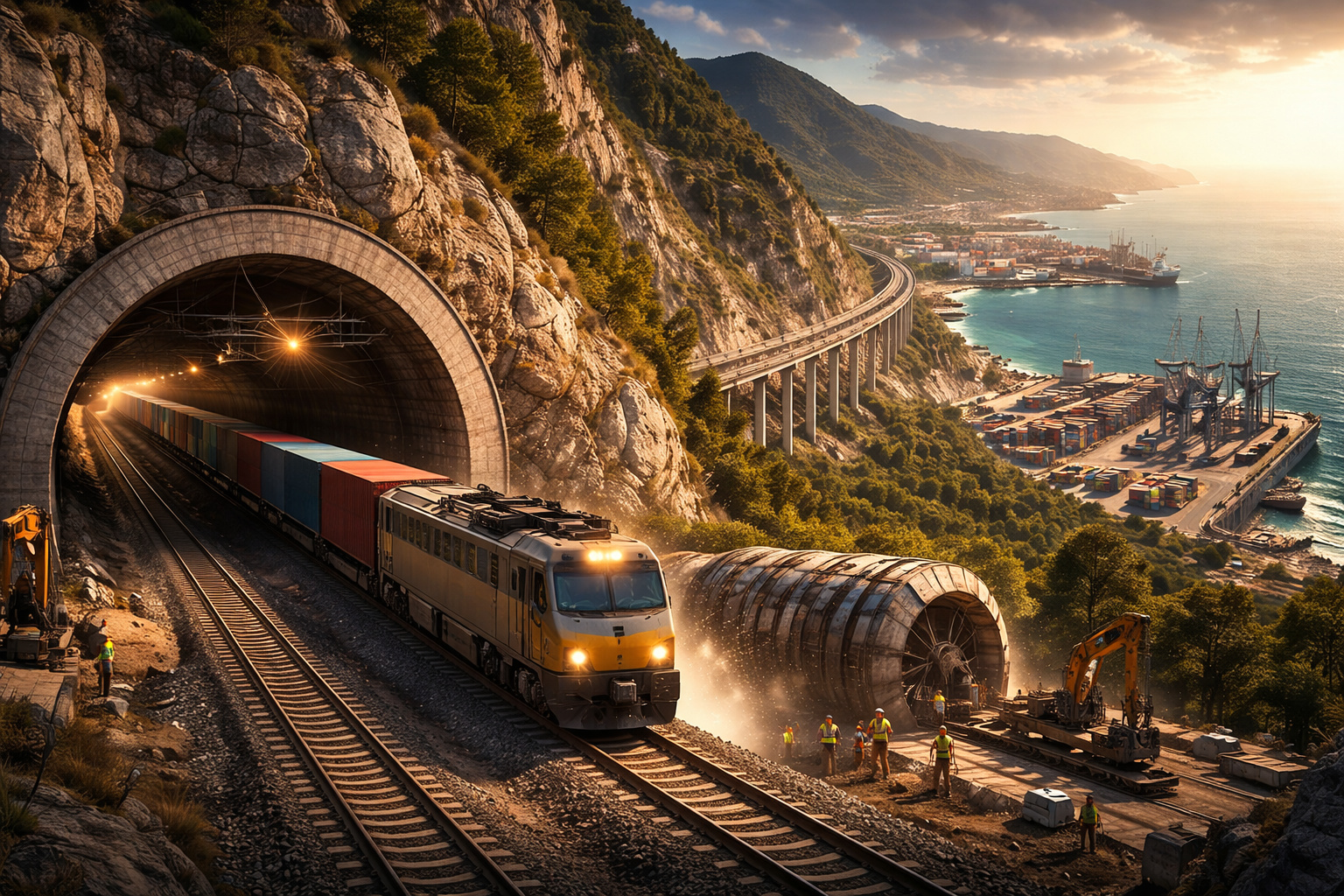
With Over € 50 Billion in Investments, Spain Builds the Mediterranean Corridor to Link the Atlantic and Mediterranean and Transform Iberian Logistics.
For centuries, geography has been one of the biggest obstacles to logistical integration of the Iberian Peninsula. Mountain ranges, steep gradients, and a historically fragmented railway system have limited the flow between producing regions, ports, and international markets. It was to break this physical and economic blockade that Spain decided to invest in one of contemporary Europe’s largest infrastructure projects: the Mediterranean Railway Corridor.
The project is not just about linking cities by rail but about reorganizing the logistics axis of southern Europe, directly connecting the Atlantic to the Mediterranean through a modern, interoperable railway network capable of competing with road and maritime transport.
A Continental Project with Over 1,300 km in Length
The Mediterranean Corridor comprises over 1,300 kilometers of railway lines, crossing Spain from south to north and east to west, linking strategic industrial, agricultural, and port regions. The route connects major hubs such as Algeciras, Valencia, Tarragona, Barcelona, and the French border, integrating Spain into the main railway routes of the European Union.
-
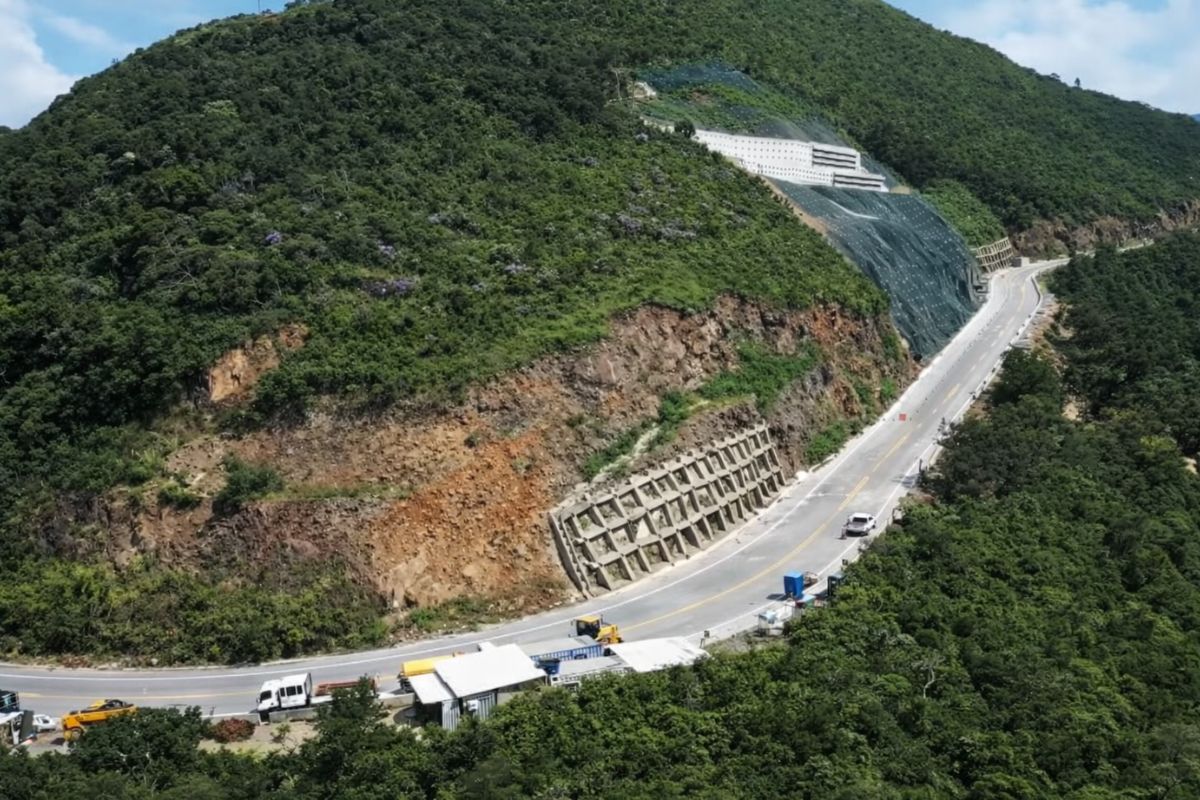
The section of Serra da Rocinha on BR-285 is now open in Timbé do Sul: 50 m tensioned curtains and top-down technique stabilize the slope, with a stairway duct controlling the water.
-
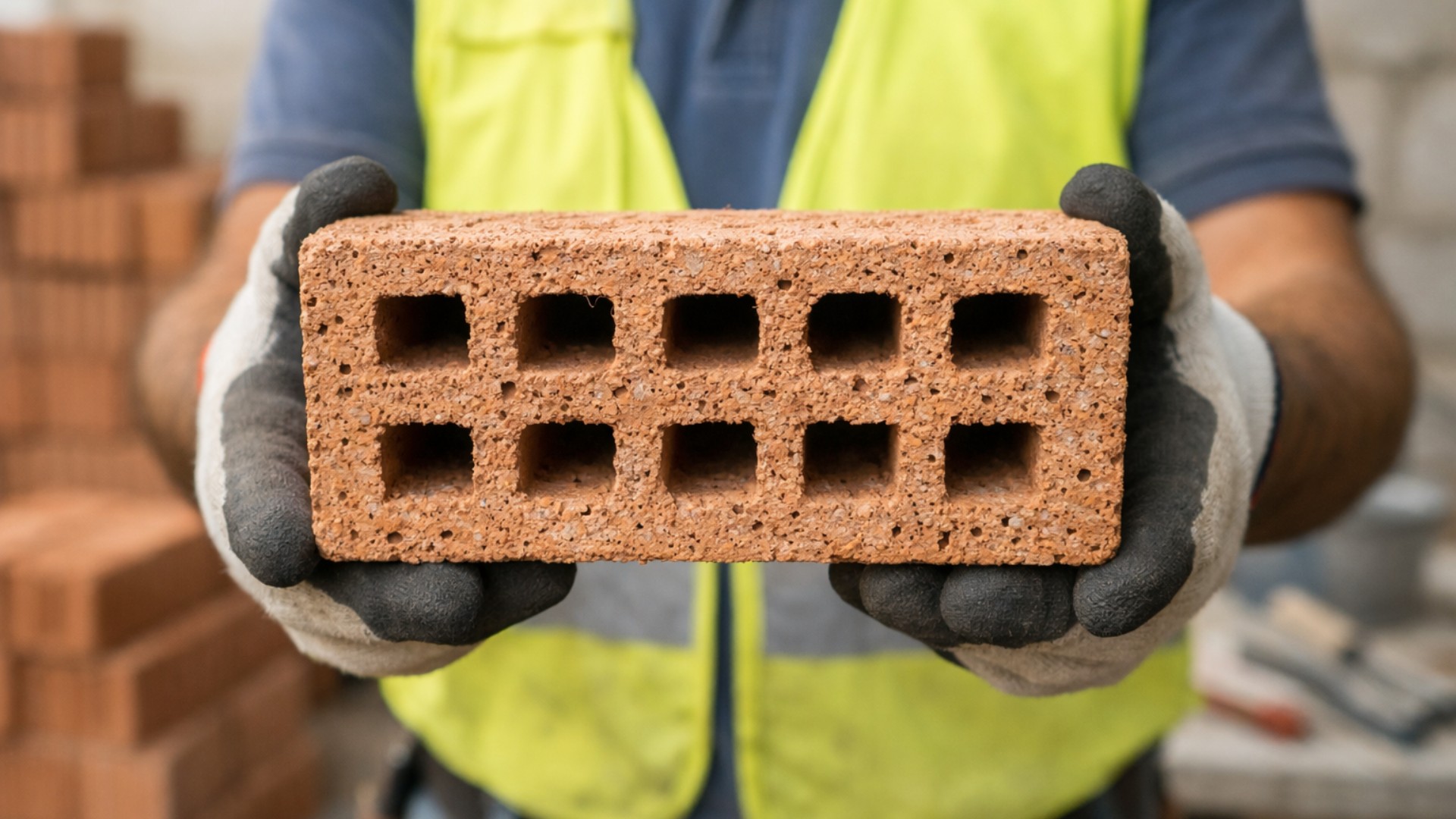
Scientists use sawdust mixed with clay to create a lighter brick, promising efficient thermal insulation and impressing by transforming waste into a solution for construction.
-
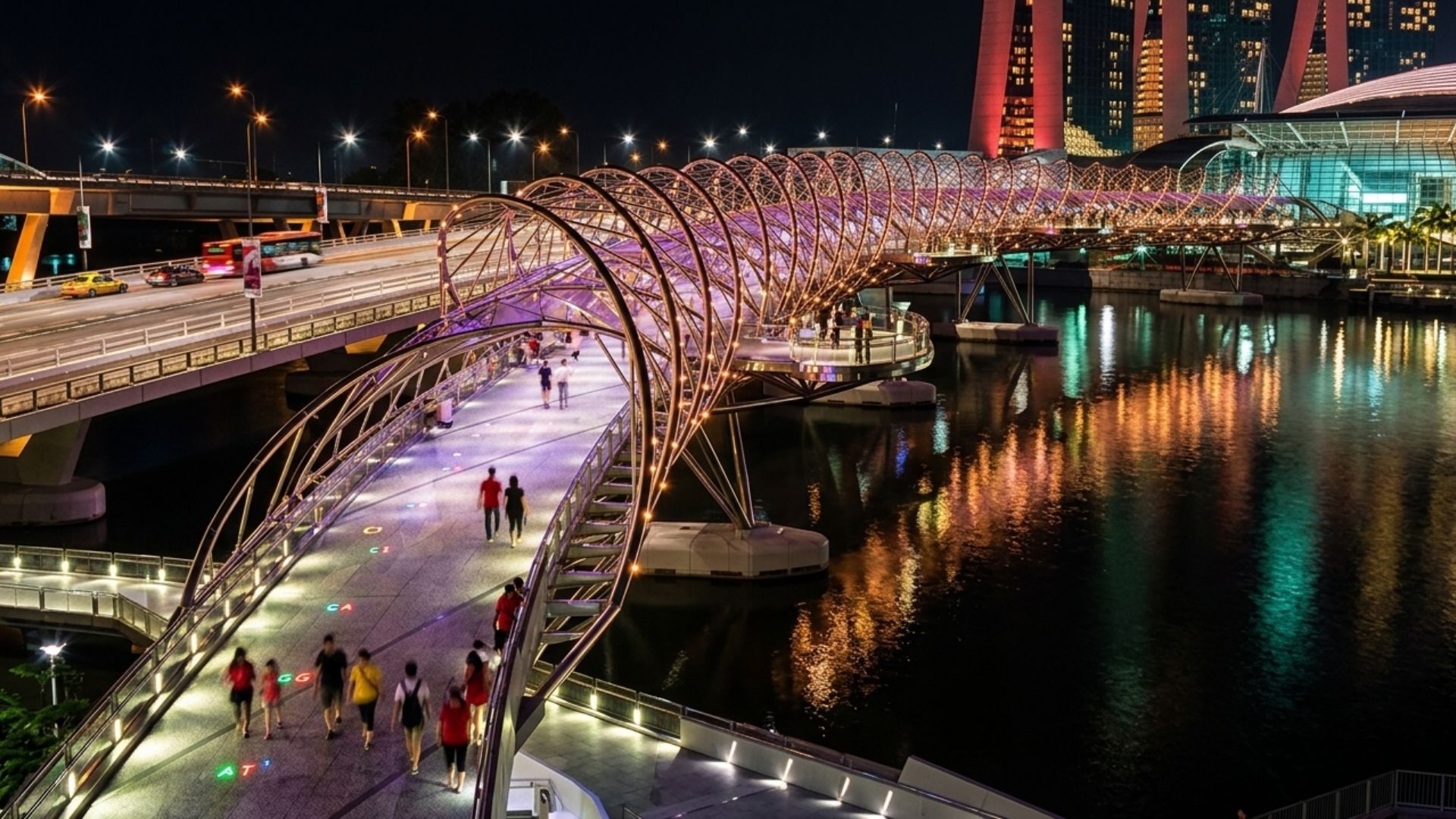
With a DNA shape, this bridge in Singapore draws attention in modern architecture and surprises tourists by transforming a simple crossing into an unforgettable visual experience in the urban heart.
-
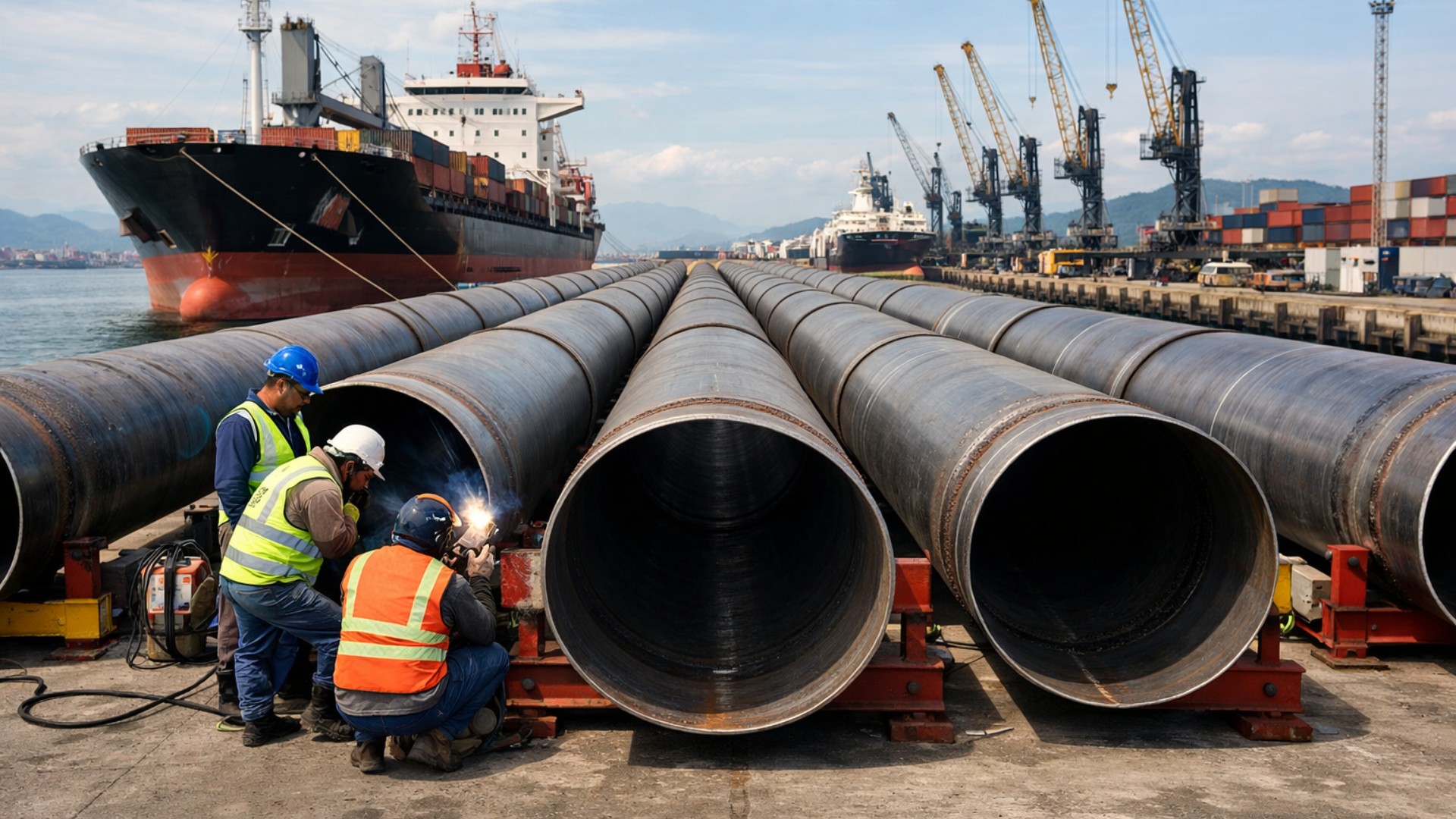
Giant underwater pipeline begins to take shape with a R$ 134.7 million project at the Port of Santos: the 1.7 km structure uses 12-meter and 700 mm pipes to supply water to 450,000 people in Guarujá.

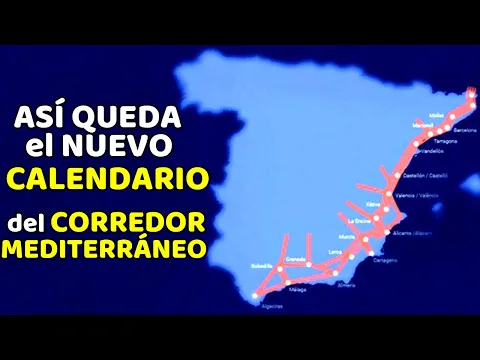

This extension involves not only new tracks but also the extensive modernization of existing lines, adapting them to international standards for heavy cargo and high speed.
Over € 50 Billion in Accumulated Investments
Since the start of the works, the total investment associated with the Mediterranean Corridor has surpassed € 50 billion, combining resources from the Spanish government, European funds, and structural financing.
A significant portion of this amount does not appear in the final landscape, as it was directed towards underground works, reinforcement of railway bases, and adaptation of old routes.
This level of investment places the project among the most expensive and complex in railway infrastructure in Europe in recent decades.
Tunnel Drilling through Mountains and Hundreds of Tunnels
One of the biggest technical challenges of the corridor lies in the terrain. To ensure straighter paths, higher speeds, and greater cargo capacity, it was necessary to tunnel through entire mountain ranges, especially in the regions of Catalonia, the Valencian Community, and Andalusia.
The project involves hundreds of railway tunnels, as well as viaducts and elevated structures that allow crossing deep valleys and dense urban areas. In many stretches, tunnels were the only viable alternative to maintain the technical standards required by the European Union.
Adaptation to European Gauge Standards
Historically, Spain used a railway gauge different from the rest of Europe, which limited international integration. One of the key elements of the Mediterranean Corridor is the adaptation of the lines to the standard European gauge, allowing cargo and passenger trains to run without the need for axle swaps or transshipping at the French border.
This seemingly technical change has a direct impact on the country’s logistical competitiveness.
The corridor is designed to directly connect some of the largest ports of Western Mediterranean, such as Valencia, Barcelona, and Tarragona, as well as facilitating railway access to the Algeciras port on the Atlantic, one of the busiest in Europe.
This integration allows containers unloaded at the ports to be transported by rail to inland logistics centers and European markets, reducing costs, time, and dependence on road transport.
Heavy Cargo and Passengers on the Same Axis
Although often associated with high speed, the Mediterranean Corridor was also designed for heavy cargo trains, capable of transporting large volumes of goods with greater energy efficiency. The coexistence of cargo and passengers requires precision engineering, advanced signaling, and strict traffic planning.
The goal is to create a railway axis capable of supporting Spanish industrial and export growth in the coming decades.
A Project That Extends Over Decades
The first discussions about the Mediterranean Corridor date back to the 1990s, but it was not until the 2010s that the project gained real momentum. The works have progressed in different phases, with sections completed, others underway, and some still in planning.
The expectation is that the corridor will be fully operational throughout the 2030s, establishing itself as a permanent logistics axis of the Iberian Peninsula.
Economic Impact Beyond Spain
Although it is a Spanish project, the effects cross borders. The corridor strengthens the connection with southern France, Italy, and central Europe, transforming the Iberian Peninsula into a railway gateway for goods coming from Africa, the Mediterranean, and the Americas.
This repositions Spain within the European logistical landscape, reducing its historical isolation.
When Tracks Redesign Economic Geography
Just as Mexico bets on tracks to challenge the Panama Canal and China uses railways to reduce dependence on the oceans, Spain chose to tunnel through its mountains to overcome historical limits.
The Mediterranean Corridor is not just a transportation project. It is an attempt to redesign the logistical role of the Iberian Peninsula in European and global trade, using heavy engineering, billion-dollar investments, and decades of planning.






-

-

-

-

-

25 pessoas reagiram a isso.