





 Portuguese
  English
  Spanish
  6 min of reading
  5 comments




Inaugurated After 16 Years of Construction and US$ 11 Billion in Investment, Grand Central Madison is the Most Expensive Train Station in the World — but Faces Low Traffic in Midtown Manhattan. Understand the Background of This Billion-Dollar Infrastructure.
When the Grand Central Madison project was announced in the 2000s, the proposal seemed grand: to build the most expensive train station in the world in the heart of Manhattan, under the iconic Grand Central Terminal. The project promised to solve mobility bottlenecks, connect Long Island to the eastern part of the city, and modernize the underground transport system to 21st-century standards.
But what was supposed to be a symbol of efficiency, innovation, and connectivity turned into an emblematic case of billion-dollar infrastructure that took 16 years to complete — and today, less than two years after its inauguration, it still operates almost empty, with trains running at under capacity and platforms underutilized.
Grand Central Madison: The Largest Underground Railway Project in U.S. History
The station was built as part of the East Side Access project, one of the most complex and ambitious public works in the United States. It occupies 32,000 square meters below Grand Central Terminal and extends 14 underground levels, equivalent to 15 floors deep — some located more than 55 meters below the surface.
-
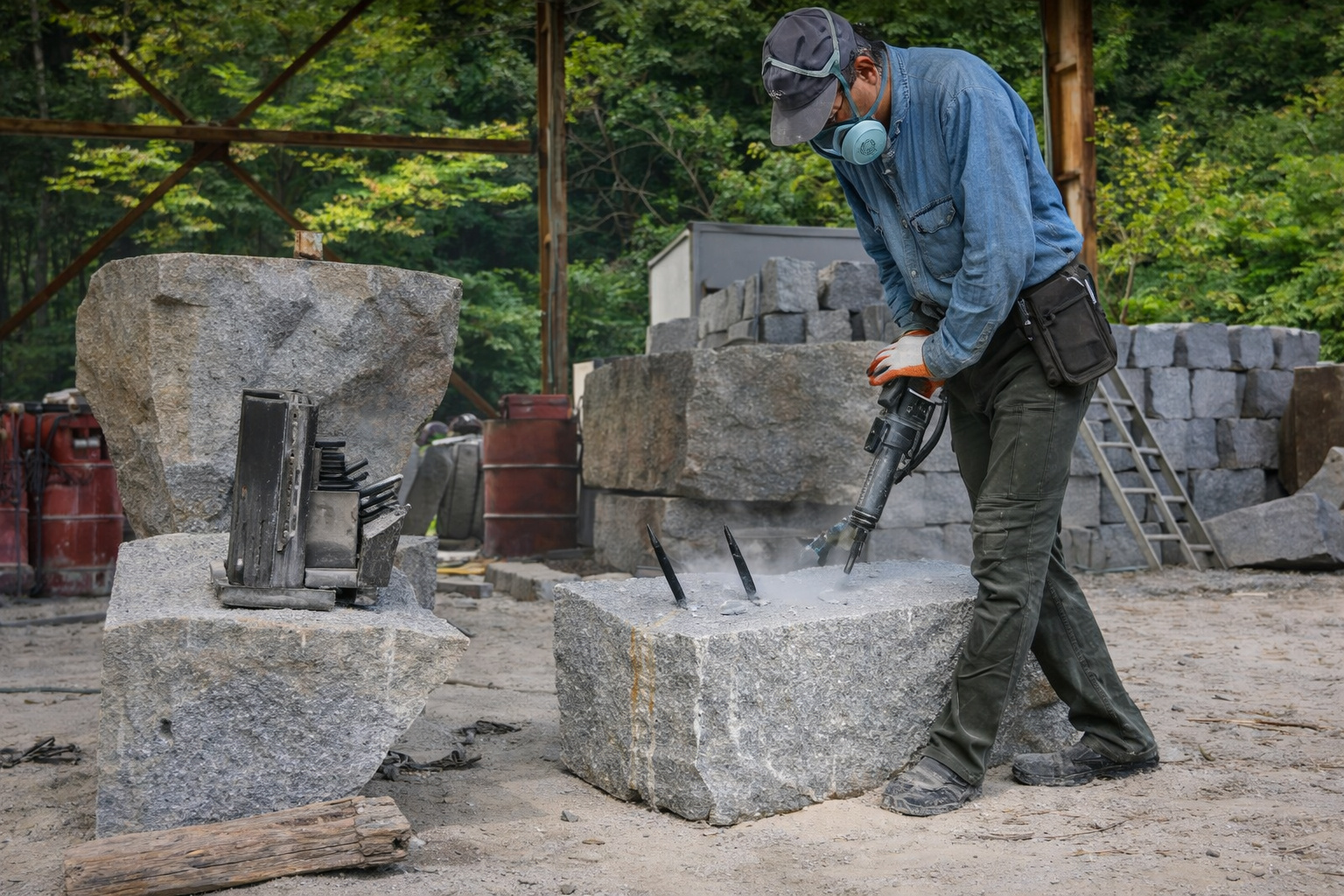
A Japanese mason transforms raw granite into small cups and handcrafted utensils, collects giant stones, cuts with precision, and impresses with detailed manufacturing and finishing.
-
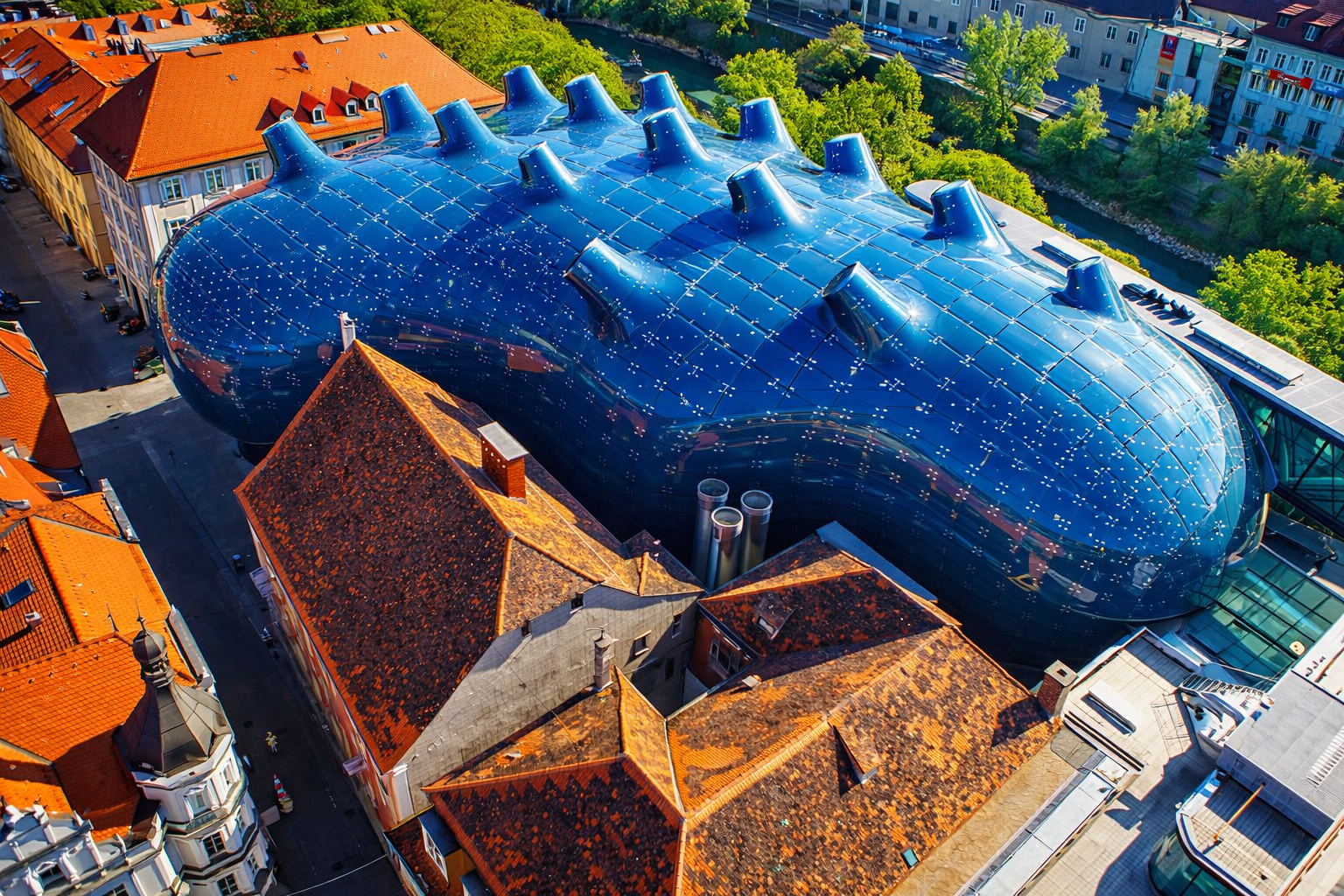
With 1,066 acrylic panels, the building known as the friendly alien is supported by a steel skeleton, has a façade that functions as a giant screen, and impresses the world without any internal columns.
-
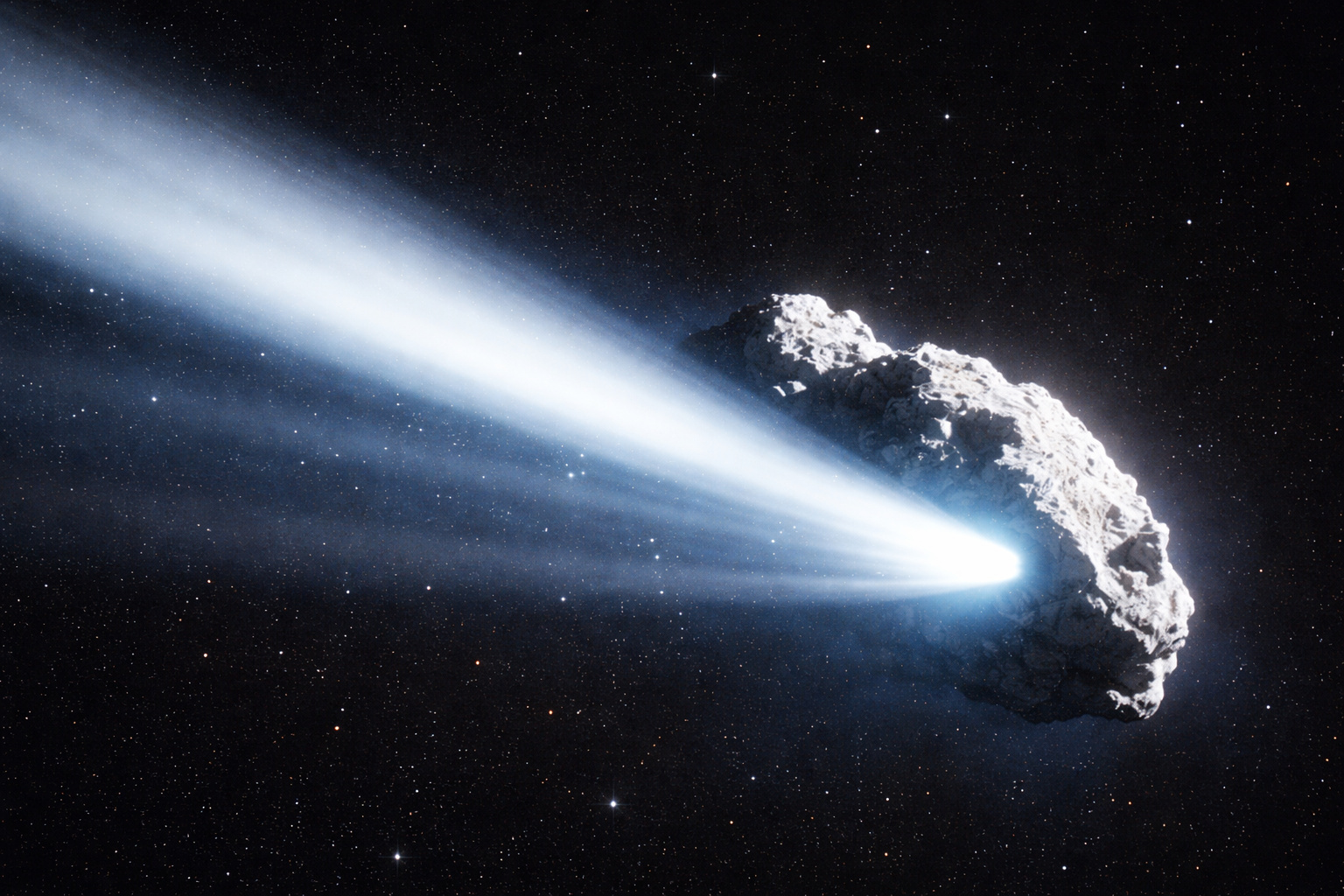
Scientists warn that a comet about 1 km in size that has started to release gases may actually change direction in space. It was spotted by NASA and surprises with potential impacts near Earth.
-
These living root bridges and ladders are over 700 years old and help indigenous people survive in one of the rainiest regions in the world.




According to the Metropolitan Transportation Authority (MTA), the project involved the excavation of 13 km of tunnels under the East River, the installation of ventilation systems, state-of-the-art signaling, 60-meter escalators, and high-speed elevators.
The total cost: US$ 11.1 billion — making Grand Central Madison, according to the New York Times and the Federal Transit Administration, the most expensive train station in the world.
How a Billion-Dollar Project Took 16 Years to Complete
East Side Access began to be conceived in the 1990s, but the actual work started in 2006, with a projected completion date of 2013.
Over the years, however, the project accumulated delays, budget revisions, engineering changes, and legal disputes with contractors, as well as unpredictable logistical impacts — such as Superstorm Sandy and the COVID-19 pandemic.
Documents from the state government and reports from The City and Bloomberg revealed a series of management issues, contractual inefficiencies, and overlapping positions that inflated the original budget by over 200%.
Nevertheless, in January 2023, the station was finally opened to the public.
A Monumental Train Station — and Almost Deserted
Despite the billion-dollar investment, Grand Central Madison does not yet fulfill what it promised. MTA’s estimates were that the station would receive up to 160,000 passengers per day coming from the Long Island Rail Road (LIRR), relieving the burden on Penn Station. But the actual numbers have been significantly lower: around 30,000 to 40,000 daily users, according to updated MTA data in 2024.
In images captured by outlets such as CNN, NY Daily News, and the Curbed portal, it is possible to see wide, modern platforms with digital signage and LED lighting — but almost empty during peak hours.

Why the Low Traffic?
Urban mobility experts point to several factors:
- Change in Work Profile Post-Pandemic: remote work has drastically reduced the need for daily commutes, especially between Long Island and Manhattan.
- Lack of Fare and Logistical Integration: many passengers still prefer Penn Station for ease of access and connection to other lines.
- Lack of Commerce and Services: Grand Central Madison does not have shops, cafés, or conveniences that encourage people to stay and circulate.
According to urban planner Samuel I. Schwartz, former transport commissioner of New York, “the station was designed for a pre-pandemic flow. Today’s reality is different, and the city has not yet adapted its rail network to the new demands.”
A Monument to Underground Engineering
Even with the occupancy issues, no one disputes the grandeur of the work. Grand Central Madison is a true engineering gem. There are over 20 escalators between levels, granite-clad walls, permanent artwork from Japanese artist Yayoi Kusama, and an exhaust system capable of completely renewing the station’s air every few minutes.
It was designed to withstand floods, biological attacks, and emergency situations, with redundant power, ventilation, and communication systems. The investment in energy infrastructure is evident: the entire station is powered by a high-voltage network with backup generators and automated sensors.
According to MTA President Janno Lieber, “this station is an achievement for the people of New York and a crucial step towards future mobility.”
When the Largest Railway Infrastructure Encounters a Demand Problem
Grand Central Madison highlights a global dilemma faced by governments and public managers: how to balance large infrastructure projects with rapid changes in social and technological behavior?
Just as airports have been emptied by virtual meeting apps, and avenues have lost cars to bicycles and ride-sharing services, 21st-century urban mobility is undergoing an accelerated reconfiguration. Monumental stations like Grand Central Madison risk becoming underutilized infrastructures, even if they are technically perfect.
Economic Impacts and Return on Investment
According to Bloomberg Green and reports from the MTA, the estimate was that the project would generate up to US$ 4 billion per year in indirect gains for New York’s economy, by improving access to the city’s financial center, stimulating new ventures, and increasing property values in the eastern part of Manhattan.
However, so far, these effects are modest. The impact of partial abandonment of in-person office activities and increased vacancy rates in commercial properties has also reduced the station’s economic effectiveness.
This has increased public pressure on the state government to justify the expenditure of US$ 11 billion on a station that, so far, has not delivered the expected return.
Comparison with Other Mega Stations Around the World
Compared to other major global stations, Grand Central Madison has the highest cost per square meter ever recorded. For comparison:
- Berlin Hauptbahnhof (Germany): US$ 900 million
- Shinjuku Station (Japan): renovated for US$ 2.5 billion
- Gare du Nord (France): expansion budgeted at US$ 1.6 billion
- Grand Central Madison (USA): US$ 11.1 billion
None of these, however, have the same degree of underutilization so soon after their inauguration.
The Next Steps: Requalification or Irreversible Mistake?
The MTA has already announced new investments in digital signage and campaigns to encourage the use of the station. There is also consideration of granting commercial areas inside Grand Central Madison, with shops, cafés, and services, to make the environment more attractive.
In addition, the LIRR train schedules are being revised to offer faster and more frequent connections to the station.
However, analysts warn that without a broader public transportation incentive policy — such as integrated fares, subsidies, and urban network revisions — the station risks becoming a symbol of wasted public resources, something already being discussed in the New York state legislature.
The story of Grand Central Madison is an emblematic portrait of the contemporary challenges of billion-dollar infrastructure in times of rapid change. Despite being the most expensive train station in the world, its current performance falls far short of expectations — raising discussions about urban planning, public management, and the future of urban mobility in the 21st century.
Designed to be a triumph of engineering, the station now needs to be redefined to avoid becoming one of the greatest operational failures in modern transportation history.






Quardada as devidas proporção da moeda o Rodoanel custou 16 bilhões. No início quase ninguém usava hoje em horários de pico é insuportável, assim como o metro. Como disse na matéria, comércio, entretenimento, logística e custo acessível mudará tudo. É uma questão de tempo .
Tudo desse site, é com foto gerada por IA, bem ****
Esse japonês e americano tem que fazer super extensão de trens aqui na Estação da Luz que liga para todos os lados da Cidade eu duvido se faz um Super estação subterrânea com 20 escada rolante aqui em São Paulo se todo mundo não vai gostar engenharia de ponta a ponta!