





 Portuguese
  English
  Spanish
  5 min of reading
  0 comments


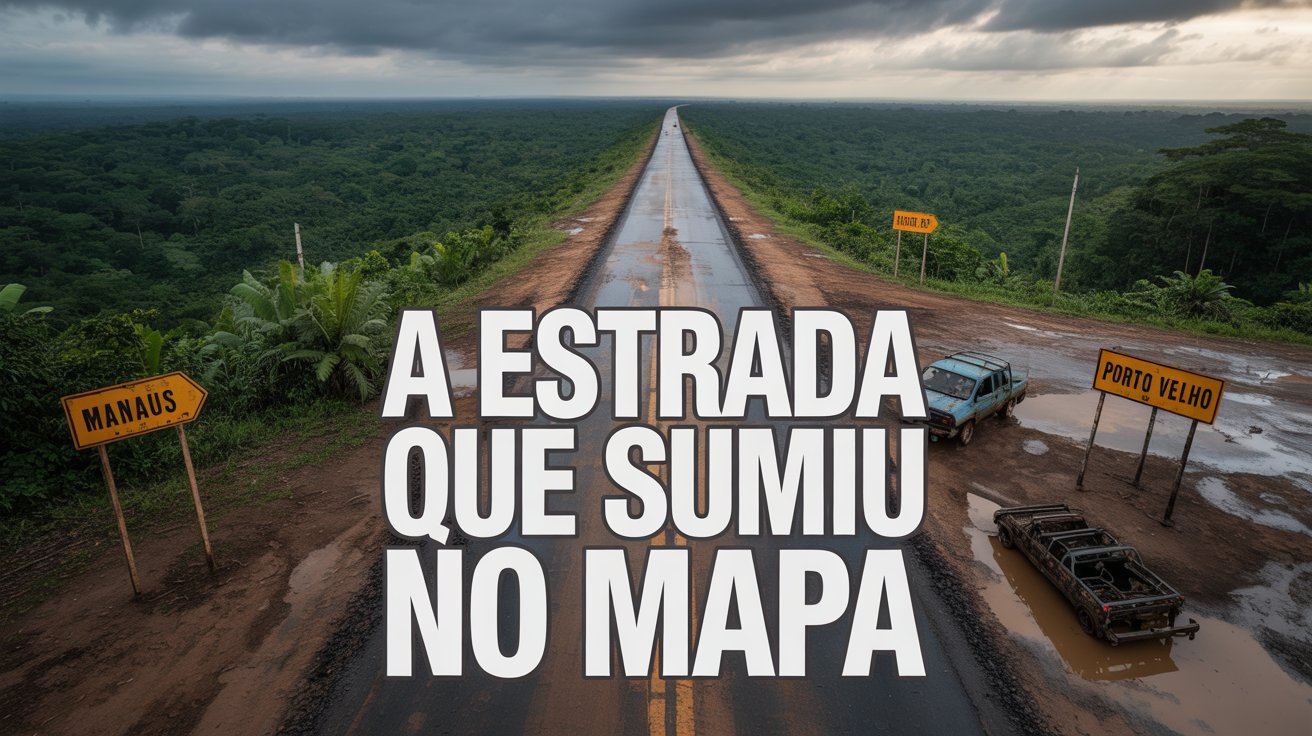
BR-319 Remains a National Challenge, Uniting Environmental Issues, State Abandonment, and Regional Demands Over Nearly a Thousand Kilometers Between Manaus and Porto Velho.
BR-319, a federal highway that connects Manaus (AM) to Porto Velho (RO) over a stretch of 918 kilometers through the heart of the Amazon Rainforest, represents one of the greatest impasses in Brazil’s road infrastructure.
Inaugurated in 1976 to connect the North to the rest of the country, the road has never been fully paved effectively and has since become a symbol of abandonment, logistical challenges, and environmental debate.
Even recognized for its strategic importance, BR-319 remains largely impassable during the rainy season.
-
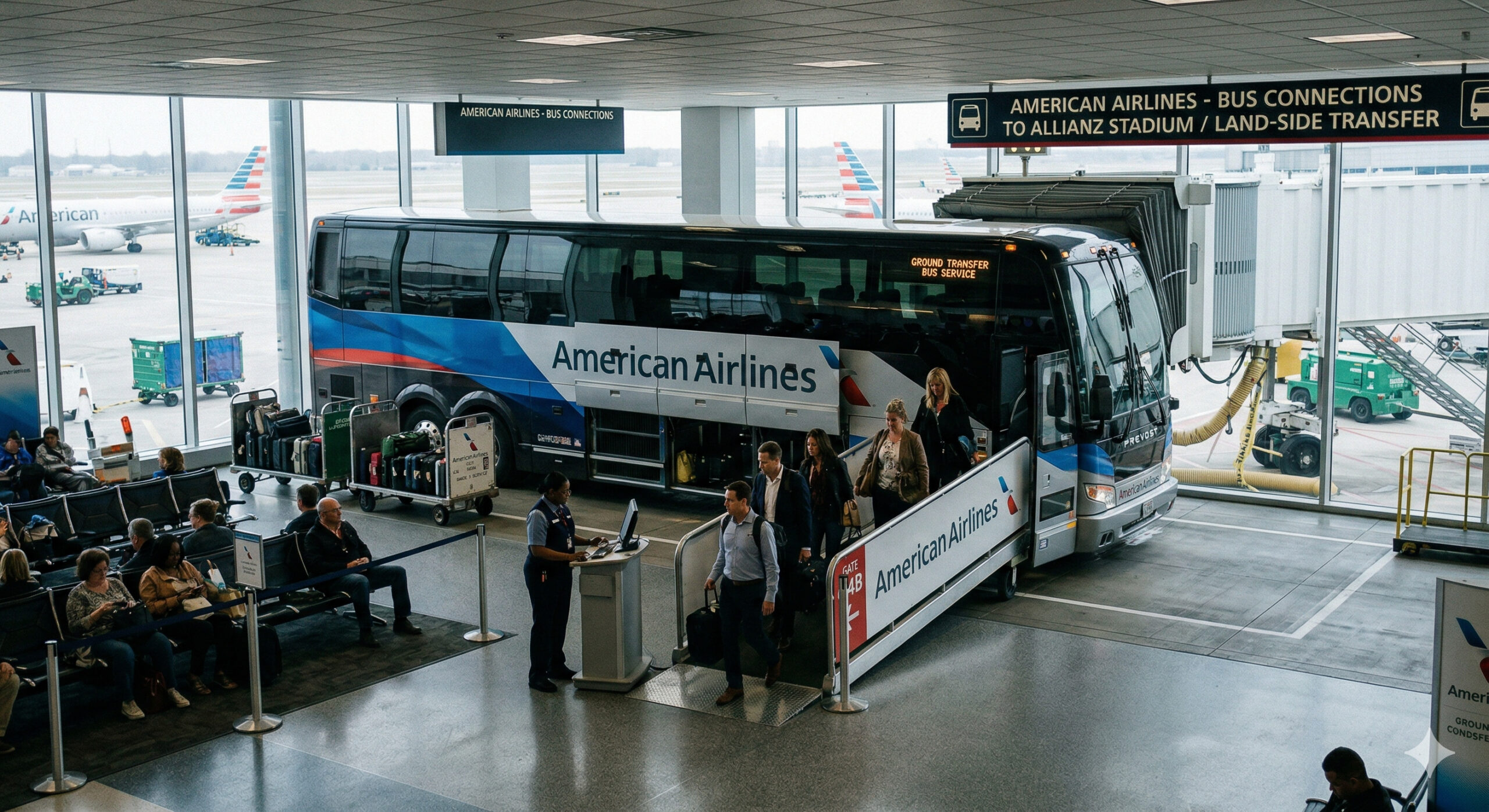
American Airlines starts selling trips as if they were flights, with check-in and baggage check at the airport, but on short routes, passengers board luxury buses connecting cities to major hubs in the U.S.
-
São Paulo surprises the world with a colossal railway network project that promises over 1,000 km of tracks, R$ 194 billion in investments, and 40 projects connecting the capital to the interior with fast and sustainable trains.

-
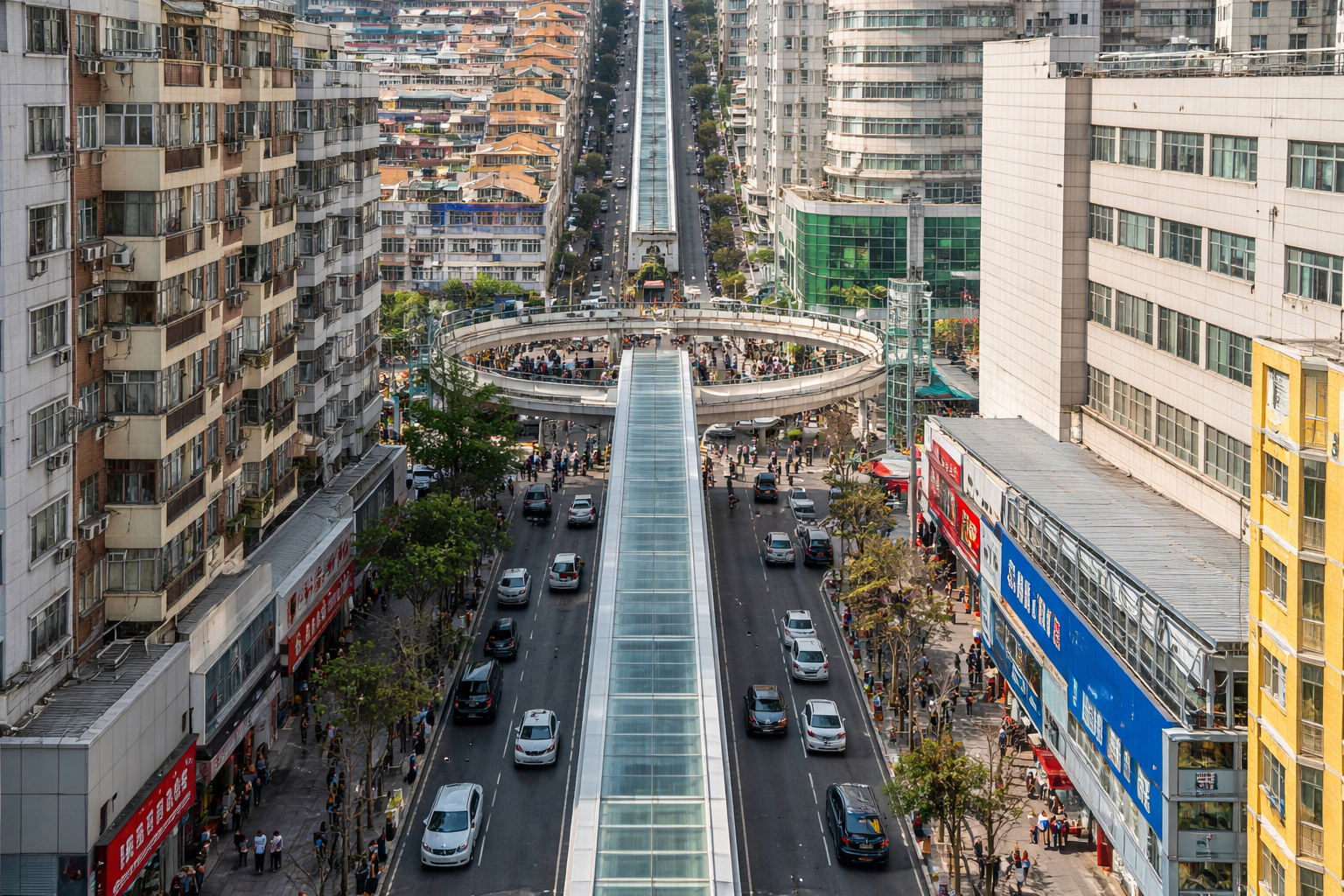
The world’s largest escalator, measuring 905 meters in China, reduces urban travel time from 1 hour to about 20 minutes and transforms mobility in mountainous regions with an engineering solution adapted to the terrain.
-
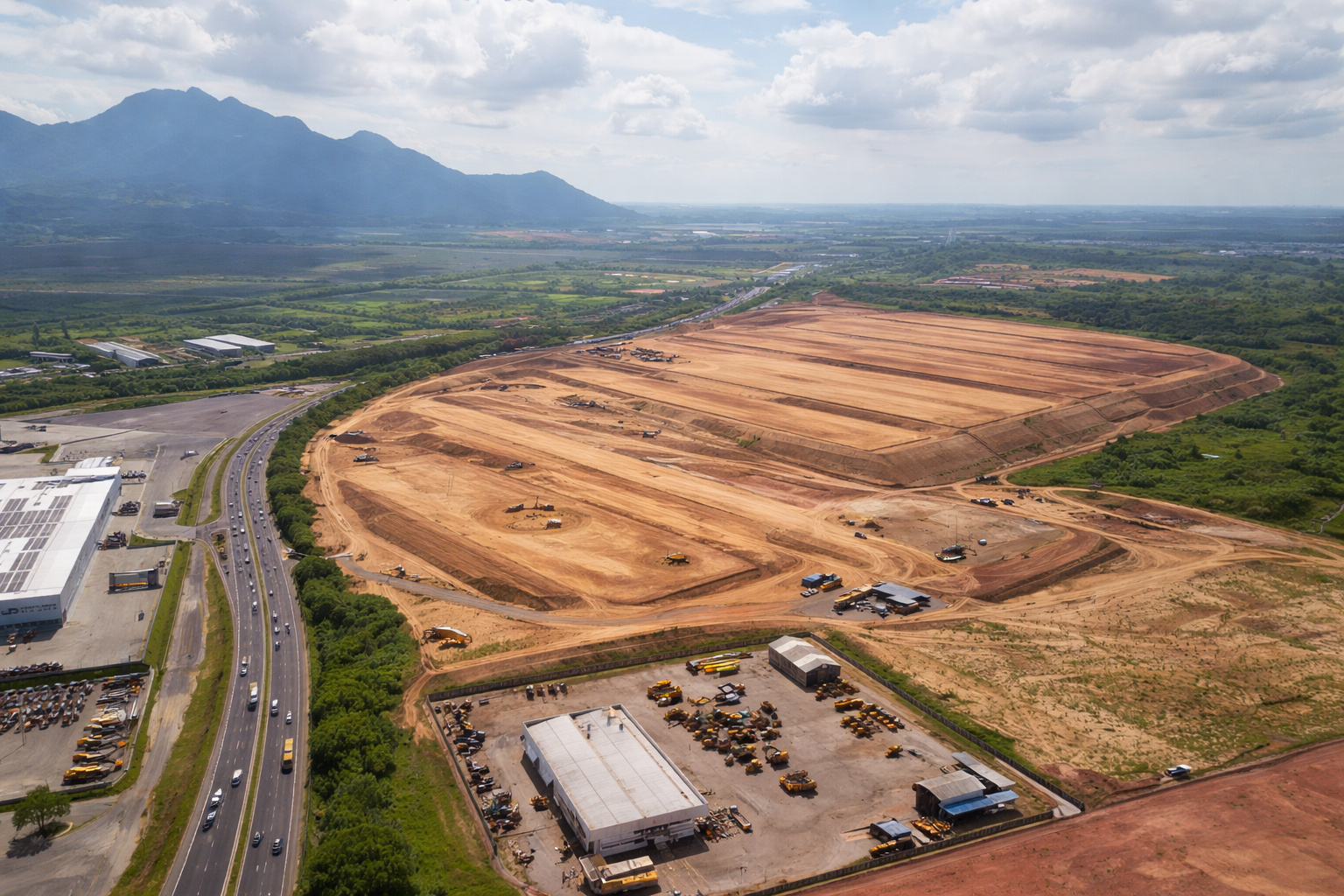
A R$ 300 million logistics giant is taking shape in Serra with over 100,000 m² and raises a question: how can this transform e-commerce and distribution in the state?

About 400 kilometers of the route remain unpaved, with precarious wooden bridges and segments that disappear from the official map due to deterioration.
Over the last decades, the neglect of maintenance has turned the highway into a vulnerable axis for environmental crimes and the growth of trafficking, illegal mining, and smuggling, driven by the expansion of cities along the road.
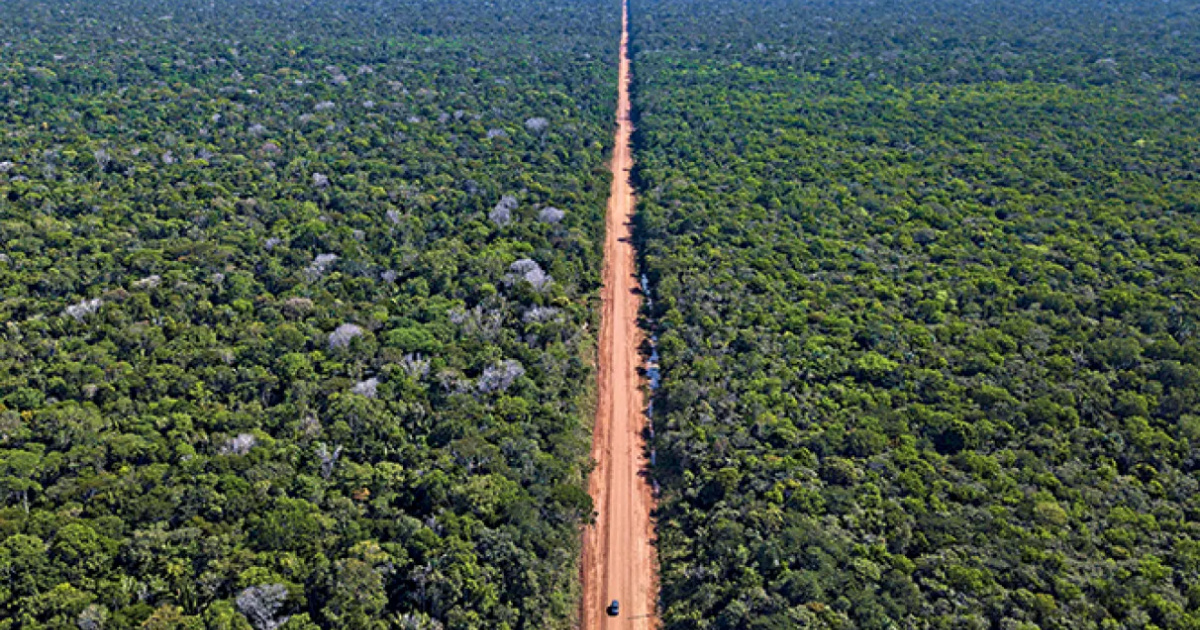
Lack of Enforcement on BR-319
According to a 2020 audit by the Federal Court of Accounts (TCU), the absence of enforcement and effective presence of the Brazilian State in the region is the main factor favoring environmental violations.
Monitoring initiatives such as the BR-319 Managing Committee, created in 2009, were discontinued without conclusive evaluation.
In the current context, the Federal Highway Police (PRF) in Amazonas operates with only 106 officers for the entire stretch, a number considered “flagrantly insufficient to meet the growing regional demands,” according to a report from the BR-319 Working Group of the Ministry of Transport.
This reduced contingent is reflected in the difficulty of enforcement, exacerbated by the precarious infrastructure.
“The high turnover of police officers and the absence of incentives, such as border compensation, make it difficult for agents to remain in isolated regions like Humaitá (AM),” the document states.
Despite these challenges, between January 2024 and April 2025, the PRF registered 37 environmental crimes along the highway, including seizures of illegal timber, illicit fishing, and drugs.
Impasse Between Development and Environmental Preservation
In addition to operational hurdles, the debate surrounding the paving of BR-319 pits economic and environmental interests against each other.
Businesspeople, agribusiness representatives, and regional politicians are pressing for the completion of the work, considered essential for the flow of production, supply of the region, and integration of Manaus with the rest of the country by land.
On the other hand, environmentalists and agencies such as the Ministry of the Environment and Climate Change highlight the risks of increased deforestation and irreversible damage to Amazon biodiversity.
According to Minister Marina Silva, deforestation in the region “increased by around 119% just with the announcement of the road”.
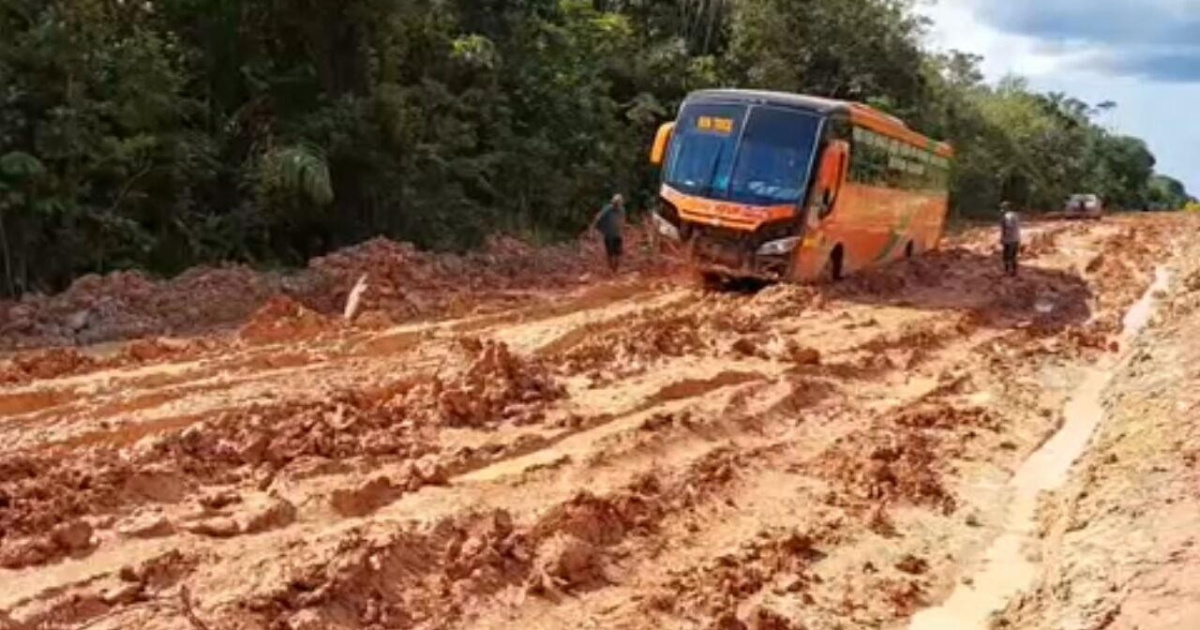
Recent Debates and Legislation on BR-319
The discussion intensified after the approval of the Environmental Licensing Bill in May 2025, in the Federal Senate.
Senator Omar Aziz (PSD-AM) advocated for the urgency of paving: “This work that we have been asking for, has made so many appeals, and that President Lula has committed to do… [The highway] will be paved now. Under the new law, they [roads] can be paved without any licensing”.
Aziz also recalled that Manaus’ isolation contributed to the oxygen crisis during the COVID-19 pandemic, when more than 15,000 people died in the Amazonian capital.
Meanwhile, Minister Marina Silva emphasizes the need for a Strategic Environmental Assessment for BR-319, aiming to prevent the region from repeating the pattern of environmental destruction seen in other Amazonian highways.
“It neither makes it difficult nor facilitates it; it complies with the law,” the minister stated, referring to the technical role of the Brazilian Institute of Environment and Renewable Natural Resources (Ibama).
She also questioned the lack of actions in previous years, emphasizing the responsibility of past administrations.
Absence of the State and Social Impacts on the Highway
Federal Deputy Amom Mandel (Cidadania-AM) adds another dimension to the problem: the absence of the Brazilian State in the region is not limited to the lack of policing, but also includes shortages in sanitation, drinking water, and access to healthcare.
“The problem itself is not the existence of BR-319; it is the absence of the Brazilian State in the region,”
states the parliamentarian.
Mandel advocates for greater flexibility in using the Amazon Fund to strengthen the fight against organized crime, arguing that drug trafficking and other illegal activities finance illegal deforestation and wildfires.
Environmental Conditions and Innovations in Infrastructure
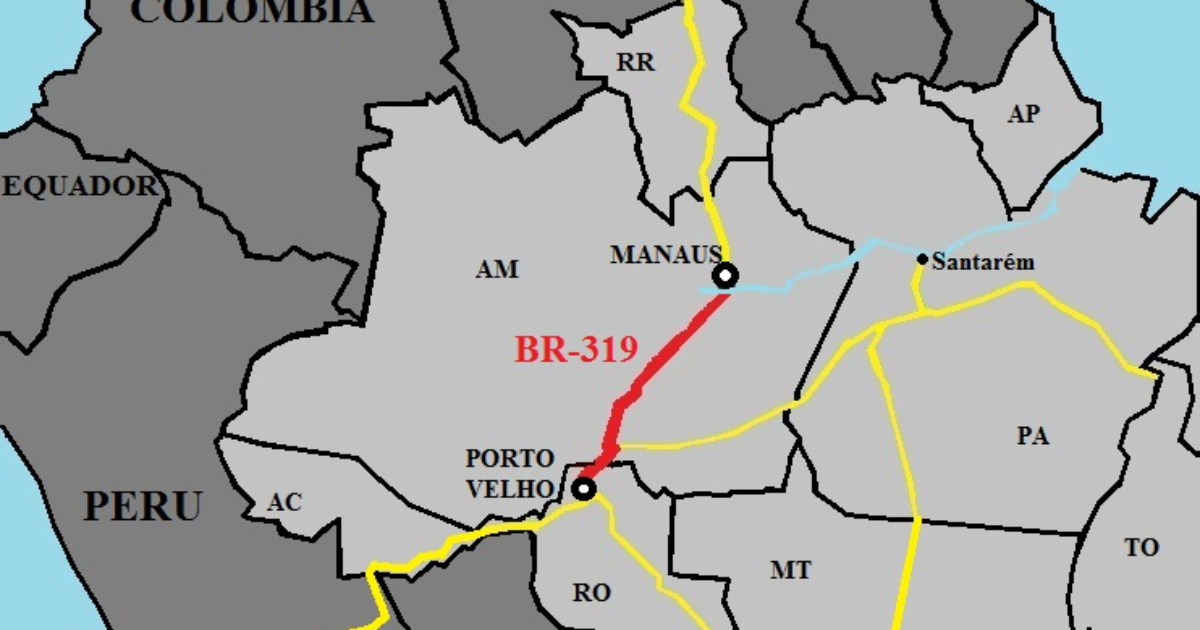
From a technical standpoint, the Preliminary License (LP) 672/22 attests to the environmental viability of the work but imposes strict conditions, including the establishment of three monitoring and security posts along the highway.
The Ministry of Transport proposes technical cooperation agreements mediated by the Civil House to ensure the implementation of these actions and strengthen integrated inter-ministerial governance.
Among the engineering innovations designed to minimize environmental impacts are:
- Construction of 500 kilometers of physical fencing to protect wildlife
- Installation of 172 wildlife crossings — one every 2.35 kilometers, making BR-319 the highway with the highest number of these structures in the country
- Gradual replacement of wooden bridges with concrete structures
The installation of monitoring gantries and agricultural control barriers has already begun, with the first operational barrier installed at kilometer 263 of the highway.
Official reports from the Ministry of Transport in 2023 indicate that the biggest challenge for the implementation of these measures is the absence of integrated governance for monitoring and enforcement in the area.
A proposed Technical Cooperation Agreement with the Center for Management and Operational Protection of the Amazon (Censipam), aimed at satellite environmental monitoring and support for enforcement operations, is still awaiting formalization.
Uncertain Future of BR-319 and Consequences for Brazil
BR-319, therefore, remains a road that literally disappears from the map for long periods of the year, reflecting historical, logistical, and environmental challenges that continue without a definitive solution.
While the impasse drags on, thousands of people who depend on the road continue to live with risks, losses, and uncertainties, for both regional development and environmental conservation.
The question remains: how long will the main land link between Manaus and the rest of the country remain, at once, a promise of progress and an example of state abandonment?









-

Uma pessoa reagiu a isso.