





 Portuguese
  English
  Spanish
 5 min of reading


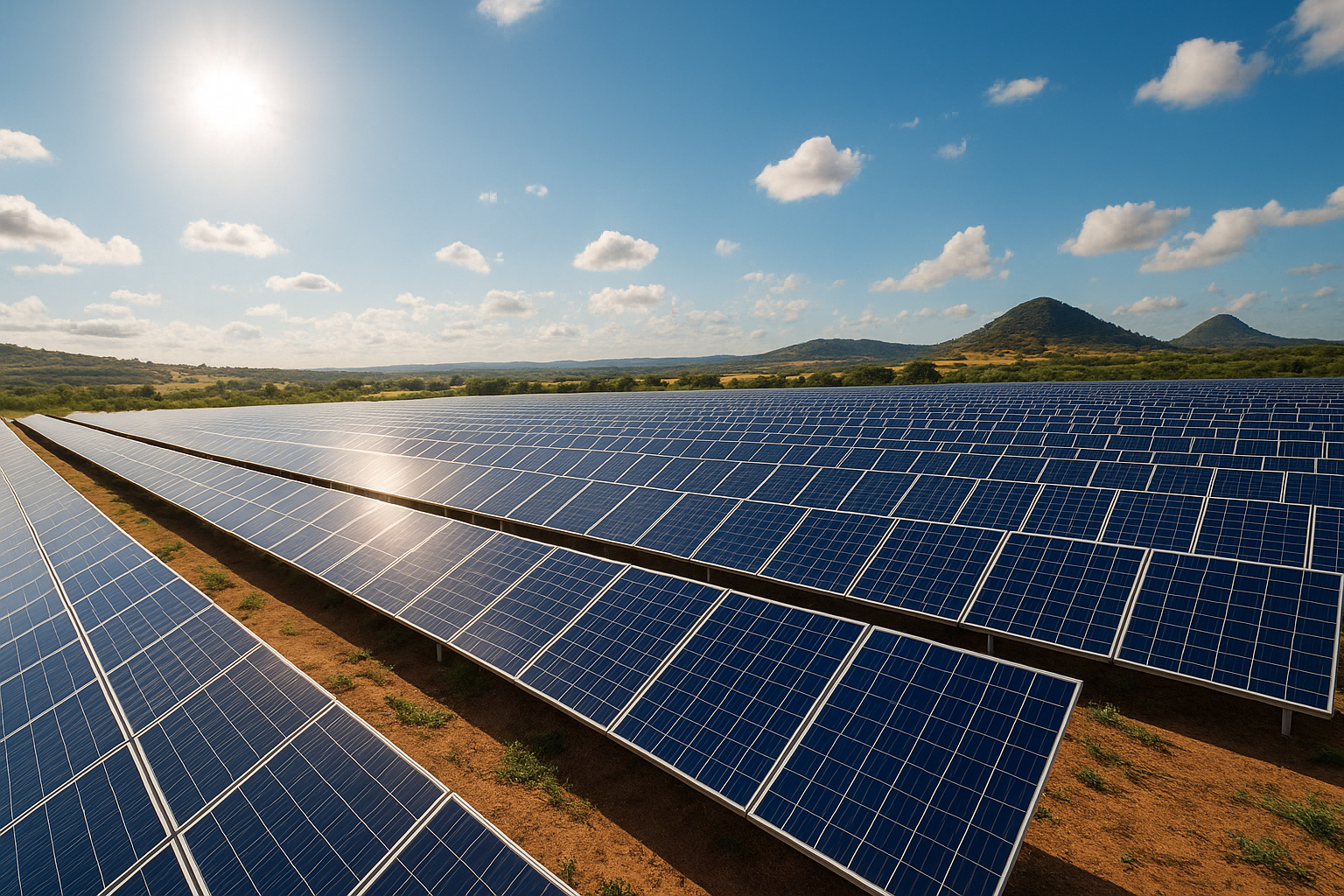
Solar Energy as a Symbol of Sustainable Transition in Brazilian Retail
The advancement of solar energy in Brazil, especially in the service sector, reveals a movement that has been gaining momentum since the 2010s. During that period, the country began to adopt clearer regulatory milestones for renewable sources. Furthermore, according to the federal government, the expansion of incentives encouraged large companies to invest in clean self-generation. Today, retail, food, and hospitality networks incorporate solar systems as a strategic part of their ESG programs.
In this context, the new contract signed between EDP and 38 franchises of McDonald’s demonstrates how solar energy has become a central element of environmental transformation in the country. Therefore, this initiative does not appear in isolation. It aligns with a growing history of adopting renewable technologies and national goals for emission reductions.
The Advancement of Solar Energy in Brazil and Its Historical Relevance
During the 1980s and 1990s, the country focused on hydropower as its main source of electricity. However, starting in the 2000s, successive water crises revealed the fragility of this dependence. According to the National Electric System Operator, the expansion of diverse renewables — such as wind and solar — became crucial to ensure stability and energy security.
-
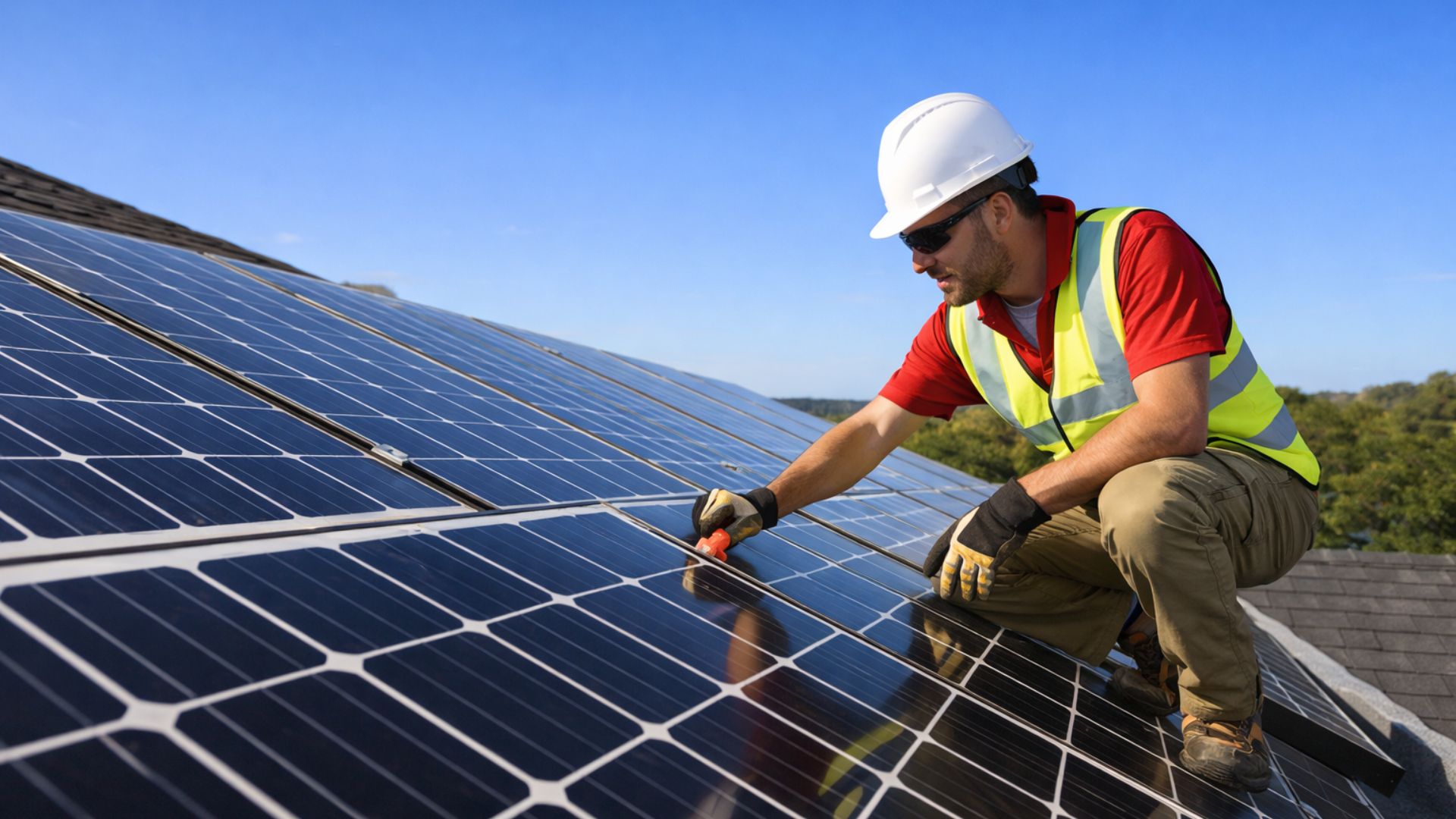
Seagri’s headquarters invests in solar energy with Neoenergia Coelba and promises to cut electricity costs, highlighting a strategic advance in sustainability and energy efficiency within state public administration.
-
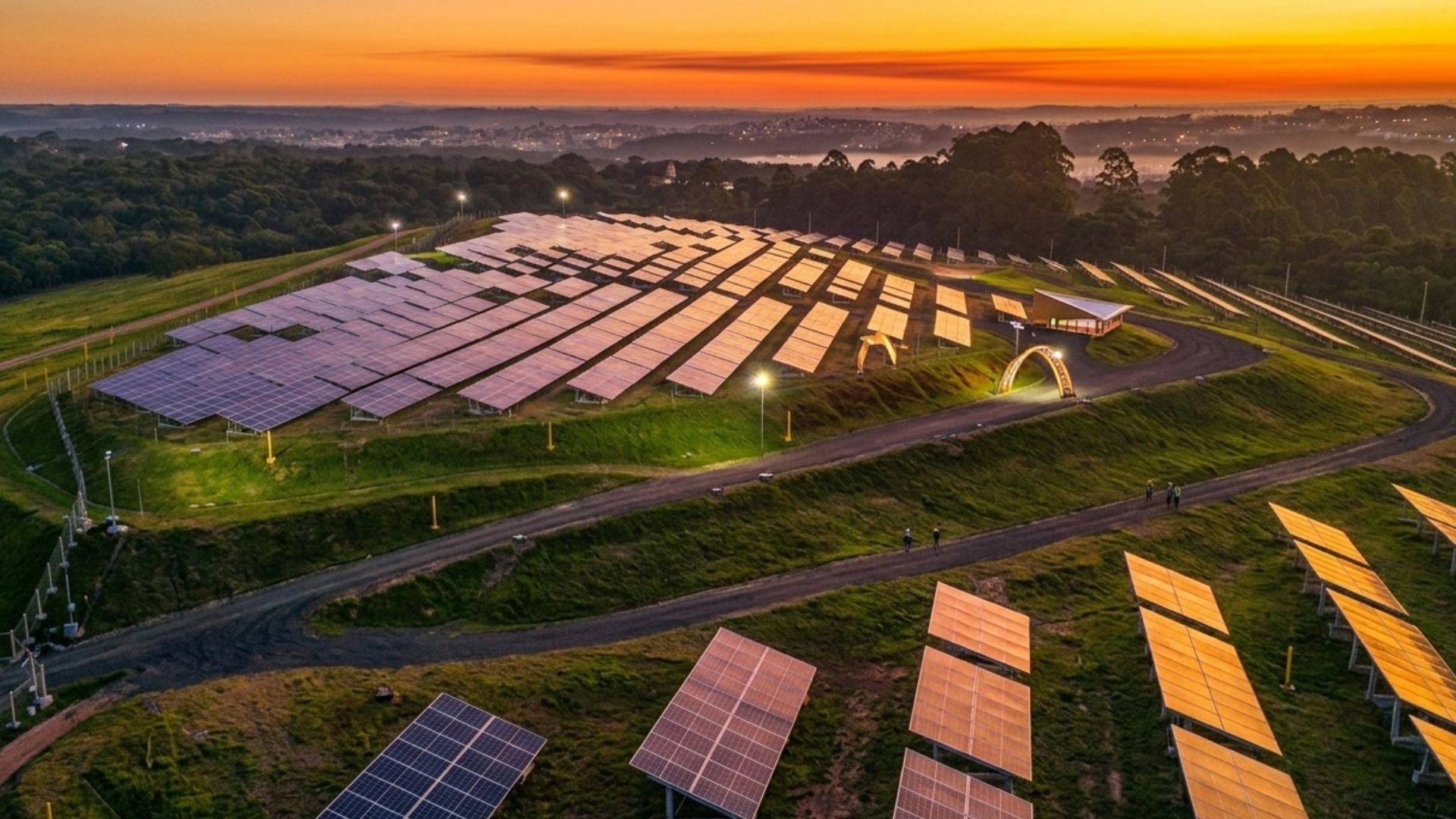
Solar Pyramid draws attention by converting solar energy into million-dollar savings and repositioning the City Hall of Curitiba as an example of innovation, sustainability, and intelligent use of public resources.
-
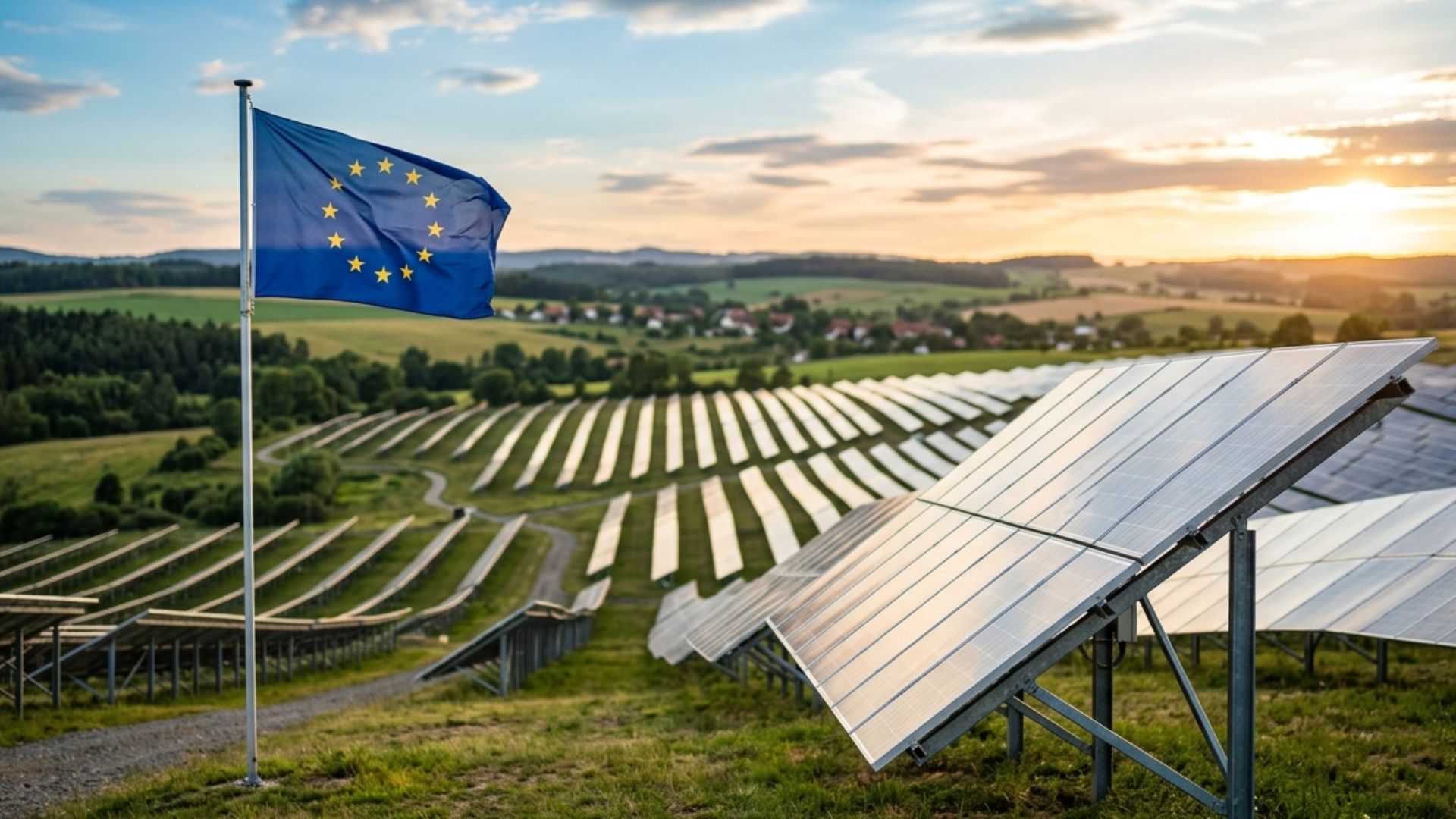
Europe records strong euro economy with solar energy in March and sparks curiosity about which country leads growth that redefines the energy market and reduces costs.
-
Piauí reaches a historic milestone in energy transition: State records nearly 160,000 households powered by solar energy and leads growth in the Northeast.
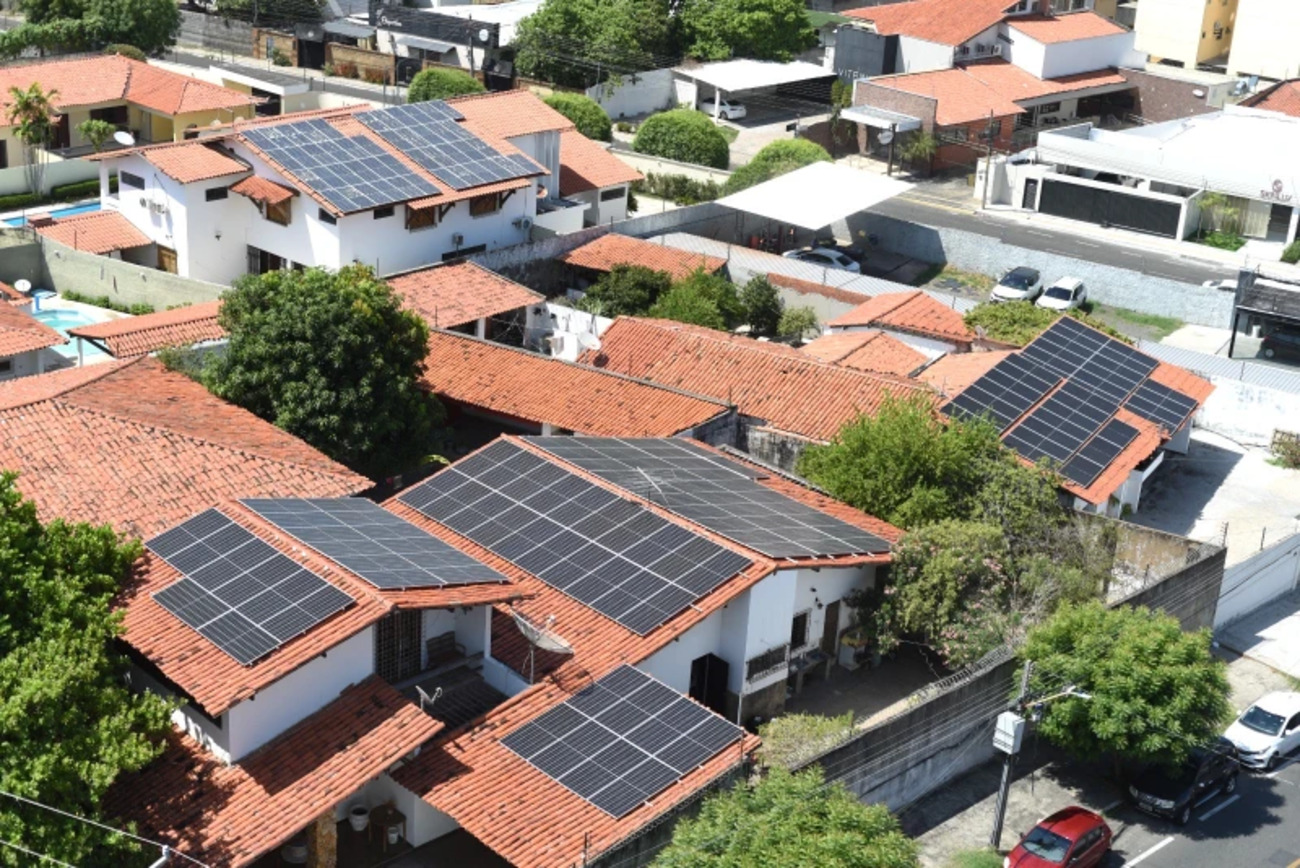

Thus, when private companies adopt solar energy on a large scale, they strengthen a more resilient system. At the same time, the pressure on reservoirs is reduced, and the need for fossil power plants in critical moments decreases.
Therefore, the movement by Arcos Dorados, operator of McDonald’s in Latin America, connects to a national transition trajectory that began over two decades ago.
The Partnership Between McDonald’s and EDP: Efficiency and Immediate Environmental Impact
The agreement ensures that 156 units of the network — including restaurants, cafes, and kiosks — will start using energy generated at the Usina Novo Oriente, located in Ilha Solteira, São Paulo. This plant is part of the largest photovoltaic complex in the state, according to the responsible company, and produces enough electricity to supply thousands of households.
Moreover, the 12-year contract ensures energy predictability for the franchisees. According to EDP, the self-generation of solar energy prevents the emission of about 3 thousand tons of CO₂ per year. This reinforces globally accepted environmental goals and allows operations to advance to cleaner standards without compromising productivity.
Even more importantly, the agreement guarantees over 61 thousand annual I-REC certificates, which verify the renewable origin of the consumed energy and provide transparency to the process.
Solar Energy as a Strategic Tool for the Food Sector
The fast food chain relies on high energy consumption. Refrigeration equipment, climate control systems, constant lighting, and intensive cooking demand great stability in electricity. Therefore, replacing part of this dependence with solar energy brings immediate benefits.
According to entities such as the Brazilian Association of Photovoltaic Solar Energy, the use of this source reduces operational costs, improves budget predictability, and increases competitiveness. Thus, restaurants and retail chains reduce risks associated with tariff fluctuations and become less vulnerable to energy crises.
Additionally, as Brazilian society has begun to value sustainable practices, major brands recognize that investing in renewables strengthens reputation and attracts conscious consumers.
ESG as an Axis of Corporate Transformation
Arcos Dorados already uses 96% renewable energy in its own operations in Brazil, according to company data. The carbon neutrality goal, publicly announced, involves a long process of adaptation, measurement, and compensation. Therefore, each increase in the clean matrix represents a significant step in this journey.
The link between solar energy and ESG goals grows each year. Studies from the UN Global Compact indicate that companies incorporating renewables reduce operational and reputational risks. Consequently, they build greater trust with investors, customers, and suppliers.
In the case of McDonald’s, the project reinforces global guidelines and demonstrates the role of international networks in accelerating the Brazilian climate agenda.
How Solar Energy Helps the Country Reduce Dependence on Fossil Fuels
Since the discovery of the pre-salt, Brazil has consolidated itself as an oil powerhouse. However, the growth of oil exploration coexists with increasingly demanding climate goals. According to the federal government, the country has committed to emission reduction targets aligned with the Paris Agreement.
Therefore, the expansion of solar energy does not compete with the traditional energy sector, but balances the matrix and reduces the need for fossil generation. Clean electricity supports a gradual energy transition while maintaining economic stability and energy security. Thus, the use of photovoltaic energy becomes an essential part of Brazilian environmental planning.
The Importance of Minas Gerais in the Advancement of Renewables
The state that accommodates some of the units benefiting from the agreement, Minas Gerais, is currently a national leader in distributed solar energy. According to data from the state government, over 20% of Brazil’s distributed photovoltaic generation is concentrated in the region. The wide solar radiation, combined with incentive policies, has transformed Minas into a reference.
Thus, McDonald’s strategic choice reinforces the significance of Minas in the national scenario. The continuous expansion of solar plants in the state strengthens production chains, stimulates local jobs, and demonstrates how renewable infrastructure can drive economic development.
Social Impacts and Collective Benefits of the Expansion of Solar Energy
By adopting solar energy on a large scale, the network encourages a multiplier effect. Small businesses are inspired, local governments expand programs, and consumers become more aware of the topic. According to the Ministry of Mines and Energy, each installed solar megawatt generates hundreds of indirect jobs, ranging from panel manufacturers to installers and maintenance teams.
Additionally, the reduction of emissions enhances air quality, diminishes climate impacts, and contributes to more sustainable cities. The energy transition affects not only companies but society as a whole.
Solar Energy as a Permanent Path in Corporate Strategy
The global trend indicates greater regulatory pressure and stricter carbon targets. Thus, initiatives like this are expected to become increasingly common. Major brands no longer view renewables merely as alternatives, but as essential infrastructure capable of ensuring competitiveness, efficiency, and environmental responsibility.
In this way, McDonald’s strategic adoption of solar energy demonstrates that the private sector plays a decisive role in consolidating a low-carbon economy in Brazil.







Seja o primeiro a reagir!