





 Portuguese
  English
  Spanish
  3 min of reading
  0 comments


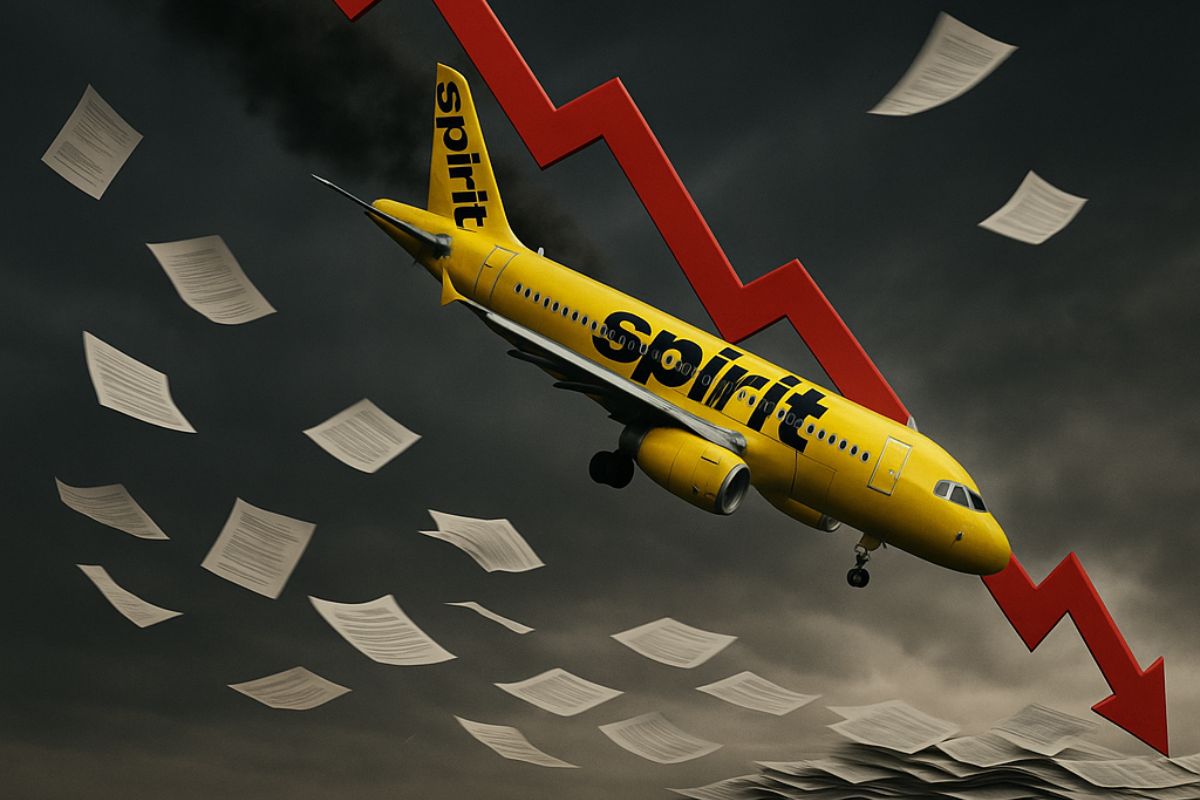
Spirit Airlines Files For Bankruptcy As Shares Plummet 90% And Debt Reaches US$ 2 Billion Since The Pandemic
Spirit Airlines has entered Chapter 11 bankruptcy again in August 2025. Known for its low fares and yellow planes, the airline has not reported a profit since 2019, accumulating over US$ 2 billion in losses after the pandemic. The situation worsened in 2024 when its shares dropped 90%, while competitors like Delta and United increased revenues and market value.
This is the second bankruptcy filing in less than a year, highlighting the severity of the crisis. Although the process allows for debt renegotiation without halting flights, analysts warn that the company could emerge significantly smaller, with fewer routes and even be forced to seek a new merger to survive.
Rising Costs And Engine Recall
One of the main factors that led Spirit to file for bankruptcy was the increase in costs of over 30% since 2019. Fuel prices skyrocketed, pilot salaries were adjusted upwards by over 30%, and in 2024, an Airbus engine recall grounded part of the fleet, reducing flights and increasing losses.
-
China is building a city in Brazil: a complex with an investment of R$ 5.5 billion comes to light, but allegations involving workers draw attention.

-
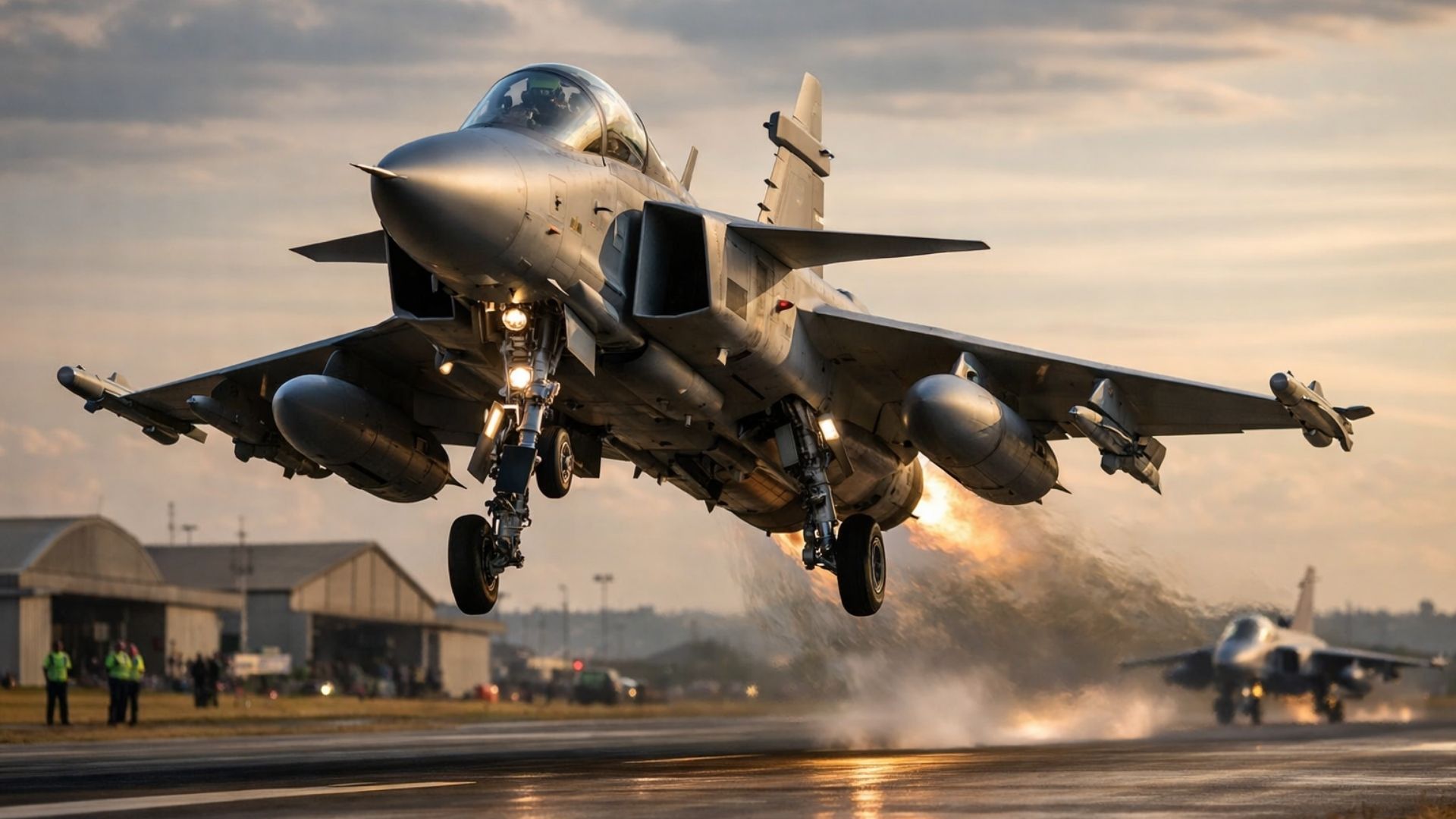
While Argentina buys old war equipment, Brazil is keeping an eye open and joins the select group of nations with advanced military technology by investing $5.2 billion, producing 36 Gripen fighters in the country, and reducing operational costs.
-
Brazil on alert? Why invading Brazil is a NIGHTMARE for the USA: 8.5 million km², 213 million inhabitants, Amazon covering 60% of the territory, trillion-dollar war, and resistance that even 13,000 aircraft could not control.

-
How to build a floating island from scratch with reeds, giant blocks, and stakes in the lake in a process that needs to be repeated almost every day.


Additionally, the attempted merger with JetBlue, valued at US$ 3.6 billion, was blocked by the courts in 2024. Without this strategic alternative, Spirit lacked the financial backing to face competition.
Business Model Under Pressure
While rivals diversified their revenues with premium classes and loyalty programs, Spirit maintained its bet on the “ultra low cost” model, relying on passengers who choose solely based on price. This made it difficult to pass on costs, resulting in full flights, but low profitability.
This scenario calls into question the sustainability of the low-cost model in the United States. Experts believe it will either need to be restructured or may disappear in the face of consumers increasingly willing to pay for comfort, flexibility, and additional benefits.
The Future of Spirit Airlines
Now, expectations are that the company will emerge from bankruptcy with fewer routes, a focus on specific markets, and perhaps resuming merger talks. The Spirit case serves as a warning for the airline industry: it’s not enough to fill planes; profitability must be ensured in an increasingly competitive market.
The fact is that Spirit Airlines is experiencing its worst moment, with shares plummeting 90%, accumulated debts and a business model under scrutiny. Meanwhile, competitors are thriving, proving that adaptation and innovation are crucial for survival.
What do you think, does the “ultra low cost” model still have a place in the U.S. or is it counting down its days? Share your opinion in the comments — we want to hear from those who have flown with Spirit and felt the difference in practice.








-

Uma pessoa reagiu a isso.