





 Portuguese
  English
  Spanish
  5 min of reading
  0 comments


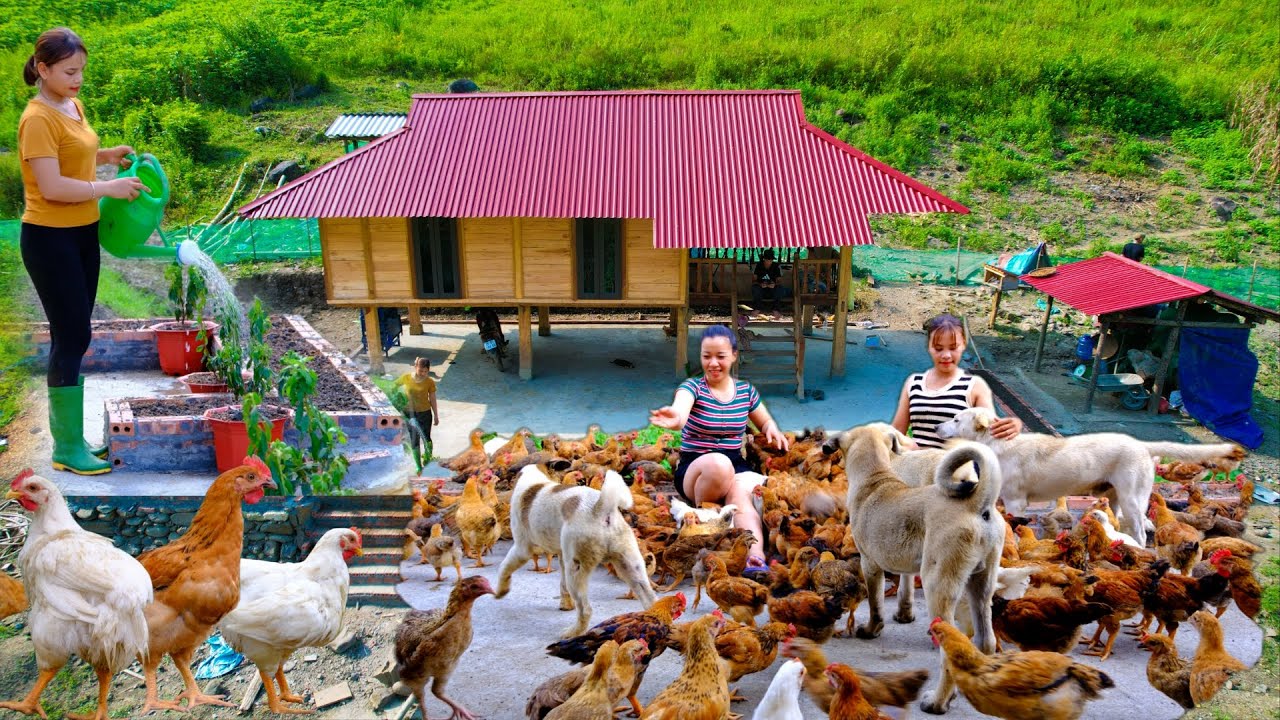
Family Builds Off-Grid Farm From Scratch With Fish Tank, Chicken Coop, Garden, And Wooden House, Creating A Self-Sufficient Refuge That Went Viral Worldwide.
In various remote locations around the planet, far from cities, monthly bills, traffic, and constant noise, there are families who have decided to flip a definitive switch in their lives: leaving the urban world behind and building, with their own hands, a complete survival structure with a house, garden, livestock, water system, fish tanks, and even energy, without relying on almost anything other than their own effort. This is exactly what a young couple and their small daughter did by transforming an isolated piece of land into a small self-sufficient farm, in a process documented in hundreds of videos published by international off-grid living channels.
In three years, they built houses, opened a large artificial lake, dug fish farming tanks, raised a sturdy chicken coop, and created an ecosystem of food, water, shade, and shelter — all without heavy machinery.
An Empty Lot That Turned Into A Dream With Wood, Clay, And Improvisation
When they bought the lot, there was practically nothing: weeds, slope, uneven soil, and no water or energy structure. The first step was to build a basic house using local sawn timber, clay for sealing, and vegetation cover adapted to the region’s climate.
-
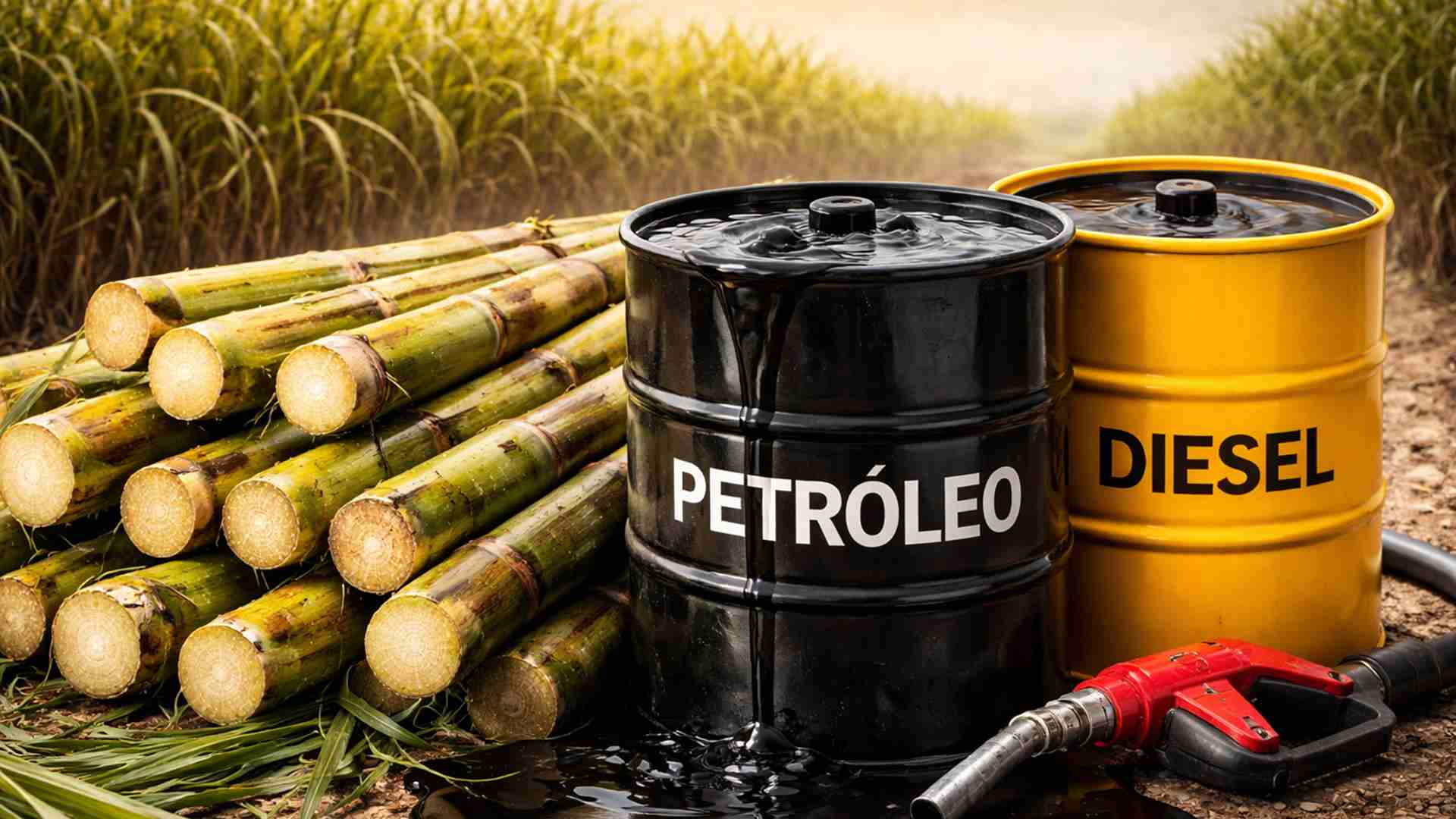
The rise in oil prices in the Middle East is already affecting Brazilian sugar: mills in the Central-South are seeing their margins shrink just as ethanol gains strength.
-
Rain gains strength in April, potentially exceeding 150 mm, placing the North, Northeast, and the coasts of the South and Southeast at the center of the heaviest forecast of the week.

-
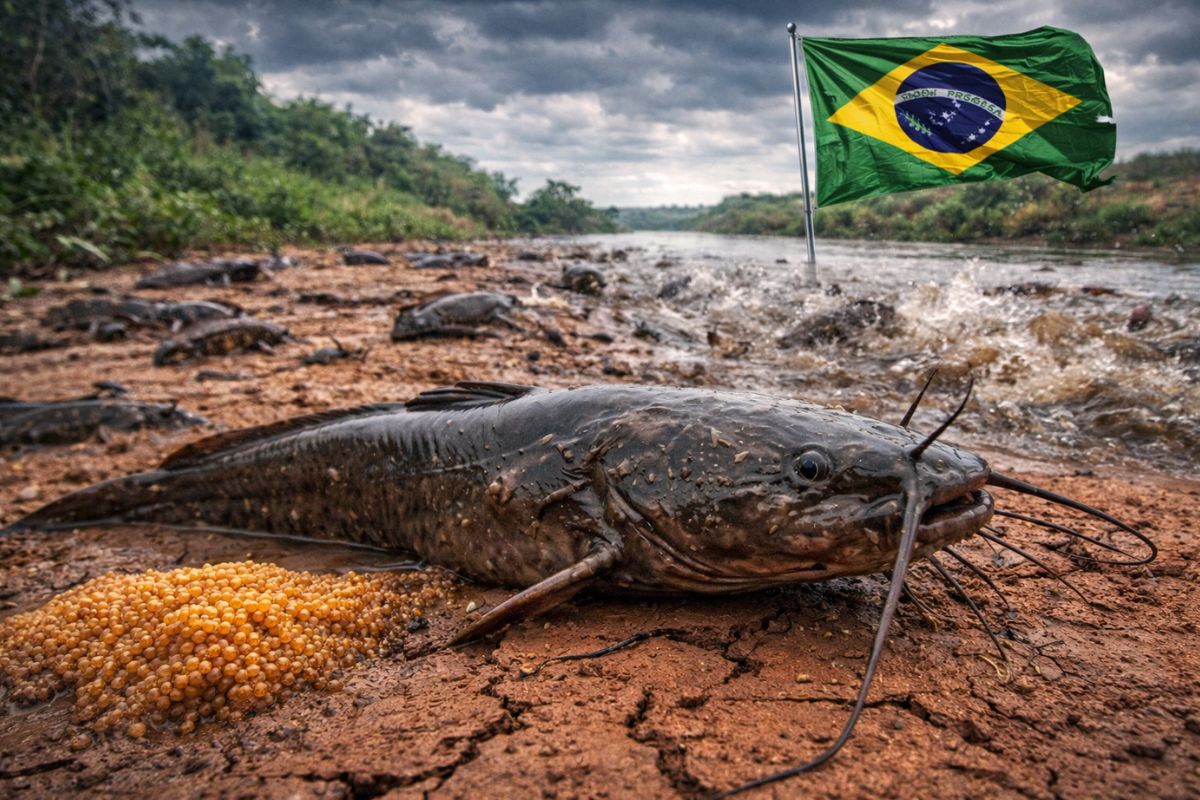
A fish that survives out of water, crawls on land until it finds another river, and whose female lays 80,000 eggs at once is infesting rivers and lakes in Brazil, and no one can stop this invasion.
-
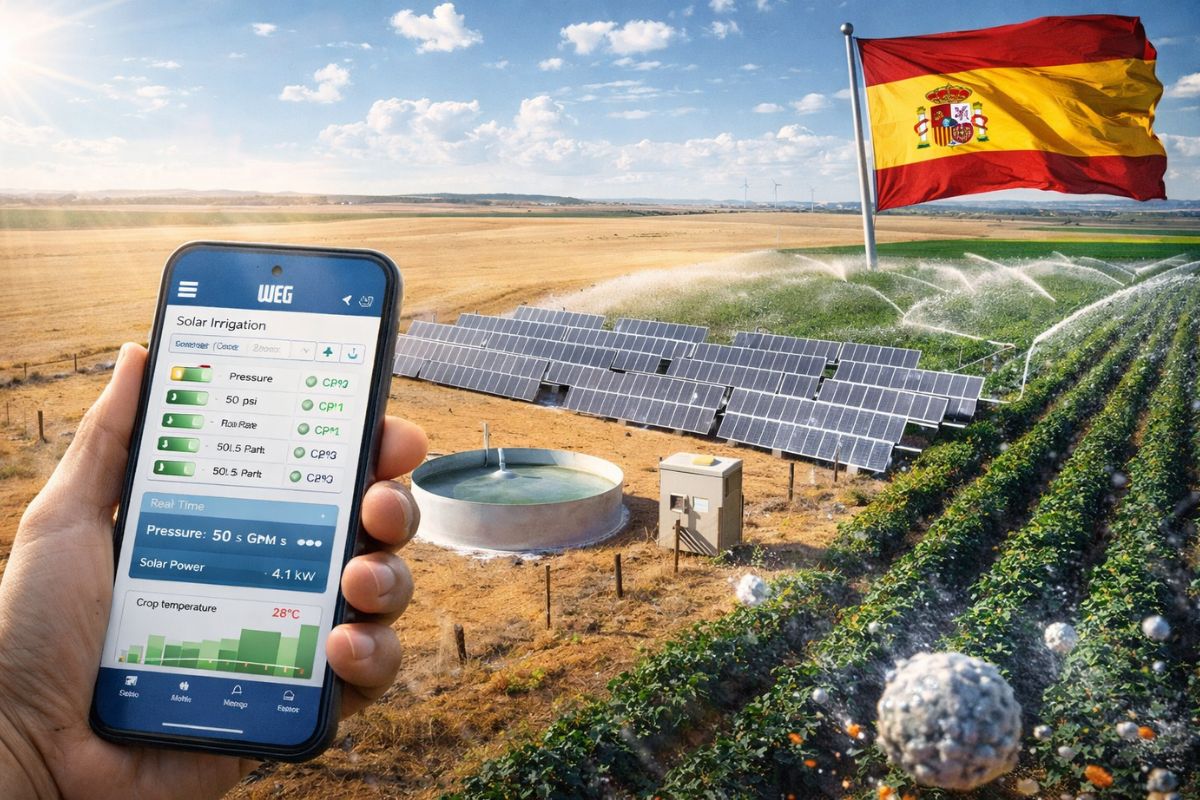
WEG took its technology to Spain to create a solar irrigation system that operates independently without needing an electrical grid, and now farmers control everything remotely via their mobile phones.

The construction followed traditional bioconstruction techniques, such as manual beam joints, the use of simple pillars, and a roof with a slope designed to withstand wind and rain.
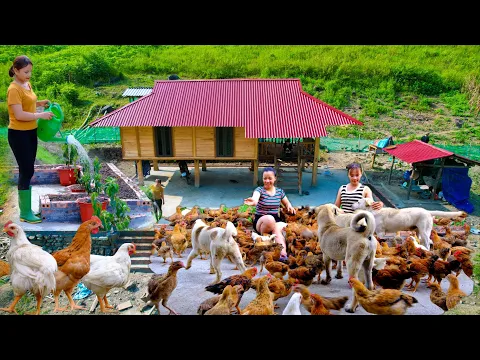

The floor was made with a mixture of earth and compacted lime, a common solution in rural areas around the world. No industrial cement or machines: everything was shaped by hand.
Next came the essential structural part: dig a well, collect rainwater, and install improvised tanks to ensure a constant supply for agriculture and animal husbandry.
The Lake That Became The Heart Of The Property
The stage that impressed those following the family’s routine the most was the construction of the large fish tank, which would simultaneously become a source of food, income, and irrigation. In videos published by channels like Living Off Grid, Survival Farm, Lifestyle Farming, and Country Life Vlog, the technique can be seen:
- digging the soil manually,
- compacting the edges,
- using industrial tarps or clay for sealing,
- building retaining walls with logs, stones, and earth.
As the months went by, the tank transformed into a living ecosystem: tilapia, carp, and other species began to reproduce there, providing a constant and abundant source of protein. The water from the lake, rich in nutrients, started to irrigate orchards, gardens, and herb beds.
This integration of fish farming and agriculture, known as rustic aquaponics, has been used in Asian countries for centuries and is now replicated by hundreds of off-grid families.
Chicken Coop, Animals, And A Closed Food Chain
Then came the chickens. The chicken coop was made not with industrial materials, but with reused wood, bamboo, and natural woven fences. There, the family set up a laying structure, a nighttime protection area, handcrafted drinking troughs, and space for movement.
The chickens served more purposes than just laying eggs:
- they help control insects,
- they aerate the soil,
- they provide high-quality organic manure,
- they process food scraps.
The farm transformed into a closed system: nothing is wasted, everything is reused.
Over time, came ducks, goats, or small pigs, always gradually, as the family expanded the property’s boundaries.
A Garden That Feeds Three People Based On Natural Fertilizer
The garden was set up next to the tank, taking advantage of the elevated soil moisture. To fertilize, they used only two inputs: chicken manure and organic matter taken from the property itself.
In off-grid channels around the world, this technique is standard:
- dry leaves,
- grass,
- trimmings,
- vegetable peels,
- natural fibers.
The result is fertile, deep, and alive soil, capable of sustaining the cultivation of vegetables, greens, roots, and fruits all year round.
Kitchen, Wood-Burning Stove, And Life With Almost Zero Consumption
The kitchen was built with a wood-burning stove, local stones, natural mortar, and open walls for ventilation. In it, the family prepares everything they plant and fish. The routine is simple: harvest, wash, cook, serve. No waste, no packaging.
The energy comes from a small set of solar panels, sufficient for lighting, charging tools, and moderate appliance use. The internet, when it works, is limited, reinforcing the sense of isolation, but also allowing videos of their routine to be published and monetized.
The Daughter Growing Up In The Field: Clay, Water, And Freedom
One of the aspects that draws the most audience is the constant presence of the little daughter in the process. She is seen planting, harvesting, helping wash vegetables, feeding chickens, running around the yard, and participating in maintenance. For many viewers, this is the most exciting part: the childhood that many wish they had.
The education is done by the family, with the support of digital materials and books. The freedom is great, but so is the discipline: waking up early, helping with chores, and respecting animals is part of the daily routine.
The Emotional Impact Of This Type Of Life
Those who follow stories like this always report the same feeling: peace. Even with heavy work — and it is heavy, the family lives at their own pace, away from urban stress, away from noise, away from external pressures.
And for those watching from afar, the videos seem like small windows into a possible, but challenging alternative life:
- no bosses,
- no rent,
- no traffic,
- no dependence on supermarkets,
- with a life built by one’s own hands.
It is this contrast between freedom and effort that makes such narratives so viral.
Why Off-Grid Stories Go Viral
Digital behavior researchers explain the phenomenon:
- they represent the opposite of modern urban life,
- they offer a sense of visual tranquility,
- they show real progress (before and after),
- they reveal physical transformation of the environment,
- they evoke nostalgia for a lost simplicity.
In the end, it is not just a farm: it is a narrative of life’s reconstruction.







-

-

-

-

-

-

38 pessoas reagiram a isso.