





 Portuguese
  English
  Spanish
  4 min of reading
  0 comments


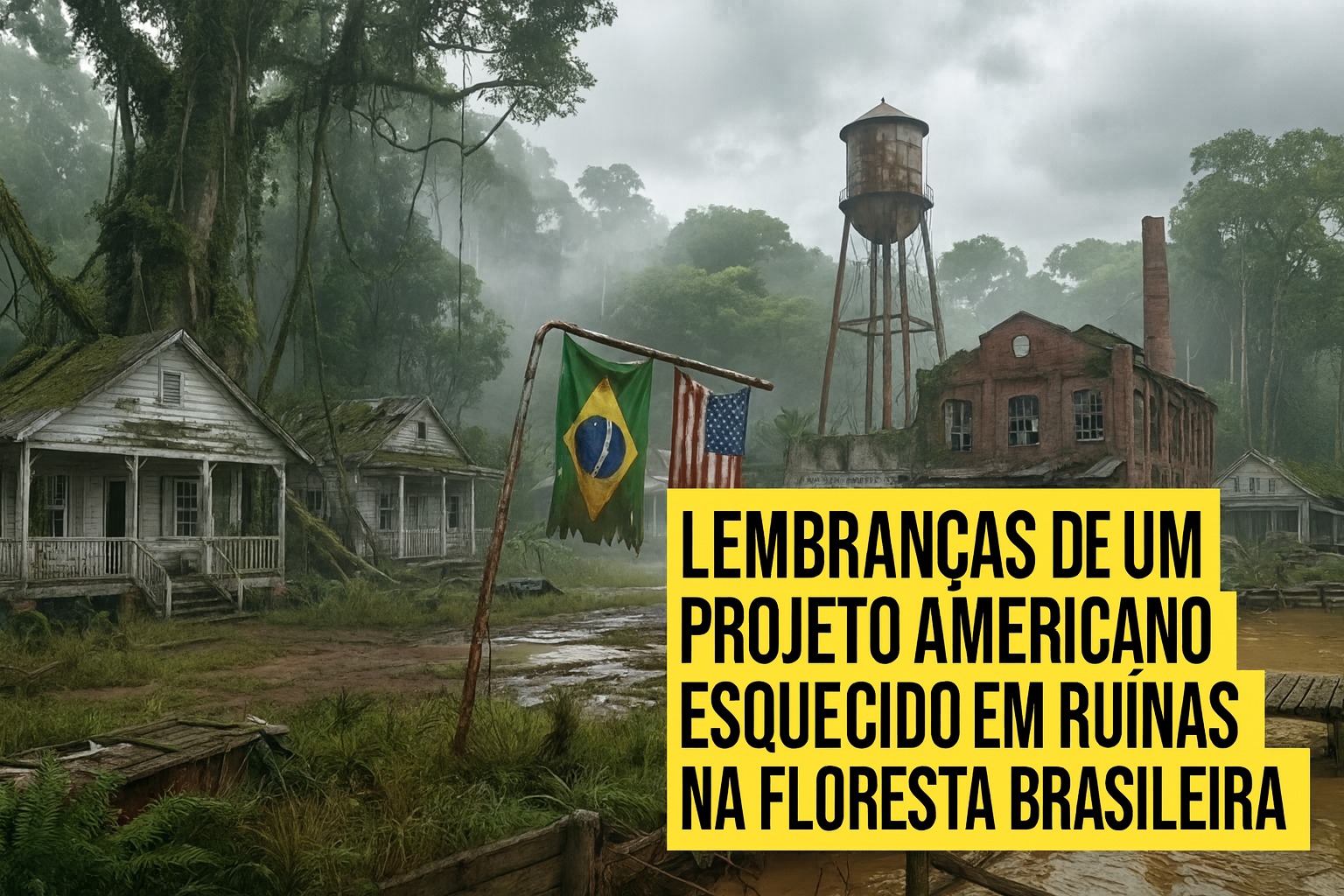
Pará District Preserves Hospital, Warehouses, and Residential Village of an Ambitious Failed Industrial Project, Transformed into an Open-Air Museum That Attracts Researchers, Photographers, and Visitors Interested in Amazonian Memory
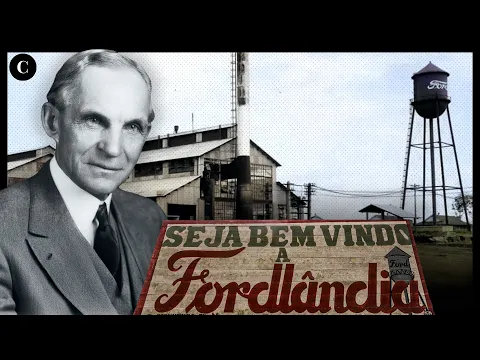
Fordlândia, a ghost town on the banks of the Tapajós River in Pará: an industrial project initiated in 1928 by Henry Ford, a planned town with a hospital, warehouses, and a residential village, a production failure of latex and consolidation as a historical and photographic destination in the Amazon.
Fordlândia, a district of Aveiro on the banks of the Tapajós River in Pará, gathers ruins of a project initiated in 1928 by Henry Ford, who attempted to produce latex in the Amazon, leaving complete industrial structures and now attracting visitors interested in history, landscape, and the memory of industrial failure.

Why the Ghost Town Sparks Historical and Touristic Interest
A visit to Fordlândia allows one to observe an industrial experiment that tried to implant habits and architecture of the United States in the middle of the Amazon rainforest, creating a planned town in an isolated area.
-
Natville puts R$ 700 million on the table for new factories in the Northeast, generating jobs and boosting the local economy.
-
With 74% of companies facing difficulties in hiring, technicians and engineers in renewable energy are becoming scarce in Brazil and are essential to support the expansion of solar, wind, and green hydrogen projects.

-
Historic bankruptcy of Centauro shocks the market, and the century-old company puts more than 500,000 products, machines, and complete infrastructure up for online auction.

-
New shoe factory in Ceará is expected to create 400 jobs and strengthen the local economy.
Henry Ford built a hospital, golf course, urban hydrants, and residences inspired by Michigan, aiming to ensure latex production outside British control at the time.
The project failed after pests affected rubber trees and workers resisted the imposed diet, routine, and culture, resulting in the gradual abandonment of structures and the original proposal.
The geographic isolation helped preserve industrial and residential ruins, forming a setting where concrete, iron, and wood coexist with dense vegetation and the continuous advance of the forest.
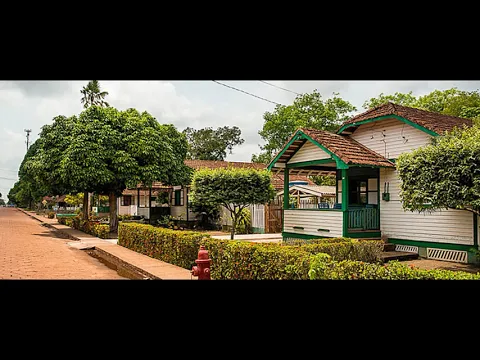

The Industrial Ruins and the American Village in the Ghost Town
The most visible structure is the metal Water Tower, which dominates the skyline and offers a wide view of the Tapajós River for those who can access its top.
Near the reservoir, the Sawmill Warehouse remains standing, housing rusted original machinery that records the attempt at industrialization in the heart of the jungle.
The residential area known as the American Village was built on a hill to take advantage of the breeze and reduce heat, following American urban planning standards.
Some houses remain restored, while others are deteriorated, allowing one to imagine dances, community events, and the daily routine imposed on the project’s workers.
Historical Attractions in an Open-Air Museum
The old hospital of Fordlândia stands out among the ruins, designed by Albert Kahn and considered, at the time, one of the most advanced hospital structures in the Amazon region.
Today, the building features broken windows and internal vegetation, becoming one of the most sought-after spots for photography and controlled urban exploration.
Besides the hospital, industrial warehouses preserve marks of the Ford Motor Company, while the American Village maintains sections inhabited by local residents.
The Tapajós River complements the itinerary with freshwater beaches during the dry season, integrating natural landscape and historical heritage in the same journey.
Best Time and Access to the Ghost Town
Access to Fordlândia occurs via river, with boats leaving from Santarém or Itaituba, depending on navigation conditions on the Tapajós River.
The Amazon climate divides into two main seasons, which directly affect the logistics of movement and the visibility of river beaches.
During the dry season, the banks of the Tapajós are exposed, facilitating walks among ruins and open areas, according to information from Climatempo.

Memory of Industrial Failure in the Amazon
Fordlândia has consolidated as a symbol of an interrupted industrial project, evidencing technical and cultural limits faced in the attempt to dominate the Amazonian complexity.
The district preserves accounts from descendants of workers and buildings that have withstood the test of time, serving as a material record of a singular historical experiment.
The visit concludes as a complementary experience for researchers, photographers, and curious individuals interested in the precedents of industrialization in the region and the persistence of the forest over human structures.
With information from Correio Braziliense.








-

-

3 pessoas reagiram a isso.