





 Portuguese
  English
  Spanish
  3 min of reading
  11 comments


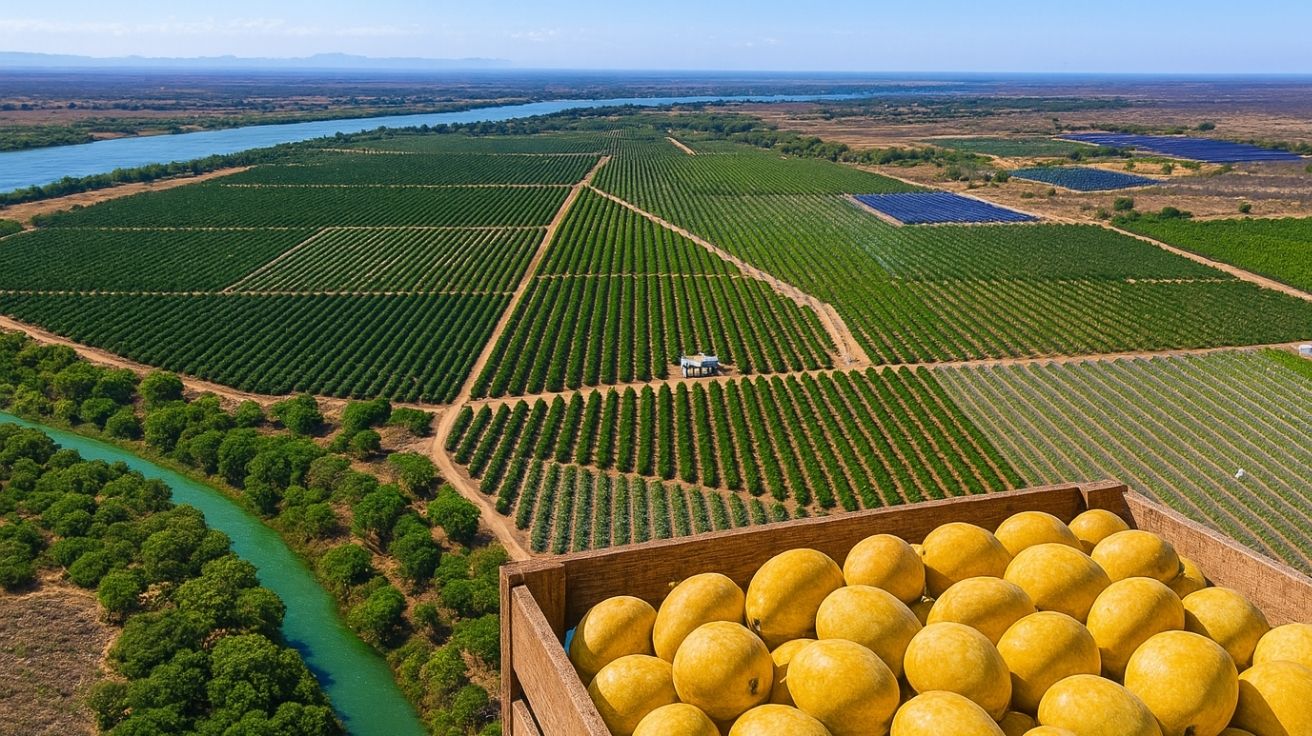


Located in the São Francisco Valley, Agrodan is the largest producer and exporter of mangoes in Brazil, with crops irrigated by the river, a solar power plant, an own school, and machines that take 40 photos of each fruit to ensure quality
The mango farm Agrodan, located in the São Francisco Valley between Pernambuco and Bahia, is responsible for 30 thousand tons of mango per year, placing Brazil among the largest exporters worldwide. Based in Belém de São Francisco, the company operates seven irrigated farms by the São Francisco River, employs 1,400 people, and utilizes modern systems for production, selection, and distribution of the tropical fruit.
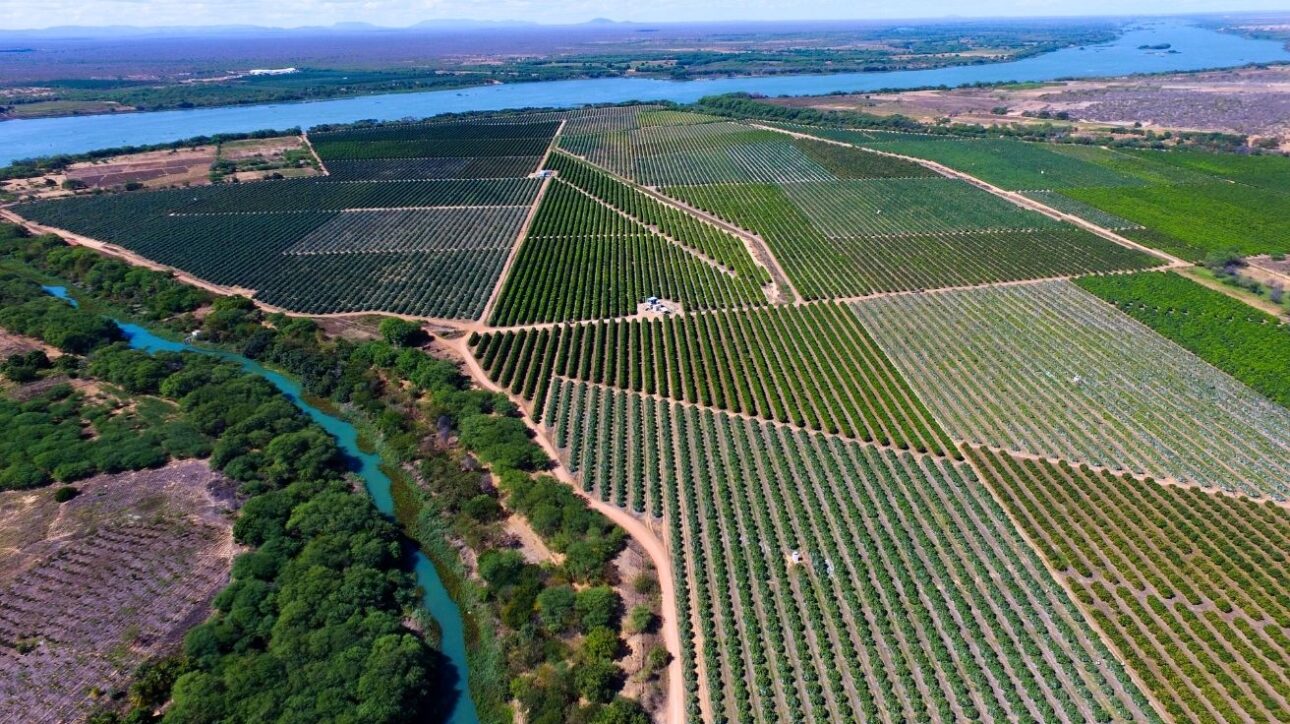
With over 1,300 planted hectares, Agrodan began its operations in 1987, when the Dantas family decided to invest in agriculture despite lacking training in the area. Amid Brazilian hyperinflation, the project started with mango, banana, and grape, but it was mango that stood out commercially, especially in the European market. By 1991, the company was already exporting and has since established itself as the main reference in the sector.
The mango farm operates with drip irrigation, a technique that reduces water consumption, improves fertilization, and increases productivity. The company claims to have recorded an increase of up to 20% in production after adopting this method. Controlled irrigation is made possible thanks to the water consistency of the São Francisco River, considered essential for the agricultural success of the semi-arid region.
-
The sea water temperature rose from 28 to 34 degrees in Santa Catarina and killed up to 90% of the oysters: producers who planted over 1 million seeds lost practically everything and say that if it happens again, production is doomed to end.

-
An Indian tree that grows in the Brazilian Northeast produces an oil capable of acting against more than 200 species of pests and interrupting the insect cycle, gaining ground as a natural alternative in soybean, cotton, and vegetable crops.
-
The rise in oil prices in the Middle East is already affecting Brazilian sugar: mills in the Central-South are seeing their margins shrink just as ethanol gains strength.
-
Rain gains strength in April, potentially exceeding 150 mm, placing the North, Northeast, and the coasts of the South and Southeast at the center of the heaviest forecast of the week.


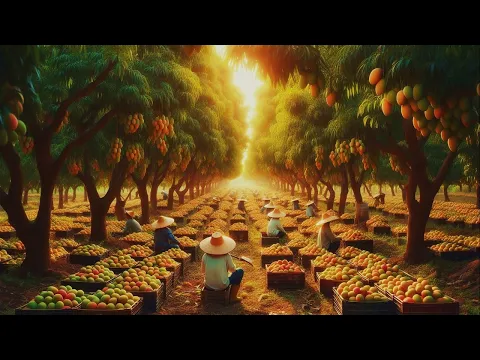

Technology in the Field and Digital Selection of Fruit on This Mango Farm
After harvest, the fruits are taken to the Agrodan packing house, considered the most modern in Brazil. The mangoes undergo a process with three washes, rinses, and automatic sorting. One of the technological highlights is a machine equipped with sensors and cameras that takes 40 photos per fruit and sorts by weight, color, and visible defects, ensuring a strict export standard.
The mango farm primarily exports to Europe, responsible for 97% of the company’s revenue in 2024, estimated at R$ 168 million. The goal for 2025 is to reach R$ 220 million and expand the domestic market with premium varieties such as Kent and Keitt, free of fibers. With a solid network of buyers in Europe, the company seeks to reduce dependence on foreign exchange and international logistics.
In addition to exporting, Agrodan is also committed to social and environmental actions. In 2017, the company inaugurated the Professora Olindina Roriz Dantas School, which offers free education, transportation, food, and classes in computer science, music, and robotics to 382 students from the rural area. The annual investment in the project is approximately R$ 5 million.
Sustainability and Training of New Producers
Another differentiator of the mango farm is its integration with the community. Agrodan offers profit-sharing for employees, invests in basic health units with telemedicine on the farms, and promotes the education of youth and adults. There is also a reforestation project initiated in 2018, with nurseries producing 30 thousand seedlings of native species and preserved areas totaling 687 hectares.
In the energy sector, Agrodan operates with an own solar power plant that powers the headquarters, packing house, a UBS, and the workers’ village, using clean and renewable energy. The company also monitors its carbon balance and plans to demonstrate that it absorbs more carbon than it emits, contributing to the fulfillment of the UN Sustainable Development Goals.









Se, todos os empresários do Brasil se preocupacem com os trabalhadores como vocês o Brasil seria, outro país! Parabéns por essa iniciativa, é que essa filosofia permaneca por muito tempo!!!
Parabéns a todos pelo desempenho e dedicação de manter de pé essa empresa de excelência e qualidade.
Execelente exemplo vamos divulgar