





 Portuguese
  English
  Spanish
 4 min of reading
  7 comments


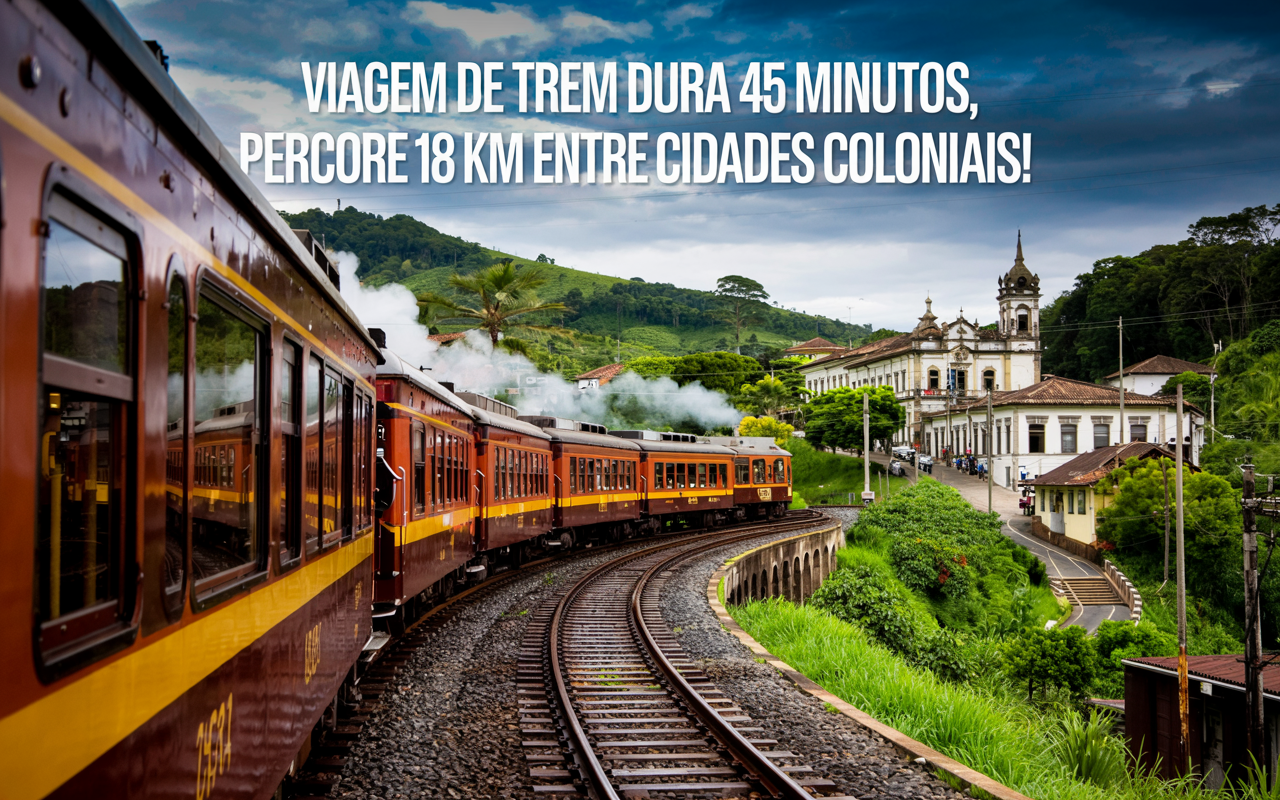


The Train Route Between Mariana and Ouro Preto is Operated by Vale and Preserves One of the Oldest Routes in Brazil, with 18 km in Length and Cars that Cross Mountains, Rivers, and Colonial Mansions
In the 21st century, one of the most symbolic train routes in Brazil remains active, not to transport mineral wealth, but to carry stories, culture, and tourists. The tourist train connecting Mariana to Ouro Preto, in Minas Gerais, covers a route of just 45 minutes, but it concentrates centuries of Brazilian memory. This line, which dates back to the 19th century, was originally created to transport the gold extracted from the region — one of the richest in the country during the colonial period. Today, it is operated by Vale, with the goal of keeping the railway connection alive between two cities listed as national historic heritage. With 18 kilometers in length, the ride offers an immersion into the past, crossing bridges, tunnels, rocky slopes, and preserved villages.
A Short Ride, but Full of Meaning
Although the route is brief, it is one of the most emblematic in the national railway tourism. Departing from the Mariana station, built in 1914, the train travels through areas of Atlantic forest and arrives in Ouro Preto in about 45 minutes — the ideal time for tourists to enjoy the scenery and, at the same time, explore the cities before or after the trip.
The tracks are the same used for over 100 years, and the railway passes through stretches that, in the past, transported gold, gemstones, coal, and tools between the colonial nuclei of the Portuguese Crown. The revival of this route as a tourist attraction was made possible with support from the Vale Foundation and the heritage recovery project in the region.
-
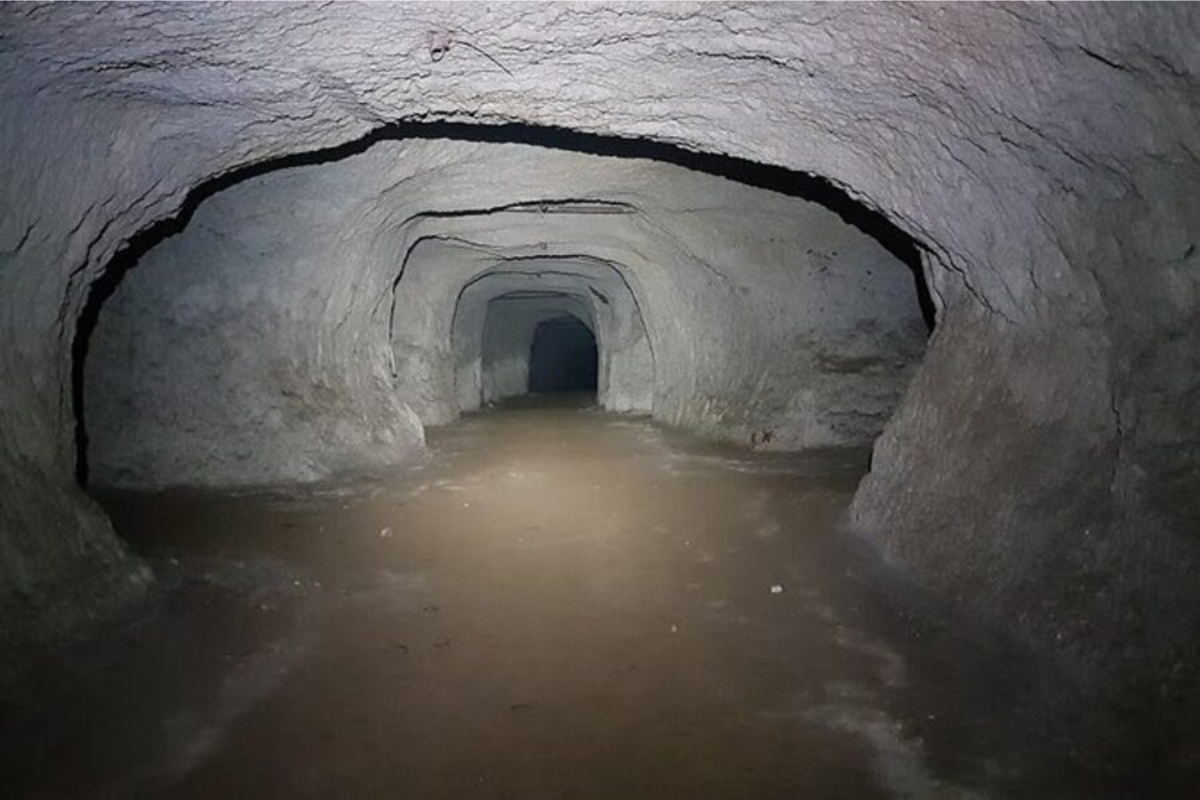
Discovery of a 15-kilometer labyrinth beneath the buildings of Rome raises alarm for collapses and reveals the largest underground network ever found in the Italian capital.
-
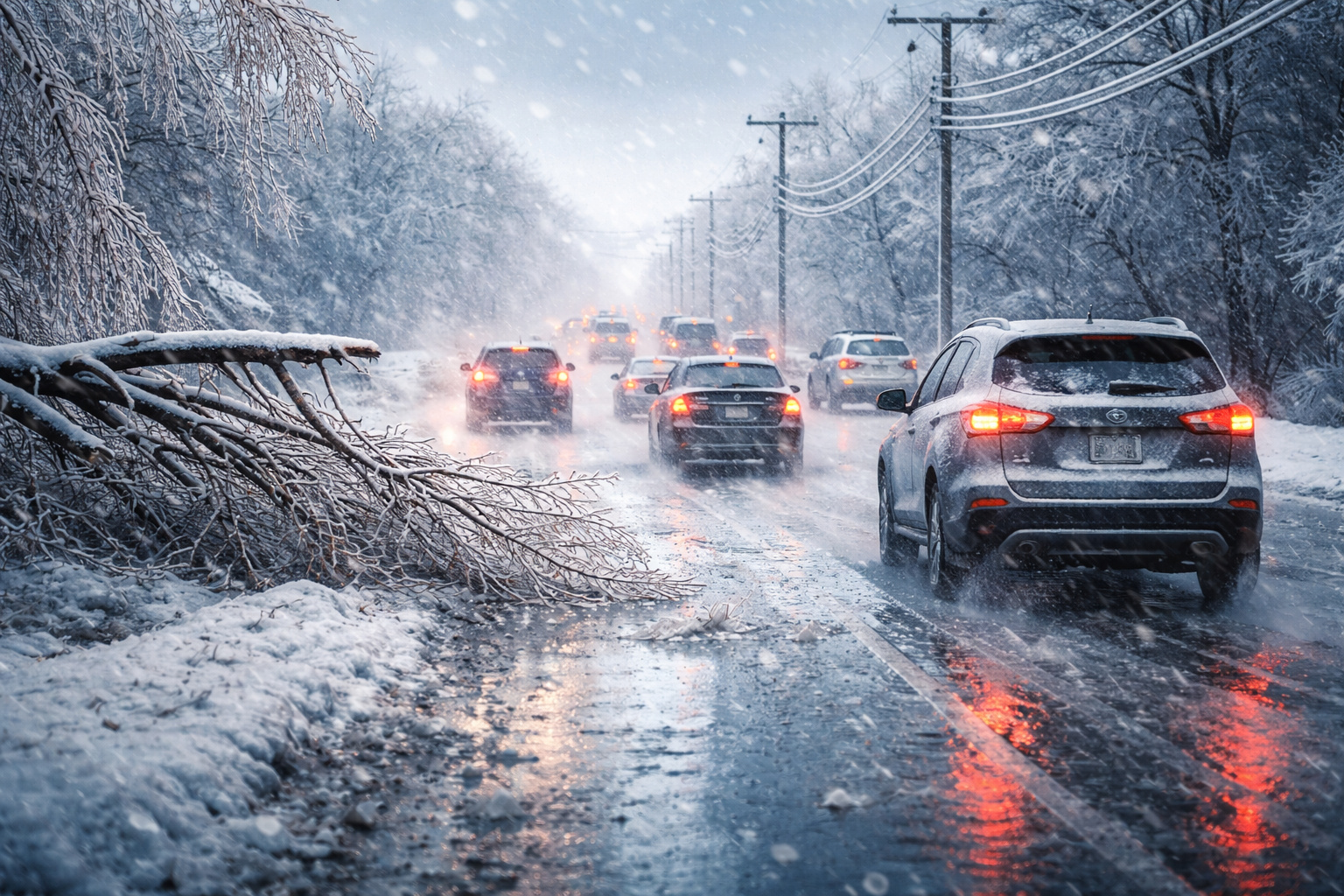
A rare storm phenomenon in the United States alerts meteorologists worldwide due to four different forms of water falling from the sky, which freeze immediately upon touching the ground, poles, cars, or trees.
-
He has been using a wheelchair for almost 10 years, lives alone, is independent, and decided to become a delivery driver for an app: Samuel makes up to 6 deliveries a day, covering routes of 1 km in his wheelchair and has even managed to do 2.5 km in a single run.

-
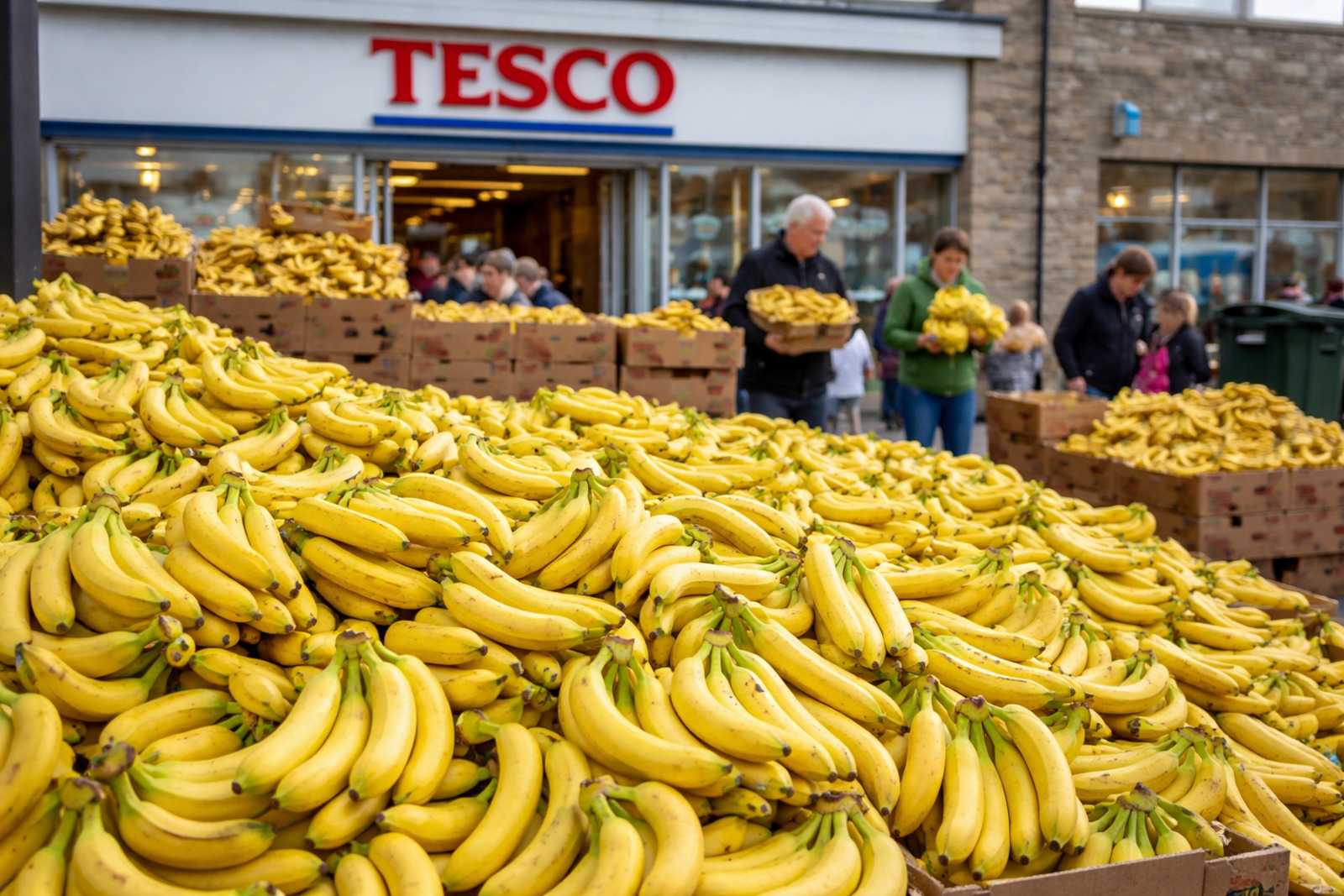
An island of 7,500 people received 38,000 bananas by mistake, was left unsure where to store everything, and turned the error into a viral case with donations, hustle, and fruit overflowing everywhere.

The history of the railway line connecting Mariana and Ouro Preto is directly linked to the Gold Cycle in Brazil. During the 18th century, both cities were hubs for the extraction and transport of precious metals for the Portuguese Crown. The wealth that passed through these mountains motivated the construction of churches, bridges, streets paved with soapstone, and one of the largest Baroque architectural ensembles outside of Europe.
As the years passed and industrialization progressed, the need arose to build rail infrastructure to connect these regions to other urban centers. The Ouro Preto–Mariana branch was implemented in 1883, and later incorporated into the Federal Railway Network. It operated for decades to transport minerals, workers, and supplies.
At the end of the 20th century, with the decline of passenger railway transport, the railway line was deactivated. However, in 2006, the Vale Foundation, in partnership with the National Institute of Historic and Artistic Heritage (Iphan), initiated a restoration project to transform the route into a tourism-cultural product.
Technical Details of the Route
- Total Distance: 18 km
- Duration of the Ride: Approximately 45 minutes
- Average Speed: 20 km/h
- Average Altitude: about 1,100 meters above sea level
- Departure: Mariana Station (MG)
- Arrival: Ouro Preto Station (MG)
- Type of Train: Diesel locomotive with panoramic cars
- Operation: Weekends and holidays, with fixed schedules (check Vale)
Cultural Tourism on Tracks
The ride is a fusion between historical journey and cultural contemplation. Along the route, it is possible to see:
- Preserved colonial farms and buildings
- Metal bridges and historical tunnels
- Breathtaking mountainous landscapes
- Decommissioned mining areas
- Churches, chapels, and museums around the stations
The highlight is the arrival at the Ouro Preto Station, one of the most visited cities in Brazil for its Baroque architecture, churches sculpted by Aleijadinho, and cobblestone streets dating back to the 18th century.
An Ideal Itinerary for Those Seeking Meaningful Tourism
Due to its short duration and easy access, the train ride between Mariana and Ouro Preto is ideal for:
- Families with children
- Seniors or people with reduced mobility
- Students and school excursions
- Tourists wishing to experience the interior of MG at a leisurely pace
The ride is also recommended as a extension of longer itineraries, such as the Royal Road, the Diamond Path, and other historical routes in Minas Gerais.
How to Take the Ride
Tickets can be purchased in person at the stations or via the Vale website. It is advisable to arrive early, especially on extended holidays and peak season periods (July and January).
- Price: between R$ 50 and R$ 70 (depending on the car)
- Days of Operation: Saturdays, Sundays, and holidays
- Panoramic and conventional class available
- Guided Tours: Local agencies offer complementary tours in both cities
More than just a train ride, the trip between Mariana and Ouro Preto represents a journey through time. In just 45 minutes, passengers traverse centuries of history, rediscover landscapes that witnessed the Gold Cycle, and feel the grandeur of the mining heritage. An unmissable journey for those who wish to explore the Brazil that still pulses on the tracks.





Ridículo,está fechado a cinco anos sem explicação clara para nós da cidade que dependemos do turismo.Deveria haver punição para tais reportagens “fake”.
Não funciona mais!
O turismo ferroviário no Brasil, hoje, não é valorizado, porque esse sistema de transporte ficou fragmentado. Muitas ferrovias foram abandonadas, com muitas estações de embarques desativadas, para favorecer o transporte de cargas, com rotas mais lucrativas, depois da Privatização. Também, as concessões ferroviarias, foram insuficientes para continuar mantendo todo esse sistema integrado. E, muita gente, prefere o transporte rodoviário, por achar muito lento o trem de passageiros.