





 Portuguese
  English
  Spanish
  3 min of reading
  0 comments


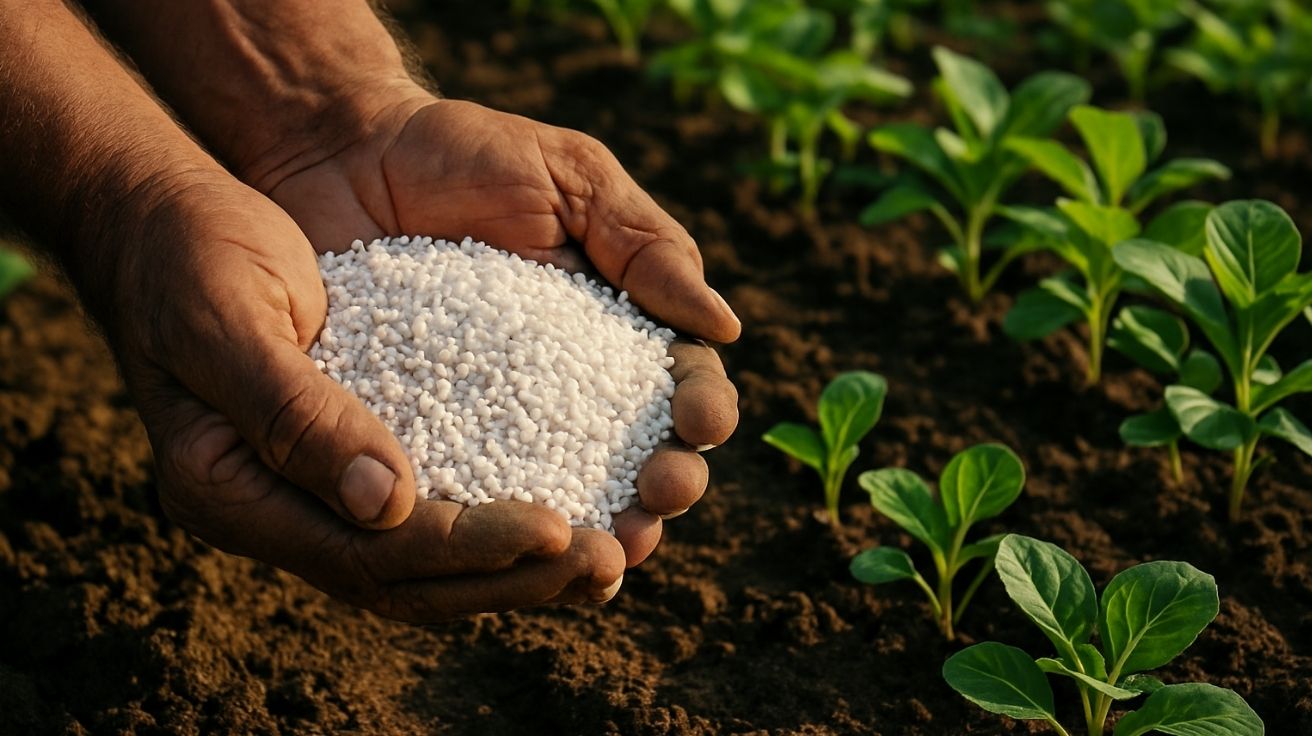
From Traditional Organic Fertilizer to State-of-the-Art NPK Fertilizers, See How Farmers Are Optimizing Crop Productivity with Advanced Plant Nutrition Techniques
The application of fertilizer is one of the most strategic practices in Brazilian agribusiness, essential for increasing crop productivity and ensuring the nutritional balance of the soil. Between today and the upcoming harvests, the correct use of these inputs is a decisive factor for success in rural production.
Currently, Brazil is among the largest consumers of fertilizers worldwide, using millions of tons per year. The products range from organic to mineral, with different application methods, chemical compositions, and impacts on agricultural efficiency.
Before using any type of fertilizer, it is essential to perform a soil analysis, which allows the producer to identify which nutrients should be applied for each type of crop. This avoids waste, imbalances, and possible environmental impacts.
-
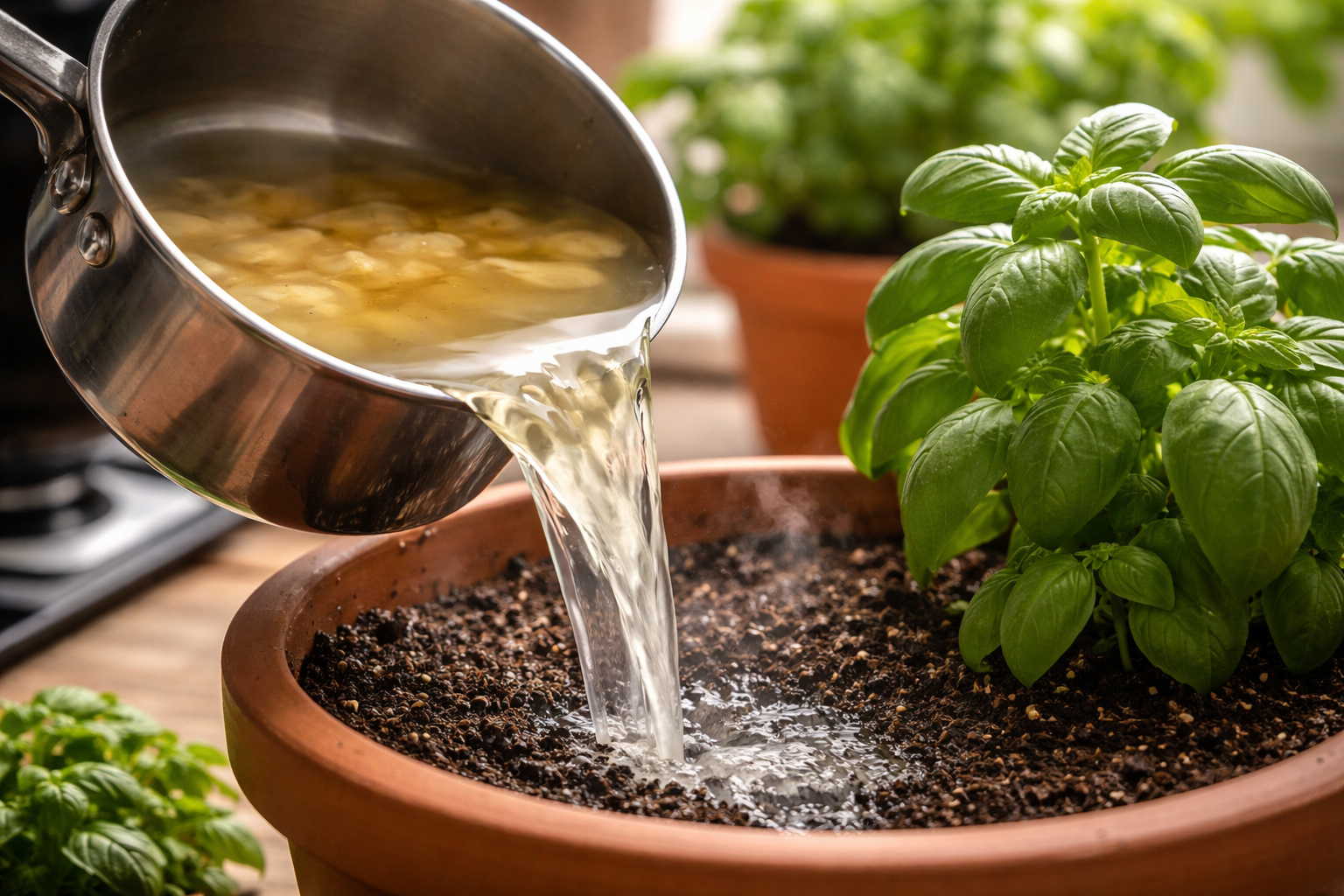
The water that almost everyone throws away after cooking potatoes carries nutrients released during the preparation and can be reused to help in the development of plants when used correctly at the base of gardens and pots, at no additional cost and without changing the routine.
-
The sea water temperature rose from 28 to 34 degrees in Santa Catarina and killed up to 90% of the oysters: producers who planted over 1 million seeds lost practically everything and say that if it happens again, production is doomed to end.

-
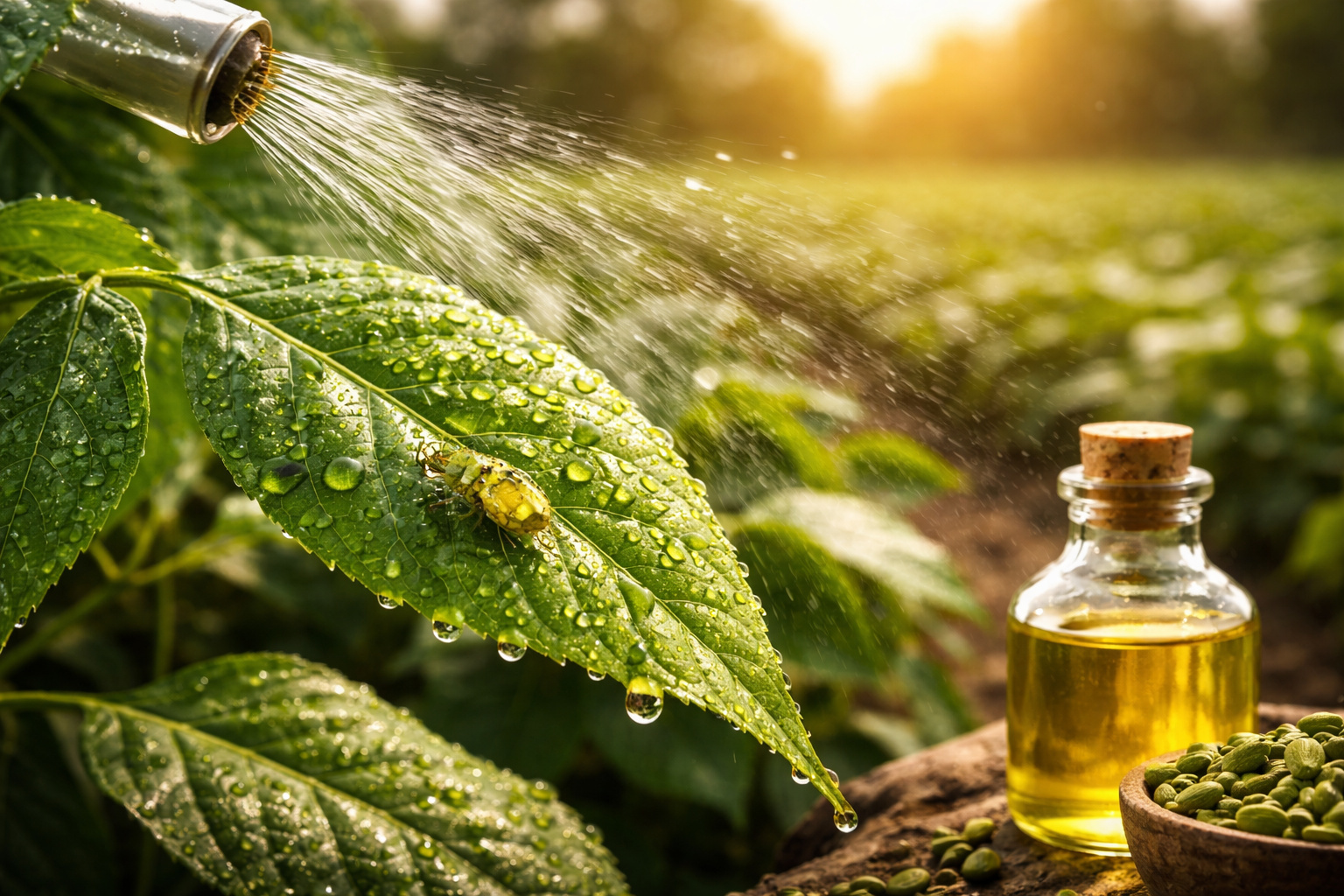
An Indian tree that grows in the Brazilian Northeast produces an oil capable of acting against more than 200 species of pests and interrupting the insect cycle, gaining ground as a natural alternative in soybean, cotton, and vegetable crops.
-
The rise in oil prices in the Middle East is already affecting Brazilian sugar: mills in the Central-South are seeing their margins shrink just as ethanol gains strength.


Classification and Types of Fertilizers Most Used in Agriculture
Mineral fertilizers are the most used in the field. Industrially produced, they provide nutrients such as nitrogen (N), phosphorus (P), and potassium (K) in highly soluble forms that are quickly absorbed by plants. Among the most popular are urea, triple superphosphate, and potassium chloride.
On the other hand, organic fertilizers are composed of animal or plant residues, such as manure, crop residues, and compost. Although they act more slowly, they contribute to soil health by improving its physical, biological, and chemical structure.
There are also organomineral fertilizers, which combine mineral and organic elements, offering a balanced and efficient release of nutrients. They help increase the soil’s ability to retain water and absorb minerals, making them attractive for various types of farms and crops.
Application Methods and Care in Using Fertilizer
The choice of application technique depends on the type of fertilizer, crop, and soil condition. The most common methods are fertilization at sowing, broadcasting, through irrigation (fertigation), and foliar spray. Each method has specific advantages in productivity and operational efficiency.
In sowing, the fertilizer is placed directly in the planting line, close to the root, which favors the absorption of nutrients like phosphorus. In broadcasting, the fertilizer is spread evenly over the soil, ideal for nutrients like potassium.
Fertigation and spraying allow for greater control and targeting of nutrients, reducing losses due to leaching. However, it is essential to respect technical recommendations to avoid excessive use, which can cause nutritional imbalances and environmental impact.

NPK Fertilizers and the Role of Macronutrients and Micronutrients
The NPK fertilizer combines the three main macronutrients required by plants: nitrogen, responsible for vegetative growth; phosphorus, essential for root formation; and potassium, which strengthens the plant’s resistance to pests and climatic stresses.
In addition to macronutrients, there are micronutrients, applied in smaller quantities but equally important for plant metabolism. Among them are zinc, iron, manganese, and boron, which participate in biochemical processes such as photosynthesis and protein synthesis.
The right combination of macro and micronutrients in a fertilizer determines the success of the crop. Therefore, it is essential to choose products suitable for the specific needs of the crop, the type of soil, and the plant’s stage of development.










Seja o primeiro a reagir!