





 Portuguese
  English
  Spanish
  4 min of reading
  0 comments


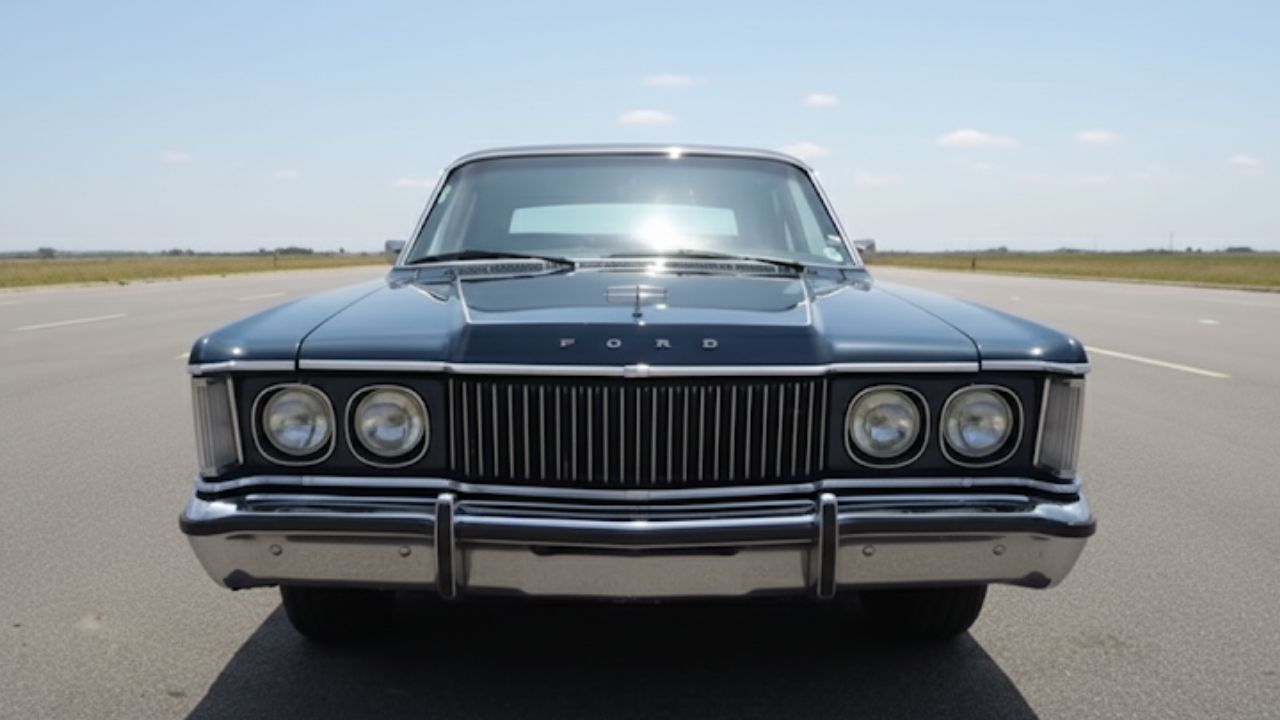
Before Imports, The Ford Landau Was The First National With Bi-Iodine Headlight And Set The Standard For Comfort With Air Conditioning Standard.
The Ford Landau of 1982 was not just a car; it was a status symbol and a true benchmark of embedded technology in Brazil. In a pre-import liberalization era, where luxury was defined by the national industry, Ford’s full-size sedan redefined what was possible. With innovations that today seem common but were revolutionary, the model stood out as the first car manufactured in the country to come equipped with efficient bi-iodine headlights.
Analyzing the vehicle, as detailed by Canal Opinião Sincera, the value of this level of refinement was astronomical. Adjusted for today, owning a complete 1982 Landau would cost around R$ 400 thousand. It was undoubtedly a car meant for presidents, major entrepreneurs, and the elite who demanded the utmost comfort and were not satisfied with the basic offerings from competitors.
The Technological Leap: The First National Bi-Iodine
Long before xenon or LED headlights became standard, the most significant innovation in automotive lighting was the iodine (halogen) bulb, and the Ford Landau was the pioneer in bringing it to Brazil in 1982. Until then, the national market was restricted to the old sealed beam headlights, which provided a yellowed and significantly weaker light, compromising safety during nighttime driving.
-
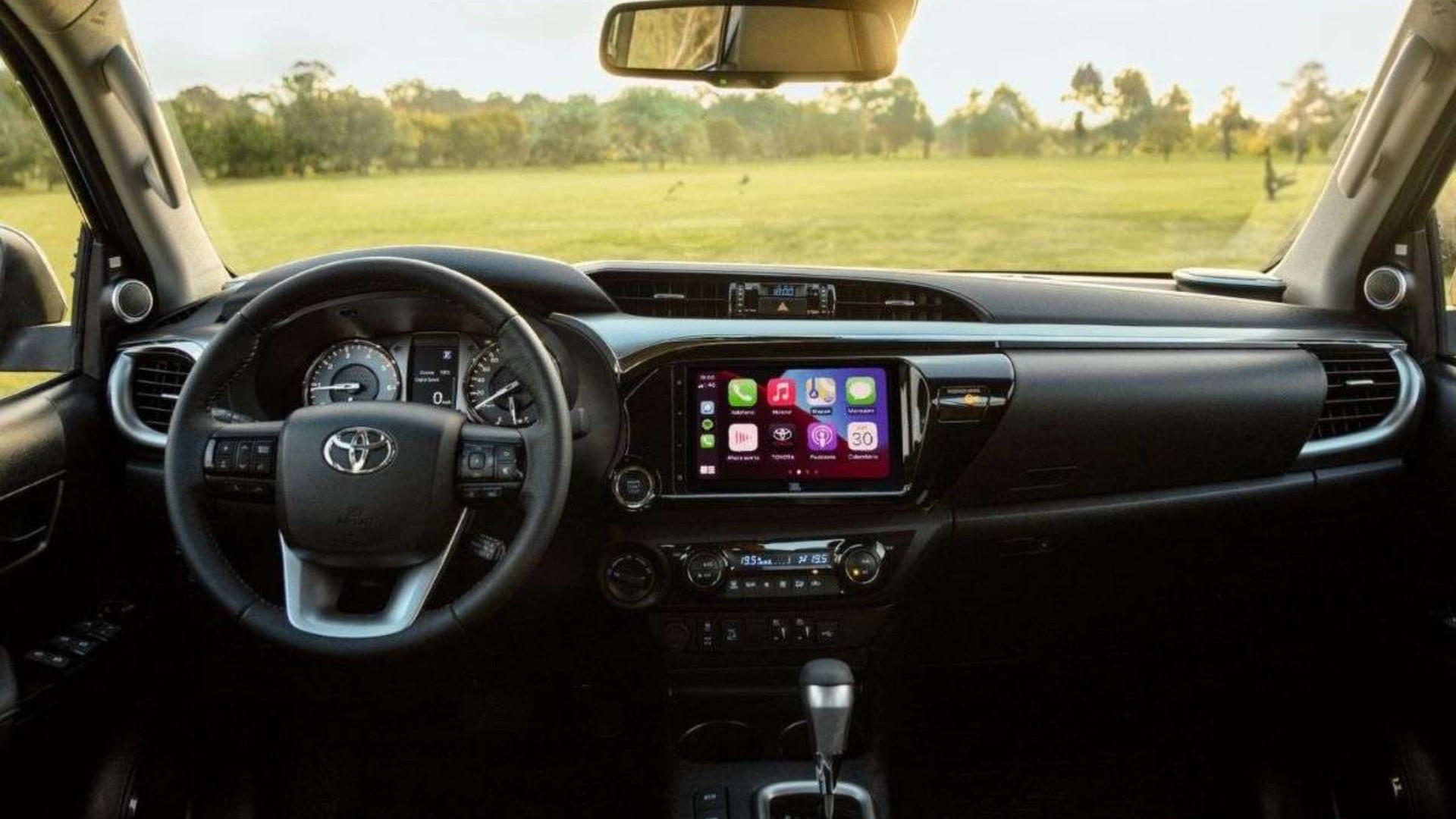
The Toyota Hilux is R$ 75.5 thousand cheaper and bets on the 2.8 turbodiesel engine with up to 204 hp and 50.9 kgfm to catch up with the VW Saveiro, which leads with 4,472 sales.
-
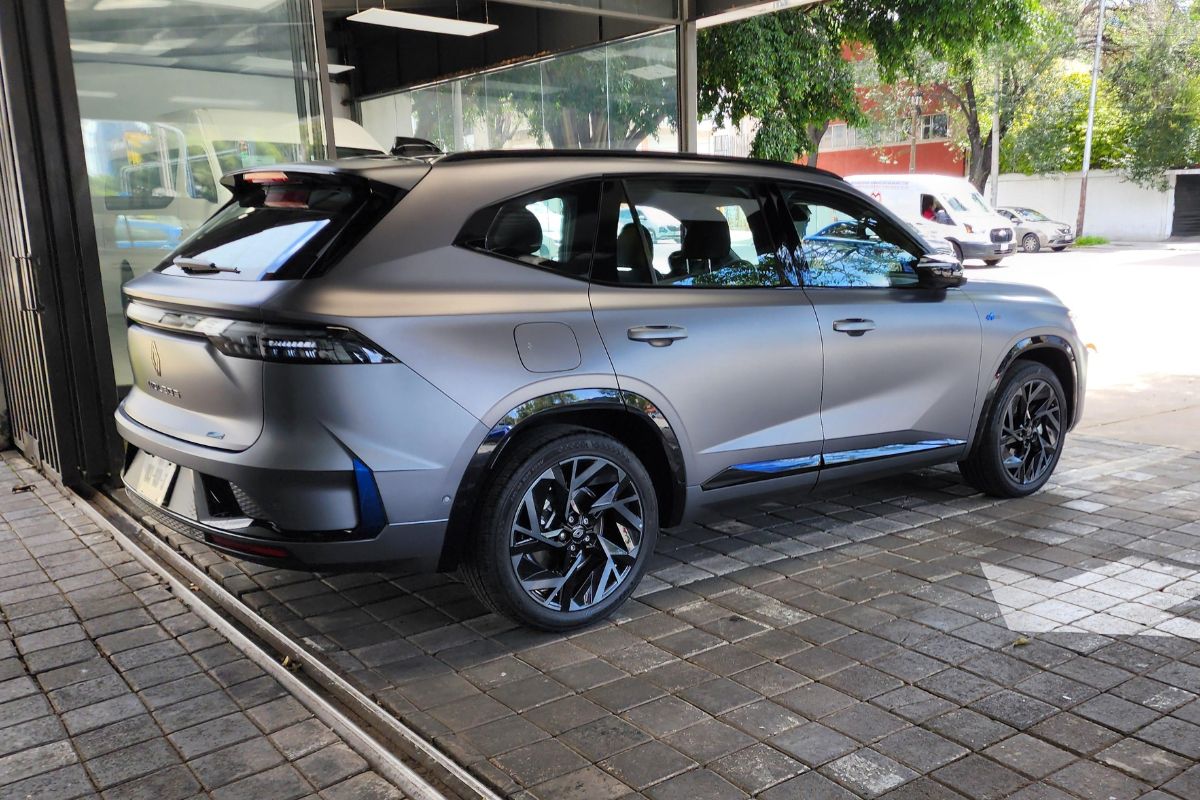
The new Renault Koleos has a screen exclusively for the passenger that is invisible to the driver, heated rear seats, and 29 assistance systems, but its Chinese competitors cost R$ 40,000 less and deliver more power.
-
The car stored for 38 years: when opening the barn door, what appears is breathtaking and looks like a scene from a movie!

-
Fiat works miracles in the Brazilian market, lowers the price of its 0 km hatch to R$ 69,990, reestablishes the model as the cheapest car in the country, and reignites the battle against Kwid and C3.

The introduction of the bi-iodine system (H4 bulbs) represented a monumental technical advancement. This technology provided a much whiter, intense light with better definition, both in low and high beams. For a vehicle measuring nearly six meters in length and weighing 1,838 kg, seeing farther and clearer was not a luxury but a safety necessity that Ford implemented before any other manufacturer in the country.
Royal Comfort: Air Conditioning And “Velvet Sofa”
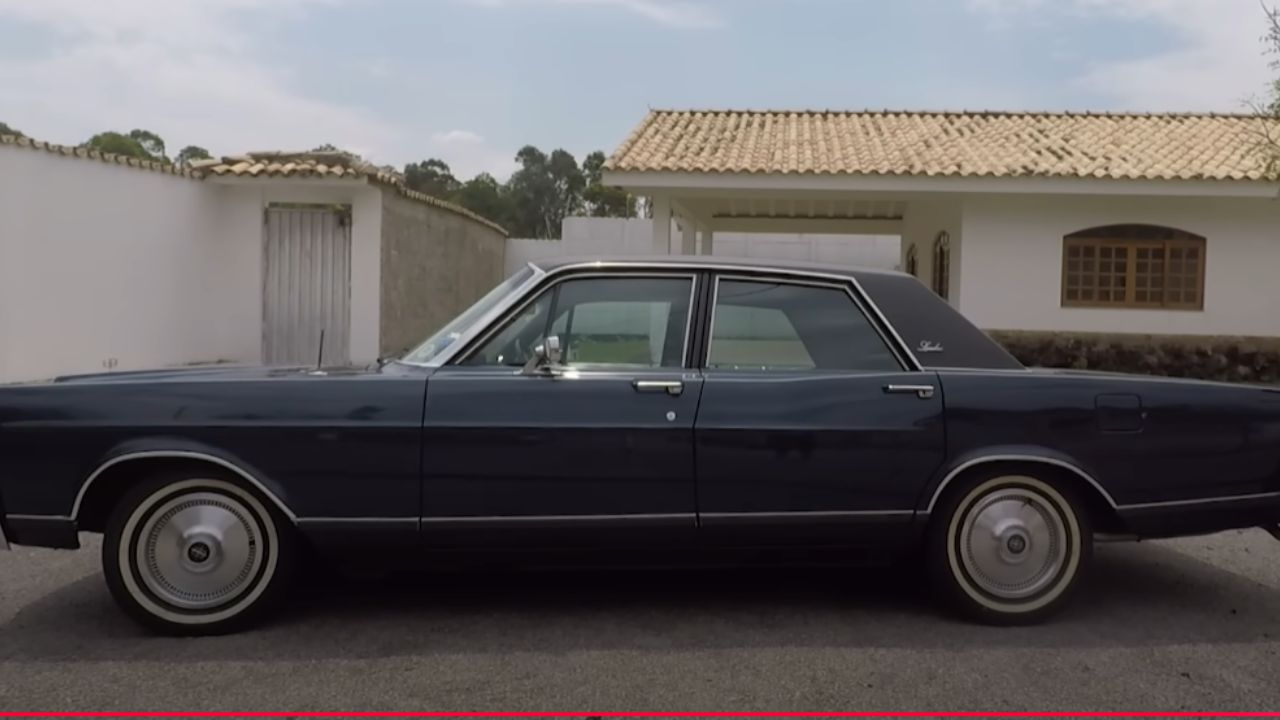
If lighting was a technical highlight, the interior was what justified its price. The Ford Landau 1982 came standard with integrated air conditioning in the dashboard. As emphasized by Canal Opinião Sincera, this item, now common, was an extreme luxury in the 1980s, defining the benchmark for a “fully-equipped car” and being one of the main reasons for its price equivalence with current luxury models.
The refinement did not stop at the climate control. The interior finish was a category apart. The seats, both front and rear, were one piece, accommodating six occupants (three in front and three in the back), and covered in a blue velvet described as “soft as a plush teddy bear”.
Canal Opinião Sincera classifies the Landau’s rear seat as “the most comfortable in automotive history“, surpassing even modern models in sheer coziness.
Every detail was crafted for silence and sophistication. The dashboard was made from soft touch material, the 548-liter trunk was entirely lined with carpet (no visible metal), and even the front wind deflectors had their own cranks for opening, a detail of refinement that has been lost over time.
The V8 Heart: Power And Smoothness When Driving


To move the nearly two-ton sedan, Ford utilized the robust 5.0-liter V8 302 engine. This engine, the same used in icons like the Maverick, delivered 199 horsepower and a massive torque of 39.8 kgf·m at just 2,400 rpm. The low-end power was key to the driving experience: the car glided effortlessly, with vigorous accelerations for the time, going from 0 to 100 km/h in 15.3 seconds.
The onboard experience, according to the evaluation by Canal Opinião Sincera, was surprising. The three-speed automatic transmission, with a lever on the steering column, shifted “smoother than many modern automatic transmissions“.
Combined with the “ultra-light” power steering and comfort-focused suspension, the Landau delivered a “boat-like” floating sensation, isolating occupants from road imperfections in a unique way.
Of course, all this luxury and weight came at a cost at the fuel pump. Although Canal Opinião Sincera classified the fuel consumption as “surprising” for its size, the numbers were those of a classic V8: averages of 4 km/l in the city and 7 km/l on the highway, running exclusively on gasoline. A small price to pay for the status of driving Brazil’s most luxurious car.
Do you agree with this change? Do you think it impacts the market? Leave your opinion in the comments, we want to hear from those who live it in practice.





-

-

-

-

-

-

39 pessoas reagiram a isso.