





 Portuguese
  English
  Spanish
  3 min of reading
  0 comments


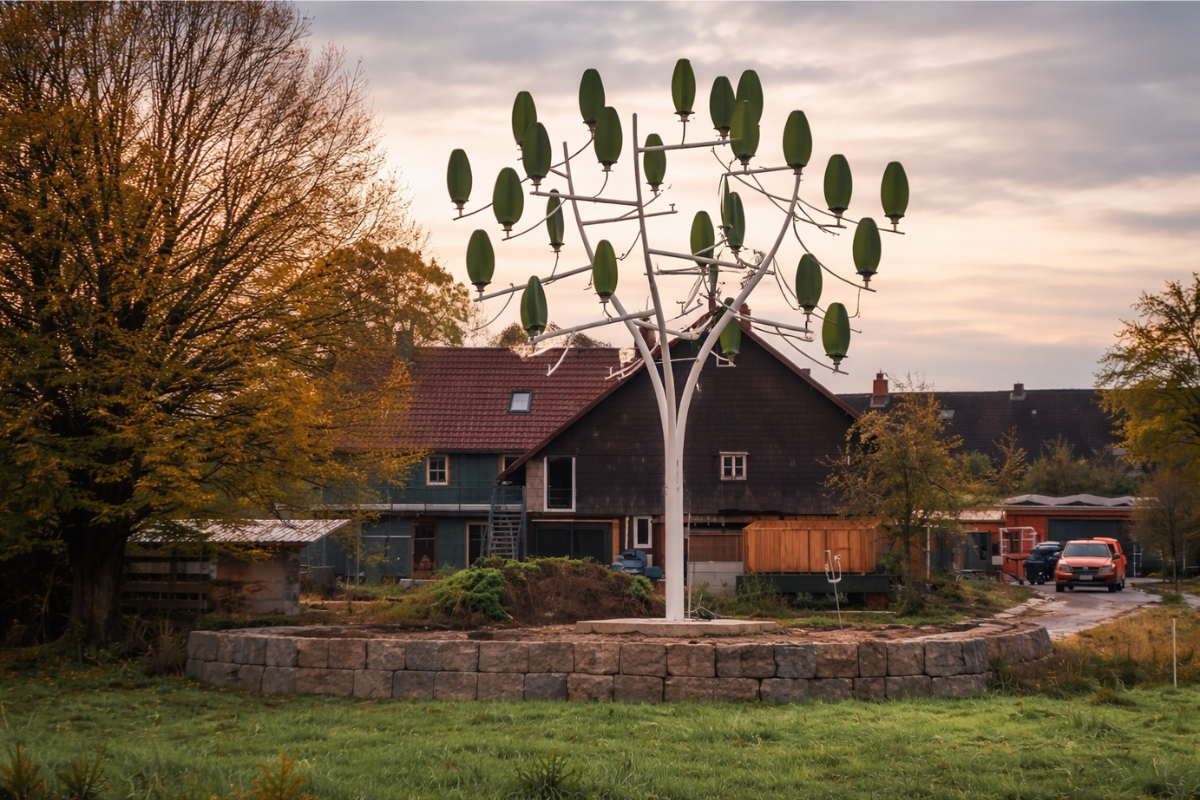
Inspired by urban microgeneration solutions, a German invests around 70,000 euros in a tree-shaped wind turbine with 36 independent turbines and a proposal for almost silent operation to seek total energy independence in the coming years.
A resident of Lower Saxony, Germany, caught attention by installing a “wind tree” with 36 microturbines in his garden. The equipment is designed to generate energy in a distributed manner and achieve a theoretical power of 10,800 watts, a number sufficient to attract those seeking more autonomy in electricity consumption. The proposal combines technology, visual appeal, and the growing desire to reduce dependence on the traditional grid.
The system stands out not only for its promised performance but also for its unusual shape. Instead of the classic look of conventional wind turbines, the structure resembles a metallic tree with small “leaves” capable of capturing wind and converting it into electricity. The idea is to offer a solution more suited to urban and residential areas, where noise, aesthetics, and available space weigh heavily in the investment decision.
How the structure that mimics a tree and produces electricity works

The so-called wind tree is almost 10 meters tall and supports compact turbines on its “branches.” Each of these units operates independently, meaning that if one fails, the others continue to operate normally. This model was designed to ensure greater continuity in generation and better utilize air currents at different times of the day.
-
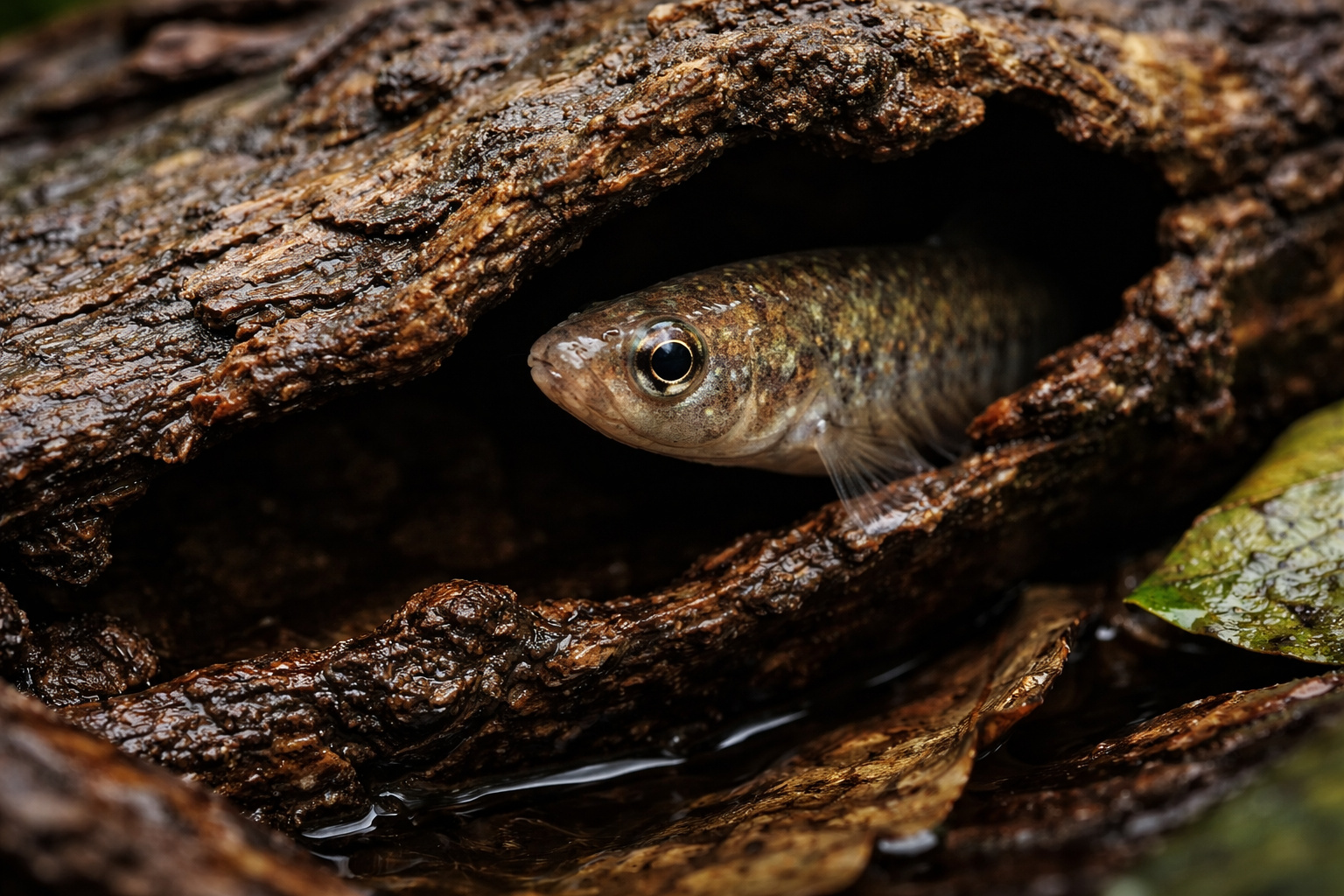
Brazilian fish that lives out of water and hides inside dry logs intrigues scientists and reveals one of the rarest adaptations of mangroves.
-
The Brazilian Navy puts on a show in a complex operation in the Atlantic and rescues an African ship adrift for almost 60 days, with 11 crew members, a rudder failure, no communication, environmental risk, and a mission 1,200 km from the coast.

-
A 68-meter tower, which housed a historic brewery in the heart of Germany’s port, balances on a small base and uses activated core concrete for cooling that reduces the need for air conditioning.

-
For decades, a 50-kilometer ring structure in the middle of the Sahara has puzzled scientists: visible from space, it reveals layers of millions of years and turns the desert in Africa into a geological mystery.


Another important point is that these microturbines start to spin with winds of around 2.5 meters per second, a level considered low compared to many traditional wind systems. According to the manufacturer’s proposal, the operation is almost silent, an essential feature for residential applications. This makes the technology more attractive for those who wish to produce energy without compromising the comfort of the surroundings.
Solar energy and wind: the combination to seek total independence

In the case of the German owner, the wind tree was not installed as the only source of generation. He already had two photovoltaic systems of up to 10,000 watts each and began to see wind energy as a strategic complement. The logic is simple: when the solar panels produce less, especially at night or during winter periods, the wind can continue to contribute to maintaining the electricity supply.
The ultimate goal is ambitious and quite symbolic for the current debate on energy efficiency. The aim is to achieve total self-sufficiency by 2029, covering the demand of the residence, office, and even the electric car, without relying on the traditional electricity bill. This combination of different renewable sources reinforces a trend that is gaining strength in various countries: producing locally to spend less and have more control over one’s consumption.
The high cost reignites the debate on the real profitability of mini-wind energy
Despite the visual impact and innovative proposal, the factor that weighs most in this discussion remains the necessary investment. The complete installation costs around 70,000 euros, including the concrete base, structure, and electrical components. Although the height of less than 15 meters has exempted it from construction permits in this region of Germany, this does not eliminate the main question: does the financial return really compensate?
The answer depends primarily on the actual wind conditions at the location. In favorable areas, the technology can serve as an interesting reinforcement within a hybrid generation system. In regions with low incidence of constant winds, the payback tends to be slower and may lag behind alternatives such as residential solar energy, which today often presents a more predictable relationship between cost and benefit. Even so, the wind tree demonstrates how the domestic microgeneration market continues to seek solutions capable of combining innovation, sustainability, and energy independence.








Seja o primeiro a reagir!