





 Portuguese
  English
  Spanish
  4 min of reading
  0 comments


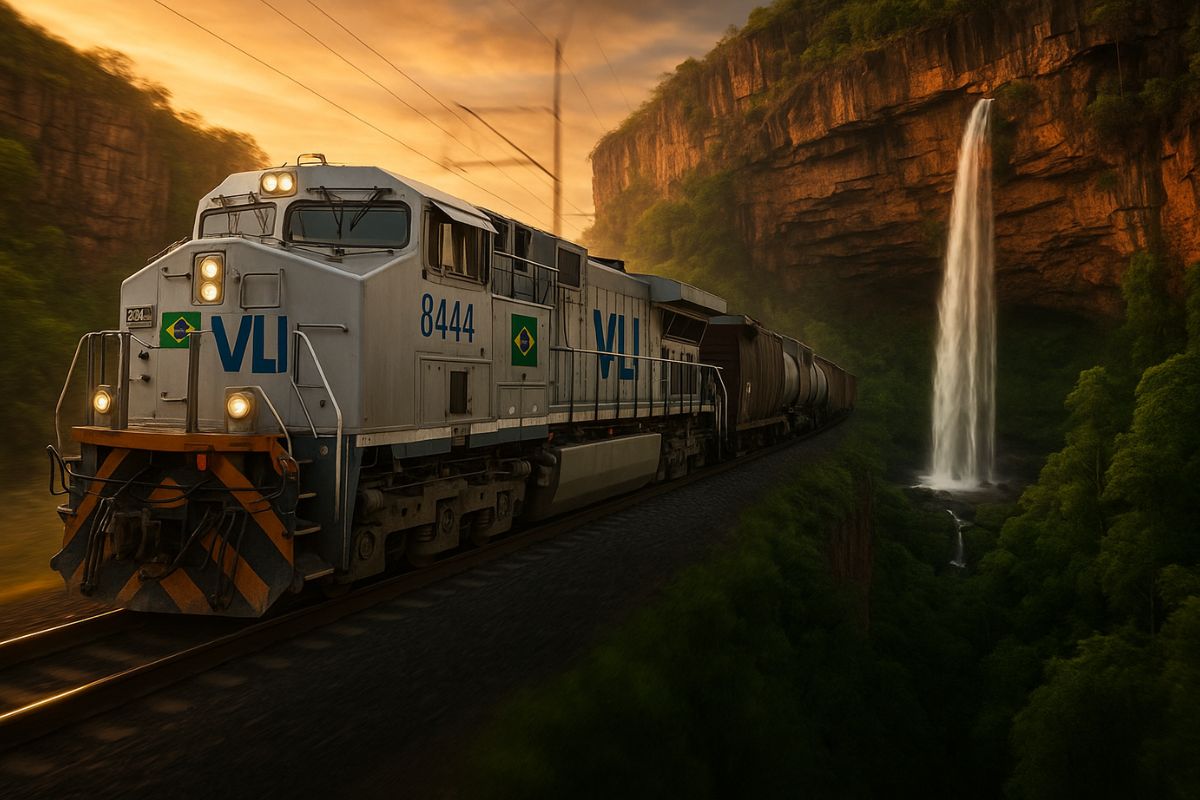
With 35% of the works completed in April 2025, the giant railway FICO, built by Vale, promises to revolutionize the flow of production in the Araguaia Valley.
The construction of this giant railway is made possible by an innovative financing model and has strong political alignment among the governments. With a completion forecast for 2028, FICO promises to drastically reduce transportation costs and increase the competitiveness of Brazilian exports, rebalancing the transportation matrix, which is currently dependent on highways.
One of Brazil’s most strategic infrastructure projects, the Midwest Integration Railway (FICO), is moving forward at an accelerated pace. With a total estimated investment of R$ 10.2 billion, the construction of its first section is positioned to become a transformative logistical artery for the agribusiness sector in one of the country’s last agricultural frontiers, the Araguaia Valley.
What Is FICO and What Is the Route of This Giant Railway?
FICO, officially designated as EF-354, has its first section as a 363-kilometer link connecting the municipality of Mara Rosa, Goiás, to Água Boa, Mato Grosso. Its strategic function is to connect the Araguaia Valley, a region of high productivity, to the national railway network through the North-South Railway (FNS).
-
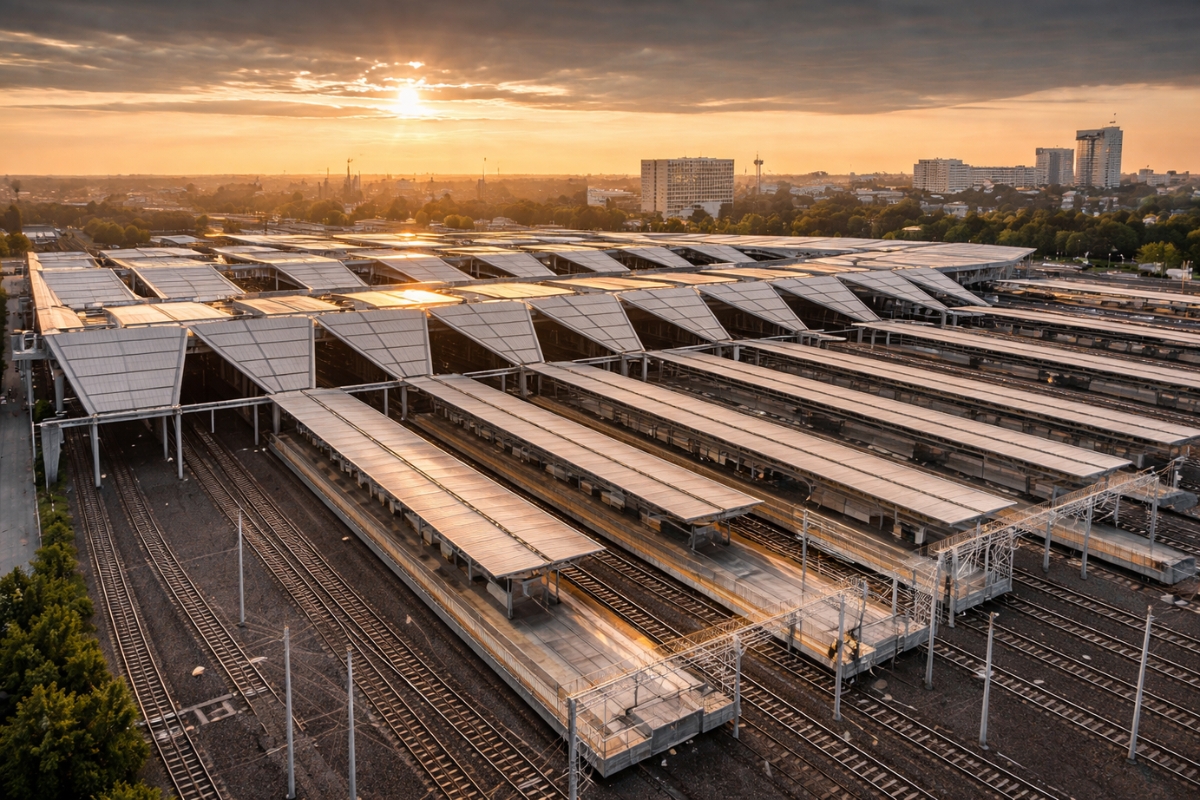
In A European City, The Country’s Largest Railway Junction Was Modernized Without Closing Its Doors, Kept Trains Running During Years Of Construction, Now Serves Up To 60,000 Passengers Per Day, And Installed Solar Panels That Generate About 30% Of Its Energy
-
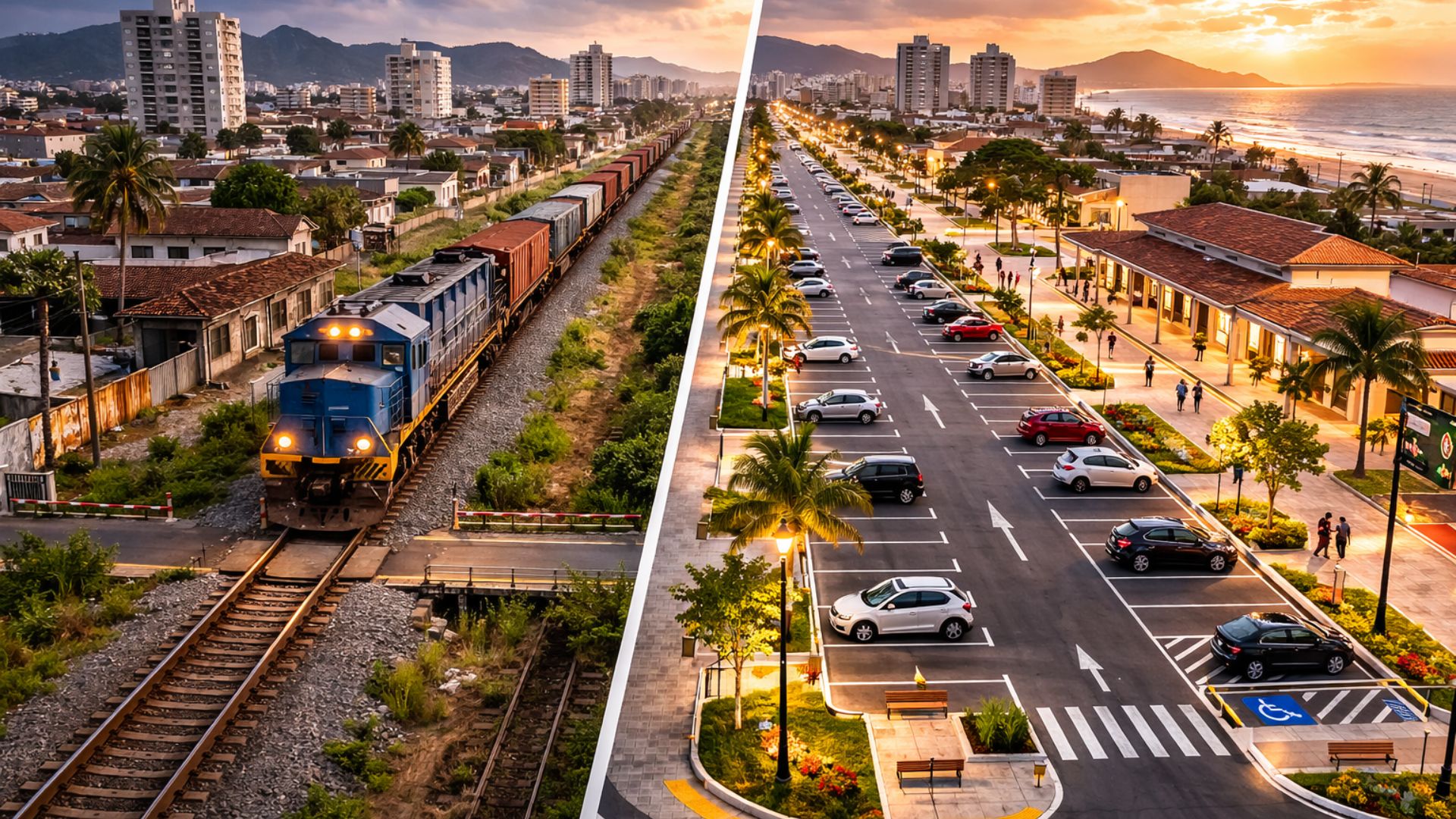
Famous Brazilian Railway May Become a Parking Lot
-
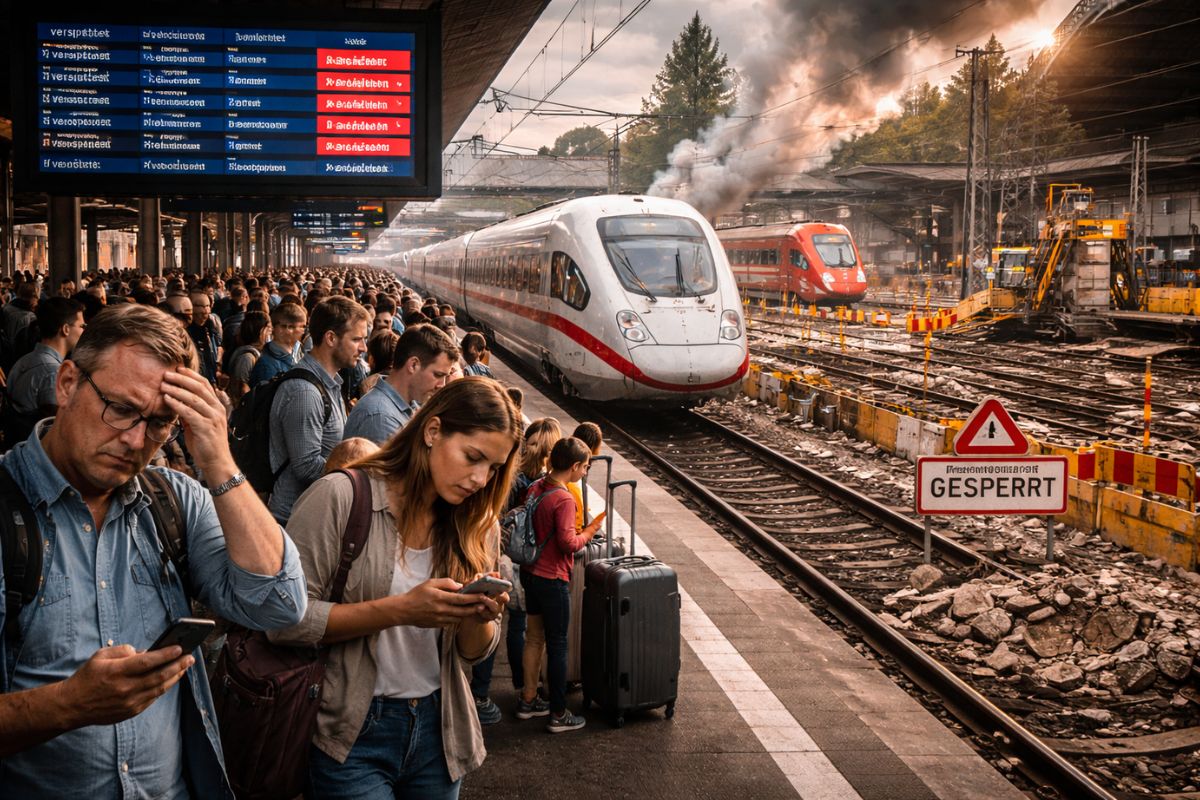
The Country of “Punctual As a Train” Admits It Has Lost Control: High-Speed Trains Delay, Stop, Disappear from the Map and Turn 6-Hour Trips into 10, While Deutsche Bahn Promises Restructuring in 2026 But Faces 19th Century Infrastructure, Staff Shortages and Sections Closed for Months
-
With an Investment of R$ 700 Million in One of the Country’s Main Rail Networks, VLI Reinforces Infrastructure, Receives 8 New Locomotives, and Expands the Corridor Connecting 7 States, Boosting Jobs and the Transportation of Grains, Ore, and Oil Products to the Port of Santos
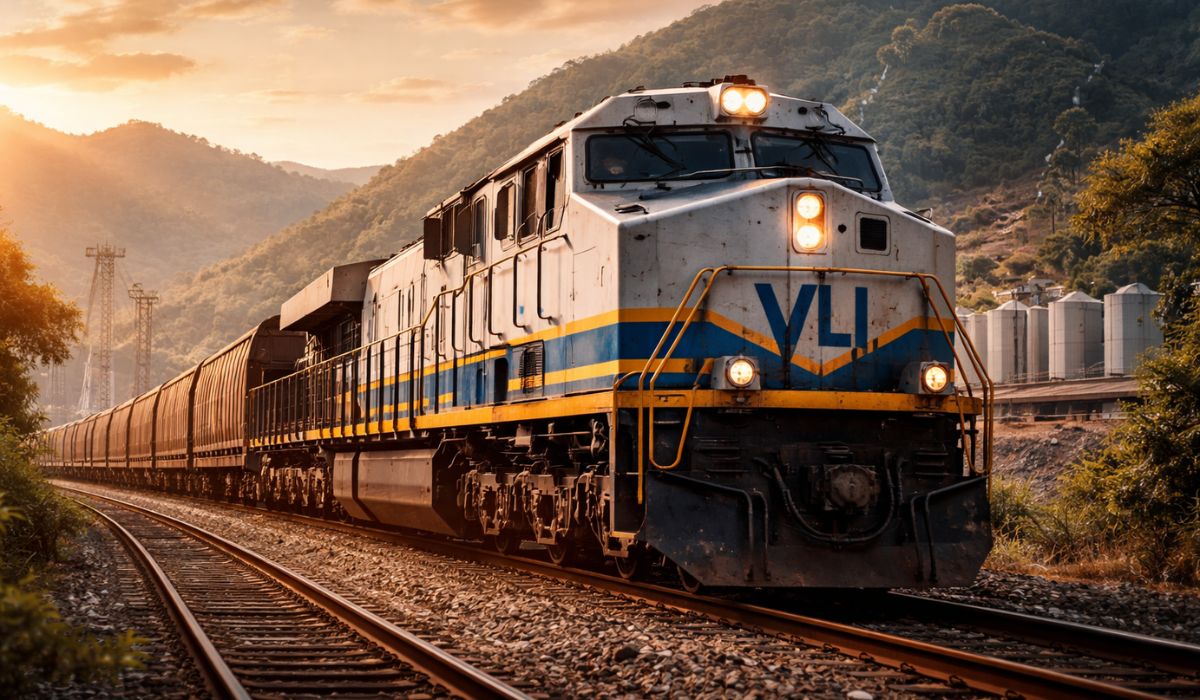

This connection is essential as it opens routes for the flow of agricultural production to high-capacity ports, such as the Port of Santos (SP) and the São Luís Port Complex (MA). In the long term, FICO is a key piece in the Transoceanic Railway project, which aims to create a logistical corridor from the Atlantic to the Pacific.
The Cross-Investment Model: How Vale Finances the Project
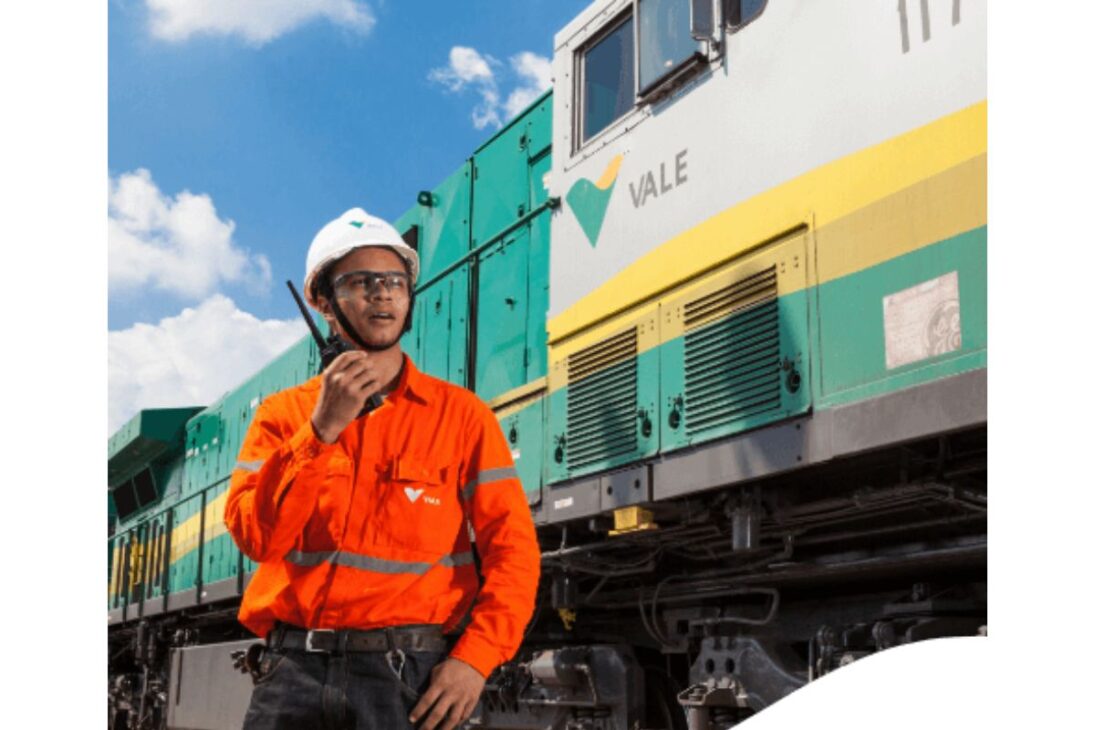
The financing of FICO utilizes an innovative “cross-investment” model, made possible by Law No. 13,448/2017. The builder of the project is Vale S.A., which is investing R$ 2.73 billion as a counterpart for the early renewal of its concession for the Vitória a Minas Railway (EFVM).
Instead of paying the grant amount in cash to the government, Vale “pays” by delivering the giant railway completed. However, the management of the asset belongs to the state-owned Infra S.A. (successor to VALEC), which, after the completion of the works, will auction the operation of the railway to a private company.
The Progress of the Works in 2025: 35% Completion and Overcoming Bottlenecks
The pace of construction has been remarkable. According to data from the National Land Transport Agency (ANTT), the physical advancement of the work jumped from 9.87% in October 2023 to 35.65% in April 2025. This acceleration was possible after overcoming one of the largest bottlenecks in infrastructure projects: the clearance of areas, with the completion of the expropriation process of 344 properties.
Currently, the work fronts extend over approximately 240 kilometers, with impressive figures including around 14 million cubic meters of excavations and 9.2 million m³ of embankments.
The Dispute Between Rumo and VLI for the Future of Cargo
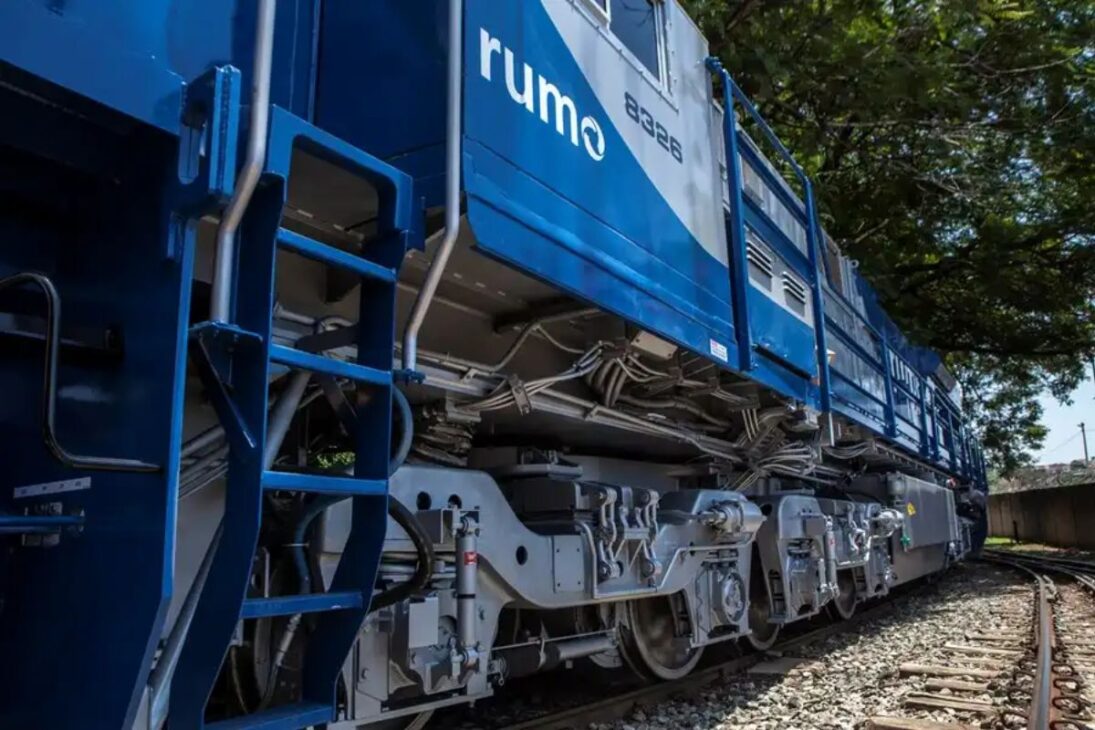
The construction of FICO has intensified competition among the two largest railway operators in Brazil: Rumo Logística and VLI Logística. The dispute, nicknamed the “railway war,” is for control of the future cargo volumes that the new railway will unlock.
VLI, anticipating the market, has already requested government authorization to build FICO 2, the next section that will connect Água Boa to Lucas do Rio Verde. Rumo, in turn, has stated that it may also request construction of the same section, signaling its intention to protect its dominant position in the region and access to the cargo that will be moved by FICO 1 to the North-South Railway, which it operates.
The Impact on 24 Indigenous Lands
Despite its economic potential, the project for this giant railway faces a critical socio-environmental challenge. Although the physical route does not directly cross any Indigenous Land (TI), studies indicate that its broader influence area indirectly affects a total of 24 Indigenous Lands in Mato Grosso and Rondônia.
The indirect risks include potential contamination of springs and tributaries of the Xingu and Tocantins-Araguaia basins. The legal and reputational issues associated with the right to Prior, Free and Informed Consultation (CPLI), as provided in ILO Convention 169, is the main point of attention for the sustainability of the project, especially after legal precedents from similar projects, such as the Ferrogrão.








Seja o primeiro a reagir!