





 Portuguese
  English
  Spanish
  4 min of reading
  0 comments


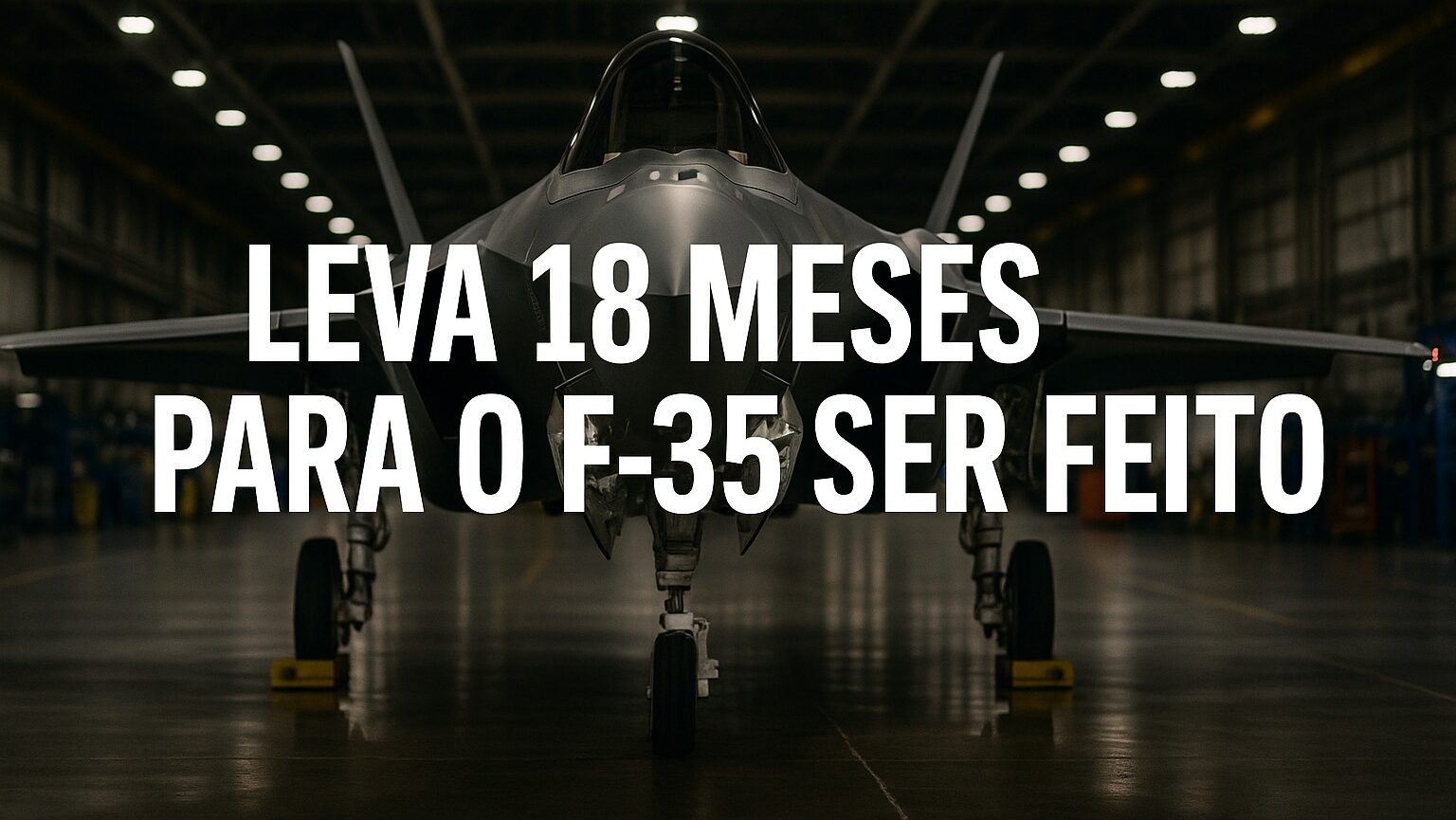
World’s Largest F-35 Fighter Factory in Fort Worth, Texas, Impresses With Its Scale, Economic Impact, and Ongoing Strategic Relevance
In Fort Worth, Texas, is located the world’s largest F-35 Lightning II fighter factory. The facility, officially known as Plant 4 of the Air Force, is owned by Lockheed Martin and covers an impressive area. It spans over 1.6 km, with workers needing bicycles and golf carts to move from one point to another.
The location operates 24 hours a day, with thousands of employees involved in each stage of assembly.
This intensity allows for more than 150 aircraft to be completed each year, all designed for combat missions in various scenarios.
-
With 74% of companies facing difficulties in hiring, technicians and engineers in renewable energy are becoming scarce in Brazil and are essential to support the expansion of solar, wind, and green hydrogen projects.

-
Historic bankruptcy of Centauro shocks the market, and the century-old company puts more than 500,000 products, machines, and complete infrastructure up for online auction.

-
New shoe factory in Ceará is expected to create 400 jobs and strengthen the local economy.
-
No one imagined it, but a mixture of sawdust with a mineral that fights fires surprises scientists with a result that changes the course of fire-resistant construction.


Detailed Production Line
The process is meticulous because each jet takes about 18 months to be ready. It all starts with the wing section, moves to the fuselage, and continues to the joining of the four main parts: tail, wings, central fuselage, and front fuselage.
As it progresses along the line, the structure takes shape and becomes recognizable as the fifth-generation fighter.
Screens indicate the destination of each aircraft, which may be for the USA, the UK, Poland, Israel, Japan, or other partner countries.

The Billion-Dollar Program
The F-35 is the most expensive weapon program in history, with a life-cycle cost estimated at over US$ 2 trillion.
This gigantic sum has already faced criticism, including from Elon Musk, when he was responsible for the Department of Government Efficiency. He and others pointed out sustainability issues and delays.
Nevertheless, the jet is recognized as a benchmark in military technology. Frequent updates keep the model competitive, ensuring its status as a fifth-generation stealth fighter.
Impact on the American Economy
According to Lockheed, the production of the F-35 generates about US$ 72 billion annually for the U.S. economy.
This result occurs because thousands of workers are spread across a network of suppliers, which keeps the program as a central piece of the defense industry.
The Texas plant also preserves its historical tradition. It had previously produced bombers during World War II, as well as the F-111 Aardvark and the F-16, two models that marked military aviation.
Deliveries and Expansion
The first F-35 came off the assembly line in 2006. Since then, more than 1,110 aircraft have been delivered to American allies on different continents.
After long delays, the factory reached maximum production last year, delivering 156 units of the A, B, and C variants.
These versions allow operations at conventional bases or deployed on ships, enhancing the program’s versatility.
Supply Chain Challenges
Maintaining production cadence is not simple. The jet has thousands of components arriving from various countries, making parts supply a significant challenge.
According to Lockheed, coordinating this global supply chain is crucial not to compromise deadlines.
This multinational model reflects the international nature of the project, as different countries participate in development and receive the aircraft.
Stealth Finish of the F-35 Fighter
In the final stage, the fighters receive their characteristic gray paint. The paint serves a strategic function as it reduces and absorbs radar signals, enhancing stealth capability.
The process is carried out in specific buildings, with hangars that can be closed during application.
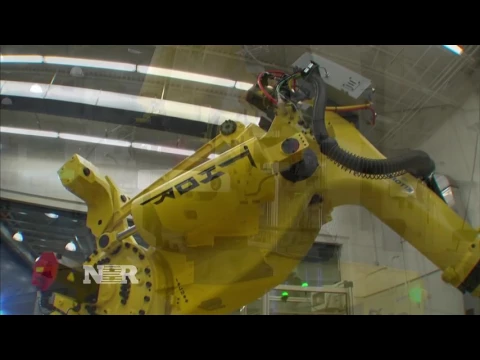
Additionally, part of the production involves automation, especially in wing construction and painting, but a significant portion still relies on the manual work of technicians.
Rigorous Testing
Before delivery, all aircraft undergo test flights. These evaluations ensure that the jet meets the required standards and is ready for operation. Only after passing are the units sent to customers.
Although Fort Worth is the main assembly line, smaller factories in Italy and Japan also produce aircraft, reinforcing the international production network.
F-35 Combat History
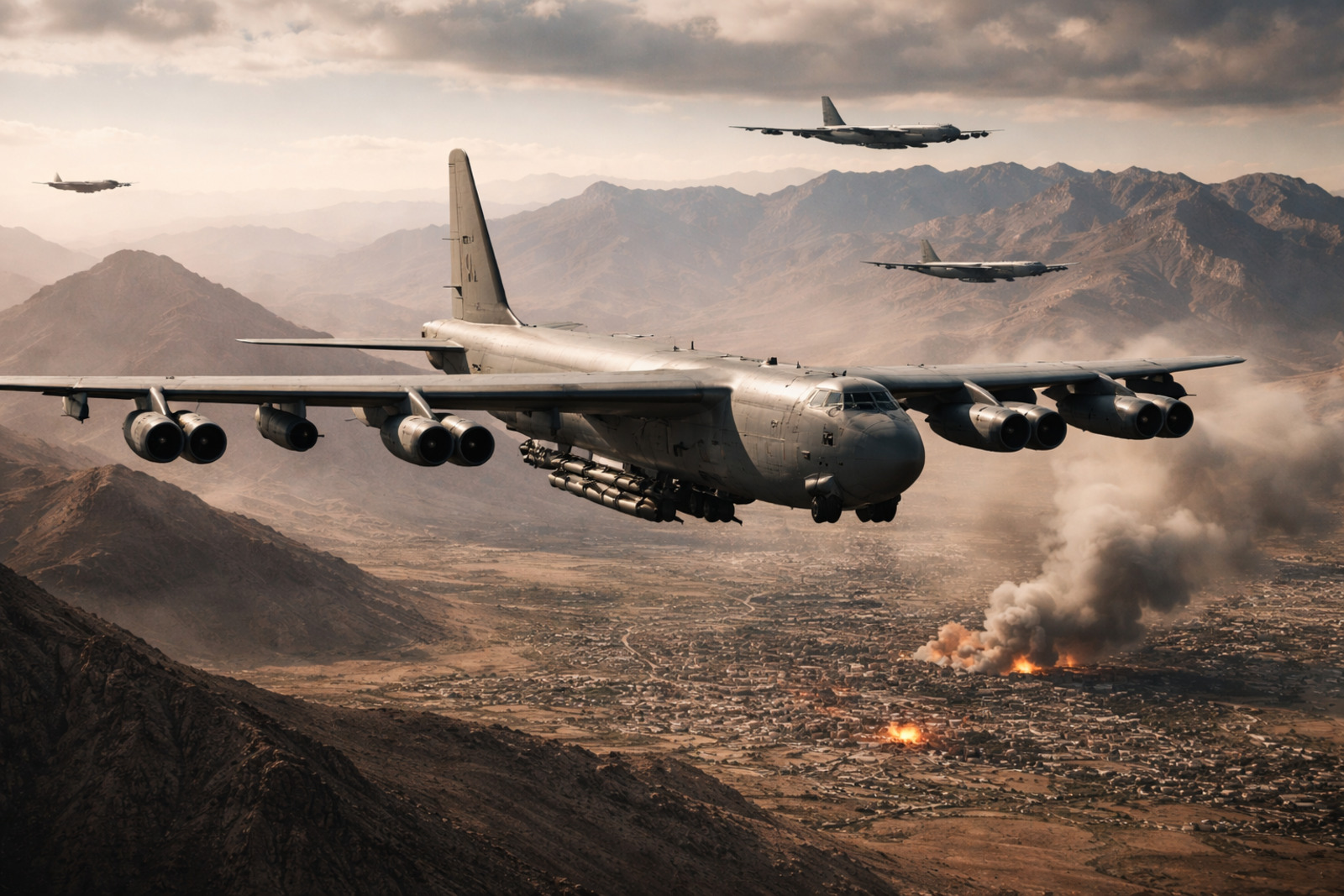
The F-35 has nearly two decades of military operation. The three variants have been used by the U.S. in missions against terrorist groups in Iraq, Afghanistan, and Yemen.
Israel has also demonstrated its capability in the field. Last fall, it employed the fighter in large-scale airstrikes against Iran, solidifying the jet’s image as a cutting-edge weapon.
A Symbol of Power
Plant 4 of the Air Force in Fort Worth showcases how F-35 production combines industrial scale, advanced technology, and economic impact.
Amid criticisms and praise, the factory continues to deliver fighters that define the military presence of the U.S. and its allies in various regions around the world.
With information from Business Insider.







Seja o primeiro a reagir!