





 Portuguese
  English
  Spanish
  3 min of reading


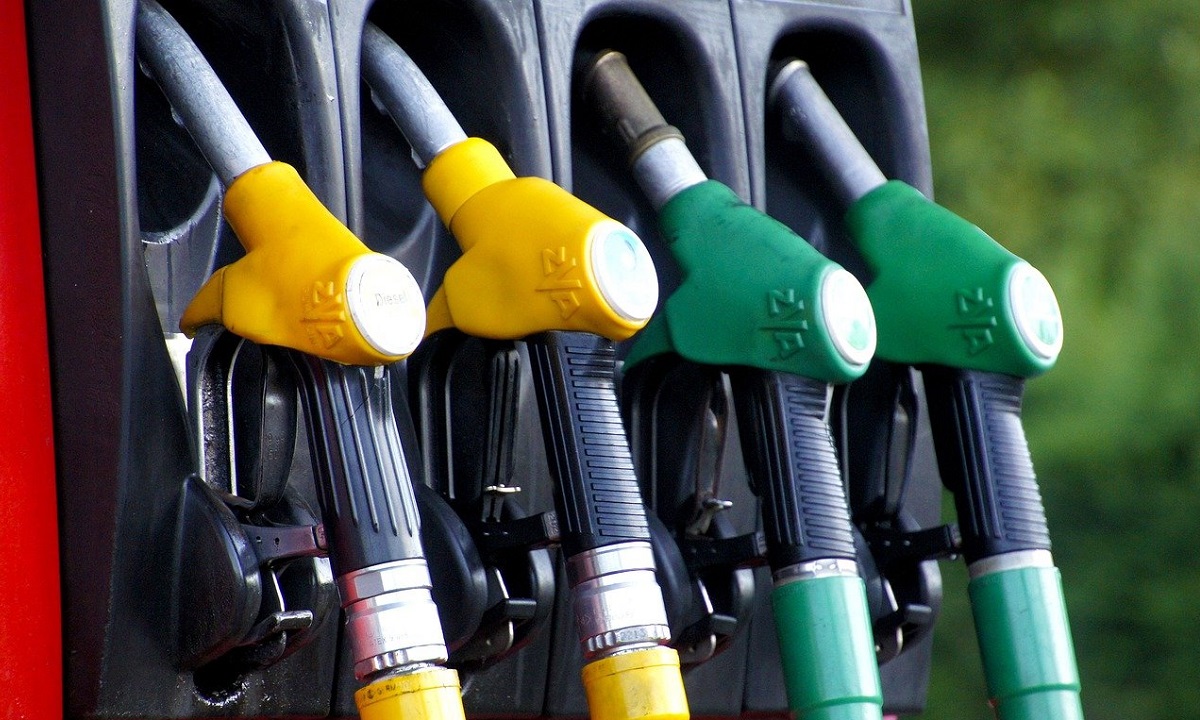
Brazil, in August 2022, Tripled the Ethanol Volumes Shipped to the World Compared to August 2021. There Were Nearly 290 Thousand m³, or 290 Million Liters of Fuel
Brazil is ‘exporting’ the ethanol crisis to Europe. The surplus of ethanol, which is not being consumed internally, is being directed to exports, for example, to Europe, even though ethanol production is declining and sugar production is on the rise.
Increase in Ethanol Exports
The alarm has already sounded at Cropenergies, a German company and the largest producer of biofuel in the European Union (EU), which threatens to shut down some plants, including one in the United Kingdom.
Together with rising energy costs and the blockade of Russian gas, the company accuses the larger influx of cheaper Brazilian ethanol. In August 2022, sales to the Netherlands, which is the gateway to the EU, reached 115 thousand cubic meters.
-
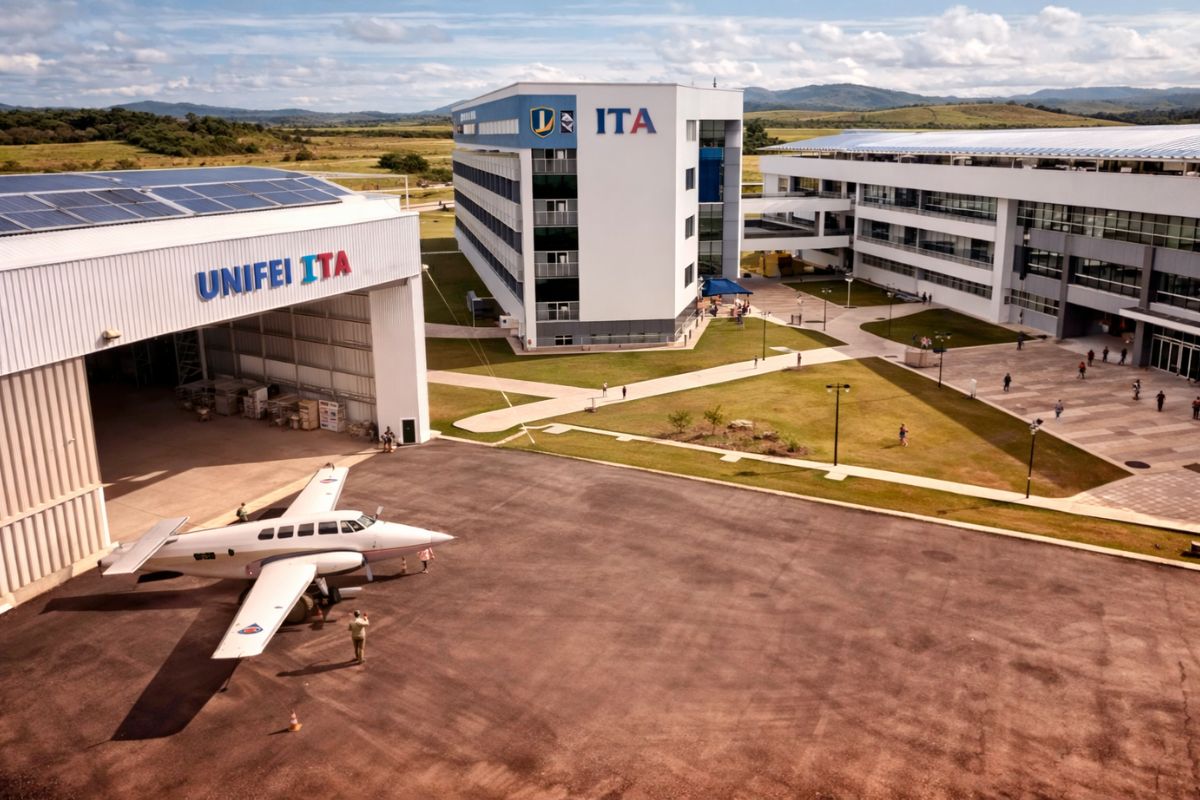
The institute that trained the greatest aerospace engineers in Brazil has just opened its first campus outside São Paulo after 75 years: ITA Ceará will have R$ 445 million, new courses in energy and systems, and classes are expected to start in 2027.
-
Luciano Hang, owner of Havan, goes to Juiz de Fora after the tragedy in February, brings R$ 1 million, hands out R$ 2,000 cards, and donates up to R$ 15,000 to victims in the region.

-
The Brazilian passport allows legal residence in dozens of countries without the need for a prior visa, and most Brazilians are unaware that they can apply for residency directly upon arriving in nations in South America, Africa, and even Europe.

-
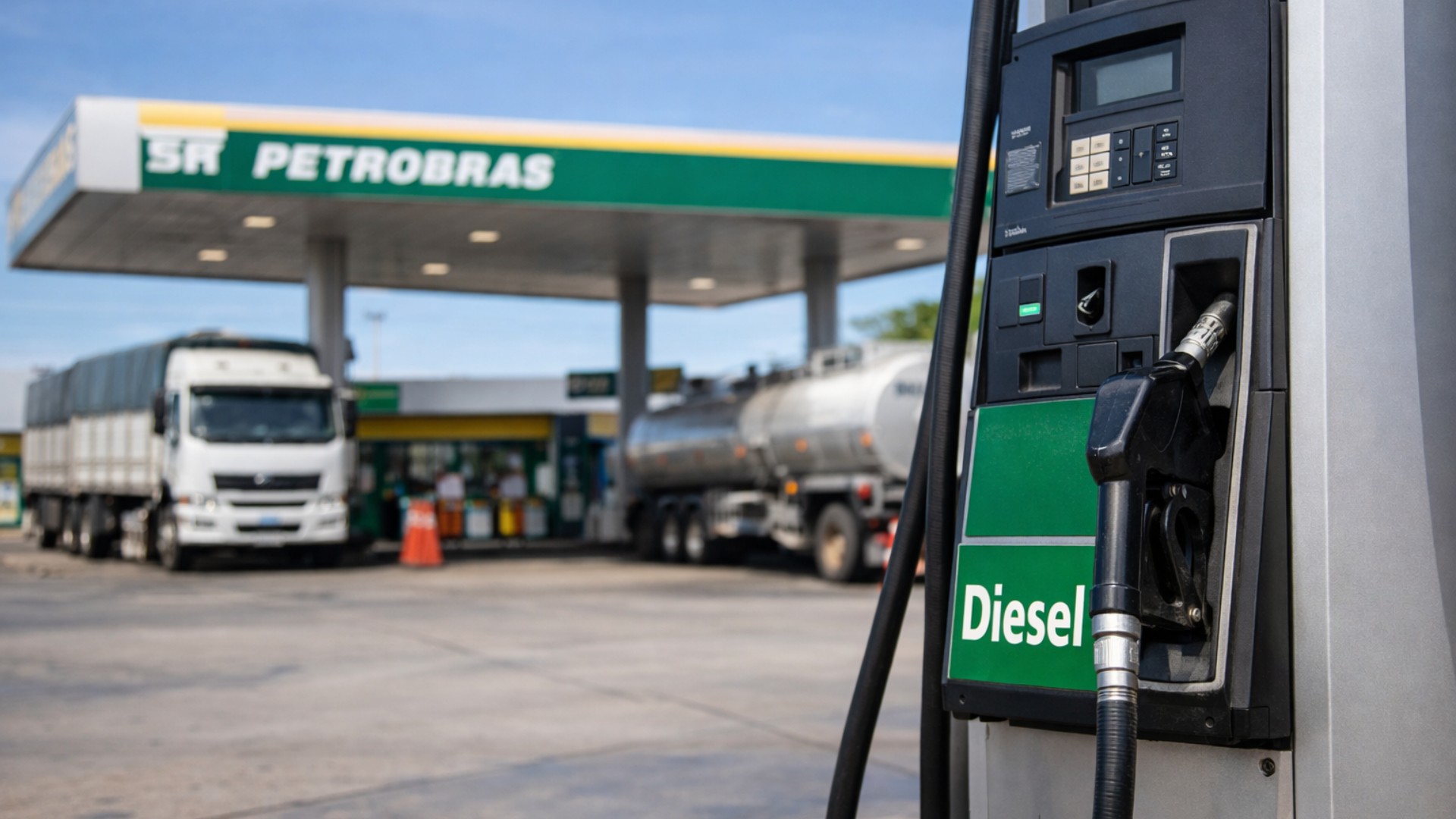
Petrobras sends a message to Brazilian truck drivers after fuel collapse and reveals plan to have 100% domestic diesel.

In August 2022, Brazil tripled the volumes shipped of ethanol to the world compared to August 2021. There were nearly 290 thousand m³, or 290 million liters of fuel. Compared to July, the volume increase reached 110 thousand m³ of ethanol.
In the first seven months of 2022, a total of 1.224 million m³ of ethanol was recorded, while in the entire year of 2021 shipments were 1.93 million, 27% lower than in 2020.
If in September the increase in exports is significant, with the biofuel losing ground to gasoline, which has been happening since the reduction of ICMS and the discounts given by Petrobras (PETR4), at least a tie should be achieved in the annual comparison.
Understand the Energy Crisis in Europe
The energy crisis in Europe has forced giants of the European industry, such as ArcelorMittal, Alcoa, and Arc International, to lay off workers and reduce production. Industrial production in the eurozone fell by 2.3% in July compared to the same period in 2021, the largest decline recorded in over two years.
The steel multinational ArcelorMittal, for example, as soon as it announced the cuts, stated that it would close some units in Germany and Spain. The steelmaker uses energy intensively in its blast furnaces, producing more than 3.65 million tons per year in both countries.
Reiner Blascheck, CEO responsible for the headquarters in Germany, stated that the high costs of gas and electricity are putting strong pressure on the company’s competitiveness.
In response to the sanctions imposed by the West, the Russians are increasingly cutting natural gas distribution to the rest of Europe.
The energy minister of the Czech Republic reported that he will propose the calling of an extraordinary meeting of the European Union Energy Council as soon as possible. Meanwhile, the Portuguese government announced new measures to soften the increase in natural gas prices.
In France, which is a country highly dependent on nuclear energy, the shutdown of numerous reactors due to maintenance needs has caused the cost per megawatt-hour to rise to ten times what it was a year ago. In Germany, which is heavily dependent on Russian gas, the ongoing supply cuts by the Russian Gazprom and the expected shutdown of the Nordstream pipeline indicate a similar situation.
To complicate the situation in Europe even further, renewable energies have suffered the consequences of one of the hottest and driest summers. Rivers are at low levels, without flow to move hydroelectric plants at full capacity. Wind has been absent during successive heat waves that have hit the continent.
Read more about ethanol in Brazil:
Plants in Brazil Decide to Produce More Sugar Than Ethanol Due to Drastic Tax Cuts on Fuel
Profit from ethanol sales has dropped compared to that of sugar, leading the plants to shift their production efforts away from fuel.
The drastic cuts in fuel taxes by President Jair Bolsonaro (PL), mainly on gasoline, are expected to lead plants to avoid biofuel ethanol and invest heavily in sugar.
Check out the full article by CLICKING HERE!









Seja o primeiro a reagir!