





 Portuguese
  English
  Spanish
  5 min of reading
  0 comments


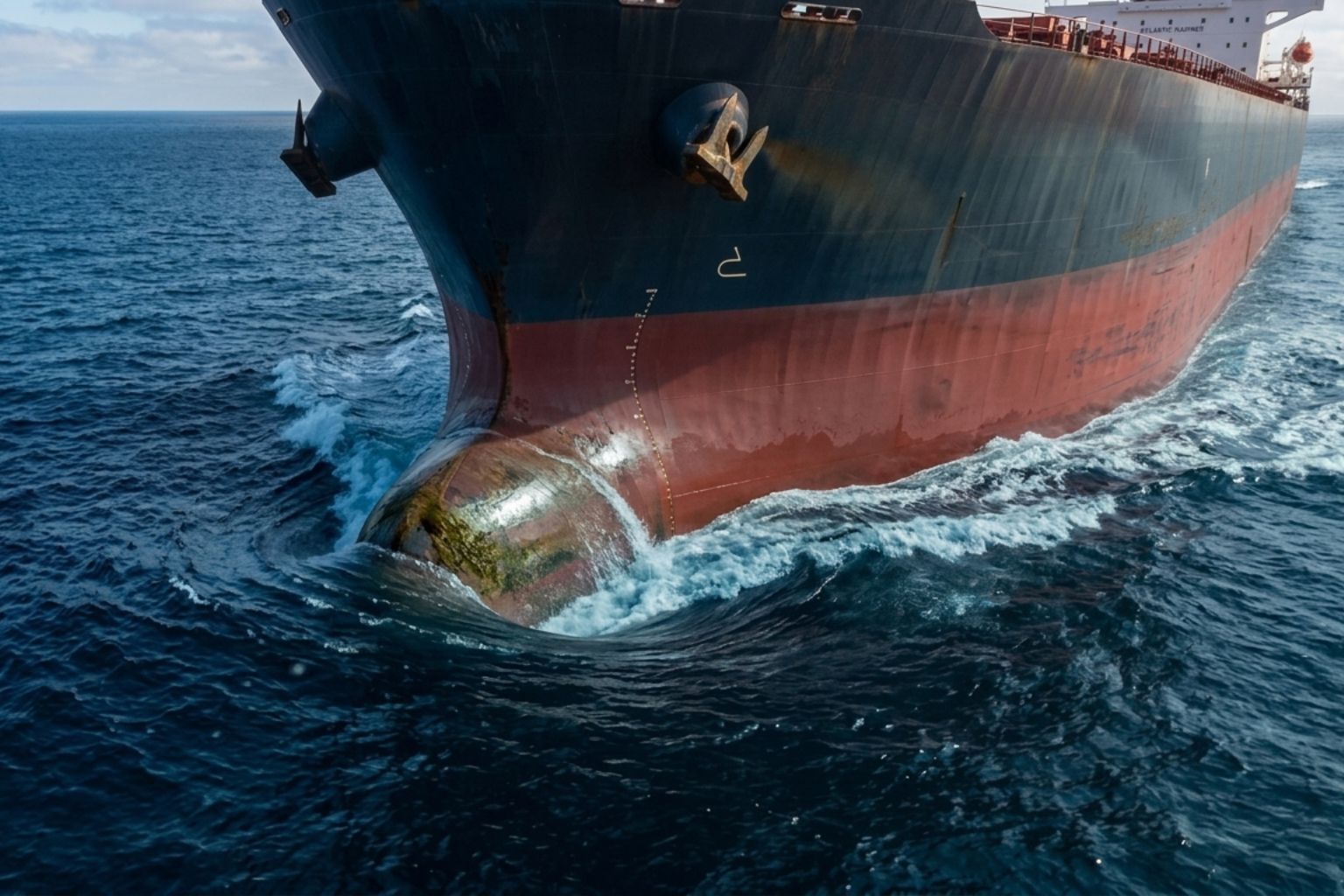
Installed piece on the bow of ships reduces fuel consumption by up to 10 thousand tons per year and revolutionizes efficiency in global maritime transport.
In efficiency initiatives adopted by Maersk and detailed by the Port of Los Angeles, a relatively simple solution has gained prominence in the maritime sector: hydrodynamic optimization of the bow, especially with the redesign of the bulbous bow, a metal structure installed just below the waterline to reduce drag and cut fuel consumption in large vessels. Maersk itself reports that it has been expanding the use of efficiency technologies in its fleet, including bulbous bows and new propellers, as part of its strategy to reduce emissions and improve operational performance.
The impact is far from marginal. In a retrofit program presented in Los Angeles, the combination of improvements that included the redesign of the bulbous bow was designed to reduce fuel consumption by more than 10% for each vessel, with estimated savings of 10 thousand metric tons of fuel per year. What appears to be a simple metal protrusion at the front of the hull is, in practice, an engineering solution capable of altering the energy performance of the entire vessel — and, when adjusted to the actual operational profile, can generate significant efficiency gains.
What is the bulbous bow and why has it changed ship efficiency?
The bulbous bow is a structure designed to modify the behavior of water in front of the ship. Instead of allowing the vessel to directly face the resistance of the water, the bulb acts as an element that interferes with the waves generated by the hull itself. When a ship moves, it creates a wave system that consumes energy.
-
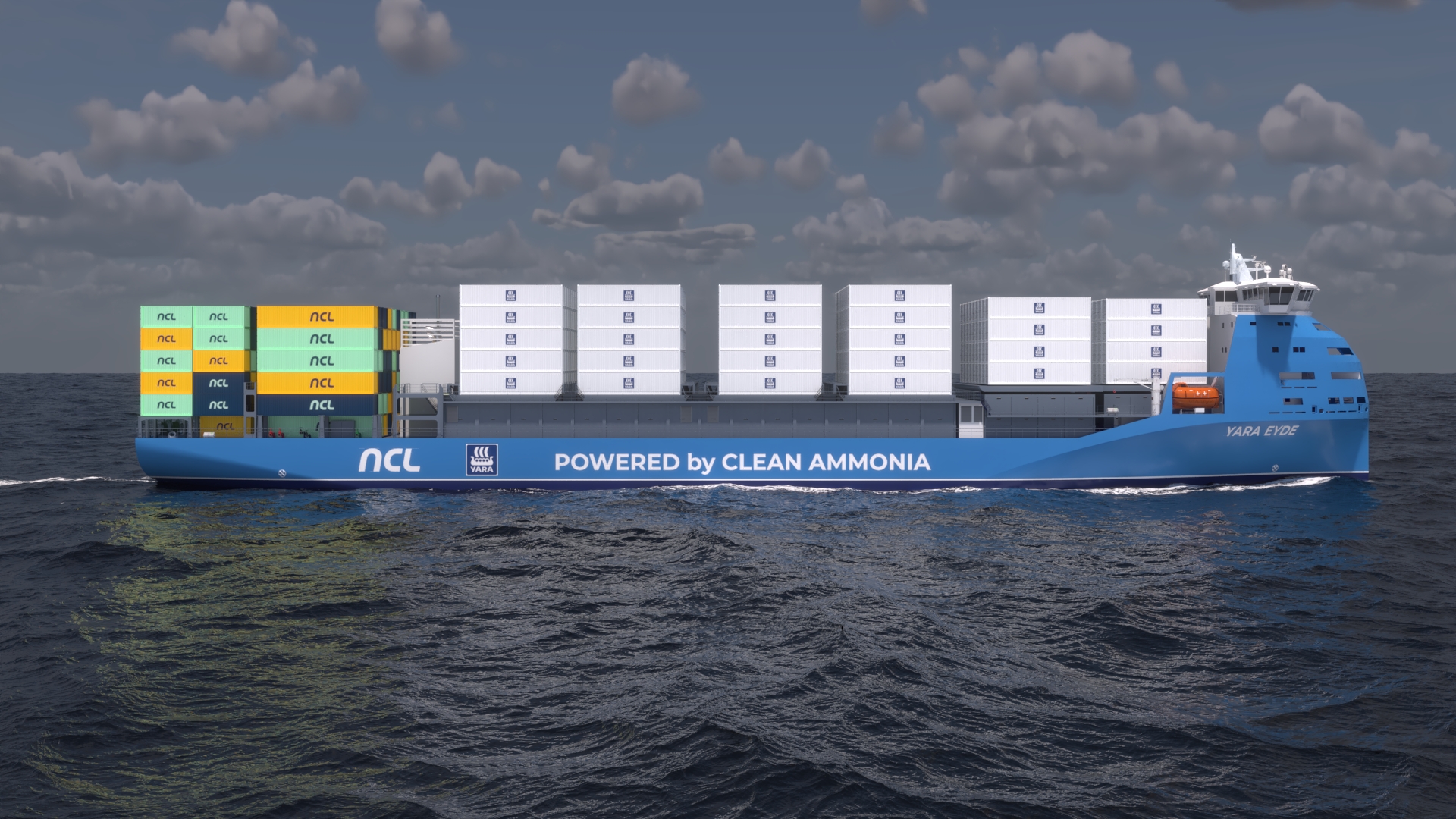
The world’s first container ship powered by renewable ammonia promises to avoid around 11,000 tons of CO₂ per year. The vessel, scheduled to operate in 2026, will connect Norway, Germany, and the Netherlands on one of the shortest and most strategic routes in Europe.
-
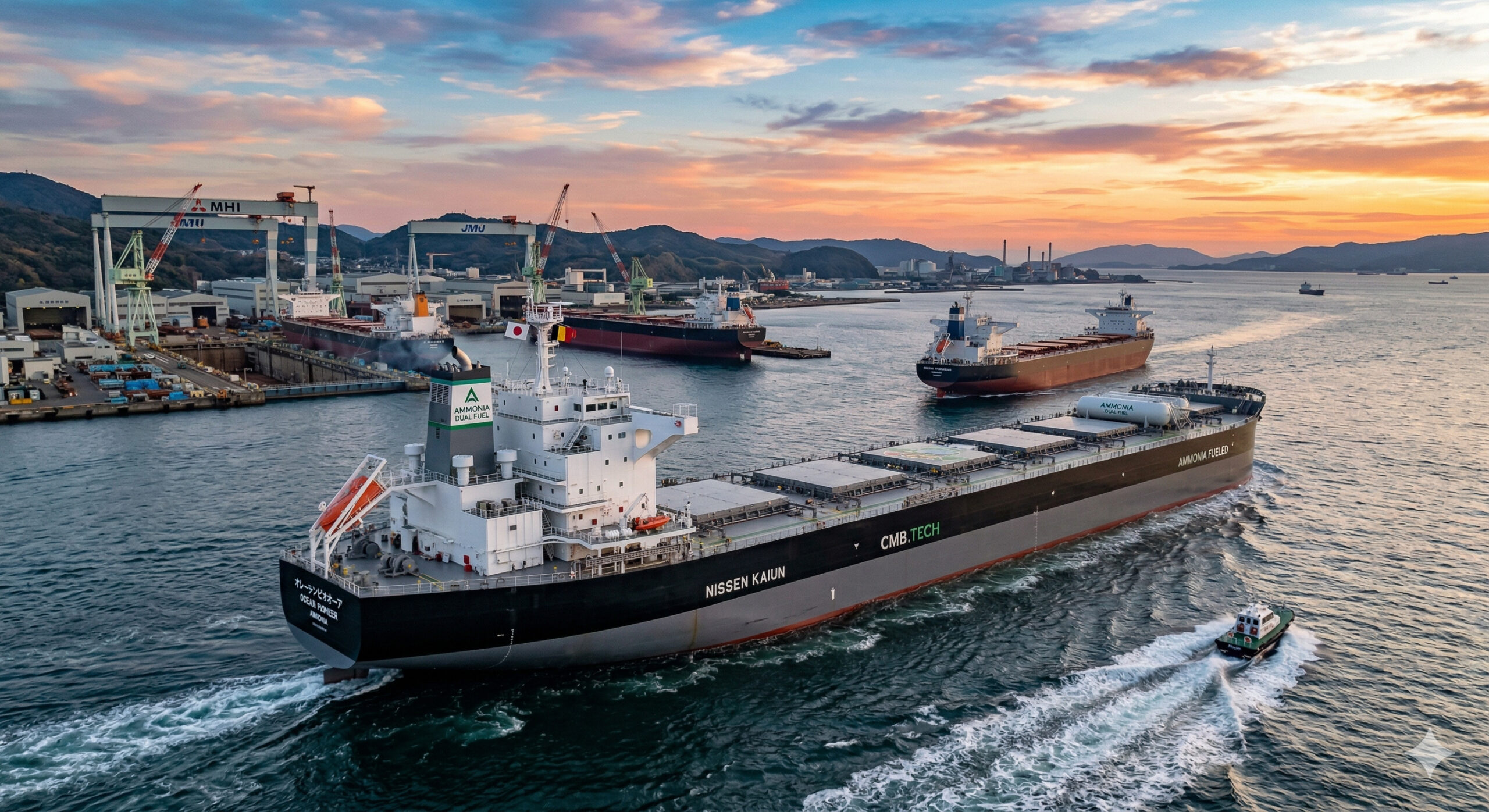
Nine giant ships of up to 210,000 gross tons equipped with dual fuel ammonia engines are being launched by Japan and Belgium. The project includes the world’s first Capesize vessels using this fuel, with contracts of up to 12 years, marking the beginning of a carbon-free ocean fleet starting in 2026.
-
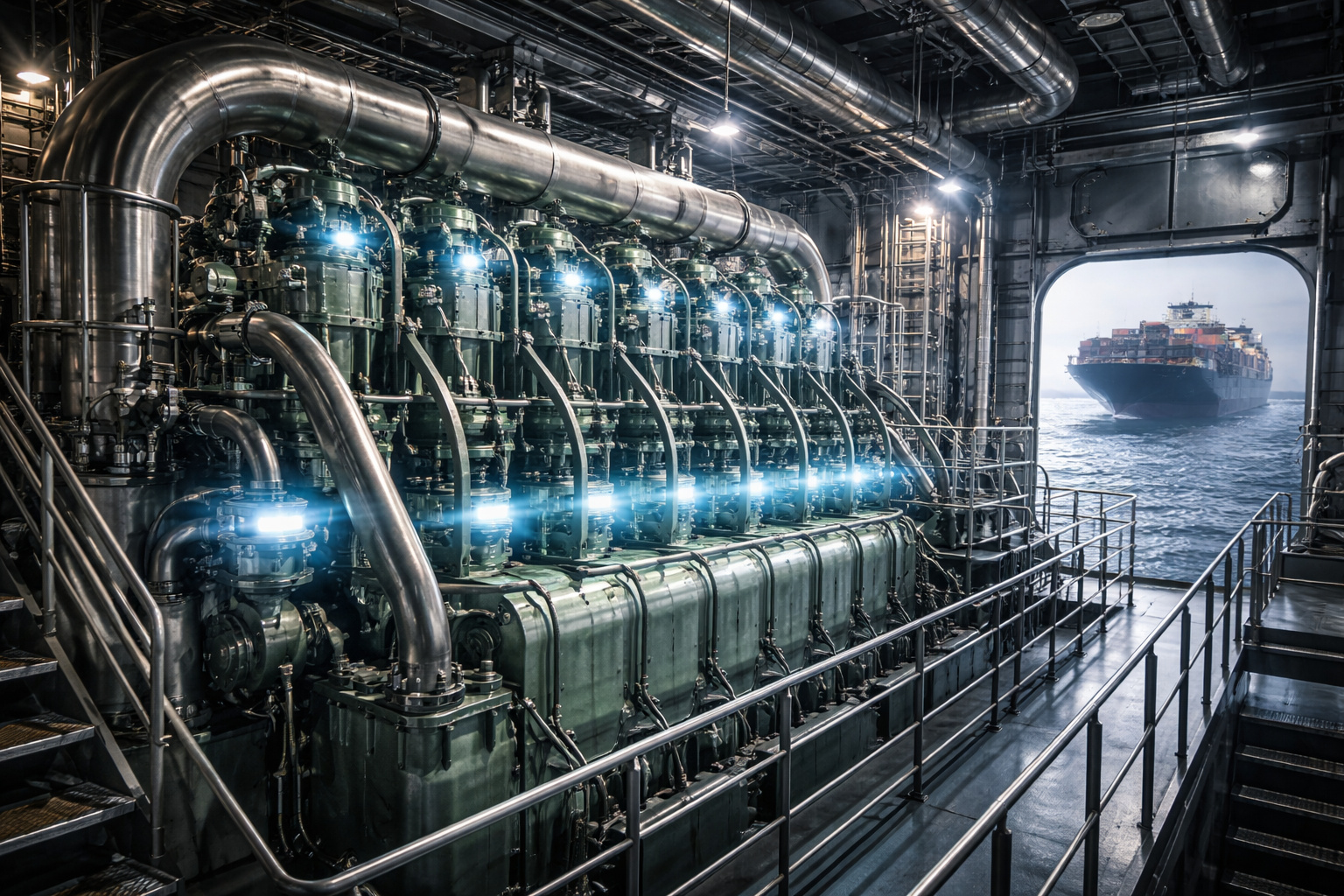
Europe is trying to create an ammonia-powered marine engine without auxiliary fuel, which could unlock the race for giant emission-free ships. The technology aims to eliminate one of the biggest obstacles to clean maritime propulsion.
-
A 4,500-ton frigate with just over 100 crew members, state-of-the-art radar, and cruise missiles is being touted as the new standard of naval warfare in the 21st century.
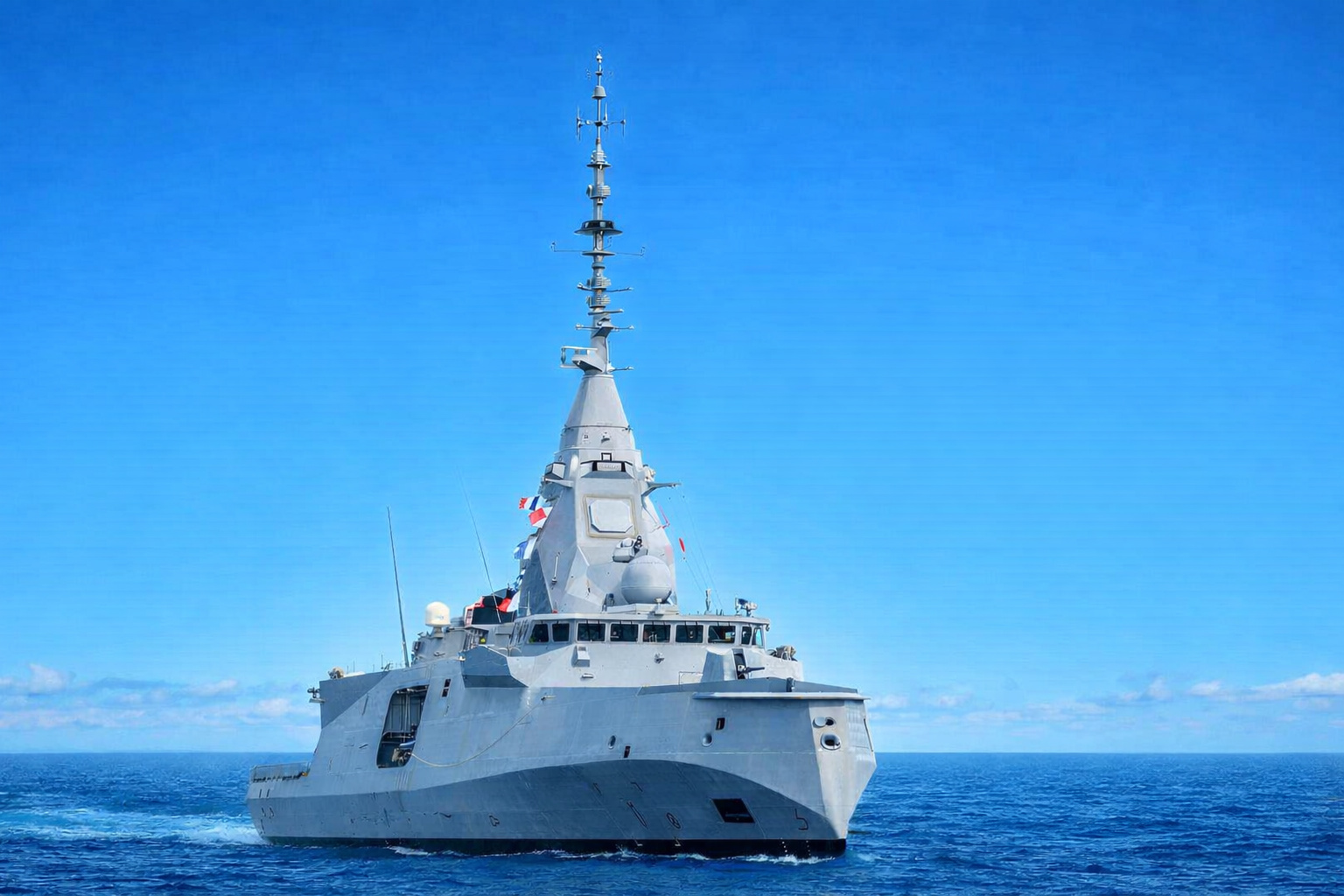

The bulbous bow is designed to generate an additional wave that interferes with these primary waves, reducing total resistance. This phenomenon, known as wave interference, allows the ship to move forward with less engine effort. This solution, although based on physical principles known for decades, has gained new relevance with the increasing size of ships and the rising cost of fuel.
Giant ships amplify the impact of small hydrodynamic improvements
The largest container ships in the world can exceed 400 meters in length and carry more than 20 thousand containers. In this type of vessel, any gain in efficiency translates into significant savings.
A reduction of a few percentage points in fuel consumption can represent thousands of tons saved over a year of operation. This is because these ships operate continuously on international routes, consuming gigantic volumes of fuel daily.
With the price of bunker fuel and environmental pressures increasing, solutions like the bulbous bow have begun to be treated as strategic components.
Retrofit programs show real gains without changing engines or routes
Companies like Maersk have initiated retrofit programs in their fleet, applying hydrodynamic improvements to existing ships. These projects include adjustments to the bulbous bow, hull optimization, and other interventions that do not require engine replacement.
The results show that it is possible to increase energy efficiency without altering the basic architecture of the vessel. This approach allows for reduced operational costs and emissions without the need for investments in new ships, which enhances the economic viability of the solution.

In some cases, the accumulated gains over time exceed the cost of modifications, making retrofit a financially attractive strategy.
Direct relationship with emission reduction places technology at the center of the energy transition
In addition to the economic impact, the reduction in fuel consumption has significant environmental implications. Maritime transport is responsible for about 3% of global greenhouse gas emissions, according to the International Maritime Organization.
Any reduction in fuel use directly contributes to the decrease of these emissions. Hydrodynamic solutions like the bulbous bow therefore become important tools in the pursuit of more sustainable maritime transport.
With stricter environmental regulations being implemented, energy efficiency has ceased to be just a competitive advantage and has become a requirement of the sector.
Applied hydrodynamics transforms naval design into competitive advantage
The development of more efficient bulbous bows involves advanced simulations and testing in hydrodynamic tanks. Each design is tailored to the specific characteristics of the ship, including operating speed, hull shape, and navigation conditions.
There is no single universal model of bulbous bow, and performance depends on the integration of different elements of naval design. This complexity transforms hydrodynamics into a strategic area within maritime engineering.
Companies that can optimize these aspects gain a competitive advantage by reducing operational costs and increasing the efficiency of their fleets.
Fuel savings can reach millions of dollars per ship
The financial impact of hydrodynamic improvements is significant. Considering the average price of maritime fuel and the volume consumed by large vessels, savings of thousands of tons per year can represent millions of dollars.
This cost reduction directly affects the competitiveness of shipping companies, especially in a sector where margins can be pressured by fluctuations in global trade.
Moreover, energy efficiency can influence strategic decisions, such as route selection and travel frequency.
Invisible technology sustains part of global trade
More than 80% of the volume of international trade is transported by sea, according to UNCTAD data. This flow depends on a complex infrastructure that includes ports, ships, and logistics systems.

Within this system, components like the bulbous bow play a silent but essential role. Without these solutions, the cost of maritime transport would be significantly higher, affecting supply chains on a global scale.
The efficiency of ships directly impacts the price of products, from food to electronics, making this technology relevant to the entire global economy.
Continuous evolution indicates that new solutions can expand gains
Naval engineering continues to evolve, with new technologies being developed to further improve ship efficiency. In addition to the bulbous bow, solutions such as special coatings, propeller optimization, and energy recovery systems are being incorporated.
These innovations work complementarily, creating a set of improvements that can further reduce fuel consumption. The future of maritime transport depends on the combination of these technologies to achieve higher levels of efficiency and sustainability.
Global competition pressures companies to invest in energy efficiency
The maritime transport sector is highly competitive, with companies constantly seeking to reduce costs and increase efficiency. In this context, technologies that offer measurable gains quickly become market standards.
The adoption of hydrodynamic solutions is no longer an option, but a necessity for companies that wish to maintain competitiveness. The pressure for cost and emission reductions is accelerating the implementation of these technologies on a global scale.
Leave your opinion in the comments and tell us if simple solutions like this could be the key to transforming the efficiency of the maritime industry in the coming years.








Seja o primeiro a reagir!