








Excavations carried out during the expansion of the Pátzcuaro–Lázaro Cárdenas highway revealed indigenous communities that continued occupying their territories after the arrival of the Spaniards.
An important archaeological discovery was made during infrastructure works in Mexico, sparking the interest of researchers and specialists in indigenous history.
Two ancient settlements were identified during inspections related to the expansion of the Pátzcuaro–Lázaro Cárdenas highway, in the Costa Grande region, in the state of Guerrero.
The archaeological sites, called Camutla and Sacualpan, began to be occupied even in the pre-Hispanic period.
-
Stone with impossible date, arrow shot before death, and radar failing to find a body: the supposed tomb of Robin Hood in England that has challenged historians for centuries

-
Goodbye to the dream of becoming a boss? Understand why Generation Z and millennials are turning down leadership positions, higher salaries, and promotions to preserve balance, flexibility, purpose, mental health, and a less pressured professional routine.
-
A thousand years ago, people of Peru created a mysterious “false head” with real human hair and highly toxic red pigment to transform the dead into revered ancestors.
-
With a revenue of 1.145 trillion reais and a growth of 7.32% in the year, supermarkets in Brazil set a record in 2025, but the real growth, after accounting for inflation, was 3.68% in a sector that represents about 9% of the GDP.


Evidence found at the site shows that these communities remained active even after the Spanish conquest and the beginning of colonial administration.
According to the National Institute of Anthropology and History of Mexico, INAH, the inspections took place between March 25 and 30, 2026.
The discovery was officially announced by the institution on July 20, 2026.
Road works led to archaeological discovery
The identification of the settlements occurred during a preventive archaeology program carried out before the advancement of the works.
This type of work aims to locate, document, and preserve historical remains threatened by large infrastructure projects.
Archaeologists conducted land surveys at different points near the highway’s route.
Aerial recognitions were also used to observe terrain features and possible structures hidden by vegetation.
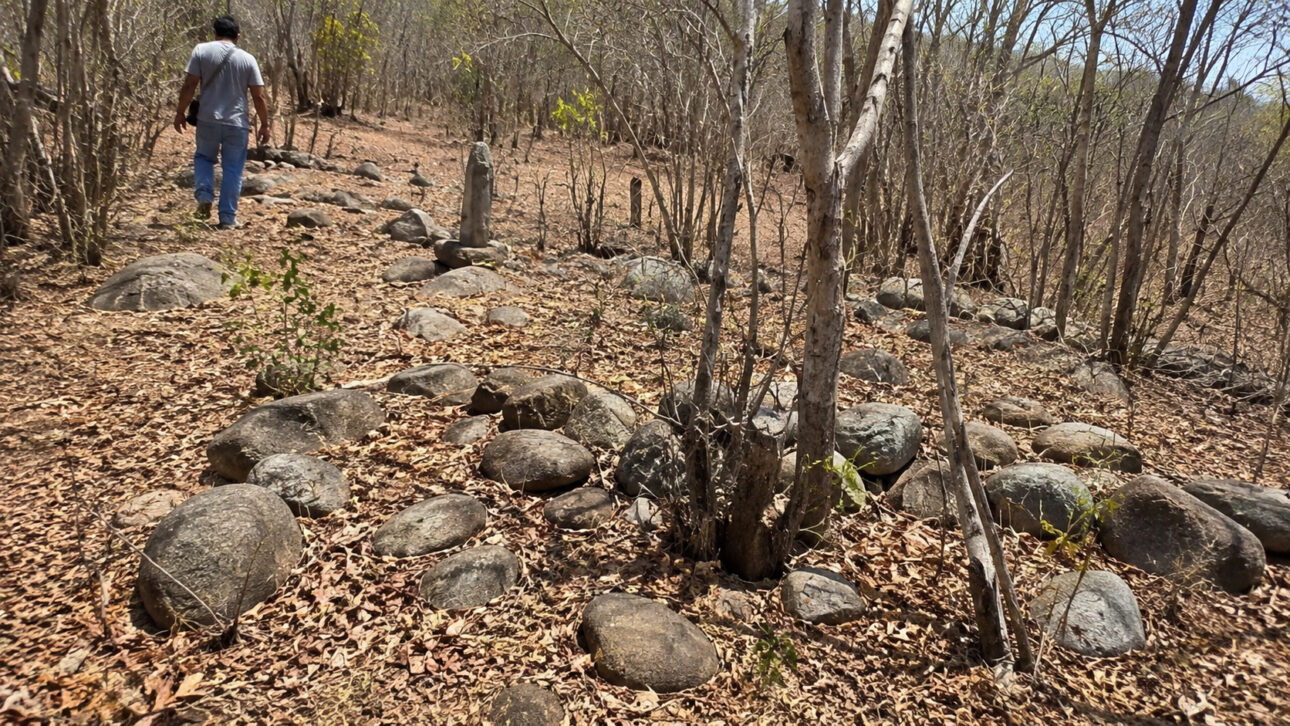
The inspections allowed the recording of residential areas, floors, stone constructions, and spaces intended for domestic activities.
Hundreds of ceramic fragments and different stone tools were also found by the researchers.
Remains reveal how indigenous communities lived
The collected materials help reconstruct the daily life of the former inhabitants of Camutla and Sacualpan.
Ceramic fragments offer clues about practices related to food, storage, and activities carried out within the residences.
Stone structures show how the settlement spaces were organized before and after the arrival of the Europeans.
Floors and domestic areas also reveal places used for socializing, work, and tasks performed by indigenous families.
According to archaeologists, this set of objects allows for a better understanding of the transition between the pre-Hispanic world and the colonial period.
Settlements Survived the Spanish Conquest
The continuity of occupation represents one of the most important aspects of the discovery.
Archaeological evidence shows that the Spanish conquest did not cause the immediate disappearance of the indigenous populations of the region.
Residents continued using their territories and maintained some of their customs during the early years of colonial rule.
Practices related to architecture, pottery production, and domestic organization remained present in the settlements.
Changes imposed by colonization were gradually incorporated into the daily lives of the communities.
Camutla and Sacualpan remained inhabited during part of the early colonial period.
The definitive abandonment of the two sites occurred only at the end of the 16th century, according to INAH.
Discovery Helps Understand Transition Period
The sites offer new evidence about a still poorly understood phase of Mexican history.
The transition between the pre-Hispanic and colonial periods did not occur through an immediate break.
Indigenous communities underwent processes of transformation, adaptation, and cultural permanence over the decades.
The discovery shows that the ancient inhabitants faced profound changes without immediately abandoning their ways of life.
This scenario helps fill a historical gap between the arrival of the Spaniards and the consolidation of colonial administration.
Materials Will Be Analyzed in Laboratory
The objects collected during the archaeological work will undergo detailed analyses.
Researchers will seek to establish a more precise chronology of the occupation in the two settlements.
Studies should also help identify who the inhabitants of Camutla and Sacualpan were.
Information about their activities, customs, and forms of organization may be revealed during the next stages of the research.
Analyses of the materials may also indicate how these communities reacted to the political and cultural transformations brought about by the Spanish conquest.
What can the discovery reveal about the Mexican past?
Camutla and Sacualpan represent important records of indigenous permanence after the arrival of the Europeans.
The sites show that local populations continued living, producing objects, and organizing their spaces during the early years of the colonial period.
The discovery transforms a roadwork project into an opportunity to understand one of the most remarkable moments in the history of the Americas.
The advancement of research may reveal new details about cultural resistance, adaptation, and indigenous continuity in Mexico.
Do you believe that major infrastructure projects should increase investments in archaeological research to preserve historical discoveries like this? Share your opinion!


